Génesis 21
Tte Pa̱'a̱li̱ Me' Skëköl tö Se' a̱ · Toca un versículo para ver sus referencias cruzadas.
Sara alà kéka̱ Abraham a̱
1Ì yë' Jehová tö Sara a̱ tö be' alà köraka̱, e' wà tka we̱s iyëne bak es. 2Erë́ Sara ena iwëm dör këkëpalatke, erë ie' duneka̱ e' wà ku̱ne. Alà e' ku̱ne mik Skëköl tö iké̱wö yë' ie' a̱ eta̱. 3Sara alà ku̱ne wëm e' kiè méka̱ Abraham tö Isaac. 4Mik Isaac ki̱ ká̱ de pàköl, eta̱ Abraham tö itóttola kkuölitla tée tsir we̱s Skëköl tö ie' a̱ iyë' es. 5E' ké̱wö ska' ta̱ Abraham ki̱ duas tso' cien eyök (100). 6Eta̱ Sara tö ibikeitsé: “Skëköl tö ye' ja̱ñawé̱ka̱. Mik sulitane wa̱ ijche̱newa̱ tö ye' de alàë eta̱ tai̱ë ie'pa ja̱ñumi ye' ta̱. 7Ka̱m ye' alà kö̀ka̱ eta̱ kë̀ yi a̱ iyënuk tö ye' dö̀mi alàë. Erë i' ta̱ ye' alà kéka̱ Abraham a̱, ie' kënewa̱tke eta̱.”
Agar ena Ismael u̱yéttsa̱ bánet
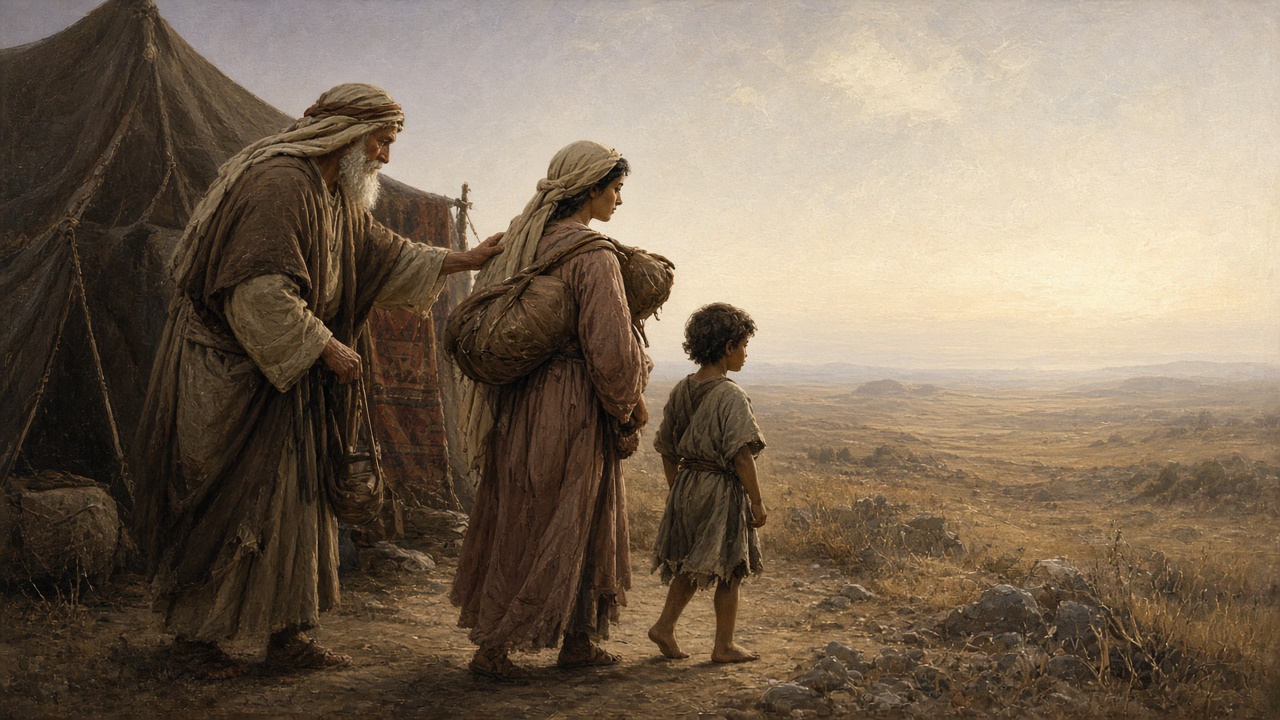
8Eta̱ Abraham alà Isaac de bërie ta̱ itsu'batsée e' ké̱wö tkö'wé̱ Abraham tö tai̱ë. 9Eta̱ Sara tö isué̱ tö Abraham alà ku̱ne egiptowak kiè Agar e' ta̱ kiè Ismael, e' tö Isaac wayueke suluë. 10E' kue̱ki̱ Sara mía̱ ichök Abraham a̱: “Ì ko̱s tso' be' wa̱ mè se' alà Isaac a̱, e' kë̀ ka̱wö ta̱' blatè se' kanè méso e' alà a̱. E' kue̱ki̱ iyuö́shkar alàë.”
11Ismael dör Abraham alà ñies e' kue̱ki̱ ì ché Sara tö e' tö ie' e̱riawé̱ tai̱ë. 12Erë Skëköl tö iché ia̱: “Be' aleripa chökle e'pa döraë Isaac wa. E' kue̱ki̱ kë̀ be' tkinuk be' alà kibi ë́k ki̱ ena imì ki̱. Ì ko̱s ché Sara tö e' ú̱. 13Be' alà ku̱ne a' kanè méso ta̱, ñies e' aleripa alöwe̱raëyö tai̱ë, ie' dör be' alà e' kue̱ki̱.”
14Eta̱ bule es bla'mi ta̱ Abraham tö Agar a̱ chkè mé. Ñies di' méitö ia̱ iyiwak kkuölit yöule di' tso̱ie ese a̱. E' tié̱ka̱ ie' tö se̱raa̱ itsi̱ ki̱ ta̱ iyuéshkar ilà Ismael e' ta̱. Agar mía̱ shkémi ëanas wé̱ kë̀ yi se̱rku̱' ese ska' ká̱ kiè Beerseba e' ëka̱. 15Mik idi' e̱newa, eta̱ ilà tkése̱ritö kal diki̱a̱. 16Ie' kë̀ ki̱ ilà kiane suè̱ duökwa̱, e' kue̱ki̱ imía̱ e̱' tkése̱r kukuie. Mik ie' e̱' tkése̱r i̱ski̱ eta̱ ilà i̱é̱mi.
17Ilà i̱u̱ke e' ttsé Skëköl tö ta̱ bet Jehová biyöchökwak bua'ie e' tö Agar a̱ ichaké ká̱ jaì a̱: “¿A Agar we̱s be' de? Kë̀ be' suanuk. Be' alà tkër i̱u̱k e' ttsé Skëköl tö. 18Be' yú be' alà yulök. Ikö́ka̱ ulà a̱ kë̀ arwa. Ye' tö ie' aleripa alöwe̱raë tai̱ë.”
19Eta̱ Skëköl tö Agar a̱ di' tum kkaché et. Ie' mía̱ di' e' tsu̱k, iyiwak kkuölit a̱ e' méitö Ismael a̱ yè. 20Skëköl tö Ismael kkö'né buaë. Ie' talane se̱né ká̱ wé̱ ki̱ kë̀ yi ku̱' kiè Parán ee̱. Ie' de sulëname buaë. 21Ie' kibine ta̱ imì tö iulabatséwa̱ alaköl dör egiptowak ese ta̱.
Abraham ena Abimélec tö ka̱wö mé ñì a̱
22E' ké̱wö ska' ta̱ blu' kiè Abimélec mía̱ ttök Abraham ta̱. Ie' ñippökwakpa wökir, kiè Ficol, e' mí ie' wapie. Eta̱ Abimélec tö iché Abraham a̱:
—Sa' wa̱ ijche̱r tö Skëköl be' ki̱meke tai̱ë ì ko̱s we̱kebö e' wa. 23E' kue̱ki̱ be' ttè mú ye' a̱ í̱e̱ Skëköl wö wa tö be' kë̀ tö ì sulu wamblepa ye' ki̱ ñies ye' ala'r ki̱ ena ye' aleripa ko̱s e'pa ki̱. Be' ttè mú ye' a̱ tö be' e̱r bua' chöraë ye' a̱ we̱s ye' e̱r buaë ché be' a̱ es. Ñies be' ttè mú ye' a̱ tö be' e̱r buaë chöraë ká̱ i' wé̱ be' se̱rke e' wakpa a̱.
24Abraham tö iiu̱té:
—Tö́. Es ye' ttè mé be' a̱.
25Erë Abimélec wakpa tö di' tum biule yë'ttsa̱ et Abraham wakpa ulà a̱. E' chaké Abraham tö ie' a̱. 26Ie' tö iiu̱té:
—E̱rpa be' ye' tkiwé̱wa̱ ttè e' wa. Kë̀ bö ichö́pa ye' a̱, e̱'ma kë̀ ye' wa̱ ijche̱r. Brör ¿yi tö e' wamblé be' ki̱?
27Abraham tö baka ena obeja kakmé Abimélec a̱ eta̱ ie'pa böl ka̱wö mé ñì a̱. 28E' ukuöki̱ ta̱ Abraham tö iobeja alakipa pupula e' dapa'wé̱ döka̱ kuktö ek tsi̱ní. 29Mik e' sué̱ Abimélec tö eta̱ ie' tö Abraham a̱ ichaké:
—¿Ì kue̱ki̱ be' iyiwak kuktö dapa'wé̱ ek tsi̱ní?
30Abraham tö iiu̱té:
—Iyiwak kuktö, e' meke ye' tö be' a̱ iwà kkachoie tö moki̱ ye' tö di' tum e' bi'.
31Ie'pa böl ka̱wö mé ñì a̱ ee̱ e' kue̱ki̱ ká̱ e' kinewa̱ Beerseba.
32Ie'pa ka̱wö mé ñì a̱, e' ukuöki̱ ta̱ Abimélec ena Ficol e'pa bite̱yal filisteowak ká̱ a̱. 33Eta̱ Abraham tö kal kuá kiè tamarisco ese kuatké elka Beerseba. Ee̱ ie' tö Jehová dör Skëköl yöbië e' dalöié. 34Ee̱ ie' se̱né ká̱ tai̱ë filisteowak ká̱ a̱.
¿Sabías que…?
El nacimiento de Isaac, la partida de Agar y Beerseba
- Abraham tenía cien años cuando Sara dio a luz a Isaac, el único hijo que tuvieron juntos, y lo circuncidó a los ocho días, como Dios le había mandado. Sara dijo que Dios la había hecho reír y que cuantos oyeran la noticia reirían con ella. El Easton's Bible Dictionary (1897) señala que hubo una gran fiesta cuando destetaron a Isaac, probablemente hacia los dos años.Fuentes: el propio texto bíblico · Isaac
- Agar, cuyo nombre se explica como “huida” o, según otros, “extranjera”, era egipcia y sierva de Sara, quien la entregó a Abraham como esposa secundaria. Tras el nacimiento de Isaac, Abraham envió a Agar y al hijo de ambos, Ismael, al desierto de Beerseba, con pan y un odre de agua. Ismael se estableció después en el desierto de Parán, una región desértica en el noreste de la península del Sinaí, entre el Arabá al este y el desierto de Shur al oeste; llegó a ser un gran arquero, y su madre le consiguió una esposa de Egipto.Fuentes: el propio texto bíblico · Hagar · Paran
- Beerseba, “pozo del juramento” o “pozo de los siete”, recibió ese nombre cuando Abraham y Abimelec juraron allí por un pozo que Abraham dijo haber cavado; él apartó siete corderas como testimonio, y los dos hicieron un pacto. Ficol, capitán en jefe del ejército de Abimelec, el rey filisteo de Gerar, entró en esa alianza con Abraham. Luego Abraham plantó un tamarisco en Beerseba y vivió mucho tiempo en la tierra de los filisteos.Fuentes: el propio texto bíblico · Beersheba · Phichol
Notas escritas con ayuda de IA a partir de fuentes abiertas (Theographic Bible Metadata, CC BY-SA 4.0; Easton’s Bible Dictionary, dominio público) y revisadas antes de publicarse.
Lugares de este capítulo
Solo aparecen lugares identificados con alta confianza (90 % o más según las fuentes académicas reunidas por OpenBible). Mapa de la época: DARE (Digital Atlas of the Roman Empire), CC BY 4.0; mapa actual: © colaboradores de OpenStreetMap; lugares: OpenBible.info (CC BY 4.0).
Créditos y licencia de esta traducción
Tte Pa̱'a̱li̱ Me' Skëköl tö Se' a̱
New Testament and Shorter Old Testament in Bribri (CS:bzd:Bribri)
copyright © 2010 Wycliffe Bible Translators, Inc.
Language: Bribri
Translation by: Wycliffe Bible Translators, Inc.
Bribri
bzd
Costa Rica
Copyright Information
© 2010, Wycliffe Bible Translators, Inc. All rights reserved.
This translation text is made available to you under the
terms of the Creative Commons License: Attribution-Noncommercial-No Derivative Works.
( http://creativecommons.org/licenses/by-nc-nd/3.0/ )
In addition, you have permission to port the text to different file formats, as long as you
do not change any of the text or punctuation of the Bible.
You may share, copy, distribute, transmit, and extract portions
or quotations from this work, provided that you include the above copyright
information:
You must give Attribution to the work.
You do not sell this work for a profit.
You do not make any derivative works that change any of the actual words or punctuation of the Scriptures.
Permissions beyond the scope of this license may be
available if you contact
us with your request.
The New Testament and Shorter Old Testament
in Bribri
© 2010, Wycliffe Bible Translators, Inc. All rights reserved.
This translation is made available to you under the terms of the
Creative Commons Attribution-Noncommercial-No Derivatives license 4.0.
You may share and redistribute this Bible translation or extracts from it in any format, provided that:
You include the above copyright and source information.
You do not sell this work for a profit.
You do not change any of the words or punctuation of the Scriptures.
Pictures included with Scriptures and other documents on this site are licensed just for use with those Scriptures and documents.
For other uses, please contact the respective copyright owners.
2014-04-22
Fuente: http://ebible.org/bzdNTpo/ · eBible.org