Jonás 2
Buka Tabuna Tefadi · Toca un versículo para ver sus referencias cruzadas.
Diyona ena Anꞌeta Yaubada Lebena yai
1Diyona mate hama laꞌilaꞌi bogana yai na ya lauꞌuꞌula lau ena Yaubada lisina. Iyen,
2Egu Guyau, egu kamkamna te ganahewana yai E anꞌeta laowa lisim;
na egu anꞌeta wa atahiyen. Aba peꞌi nuꞌuna yai E anꞌetaim.
3Um em nuwatuhu yai, be sa lofe lidiyegu gabogabo ipuꞌipuna wananahana yai.
Be gabogabo ya fuigu yo bagodu sa laoma hewagu yai sa lau.
4Nuwagu yai yawa, Nuwana haꞌa u ꞌwaiyoꞌoꞌegu, be ibege ya lobahim.
Be nuwagu mate ya mode wananaha;
paꞌana em Dubu Tabuna Yelusalem yai, ibege ya ita fuyoi.
5Gabogabo ya eli buluhi wananahaigu.
Gabogabo hawahawadi kulugu sa fakou buluhi.
6Gabogabo ganahewana yai, tuꞌa edi aba susu fatubu.
Amainiya sa gudu buluhigu.
In moho, um Yaubada egu Guyau aba peꞌi yai wa fafuyoguma.
7Yaubada, amnagu E atahi mate haba E peꞌi,
yo fede E anꞌeta laowa lebem,
na em aba miya yai egu lauꞌuꞌula wa atahiyen.
8Be yaubada bwalabwala lisidi yai,
tau laulauꞌuꞌula lau dodogadi mate,
loholoho lisim yai sa ꞌwaiyoꞌoꞌen.
9In moho, yau haba E fadebasaem;
nuwam aba faloholohona haba E felem;
be E angwala mate, somo wa fatalahagu haba E ginauli,
Mwahuli Edaꞌedana esega um!
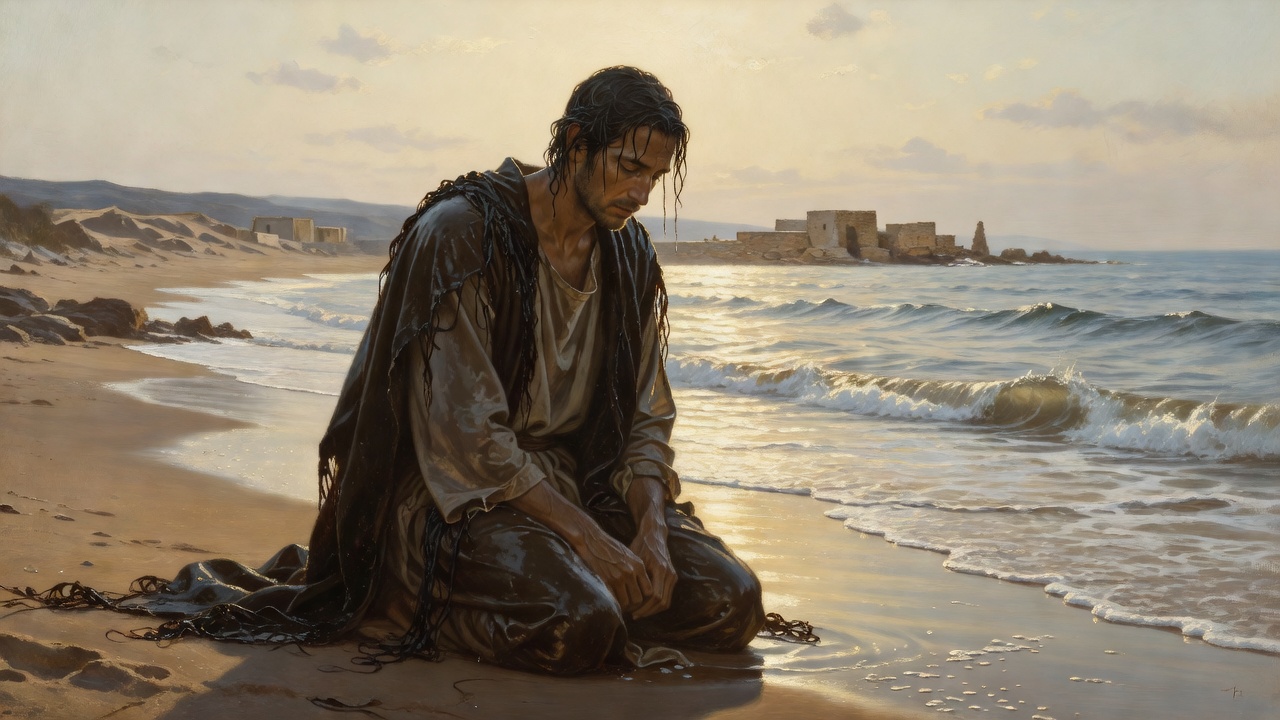
10Debana yai, Yaubada ya liba be hama ya lau Diyona ya fula afulen fote yai. |alt="Diyona, Hama ya fule afulen, fote yai" src="32_Jon_01_06_RG.jpg" size="span" loc="Jonah 2:10" ref="2:10"
¿Sabías que…?
La oración y liberación de Jonás
- La oración de Jonás utiliza imágenes poéticas para describir su experiencia cercana a la muerte, retratando las profundidades marinas como el 'vientre del Seol', donde descendió hasta los 'cimientos de los montes' con algas enredadas en su cabeza.Fuentes: el propio texto bíblico
- Incluso estando sumergido en las profundidades dentro del pez, Jonás dirige sus pensamientos hacia el santo templo de Dios, prometiendo cumplir sus votos y ofrecer sacrificios de alabanza.Fuentes: el propio texto bíblico
- Según los registros bíblicos, el profeta Jonás era hijo de Amitai, natural de Gat-hefer, y ejerció su ministerio durante el reinado de Jeroboam II en Israel.Fuentes: Jonah
Notas escritas con ayuda de IA a partir de fuentes abiertas (Theographic Bible Metadata, CC BY-SA 4.0; Easton’s Bible Dictionary, dominio público) y revisadas antes de publicarse.
Créditos y licencia de esta traducción
Buka Tabuna Tefadi
Mark, Acts, and selected excerpts of the Old Testament in the Buhutu language of Papua New Guinea
Buk Baibel long tokples Buhutu long Niugini
copyright © 2015 Wycliffe Bible Translators, Inc.
Language: Buhutu
Translation by: Wycliffe Bible Translators
This translation is made available to you under the terms of the
Creative Commons Attribution-Noncommercial-No Derivatives license 4.0.
You may share and redistribute this Bible translation or extracts from it in any format, provided that:
You include the above copyright and source information.
You do not sell this work for a profit.
You do not change any of the words or punctuation of the Scriptures.
Pictures included with Scriptures and other documents on this site are licensed just for use with those Scriptures and documents.
For other uses, please contact the respective copyright owners.
2015-10-06
Fuente: http://png.bible/bxh/ · eBible.org