Mateo 12
Handr Taara · Toca un versículo para ver sus referencias cruzadas.
Sanbati jango aatetsk'o
1Iyesus manoori sanbati aawon sndeyi taari taalotsna b́beshefere b́tesh, b́ danifwots k'ak'wtsat boteshtsotse sndeyi motso k'ut'dek't moo dek't botuwi. 2Ferisawino eteefwots man bek't Iyesussh, «S'iile! n danifwots sanbati aawon k'alk'ayere eteetso bo k'aliri!» boeti. 3Iyesuswere boosh hank'o bíet, «Dawitnat bínton teshts ashuwots k'ak'at boteshor Dawit b́ k'altso b́jamon nababeratsteya? 4Bí Ik'o moots kindt kahniwotsiyere okoon bín wotowa bínton teshtswotsi wotowa bomarawok'o nemon baziyetso, S'ayin tusho b́meyi. 5Ando kahniwots sanbati aawon Ik' mootse finefetsr sanbati niwo bokimshor naand wotar boats b́tawerawok'o Muse weeron imetso nemotse guut'etso nababeratsteya? 6S'uznmó Ik' mooniyere bogo hambe! hanoke b́fa'oni etirwe itsha. 7Ando aani ‹Taa t geyirwo mhretiya bako woshaliyee› etiru mas'aafi keewirwo eeg b́ wottsok'o it t'iwintsink'ere morro deshaw ashuwotsats angshrawnk'tee b́teshi. 8Ash na'o dab sanbatoshor doonze.»
Iyesus kish dúr asho kashire
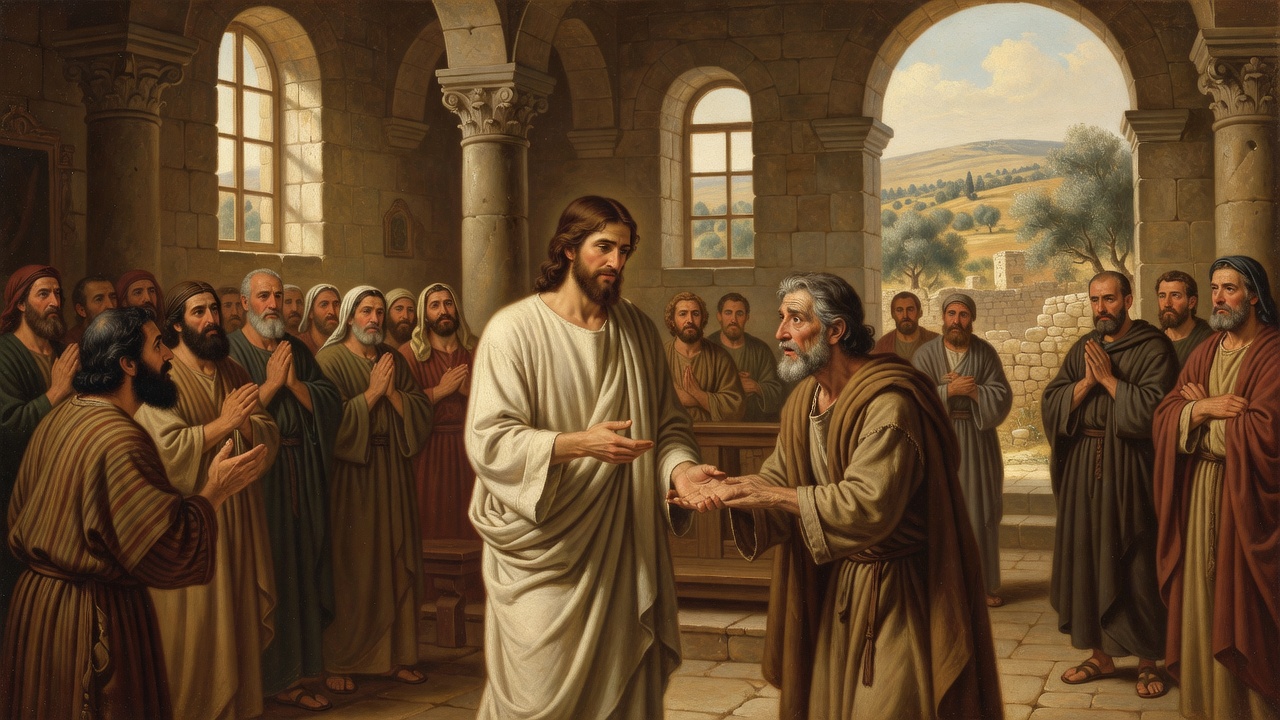
9Beyok manoke tuut Iyesus ayhudi Ik' k'oni moots b́ kindi, 10Manoknowere b́kish iko lasha'ats ash iko fa'e b́tesh, Iyesusi bín bodetset keewo geyiru ik ik ashuwots, «Sanbati aawots shodtswotsi kashiyo nemotse fa'a?» eton bo'aati. 11Iyesuswere hank'o boosh bíet, «Ititse mereer iko detstso, b́ mereero sanbati aawots gop'ots b́shirotse b́fed'iyal geetsde kishrawo kone? 12Eshe, asho mereeroniyere aawk'owe bog k'awntsetsi woto b́k'azeti! Manshe sanbati aawon sheeng keewo fino baziyekaliye.» 13Maniyere il Iyesus b́kish lasha'ats ashosh, «N kisho jargwe» bí'et. Bíwere b́ jargree b́kisho kashwtsat ari b́ kish jeenok'o wotb́wtsi. 14Ferisawino eteefwotsmó, manoke kesht Iyesusi aawk'o k'alde'er boúd'itwok'o shiyeyo dek'botuwi.
Iyesus Ik'o b́fiinosh Galbdek'etsoni
15Iyesusmó bo t'awi gondo dank'rat beyokmanoke k'azb́tuwi, ay ashuwotswere b́ shuutso shoydek't boami, shodts jamwotsnowere b́ kashiyi. 16Ash ashuwotsshmó b́ jango konshor bokeewrawok'o kup'sh dek't bíazazi, 17Han b́wotwere nebiywo Isayasn bek'on keewetso b́s'eenishe.
18«Hambe! galtdek'tso tguutsoni!
Bíye taa tshnfonat bín tgeneeúwitwoniyee,
T shayiro bíats beezitwe,
Bíwere kááwts angsho ashuwotssh kuh keewitwe.
19Bí mooyatsee, wee kúheratse,
Weer weeratsnowere b́ k'ááro shishetwo aaliye,
20Bí k'is'ets eltono dab tishatsee,
S'úwiru gagi c'eeshonor takratsee,
Man b́k'alirwere kááwts angsho
da'a b́dek'fetsoshe.
21Ik' ashwotera ashuwots bín jangitúne.»
Iyesusnat B́eelzebuln
22Maniyere il shed'ano bín s'eents ash iko ááwu dogonat gidik'o Iyesusok dek't boweyi, bíwere bín b́kashi, ashmanwere bek'onat noon keewon b́ fali. 23Ash jamo adt, «Han Dawit naayi wotifa k'úúna?» boeti.
24Ferisawino eteefwotsmó man boshishtsok'on «bí ‹Beel Zebuli› eteets Shed'ani naashona bako Sheed'no kishratsee» boeti.
25Ieyesuswere bo asaabiyo dank'rat boosh hank'o bíet «Ik mengesto kayeyarr bí atsatsewo b́gawetka wotiyal mengst man dihe b́dihiti. Mank'o kit iko wee ik maa asho bíatsatsewo b́ k'aleyal kup'arr beyo falratse. 26Shed'anonwere Shed'ano b́kishitka wotiyal bíatsatsewo k'alere etee, eshe, b́ mengsto aawk'oneya kup'arr beyo b́faliti! 27Eshe, taa fo'erawotsi t kishir Beelzebulna wotiyal, it nanaonmó eegoneya bokishiri? Manshe it nana'uwots itats angshitune. 28Taa fo'erawo tkishir Ik'i shayrona wotiyal eshe Ik'i mengstu itmaants waarane etee. 29Ando ash iko shino kúp'o b́tifawo kúp'man moots kindr b́ detstso biik'o aawk'o k'alrniya b́faliti. 30Taanton woteraw jamó taank'eefitkee, taanton kakurawo bad'iye b́bad'iri. 31Mansh asho aawnari morro b́finitwosh wee c'ash jamosh oorowe eto daatsitwe etirwe itsha, S'ayin shayiro c'ashetu jamoshmó b́ morro bísh oorowe eteeratse. 32Ash na'o c'ashetu jamo b́ morro bísh oorowe eto daatsitwe. S'ayin shayiro c'ashetu jamonmó datsanatse wotowa weet datsatse b́ morro bísh oorowe eteeratse.
Miti sheengo b́ shuwon b́ danfok'o
33«Mit jamo b́ shuwon b́ danefotse miti sheengo detso itsh geyife, b́ shuwonwere sheeng wotitwe, mito gond b́wotiyalmó b́ shuwonwere gonde b́wotefoni. 34It dawnzi nana'otso! gondwotsi wotefetsat sheeng keewo keewosh awuk'o k'alrniya it faliti? Asho b́ nonotse b́ keewirwo b́ nibotse s'eent oortsoniye.
35«Ash sheengo b́ nibi sheengotse s'eents sheeng keewo kishitwe, gond ashonwere b́ nibi gondotse s'eents gond keewo kishitwe. 36Ariko itsh keewirwe, ashuwots kaashk'on bokeewiru aap' ik ikosh angshi aawots boon aatetwee. 37Ni aap'tsatse tuutson neesh angshetwe, n aap'ts aap'atse tuutson ni'ats angshetwe.»
Adits keewo bek'osh aatetsok'owo
38Manoor nem danif ik ikwotsnat ferisawino etefwotsn Iyesussh, «Danifono! adits milikito n finere bek'osh geefone!» bo et. 39Wotowa bako hank'o ettni boosh bíaaniy «Gondonat amaneraw s'oot'o adits milikito bek'o geefe, wotowa eree nebiyiwo Yonas dúri adits milikitoniyere okoon k'osho adits milikito imeratse. 40Yonas mus'i eeno maac'otse keez aawonat keez t'úwon b́ beshiyitsok'o, mank'o ash na'o dowootse keez aawonat keez t'úwon beshiyitwe. 41Nenewe kitutsi ashuwots angshi aawots and dúranatse s'oot'anotsnton tuur bíyats angshitunee, Nenewe ashuwots Yonas nabtso bo shishor bo morrosh goynat naandrone etrne. Andmó Yonasiyere bogo hanoke fa'e. 42Múúrtsu naashú Solomon dani teleefo k'ebosh dats daaratse b́watsotse angshi aawots andi dúri s'oot'anotsnton tuur bo atsats angshitwaniyee, andmó Solomoniyere bogo hanoke fa'ee.»
Kim shayirao ashots aanarr b́kinditwok'o
43Haniye il Iyesus hank'owa bí'et, «Kim shayiro ash atsotse b́keshor kash b́dek'etwoko geyaarr aats aaloke shuuk' beyok b́gúúriti. Wotowa eré daatsratse, 44Mansh ‹T keshts moots aanarr amna› bíetet. Aanarr b́woorowere, b́ maaman baash wotaarr, s'ayinr, k'anwtsarr b́befere daatsitwe. 45Maniye okoon, kim shayiro amr bíyere gondts k'osh shawat Fo'erawwotsi de'er b́weti. Bowere shin Fo'erawman maa teshts asho atsotse kindde'e towaar bítse bobeti. Mansh ashman beyo baltsoniyere iltso iki gonde b́woiti. Gond dúranatsi s'oot'anotsats bodetuwonwere han arts keewe.»
Iyesus indnat bíeshwotsn
46Iyesus ash ashosh keewoke b́befere, bíndnat bí eshwotsn bínton keeweyo geyat́ úratse bo need'efere botesh. [ 47Manoke teshts ashuwotsitse iko Iyesussh, «Hamb nindnat ni eshwotsn neen keewiyosh geeyatniye úratse boned'iri.» bíet.]
48Wotowa bako Iyesus «Tind kone? Ti eshwots konotsne?» ett bísh bí aaniy. 49Maniyere il b́danifwots maants kisho jargdek't kitsfetst hank'o bíet, «Tindnat tieshwots hamb, hanotsiye, 50Darotse fa'o tnih shuntso k'alitu jamwots tíeshuu, t mishu, tindu bonee.»
¿Sabías que…?
Señor del sábado y las señales del Reino
- Cuando los fariseos lo cuestionaron por recoger espigas en sábado, Jesús citó el relato del Antiguo Testamento donde David comió los panes consagrados cuando tuvo hambre. Argumentó que la necesidad humana y hacer el bien tienen prioridad sobre las normas rituales, declarándose Señor del sábado.Fuentes: el propio texto bíblico · David
- Tras expulsar un demonio de un hombre ciego y mudo, Jesús fue acusado de actuar por medio de Beelzebú, el príncipe de los demonios. Jesús rechazó la acusación, explicando que un reino o casa dividida contra sí misma no puede sostenerse y que expulsar demonios por el Espíritu de Dios demuestra la llegada de su reino.Fuentes: el propio texto bíblico · Satan
- En respuesta a quienes pedían una señal milagrosa, Jesús señaló al profeta Jonás, comparando los tres días de Jonás en el vientre del pez con su propia muerte y sepultura venideras. Advirtió que los habitantes de Nínive y la Reina del Sur juzgarían a esa generación porque respondieron a Jonás y a Salomón, mientras que alguien mayor estaba ahora presente.Fuentes: el propio texto bíblico · Jonah · Nineveh · Solomon
Notas escritas con ayuda de IA a partir de fuentes abiertas (Theographic Bible Metadata, CC BY-SA 4.0; Easton’s Bible Dictionary, dominio público) y revisadas antes de publicarse.
Lugares de este capítulo
Solo aparecen lugares identificados con alta confianza (90 % o más según las fuentes académicas reunidas por OpenBible). Mapa de la época: DARE (Digital Atlas of the Roman Empire), CC BY 4.0; mapa actual: © colaboradores de OpenStreetMap; lugares: OpenBible.info (CC BY 4.0).
Créditos y licencia de esta traducción
Handr Taara
The New Testament in the Borna Language of Ethiopia (Handr Taara)
copyright © 2018 The Word for the World International
Language: Borni (Borna)
Contributor: The Word for the World Southern Africa
Handr Taara
The New Testament in Borna in Latin version
The Word for the World
This translation is made available to you under the terms of the
Creative Commons Attribution license 4.0.
You may share and redistribute this Bible translation or extracts from it in any format, provided that:
You include the above copyright and source information.
If you make any changes to the text, you must indicate that you did so in a way that makes it clear that the original licensor is not necessarily endorsing your changes.
Pictures included with Scriptures and other documents on this site are licensed just for use with those Scriptures and documents.
For other uses, please contact the respective copyright owners.
Note that in addition to the rules above, revising and adapting God's Word involves a great responsibility to be true to God's Word. See Revelation 22:18-19.
2023-04-08
Fuente: http://ebible.org/bwo/ · eBible.org