Efesios 4
Handr Taara · Toca un versículo para ver sus referencias cruzadas.
Atso ik b́wotok'o
1Eshe doonzosh t fintsosh tipeets wottso taa, it s'eegets s'eegosh geyik wotts beewon it beetwok'o itn k'onirwe. 2Shunon it took tookon k'amefetsr tooko dashan detson maac' nefonat faleyon beewere,. 3Jeenon it atsatseyo deshede'er Ik' shayirotse daatseyiru ik woto kotosh kúp'owere. 4It s'eegeyor ik jángosh it s'eegetsok'o ik atsonat ik shayiro fa'ee. 5Aaninuwere doonz iko, imneti ikonat gup iko fa'ee. 6Dabnwere jamoniyere damb wottso, jamotse wotde finitwo, jamotse beetwo, jamosh nih wottso ik Ik'o Izar Izewer fa'ee.
7Ernmó Krstos imosh bí ettsok'o bodtso no took tookosh s'aati imo noosh imere. 8Mansh S'ayin mas'afotsere,
«Damb b́keshor mus'o mus'dek'tni bí'ami,
Ashuwotsshowere imuwotsi b́ imi» eteetsok'owiye.
9Beree «Dambaan b́ keshi» etiru aap'an shini shin datso maants, datsotsnoru ayidek't dashan wotts beyok b́ ot'tsoni bako k'osho eebi b́ kitsiri? 10Dashan ot'tsanwere bí jamo s'eenosh dar jamoniyere damb keshtsoniye. 11Bíwere ik ikwotsi wosheetso, ik ikwotsi bek'etswotsi, ik ikwotsi doo shishiyo nabitwotsi, ik ikwotsi amantsuwotsi jinetwotsi, ik ikwots danitwotsi bowotitwok'o imuwotsi boosh b́ imi. 12Hanowere b́ k'al amantswotsi kirstani finosh k'anir Krstos ats wotts Ik' moowu bi agetuwok'owe. 13Ando Ik' na'o danon imnetiyon daatseyiru ik wotok bodroone, Krstos s'ayinonat s'een b́ wottsok'o noowere ik wotde s'een asho no wotitwok'owe. 14Haniyere okoon ashuwots gondonat ant'elcosh k'andek'ts dani jongonat aats fundon hake bako gifnide'er daamet nanaúwotskok'o woteratsone. 15Dab maniyere aro shunon keewfetsr jam keewon took wottso Krstos maants eenetwone. 16K'osh k'osh atsi kaywots bodesh Krstosne, ats jamonwere ikok b́ deshee shas'wotsne, eshe ik ik atsi kayo bísh eteets fin sheengshde'er b́ finor ats jamo bí eneti, shunonowere b́ kup'iti.
Krstosn daatset handr beyo
17Haniyakon, k'awntsalkeew gawirw Ik' ash woterawwotskok'o beek'ayere etaat doonzo shútson it tooko kor it dek'etwok'o itsh keewre, 18Bo asaabiyo t'aluwtskee, bodaronat bo k'elikúp'i jangosh Ik'o boosh bí imts beyatse k'alernee. 19Jitso bot'ut'tsosh kim jamo k'alosh bo tewnirwotse botoko meets tewunosh beshidek't imrne. 20Itmó Krstos jango hank'owaliye it dani, 21Arikon b́ jango shishrte, aronwere Iyesusitse b́ fa'ok'o bín danrte, 22Mansh antelchde'er morro maants jishit Woteraw tewno shini bín it beyiru nat wotts it azeets doyo okaan juu bayere. 23It nibonat asaabiyon b́ jamon handr wotowe, 24Arik wotts kááwonat S'ayinon Ik' arok'on azeetso handr atso tahade'ere.
25Eshe kooto keewk'ayere, no jamets ik atsi kaywotsi no wottsotse no ats atsewo ari keewo keewwone. 26Fayore! it fayonomo morro fink'ayere, it fayetsok'on it befere aawo ilk'aye. 27Dablossh b́ kindit fúro imk'ayere. 28Ump'irwo haniyak úmp'k'aye, dab kic'tswotssh b́ imish gizo b́ daatsitwok'o b́ kishon sheeng fino finowe. 29B́ jamon it nonotse woteraw keewo keshk'aye, maniyere dab shishetwotsi geneúshitwonat kup'shosh wotitu keewo ashuwotssh keewwere. 30It kashts aawo b́ kiitstwok'o wotitwo it ats jot'ets Ik' S'ayin Shayiro shiyanik'ayere. 31S'aam woto, nib k'úno, fayo, kúúho, c'ashonat kon naari gond jamo it atsere okaan wokowe. 32Maniyere it ats atseyosh doowwotsnat maac' nefwotsn, shiyanitwotsnat imetwotsi wotoore, Ik'o Krstosn it morro itsh orowe bí ettsok'o it were it atsatsewosh orowe erre.
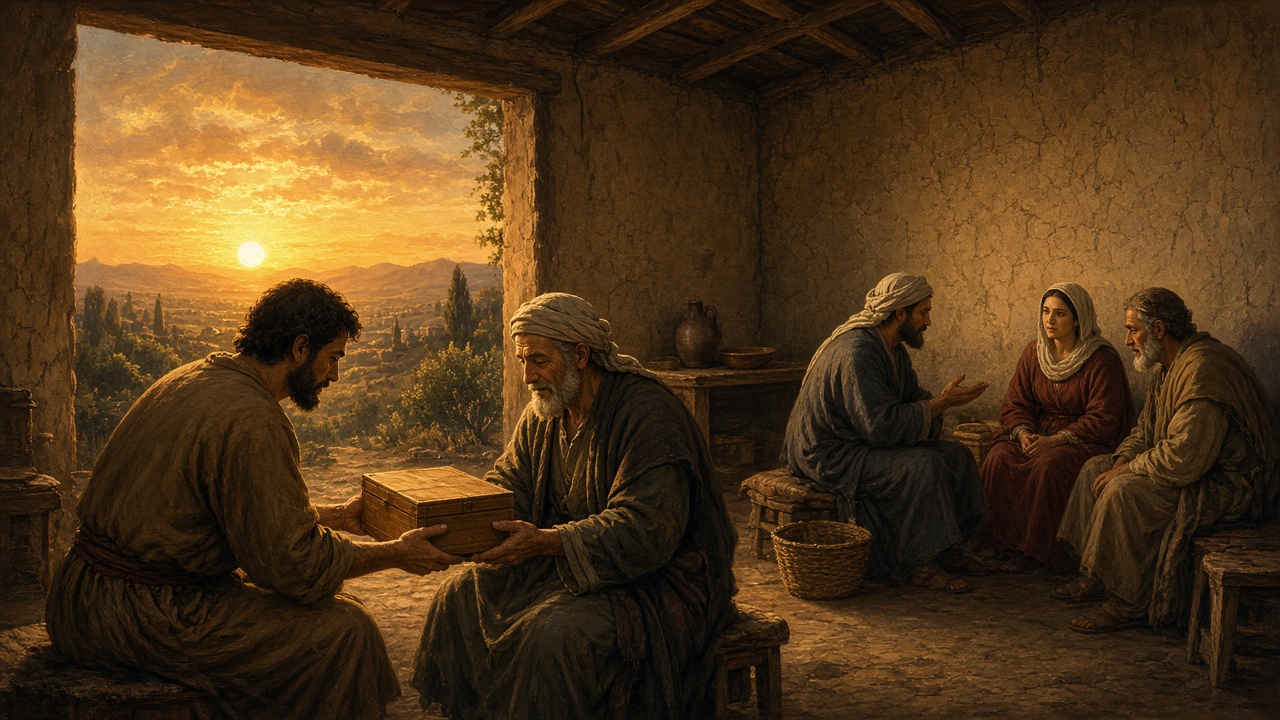
¿Sabías que…?
Un solo cuerpo y una vida digna
- El capítulo comienza con el autor llamándose a sí mismo prisionero en el Señor y exhortando a los lectores a andar de manera digna del llamamiento que recibieron, con humildad, mansedumbre, paciencia y diligencia para preservar la unidad del Espíritu mediante el vínculo de la paz.Fuentes: el propio texto bíblico
- Ese llamado se apoya en realidades compartidas nombradas en el capítulo: un solo cuerpo, un solo Espíritu, una sola esperanza, un solo Señor, una sola fe, un solo bautismo y un solo Dios y Padre de todos, que está sobre todos, por medio de todos y en todos. El mismo pasaje dice que quien ascendió dio a unos como apóstoles, a otros como profetas, a otros como evangelistas y a otros como pastores y maestros, para capacitar a los santos y edificar el cuerpo.Fuentes: el propio texto bíblico
- El capítulo describe entonces una vida cambiada como quitarse el modo de vivir anterior, el viejo yo, y revestirse del nuevo yo. Dice a los lectores que desechen la mentira y hablen con verdad, porque son miembros los unos de los otros; que se enojen sin pecar y no dejen que el sol se ponga sobre su enojo; y que no entristezcan al Espíritu Santo de Dios, en quien fueron sellados para el día de la redención.Fuentes: el propio texto bíblico
Notas escritas con ayuda de IA a partir de fuentes abiertas (Theographic Bible Metadata, CC BY-SA 4.0; Easton’s Bible Dictionary, dominio público) y revisadas antes de publicarse.
Créditos y licencia de esta traducción
Handr Taara
The New Testament in the Borna Language of Ethiopia (Handr Taara)
copyright © 2018 The Word for the World International
Language: Borni (Borna)
Contributor: The Word for the World Southern Africa
Handr Taara
The New Testament in Borna in Latin version
The Word for the World
This translation is made available to you under the terms of the
Creative Commons Attribution license 4.0.
You may share and redistribute this Bible translation or extracts from it in any format, provided that:
You include the above copyright and source information.
If you make any changes to the text, you must indicate that you did so in a way that makes it clear that the original licensor is not necessarily endorsing your changes.
Pictures included with Scriptures and other documents on this site are licensed just for use with those Scriptures and documents.
For other uses, please contact the respective copyright owners.
Note that in addition to the rules above, revising and adapting God's Word involves a great responsibility to be true to God's Word. See Revelation 22:18-19.
2023-04-08
Fuente: http://ebible.org/bwo/ · eBible.org