Hechos 9
Handr Taara · Toca un versículo para ver sus referencias cruzadas.
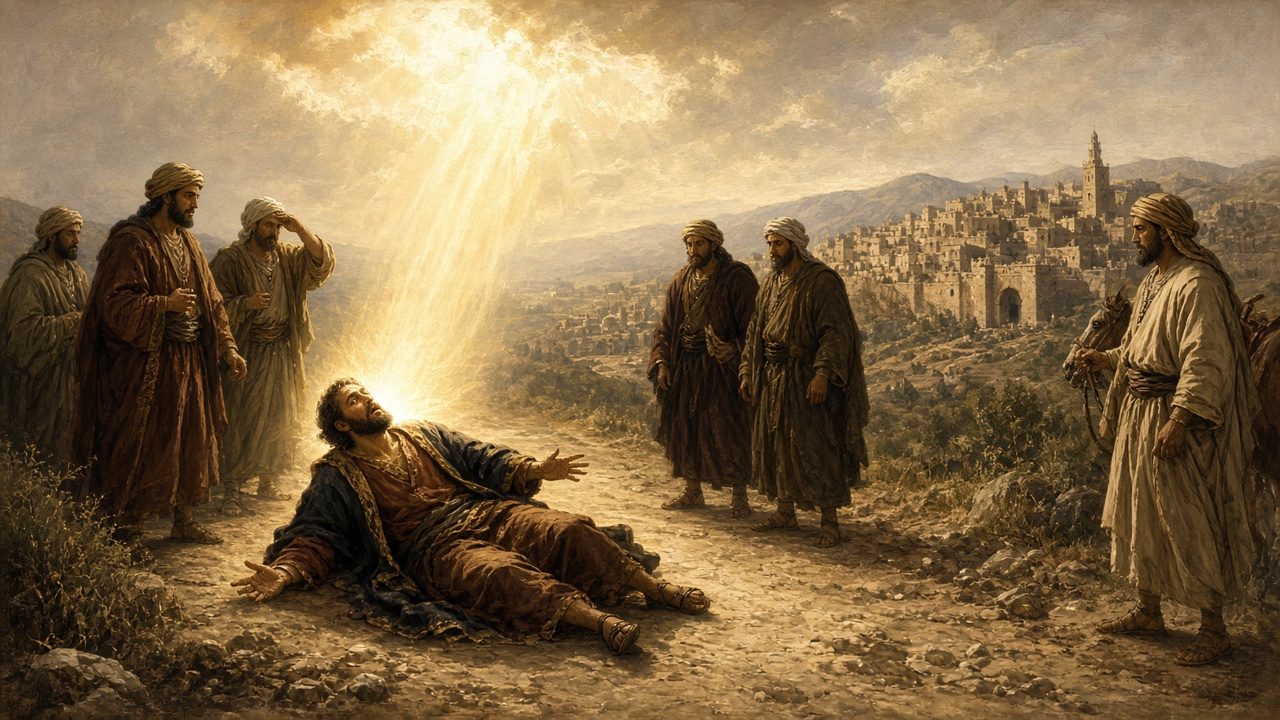
Sa'ol Krstosi bí amantsok'o
1Manoor Sawuol doonzo danifuwotsi úd'osh naakefere kahaniyots naashok bíami. 2Doonzo weerindion shairu ashuwotsi nungushwotsno máátsuwotsno b́ daatsor tifde Iyerusalem maants de'er woo bín faliyit debdabeyo guud'de Demask'oyitsi ayhudiwots Ik' k'oni moowwots sh bísh imetwok'o kahini naash naasho bí aati.
3Amfetst Demask'o maants b́ t'intsok'on b́ gúúratse gawerawon darotse shááno gol b́wutsi. 4Manoor datsats dihb́wutsi, «Sa'olo! Sa'olo! eegishe taan ngishiri?» etiru k'aaro b́shishi.
5Sa'oluwere «Doonzono! kone nee?» bí eti, bíwere «Taahe nee ngishiruwo Iyesus taane, bín kosheef birro n k'efiyale neeshe iki b́gonditi, 6Eshe, and tuur kitots kiduwee, bíyoke k'alo neesh geyituwonowere manoke neesh keewetuwe» bí eti.
7Sa'olnton amfetst teshts ashuwots k'aaro shishfetst konnor bobe'awotse bo keewituwo t'ut't s'ik ett need'bowutsi. 8Sa'oluwere b́ dihtsoke b́ tuwi, bí aawwotsi b́ k'eshormó bek'o falratse, mansh ashaashwots b́ kisho dets dek't jishfere Demask'o maants dek't boam. 9Keez aawu s'eenosh eegor bek'o b́ falrawo, b́ marawo, b́ úyawo b́tesh.
10Manoor Demask'on Hananiyi eteefo Iyesus danif iko fa'e b́tesh, doonzo bek'on «Hananiyo!» ett b́s'eegi bíwere «Hamb taane, doonzono!» bí et.
11Doonzonu hank'o bíeti, «Tuur kááwi eteyiru werindu maants amee, manokno Yhud mootse Sa'oli eteetso T'erses asho gewowe, bíwere and Ik' k'onoke b́ fa'oni.» 12Sa'oluwere bí ááwuwots aani bek'o bofalituwok'o Hanani eteets asho bíyok kindt b́ kisho bíyats b́ gedfere bek'on b́ bek'i.
13Hananiyuwere hank'o ett bíaani, «Doonzono! ashaan Iyerusalemitse beyiru amantsuwotsats ay gond keewo b́fintsok'o ayuwotsoke shishre. 14Manoknowere n shúts s'eegiru jamwotsi tiposh kahni naashuwotsoke alo dek're.»
15Doonzonuwere Hananiysh hank'owa bíet, «Bí t shútso Ik' danawu ashuwots shinatse, naashuwots shinatsnat Isra'el ashuwotssh danituwoniye, bí t k'ac'i sheengo b́ wottsotse bíyok amee, 16T jangosh awuk'o gondbek'o b́dek'etuwok'owo kitsituwe bísha.»
17Mann Ananiyi maa man maants amt b́ beyiru mootsowere b́ kindi, b́ kishonowere Sa'olaats geddek't, «Ti eshu Sa'olo! hanmand n wafere weratse ni ats be'etso Doonzo Iyesus aani bek'o n falituwok'onat S'ayin shayiron n s'enetuwok'o niyok taan woshere» bí eti. 18Manorowere k'ok'r arts keewo bí ááwatse fed'at bí eree bek'o b́fali, tuutnwere b́gupeyi. 19Meetwo b́ meeyihakon kup'b́wutsi, Demask'on teshts Iyesus danifuwotsnton muk' aawwotssh manoke b́ teshi.
Sa'ol Demask'on b́danitsok'o
20Manorowere Sa'ol Demask'on «Iyesus Ik'o naayiye» etfere ayhudiwots Ik' k'oni mootse daniyo b́ tuwi.
21Shishts jamwotswere, «Ashaan Iyerusalemitse shútsan s'eegiru jamwotsi t'afifoniyosha? Hanok b́wowuwere boon tifde'er kahni naashuwotsok de'er amooshoshna?» ett bo'adi.
22Sa'olmó iki kup'efere bí ami, Iyesus mesihiyo b́wottsok'o keewut Demask'oyitse beyat teshts Ayhudiwots noono bo keewituwo b́t'ut'ifoni b́ tesh.
23Ay aawoniyere il ayhudiwots Sa'oli úd'osh boshiyeyi, 24Bímo gondon bíats bo shiyetsman danb́k'iri, boowere bín úd'osh t'uwe aawo b́ keshf fengshuwotsi bo kotfoni. 25Ernmó t'úwon b́ danifuwots Sa'oli oshots geddek't gimbiyi múlotse maskotiyon oorsh bo k'ri.
Sa'ol Iyerusalemn
26Sa'ol Iyerusalem maants bíamor manoke fa'a Iyesus danifuwotsnton eeho b́geyi, bomó bí Krstosi bí amantsok'o arik boosh arewo b́ k'aztsotse bojamets bín boshati. 27Bernabasmó Sa'oli woshetswotsok b́ t'intsre weeratse b́befere doonzo bísh b́ be'etsok'onat bín noono b́ keewitsok'o, Iyesus Shútsonowere Demask'on ááwu shuuk'on b́ danitsok'o boosh b́ keewi. 28Mansh Sa'ol bonton wotdek't Iyerusalemitse bíananefo. Doonzo shútsonowere ááwu shuk'on b́ danifoni. 29Grik dats ash noonon keewuf ayhudiwotsnton keewefetstni b́ mooshfo, bomó bín úd'osh k'anwutskno botesh. 30Eshuwots man dan bok'rtsok'on K'isariy maants k'az dek'boami, manoknowere Terses maants k'aybíametuwok'o bowoshi.
31Yhuditse, Gelilitsnat Semaritse fa'a jam Ik'i moowu jeeno datsrane, kúp'onowere kup'eraniye, Doonzono! mangiyifetsat S'ayin shayirowere kup'efetsat taawon eenranee.
P'et'ros Lidnat Iyop'en
32P'et'ros dats datsatse gúúroke b́ befere Ldiyn beyiru amantsuwotsok bíami. 33Manoknowere shmt nati s'eenosh es'atse k'eets Eniyi eteef duro daats b́de'k'i. 34P'et'rosuwere «Eniyo! Iyesus Krstos neen kashituwe, tuur níees'o ec'ee!» bí eti. Bíwere manoor k'az b́tuwi. 35Ldaanat Saronon beyiru jametsuwots bín bek't doonzo maants k'az boaani.
36Iyop'e datsatse T'abiti eteefu amants iku fa'a b tesh, Griki noonon Doork'ayi eta, b́ biitsonwere t'it'a etee, biwere sheeng keewo k'alonat t'owwotssh úni aawu imf máátsi btesh, 37Manoor bi shodat b k'iri, mashdek'tnuwere dadirotse danbani gaad'ots bin gedbok'ri. 38Ldi Iyop'esh karn bteshtsotse Iyop'eyitse fa'a Iyesus danifwots P'et'ros Lditse b́ fa'ok'owo shisht «Oona muk'i nteyawo noosh kaari waa boree» et git ashuwotsi bíyok woshbok'ri. 39Mansh P'et'ros tuut wosheetsuwotsnton b́weyi, b́ bodtsook'onowere dambani maa gáádots dek't boami, bo kenih k'irts mááts jametso bín guurdek' need' dek't eepfetst Doork' bonton kashon b beyor bwozits faaruwotsnat tah tahuwotsi bísh bokitsiri botesh, 40P'et'ros jametsuwotsnor úratse kishk'raat tuk'maldek't Ik'o b́ k'oni, duuno maantsowere aandek't «T'abitee! tuwwe!» bíeti, biwere bi ááwwotsi wogdek'at P't'rosi b s'iili, tuuwatnu beebdek'i. 41Bíwere b́ kisho jargt bin detsdek't b́ tuuzi, bo kenihi k'irts máátsuwotsnat k'osh máántsuwotsi s'eegdek't naú kashon bo shinats b́ t'intsi. 42Keewanuwere Iyop'e dats jamatse b́ daneyi, ay ashuwotswere Doonzon boamani. 43P'et'ros Simo'oni eteets gook' shik'iru ikonton ay aawosh Iyop'en b́ beyi.
¿Sabías que…?
La conversión de Saulo y el ministerio de Pedro
- Al perseguidor de este capítulo se le llama Saulo, un hombre de Tarso. Saulo era el nombre que recibió en la circuncisión, su nombre hebreo en casa; el nombre Pablo probablemente también se le dio en la infancia, para usarlo en el mundo gentil. Tarso, capital de Cilicia, provincia romana en el sureste de Asia Menor, estaba a orillas del río Cidno, navegable hasta allí, se distinguía por la riqueza de su comercio con las tierras del Mediterráneo y con el centro de Asia Menor, y era sede de una famosa universidad, cuyas escuelas se describen como rivales de las de Atenas y Alejandría.Fuentes: Paul · Tarsus · el propio texto bíblico
- Damasco, la ciudad a la que Saulo se acercaba con cartas del sumo sacerdote para llevar a Jerusalén, como prisioneros, a hombres y mujeres del Camino, se describe como la más antigua de las ciudades de Oriente y la capital de Siria, a unas 133 millas al norte de Jerusalén. Ananías fue enviado a la casa de Judas, un judío de Damasco, en la calle llamada Derecha, una calle larga y ancha que corría de este a oeste por cerca de una milla y formaba la vía principal de la ciudad, distinta de las calles estrechas e irregulares habituales en las ciudades de Oriente. Esa calle se identifica con la calle de los bazares, donde se ha señalado una llamada casa de Judas.Fuentes: Damascus · Straight Gate · Judas (Jew of Damascus) · el propio texto bíblico
- Lida, donde Pedro encontró a Eneas, paralítico y encamado desde hacía ocho años, estaba a unas nueve millas al este de Jope, en el camino de ese puerto a Jerusalén. Jope estaba sobre un promontorio arenoso, a unas treinta millas al noroeste de Jerusalén, y era el principal puerto marítimo de Judea. Allí la discípula Tabita también se llama Dorcas, nombre griego que significa gacela; era conocida por obras de bondad y caridad, y las viudas le mostraron a Pedro las túnicas y las demás ropas que ella había hecho.Fuentes: Lydda · Joppa · Dorcas · el propio texto bíblico
Notas escritas con ayuda de IA a partir de fuentes abiertas (Theographic Bible Metadata, CC BY-SA 4.0; Easton’s Bible Dictionary, dominio público) y revisadas antes de publicarse.
Lugares de este capítulo
- Damascus · 33.511, 36.306 · versículos 2, 3, 8, 10, 19, 22, 27
- Jerusalem · 31.777, 35.234 · versículos 2, 13, 21, 26, 28
- Straight Street · 33.509, 36.311 · versículo 11
- Tarsus · 36.913, 34.892 · versículos 11, 30
- Caesarea · Hoy: Caesarea Maritima · 32.500, 34.892 · versículo 30
- Galilee · 32.760, 35.527 · versículo 31
- Judea · Hoy: Judea 1 · 31.777, 35.234 · versículo 31
- Samaria · Hoy: Samaria 2 · 32.276, 35.195 · versículo 31
- Lod · 31.950, 34.900 · versículos 32, 35, 38
- Sharon · Hoy: Sharon Plain · 32.400, 34.883 · versículo 35
- Joppa · Hoy: Jaffa · 32.054, 34.753 · versículos 36, 38, 42, 43
Solo aparecen lugares identificados con alta confianza (90 % o más según las fuentes académicas reunidas por OpenBible). Mapa de la época: DARE (Digital Atlas of the Roman Empire), CC BY 4.0; mapa actual: © colaboradores de OpenStreetMap; lugares: OpenBible.info (CC BY 4.0).
Créditos y licencia de esta traducción
Handr Taara
The New Testament in the Borna Language of Ethiopia (Handr Taara)
copyright © 2018 The Word for the World International
Language: Borni (Borna)
Contributor: The Word for the World Southern Africa
Handr Taara
The New Testament in Borna in Latin version
The Word for the World
This translation is made available to you under the terms of the
Creative Commons Attribution license 4.0.
You may share and redistribute this Bible translation or extracts from it in any format, provided that:
You include the above copyright and source information.
If you make any changes to the text, you must indicate that you did so in a way that makes it clear that the original licensor is not necessarily endorsing your changes.
Pictures included with Scriptures and other documents on this site are licensed just for use with those Scriptures and documents.
For other uses, please contact the respective copyright owners.
Note that in addition to the rules above, revising and adapting God's Word involves a great responsibility to be true to God's Word. See Revelation 22:18-19.
2023-04-08
Fuente: http://ebible.org/bwo/ · eBible.org