Marcos 4
Boga New Testament Portion · Toca un versículo para ver sus referencias cruzadas.
Sakǝtkǝn tǝ la Hǝfta
1Paɗ tǝrkaakǝ Yǝso sakandaɗa mi kapat hawurta ngomkǝ nofchǝ ka'ǝn, tǝrkǝna hur kommbawal sokkǝnhi kǝ hurkǝn, nofchǝ oi a mi chicheng hawurkǝn. 2Nakna sakandakandǝhara a hur sakǝtkǝn tǝ ndatwa. 3Sǝkama! chek lǝ huɗata kish ka hǝfta 4Nakna weshǝ witǝkǝn, funǝ witǝkǝn hǝmkǝnda hai kǝ hur mbanda, ɓak hanɗishcha chathlanda. 5Funǝ witǝkǝn paɗ hǝhatkǝnnda ɗar fufurta ɓǝɗi nguchit furtǝsǝ ɗiichin, tifkǝnda kish leɗleɗ, kǝthlǝm ngafurtǝsa ɗarkǝn ɗiichinwa, 6Tǝkkǝ hwatfarǝhi, lifirkǝndaɗi kǝthlǝm nga thlorǝ'ensǝ ɗiichinwa, hwarkǝnaɗi. 7Paɗ funǝ hǝhatkǝnda hur ndahcha, mwankǝnda paɗ njekthlang ndahchiyu ɓǝla'utǝ sǝt hwechafuwa. 8Funǝ paɗ hǝhatkǝndahai kǝ hachahai ɗiichin mbulkǝn sǝkǝn hwechafa, funǝ kumchit mǝkkan, funǝ kumchit tehhweth, funǝ paɗ kumchit kum. 9Ndak Yǝso wa: "Le nat thlǝmat sǝktǝ'ensi kǝ sǝkkǝn."
I Sǝk Fǝrtǝn Sakǝtkǝn
10Nak Yǝso ichitkǝn, fichile nduk tǝndǝ tǝ kimshechi'en kumngǝrǝnsǝ chap, sahahndǝ sakǝt shuniniyu. 11Ndangnakandǝwa: "kunang ngǝmaficha kunisi kǝ sǝnnuni i naka ɓuɓweeta hur mwanda Fara, fichile nguchika hurnuni, chikamǝ naki mbwa'anda kanda hur sakǝtkǝn. 12Nanda kǝllathi kǝ kǝllathi chika kichu ngunda natwa, kǝ kandǝ thlǝmathi kǝ kat thlǝmathi chika kichu ngunda sǝktǝwa. Kǝthlǝm ma shiɗndǝ kichu nanda tǝɓǝrtǝhi ɓǝnda Fara kǝ kalang fichi ɓǝɓichitfechengnanda kandǝhi. 13Ndangnakandǝwa, awi sǝnwuni sakǝt shuniniyuwa? Nakuni sǝn yakat sakchikǝnwa kǝnni? 14Lǝ huɗaɗiyu hiftǝ shunda Fara. 15Fichile hǝhatkahai kǝ hur mbandǝyu, kandang naka sakǝt fichile hǝftǝ fichǝ shuwunkǝna hanndǝkikechengnandǝyu, kǝ sǝktǝnda chat kichuyu ɓak sheɗanna thlandǝ kandǝhar. 16Kichu paɗ hanwitǝ hǝftǝ ficha hur fufurtǝyu, kandang naka fichile sǝkkǝ shuwunkǝn thlǝkndǝ tǝ mbǝnfata. 17A nakǝn sutǝ thlora hanndǝkikechengnanduwa, nga alchindengnandǝsuwa, ma yimnda hur ɓahtǝ kǝthlǝm shuniniyu chikndǝ hansarǝhi. 18Funǝ paɗ kandang naka sakǝt fichile hǝhatka hur ndahchiyu, kandang sǝkkǝ shuwunkǝn, 19paɗ ǝnat kishita tǝ kǝnecha tǝ yah icha kishita, yimkǝndǝsi njaǝn shuwunkǝnna kanda suwa kweshchaǝnwa. 20Fichile hǝhtǝ ficha hur furtǝ ɗiichinyu kandang naka sakǝt fichile sǝkkǝ shuwunkǝn thlǝknda, sǝkndǝ torsi mbǝskǝndǝ chekǝtkǝn, funǝ kumchit mǝkkan, funǝ kumchit tehhweth, funǝ kumchitkum.
Tikesha le Supwandǝ Fichǝ tǝ I'nafta
21Ɗǝk Yǝso mban tǝ ndanda kanduwa: "Mǝlapakaa la ɓak fichǝ tǝ tikesha huri kǝthlǝm kǝ supwang fichǝ tǝ i'naftǝwa, manga kichuwa kǝ ɗǝffichǝhi kǝka ɓǝt hunatwa? le ɓatunitǝkǝn kǝthlǝm kǝ ɗǝffuni kǝ ɓǝɗi la ɗǝftǝfichǝwa? 22Ənsǝnaka ɓuɓweetǝ nguchit ficha chandakishwa, ǝnsa supta nguchit ficha kwallandandǝwa. 23Le nat thlǝmat sǝktǝensi kǝ sǝkkǝn!'' 24Paɗ ndangna kandǝwa, ɗǝffam i'ndǝsi, kǝ ɗar ǝnǝnǝ sǝktuniyu, somǝɗi kǝkaɗtusi, tǝ ndǝkǝn nat ficha kǝkaɗutǝsi. 25Kǝthlǝm le natǝn'ensi, mǝlan nat ficha chekanda, le nguchitǝn'ensi paɗ chikale naka har'en na ficha thlandǝhar kǝ chekang ficha le natǝnsǝ'en.
Sakǝt Tifta Wita
26Ndakǝn paɗwa: "Mwanda Fara nakǝn nda nifǝ weshkǝ witǝ'enna hachahaya. 27Kǝ hunanhi kǝ thlaǝn tifkǝ witǝkǝnna kish, mwankǝn, sǝnutǝ ndu sǝkǝn kǝniwa. 28Furtǝ tǝ i'ndǝ'en la ɓǝlaakǝn mwanandǝ hwarma paɗ kǝ ɓulǝn, sǝn hwechafa. 29Ma nihiɗi hwasaǝn tǝ chelta, kǝthlǝm shee thlahɓǝt nǝhatǝ'en."
Sakǝtkǝn tǝ Hwan Musdad
30Ndakǝn paɗwa, nakma kǝkaɗandǝ mwanda Farǝ tǝ mi? Manga kichuwa witǝ sakǝtmi natma kǝkaɗandǝfa? 31Nakǝn nda hwan musdad, le nak nguɗeh a hur ichi la hǝftǝficha hachahaya. 32Chika tǝ kichu ma hǝffa ficha, nan mwanda kǝ mbǝranka tahǝt afchihi hur hitǝkǝnyu, njarkǝnhi ka'ǝn paɗ kana hanɗishcha sokta kaaftǝ'en. 33Tǝ sakǝt shuwunchǝ ka'ǝn mbutǝ Yǝso shunda Fara, kǝ sǝrǝt sǝndengnanda. 34Mbwa'autǝ shunda kanda nga tǝ sakǝtkǝnwowa, paɗ mamǝlan ichitkǝn, la mbwa'angna kimshechi'en chikami.
Yǝso Ɓokaɗa Kapat Rǝnnaahi
35Farǝniyu sǝk farǝhufta, ndangna kimshechi'enwa: "Chamǝn hawurkǝn kǝ mi chicheng le taatǝyu." 36Malkǝndǝ ngomnofchikǝn ɗiffi'in, pǝɗakndǝ tǝnda hur kommbawal ichitkǝn, paɗ kurǝkǝ tahchikǝn kanda. 37Ndǝkǝn thlatǝ husomba tǝrǝnna ka'ǝn, nak rǝnnikǝna hǝhrandǝ kommbawal tǝkǝn, nak ama hasa hur kommbawal tǝkǝn nda nan nǝhata. 38Yǝso paɗ mǝla hur kommbawal tǝkǝn a ɗar ɓǝt sokta mǝla saɓweni, nahnang kimshechi'en ndangndǝwa: "Malɗǝm, nǝma tǝktǝhi, kǝmmuwowa?" 39Nahǝnkǝn, ɓokangna rǝnnikǝnhi, ndangna rah amkǝnwa: "Thlarruhi! kǝ ngasnǝ kǝmma!" Ndǝkǝn thlartǝ rǝnnikǝnhi shǝyyet. 40Ndangna kimshchi'enwa: "Kǝthlǝm mǝ lechituni kakǝchiuyu? Paa kǝnakǝnya ngafǝrkit engnunisǝwowa? 41Lechitndaɗǝ kaka'ǝn, ndangndandaniwa: "Witǝ nifǝmǝkicheya, rǝnna'a tǝ ama kanda fǝra mwanda?
¿Sabías que…?
Parábolas del reino junto al mar
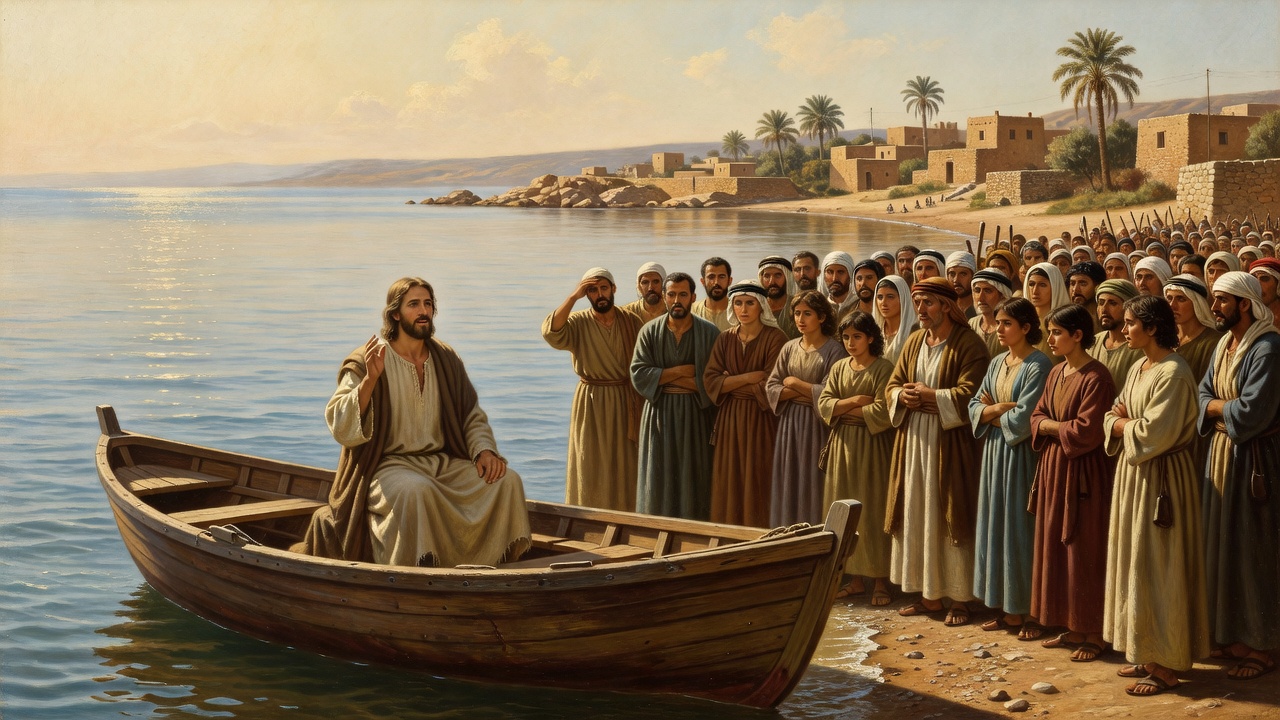
- Marcos 4 comienza con Jesús enseñando a una gran multitud desde una barca en el mar y termina con una violenta tormenta de viento sobre esas aguas. Una cronología del episodio fecha estas parábolas junto al mar y el milagro en un solo día del año 28 d. C.Fuentes: el propio texto bíblico · Seaside Parables and Miracle
- Al explicar lo del sembrador, Jesús dice que Satanás viene y quita la palabra sembrada junto al camino. El nombre Satanás significa adversario o acusador y, en el Nuevo Testamento, se usa de manera intercambiable con el diablo más de treinta veces.Fuentes: el propio texto bíblico · Satan
- Jesús dice que el reino de Dios es como la semilla que brota y crece mientras el sembrador duerme y despierta, aunque no sabe cómo: la tierra produce la cosecha por sí sola, primero el tallo, luego la espiga y después el grano que madura. También lo compara con un grano de mostaza, la más pequeña de todas las semillas sembradas en la tierra, que llega a ser la mayor de todas las plantas del huerto, con las aves anidando a su sombra. No les decía nada a las multitudes sin una parábola, pero en privado se lo explicaba todo a sus propios discípulos.Fuentes: el propio texto bíblico
Notas escritas con ayuda de IA a partir de fuentes abiertas (Theographic Bible Metadata, CC BY-SA 4.0; Easton’s Bible Dictionary, dominio público) y revisadas antes de publicarse.
Créditos y licencia de esta traducción
Boga New Testament Portion
Portions of the New Testament in the Boga language of Nigeria
copyright © 2023 The Seed Company in collaboration with Language Developecs and Bible Translators Association
Language: (Boga)
Contributor: Language Developers and Bible Translators
This translation is made available to you under the terms of the
Creative Commons Attribution Share-Alike license 4.0.
You have permission to share and redistribute this Bible translation in any format and to make reasonable revisions and adaptations of this translation, provided that:
You include the above copyright and source information.
If you make any changes to the text, you must indicate that you did so in a way that makes it clear that the original licensor is not necessarily endorsing your changes.
If you redistribute this text, you must distribute your contributions under the same license as the original.
Pictures included with Scriptures and other documents on this site are licensed just for use with those Scriptures and documents.
For other uses, please contact the respective copyright owners.
Note that in addition to the rules above, revising and adapting God's Word involves a great responsibility to be true to God's Word. See Revelation 22:18-19.
2025-07-02
Fuente: http://ebible.org/bvw/ · eBible.org