Romanos 5
Luda yã takada kↄ̃n Bokobaru yão · Toca un versículo para ver sus referencias cruzadas.
Kɛna nna kↄ̃n Ludao
1Lán Ludaa tò yã bↄ̀wao nna nà à náanɛ kɛ̀ wée kɛɛ yãnzi, wá nnao sa wa Dii Yesu Kirisi gãzĩ. 2À náanɛkɛna guu wa zɛ́ è à gãzĩ wa gɛ̃ Luda gbɛ̃kɛɛ kɛ̀ wá kúo pì guu, ben wée pↄnnaa kɛɛ kↄ̃n Luda gakui kɛ̀ wá wɛ́ɛ dↄzio. 3Èe kɛ beee adoro, wée pↄnnaa kɛɛ kↄ̃n wa nawɛ̃akɛnao dↄ, zaakɛ wá dↄ̃ kɛ̀ nawɛ̃a è mↄ́ kↄ̃n mɛnao, 4mɛna è mↄ́ kↄ̃n dà maaao, dà maaa è mↄ́ kↄ̃n tãmaao, 5tãmaa sↄ̃ è wa nɛ́ro, zaakɛ Luda a yenzi dà wa nↄ̀sɛn a Ninii kɛ̀ à wa gbaa gãzĩ. 6Wa gbãasai guu Kirisi gà wamↄwa zaakɛrinↄ gɛ̃ɛ ũ gurↄↄ kɛ̀ Ludaa dìɛa. 7Gana gbɛ̃ maaa gɛ̃ɛ ũu aagaro. Ke gbɛ̃ke é we à ga gbɛ̃ maaa gɛ̃ɛ ũ gwɛɛ, 8ben Ludaa ↄ̀dↄawe dian á yewazi nà, zaakɛ wa durundekɛɛ guun Kirisi gà wa gɛ̃ɛ ũ. 9Lán yã bↄ̀wao nna nà sa à aru yãnzi, wa wa sina Luda pↄfɛ̃a à gãzĩ yã o dↄↄ́? 10Yã wá ĩi kↄ̃n Ludaomɛ, ben wa kɛo nna à Nɛ́ gana yãnzi. Lán wa kɛ Ludao nna nà sa, wa wa mìsina à kuuna wɛ̃̀ndio yãnzi yã o dↄↄ́? 11Èe kɛ kɛ̀kiimɛ adoro, wée pↄnnaa kɛɛ kↄ̃n Ludao dↄ wa Dii Yesu Kirisi kɛ̀ tò wa kɛo nnaa gãzĩ.
Kirisi yãlɛkↄ̃zina kↄ̃n Adamuo
12Gbɛ̃ mɛ̀n doo yãnzin durun gɛ̃̀ anduna guu, ben durun gaa ì. Lɛmɛ dↄ gaa kú baade píngia, kɛ̀ baade píngi durun kɛ̀ yãnzi. 13Durun kú anduna guu lɛ Musa doka kpɛ́ à mↄ́. Gurↄↄ kɛ̀ doka kuuro, Ludaa e durun yã daro, 14mↄde sɛna zaa Adamua ai à gàa pɛ́ Musaa ga kí blè baade píngia, baa gbɛ̃ kɛ̀ aↄ̃ↄe durun kɛ lán Adamu sãsãna bàroonↄ. Adamu nɛ́ gbɛ̃ kɛ̀ eé mↄ́ takamɛ.
15Mↄde ludangbaa é sí lɛ́kↄ̃zi kↄ̃n Adamu taarioro, zaakɛ lán gbɛ̃nↄ gà nà pari Adamu ado sãsãna yãnzi, Luda gbɛ̃kɛ kↄ̃n à gbaao kɛ̀ kà gbɛ̃nↄa pari Yesu Kirisi ado gbɛ̃kɛ yãnzi dɛ beeela. 16Ludangbaa é sí lɛ́kↄ̃zi kↄ̃n gbɛ̃ mɛ̀n do durun pìoro. Taari mɛ̀n doo pì bé à mↄ̀ kↄ̃n yãkpaɛkɛnao, ben yã vɛ̃̀ɛ gbɛ̃nteenↄa. Taarinↄ mↄ̀ kↄ̃n ludangbaao, ben yã bↄ̀ kↄ̃n gbɛ̃nↄ nna. 17Lán Adamu ado taari bé à tò gaa mↄ̀ à kí blè nà, Yesu Kirisi ado yã kɛ̀ à mↄ̀o bíta dɛ beeela. Beee yãnzi gbɛ̃ kɛ̀ Luda gbɛ̃kɛɛ kɛ̀ńnɛ, kɛ̀ à tò yã bↄ̀ńyo nna gbaa ũunↄ é kí ble wɛ̃̀ndi kɛ̀ è yãaroo guu. 18Beee yãnzi lán taari mɛ̀n doo pì tò yã vɛ̃̀ɛ bori píngia nà, lɛmɛ dↄ maakɛna mɛ̀n doo pì è tó bori píngi bↄ maa lɛ aↄ̃ wɛ̃̀ndi kɛ̀ è yãaroo e. 19Lán gbɛ̃ mɛ̀n do swãgbãaa bé à tò gbɛ̃nↄ gↄ̃̀ durundeenↄ ũ parii nà, lɛmɛ dↄ gbɛ̃ mɛ̀n do yãmana é tó gbɛ̃nↄ bↄ maa pari lɛ. 20Doka mↄ̀ lɛ taari e àgↄ̃ kaara yãnzimɛ, mↄde kɛ̀ durun kàara, Luda gbɛ̃kɛɛ kàara dɛ beeela. 21Lán durun kíblena mↄ̀ kↄ̃n gaao nà, lɛn dↄ Luda gbɛ̃kɛ kíblena è tó wà bↄ maa lɛ, wà wɛ̃̀ndi kɛ̀ è yãaroo e wa Dii Yesu Kirisi gãzĩ.
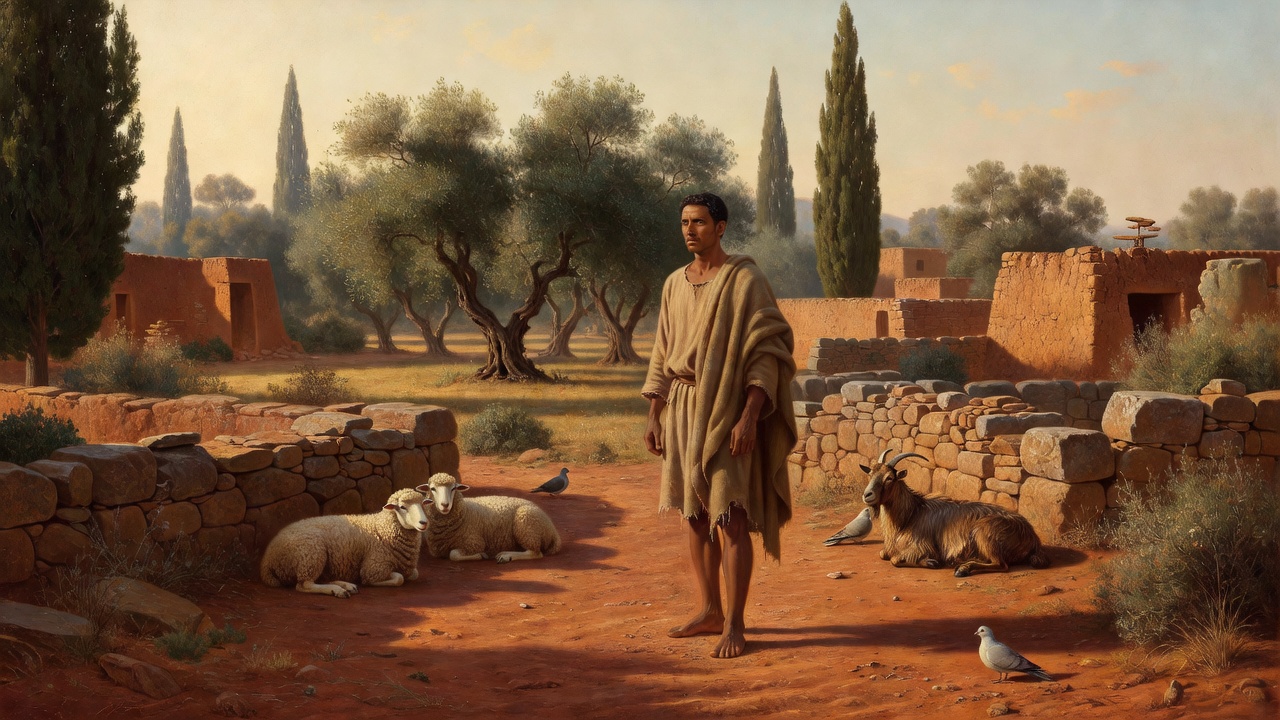
¿Sabías que…?
Adán, Cristo y el reinado de la gracia
- El hombre por medio del cual Romanos 5 dice que el pecado entró en el mundo, y la muerte por medio del pecado, es Adán. Una nota de referencia presenta Adán como una palabra babilónica que significa rojo, el nombre genérico del ser humano en hebreo y en asirio, y vincula ese nombre con el hecho de que fue formado del polvo de la tierra. El relato de su creación y de su caída está en el primer libro de Moisés.Fuentes: Adam · el propio texto bíblico
- Romanos 5 afirma que la muerte reinó desde Adán hasta Moisés, incluso sobre quienes no pecaron de la manera en que Adán transgredió. Dice también que el pecado ya estaba en el mundo antes de que se diera la ley, pero que el pecado no se toma en cuenta cuando no hay ley. Adán es llamado figura de aquel que había de venir.Fuentes: el propio texto bíblico
- El capítulo pone esa única transgresión junto al don que vino por la gracia de Jesucristo. El juicio tras un solo pecado trajo condenación, mientras que el don tras muchas transgresiones trajo justificación. La ley, dice el texto, entró para que la transgresión aumentara; sin embargo, donde el pecado aumentó, la gracia aumentó mucho más.Fuentes: el propio texto bíblico
Notas escritas con ayuda de IA a partir de fuentes abiertas (Theographic Bible Metadata, CC BY-SA 4.0; Easton’s Bible Dictionary, dominio público) y revisadas antes de publicarse.
Créditos y licencia de esta traducción
Luda yã takada kↄ̃n Bokobaru yão
The New Testament and portions of the Old Testament in the Bokobaru language of Nigeria
copyright © 2005 SIM International
Language: Bokobaru
Translation by: SIM
This translation text is made available to you under the
terms of the Creative Commons License: Attribution-Noncommercial-No Derivative Works.
( http://creativecommons.org/licenses/by-nc-nd/3.0/ )
In addition, you have permission to port the text to different file formats, as long as you
do not change any of the text or punctuation of the Bible.
You may share, copy, distribute, transmit, and extract portions
or quotations from this work, provided that you include the above copyright
information:
You must give Attribution to the work.
You do not sell this work for a profit.
You do not make any derivative works that change any of the actual words or punctuation of the Scriptures.
Permissions beyond the scope of this license may be
available if you contact
us with your request.
This translation is made available to you under the terms of the
Creative Commons Attribution-Noncommercial-No Derivatives license 4.0.
You may share and redistribute this Bible translation or extracts from it in any format, provided that:
You include the above copyright and source information.
You do not sell this work for a profit.
You do not change any of the words or punctuation of the Scriptures.
Pictures included with Scriptures and other documents on this site are licensed just for use with those Scriptures and documents.
For other uses, please contact the respective copyright owners.
2014-09-22
Fuente: http://ebible.org/bus/ · eBible.org