Jueces 13
Luda yã takada kↄ̃n Bokobaru yão · Toca un versículo para ver sus referencias cruzadas.
Samusĩ ina
1Isarailinↄ ɛ̀ara wà yã kɛ̀ Dii gìzi kɛ̀ dↄ, ben Dii ń ná Filisitininↄnɛ ń ↄzĩ ai wɛ̃̀ baplaa. 2Gↄ̃gbɛ̃ kee kú Zↄra, Dani boriimɛ, à tↄ́n Manↄa. À naↄ̃ nɛ́ pãaamɛ, èe nɛ́ iro. 3Dii Malaika bↄ̀ à mↄ̀ nↄgbɛ̃ pìzi à bè: Ǹ ma! Pãaan n ũ, nɛ́ɛ nɛ́ iro, mↄde nɛ́ nↄ̀ sí ǹ nɛ́ i gↄ̃gbɛ̃ ũ. 4Ǹ làakari kɛ! Ǹton geepiwɛ̃ɛ ke í gbãa ke miro. Ǹton tɛ̃̀ ke blero. 5Nɛ́ nↄ̀ sí ǹ nɛ́ i gↄ̃gbɛ̃ ũ. Gɛ̃ɛ tón na nɛ́ pì mìaro, zaakɛ eégↄ̃ dɛ Luda pↄ́ ũmɛ zaa a igurↄ. Àmbe eé na Isarailinↄ bↄnaa Filisitininↄ ↄzĩ.
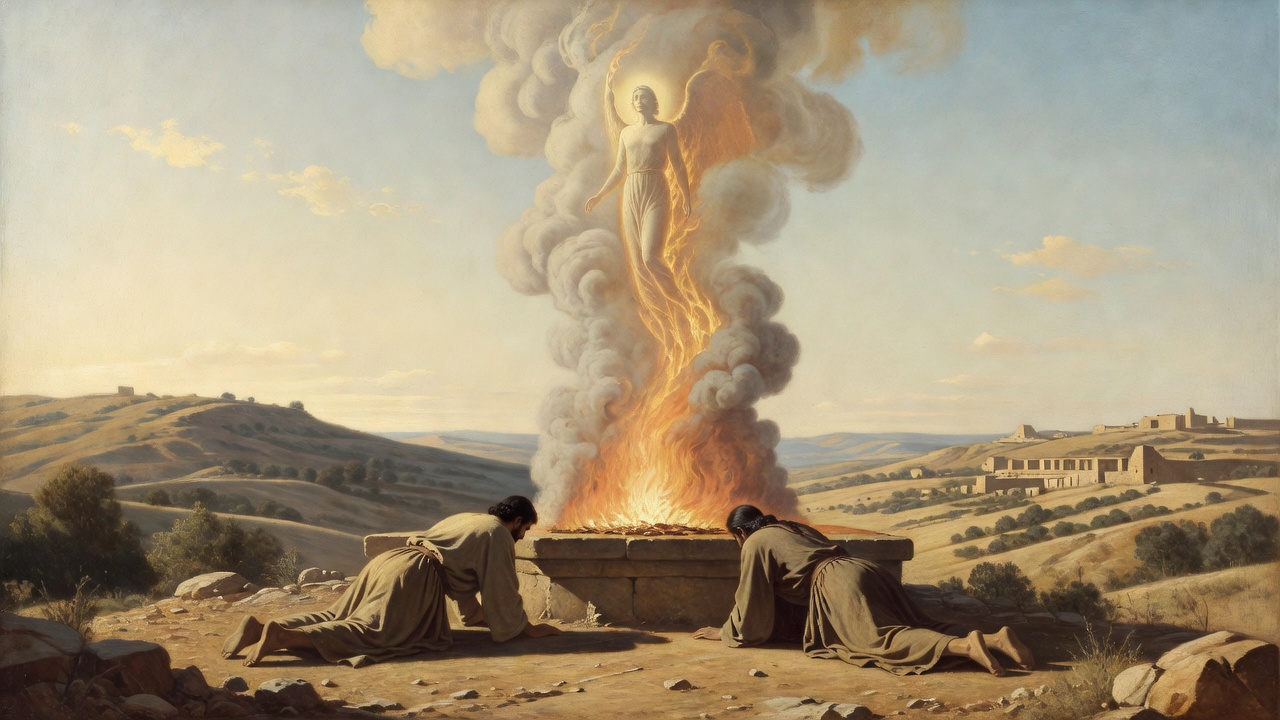
6Ben nↄgbɛ̃ pì gàa à ò a zãnɛ à bè: Luda gbɛ̃ke mↄ̀ ma kiia. Tó n à è, à dɛ lán Luda Malaika bà à naasi vĩ maamaa. Mɛ́ɛ à la tó mán à bↄ̀nlo, bensↄ̃ èe a tↄ́ omɛro. 7À bèmɛ mɛ́ nↄ̀ sí mà nɛ́ i gↄ̃gbɛ̃ ũ. À bèmɛ màton wɛ̃ɛ ke í gbãa ke miro, bensↄ̃ màton tɛ̃̀ ke blero, zaakɛ nɛ́ pì égↄ̃ dɛ Luda pↄ́ ũmɛ zaa a igurↄ ai à wɛ̃̀ndi lɛ́n. 8Ben Manↄa wɛ́ɛ kɛ̀ Diia à bè: N yã nna Dii! Ǹ tó gbɛ̃ kɛ̀ ń zĩ̀ ɛara à mↄ́ dↄ à yã kɛ̀ wé kɛ kↄ̃n nɛ́ pìo à ina gbɛraa dawe. 9Luda Manↄa yã mà, ben Luda Malaika pì ɛ̀ara à mↄ̀ nↄgbɛ̃ pìzi gurↄↄ kɛ̀ à kú bura. À zã Manↄa kúo gwero, 10ben à kɛ̀ kpaa à bàa lɛ̀ à gàa à ònɛ à bè: Gↄ̃gbɛ̃ kɛ̀ bↄ̀ à mↄ̀ mazi zĩ mↄ̀a kɛ̀ dↄee! 11Manↄa fɛ̀ɛ à tɛ̀ a naↄ̃zi. Kɛ̀ à kà gↄ̃gbɛ̃ pì kiia, à à là à bè: Ḿbe n yã ò ma naↄ̃oↄ́? À wèàla à bè: Mámbee! 12Ben Manↄa à là à bè: Tó n yã pì gàa à kɛ̀ lɛ, nɛ́ pì kuuna égↄ̃ dɛ diamɛ? Bↄ́ zĩin eégↄ̃ kɛɛ? 13Dii Malaika wèàla à bè: N naↄ̃ gↄ̃ yã kɛ̀ má ònɛ kũna píngi. 14Àton geepi lí pↄ́ke blero. Àton wɛ̃ɛ ke í gbãa ke miro. Àton tɛ̃̀ ke blero. Àgↄ̃ yã kɛ̀ má dìɛnɛ kũna píngi. 15Ben Manↄa bènɛ: N yã nna, ǹ zɛ gĩa ai wà blènɛ bↄ̀rↄ kɛkɛnnɛ. 16Dii Malaika wèàla à bè: Baa tó ma gↄ̃ kɛ̀, mɛ́ n pↄ́ke blero. Tó n sa'opↄ kɛ̀ wè ká tɛ́n à tɛ́ kũ soru kɛ̀, ǹ o Diia. Manↄa e dↄ̃ kɛ̀ Dii Malaikanlo, 17ben à à là à bè: N tↄ́n diaa? Tó yã kɛ̀ ń ò pì kɛ̀, wé sáabu kɛnnɛ. 18Dii Malaika wèàla à bè: Bↄ́yãnzin nɛ́ɛ ma tↄ́ gbekaazi? Tↄ́ bↄnsaɛmɛ. 19Ben Manↄa blènɛ bↄ̀rↄ kũ̀ à flawa sɛ̀ à Dii gbã̀gbão gbɛ̀ ke musu. Kɛ̀ Manↄa kↄ̃n a naↄ̃o wɛ́ɛ kà wèe gwaa, ben Dii yãbↄnsaɛ kɛ̀ 20à tò tɛ́ bↄ̀ sa'okii pìn à fɛ̀ɛ musu, ben Dii Malaika fɛ̀ɛ tɛ́nɛnɛ pì guu à tà musu. Kɛ̀ Manↄa kↄ̃n a naↄ̃o è lɛ, ben aↄ̃ dàɛ ń puua.
21Dii Malaika e gà à mↄ̀ Manↄa kↄ̃n a naↄ̃ozi dↄro, ben Manↄa dↄ̃̀ sa kɛ̀ Dii Malaikamɛ. 22Manↄa bè a naↄ̃nɛ: Wa gan gweee! Zaakɛ wa wɛ́ɛ sì Ludalɛ. 23Ben à naↄ̃ bènɛ: Tó Dii yezi à wa dɛmɛ, lɛ èe saa kɛ̀ wá òa kↄ̃n flawao síro, lɛ èe yã kɛ̀nↄ owero bensↄ̃ èe yã pì ↄdↄawero.
24Nↄgbɛ̃ pì nɛ́ ì gↄ̃gbɛ̃ ũ, ben à tↄ́ kpànɛ Samusĩ. Nɛ́ pì bíta kũ̀, bensↄ̃ Dii aubarika dàn. 25Dii Nini nà zĩkɛnaa à guu gurↄↄ kɛ̀ à kú Daninↄ bùran, Zↄra dagura kↄ̃n Ɛsɛtaoluo.
¿Sabías que…?
El nacimiento y la vocación de Sansón
- Sansón es la primera persona en las Escrituras descrita como nazareo desde el vientre materno. Aunque los votos según la ley de Moisés podían asumirse por un período temporal, el ángel ordenó que Sansón observara estas restricciones, entre ellas no consumir vino, evitar alimentos impuros y no cortarse el cabello, durante toda su vida.Fuentes: Samson · el propio texto bíblico
- El padre de Sansón, Manoa, pertenecía a la tribu de Dan y vivía en Zora, una ciudad en las colinas que dominaba el valle de Sorec. Junto con la vecina Estaol, Zora sirvió como un importante asentamiento danita durante un período de cuarenta años bajo el dominio de los filisteos.Fuentes: Manoah · Zorah · Eshtaol · el propio texto bíblico
- El capítulo concluye en Mahaneh-dan, nombre que significa el campamento de Dan, situado entre Zora y Estaol. Este sitio señala el lugar donde el Espíritu del Señor comenzó a manifestarse en Sansón durante su juventud.Fuentes: Mahaneh-dan · el propio texto bíblico
Notas escritas con ayuda de IA a partir de fuentes abiertas (Theographic Bible Metadata, CC BY-SA 4.0; Easton’s Bible Dictionary, dominio público) y revisadas antes de publicarse.
Créditos y licencia de esta traducción
Luda yã takada kↄ̃n Bokobaru yão
The New Testament and portions of the Old Testament in the Bokobaru language of Nigeria
copyright © 2005 SIM International
Language: Bokobaru
Translation by: SIM
This translation text is made available to you under the
terms of the Creative Commons License: Attribution-Noncommercial-No Derivative Works.
( http://creativecommons.org/licenses/by-nc-nd/3.0/ )
In addition, you have permission to port the text to different file formats, as long as you
do not change any of the text or punctuation of the Bible.
You may share, copy, distribute, transmit, and extract portions
or quotations from this work, provided that you include the above copyright
information:
You must give Attribution to the work.
You do not sell this work for a profit.
You do not make any derivative works that change any of the actual words or punctuation of the Scriptures.
Permissions beyond the scope of this license may be
available if you contact
us with your request.
This translation is made available to you under the terms of the
Creative Commons Attribution-Noncommercial-No Derivatives license 4.0.
You may share and redistribute this Bible translation or extracts from it in any format, provided that:
You include the above copyright and source information.
You do not sell this work for a profit.
You do not change any of the words or punctuation of the Scriptures.
Pictures included with Scriptures and other documents on this site are licensed just for use with those Scriptures and documents.
For other uses, please contact the respective copyright owners.
2014-09-22
Fuente: http://ebible.org/bus/ · eBible.org