Génesis 8
Luda yã takada kↄ̃n Bokobaru yão · Toca un versículo para ver sus referencias cruzadas.
Í gona andunala
1Nuu kↄ̃n nↄ̀bↄsɛ̃tɛnↄ kↄ̃n pↄ́kãdee kɛ̀ aↄ̃ↄ kúo góro guunↄ píngi yã dↄ̀ Ludan. Kɛ̀ à ĩa gbàrɛ tↄↄtɛa, ben í nà babanaa. 2Í kɛ̀ kú tↄↄtɛ gĩzĩnↄ kↄ̃n ludambɛ fòonↄ tàta, ben lou kɛ̃̀. 3Í pì e babaa busɛbusɛ èe lagoo ai gurↄ baswɛɛplaa akuri. 4À mↄ swɛɛplaade gurↄ gɛ̃ro awɛɛplaadee zĩ góro pì dì kpiii kɛ̀ wè be Ararataa. 5Í pì e lagoo ai mↄ kuridee guu. Mↄ kuridee pì gurↄ káaku zĩ kpiiinↄ mìsↄ̃ntɛ̃nↄ bↄ̀bↄ.
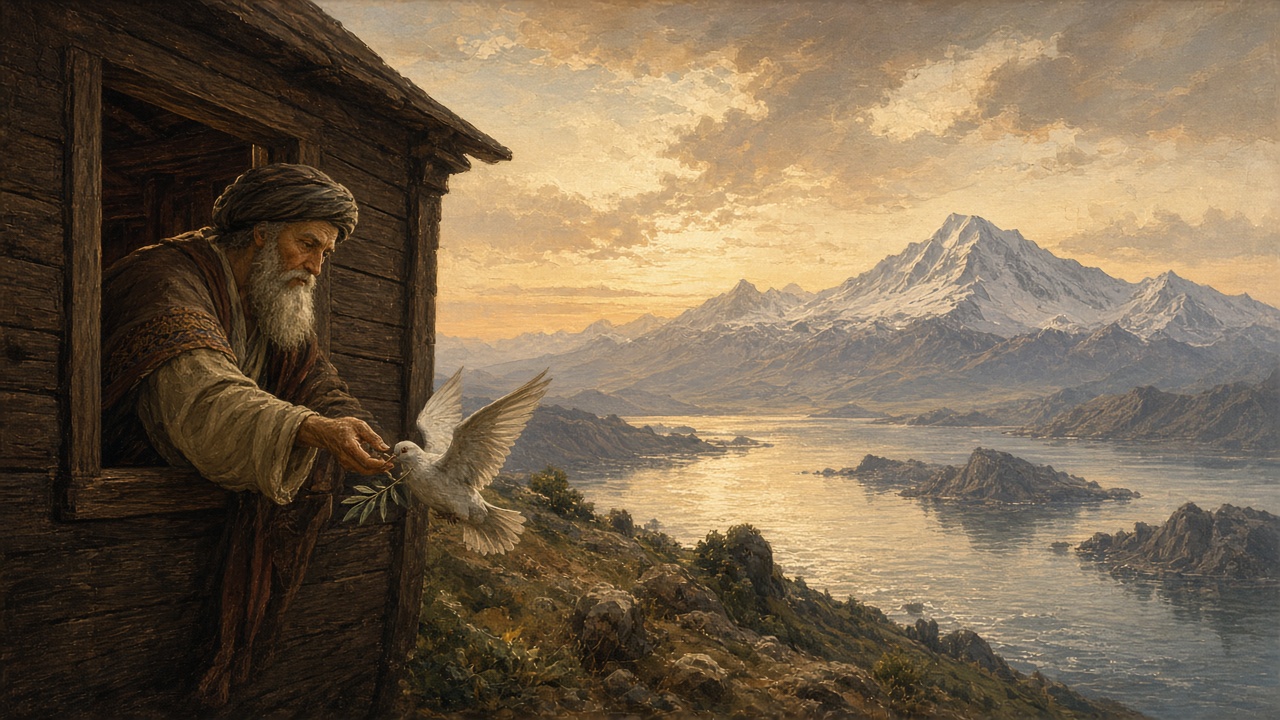
6Gurↄ baplaa gbɛra Nuu góro windo kɛ̀ à bↄ̀ yãa wɛ̃̀, 7ben à bã kãnkãna gbàrɛ. Èe vĩaa èe gaa èe suu ai í bàba tↄↄtɛa. 8À pↄ̃tɛ̃ɛ gbàrɛ dↄ lɛ à e à dↄ̃ tó í làgo tↄↄtɛa. 9Kɛ̀ pↄ̃tɛ̃ɛ e zↄ̃kii ero, ben a lìara à sù Nuu kiia góro guu, zaakɛ í da andunala píngimɛ. Nuu ↄↄ bↄ̀ à kũ̀ à gɛ̃̀o góro guu. 10À kámma bò ai gurↄ swɛɛplaa, ben à ɛ̀ara à pↄ̃tɛ̃ɛ gbàrɛ dↄ. 11Pↄ̃tɛ̃ɛ pì lìara à sù à kiia uusiɛ à kù lá kàso à kpá a lɛ́zĩ. Ben Nuu dↄ̃ kɛ í làgo tↄↄtɛa. 12À kámma bò gurↄ swɛɛplaa dↄ, ben à ɛ̀ara à pↄ̃tɛ̃ɛ pì gbàrɛ, èe liara à sù à kiia dↄro. 13Nuu wɛ̃̀ wàa aagↄ̃ awɛɛdodee guu à mↄ káaku gurↄ káaku zĩ, í bàba tↄↄtɛa, ben à góro pì musu gò. Kɛ̀ à guu gwà, à è í yã̀a tↄↄtɛa. 14À mↄ plaade gurↄ baaasↄↄro awɛɛplaadee zĩ í bàba tↄↄtɛa.
15Ben Luda yã ò Nuunɛ à bè: 16Ǹ bↄ góro guu kↄ̃n n naↄ̃o kↄ̃n n nɛ́gↄ̃gbɛ̃nↄ kↄ̃n ń naↄ̃ↄnↄo. 17Ǹ pↄ́ wɛ̃̀ndidee kɛ̀ aↄ̃ↄ kúnyonↄ bↄɛ píngi, bãanↄ kↄ̃n nↄ̀bↄnↄ kↄ̃n pↄ́taa'onkusɛanↄ píngi, lɛ aↄ̃ fãakↄ̃a tↄↄtɛa aↄ̃gↄ̃ nɛ́ ii aↄ̃gↄ̃ kaara anduna guu. 18Ben Nuu bↄ̀ kↄ̃n a nɛ́nↄ kↄ̃n a naↄ̃o kↄ̃n a nɛ́ pìnↄ naↄ̃ↄnↄo. 19Nↄ̀bↄnↄ píngi kↄ̃n pↄ́taa'onkusɛanↄ píngi kↄ̃n bãanↄ píngi kↄ̃n pↄ́ kɛ̀ aↄ̃è táa o tↄↄtɛanↄ píngi bↄ̀ɛ góro guu bori kↄ̃n boriio.
20Ben Nuu Dii gbãgbãkii bò. À nↄ̀bↄ kↄ̃n bãa kɛ̀ wè saa oonↄ kũ̀, ben à sa'opↄ kɛ̀ wè ká tɛ́n à tɛ́ kũ òa. 21Kɛ̀ Dii à gũu mà, à kɛ̀nɛ nna, ben à laasuu lɛ̀ à bè: Mɛ́ ɛara mà láari zĩ tↄↄtɛa gbɛ̃ntee yãnzi dↄro, zaakɛ gbɛ̃ntee laasuu ègↄ̃ zaa zaa à ↄ̀wazikɛgurↄmɛ. Mɛ́ ɛara mà pↄ́ wɛ̃̀ndideenↄ kaatɛ lán má kɛ̀ nà dↄro. 22Ai anduna gá àgↄ̃ kuuo pↄ́tↄ̃na kↄ̃n pↄ́kɛkɛnao, ĩa kↄ̃n guwãaao, buusiɛ kↄ̃n kwɛɛo, fãantɛ̃ kↄ̃n gwãavĩo, aↄ̃ ke é yãaro.
¿Sabías que…?
Las aguas retroceden
- El arca se detuvo sobre los montes de Ararat, nombre que significa “tierra sagrada” o “tierra alta” y designa un país en cuyas montañas el arca reposó después del diluvio. El Easton's Bible Dictionary (1897) sugiere que esos montes eran, probablemente, la cordillera kurda del sur de Armenia, aunque el nombre también se aplica comúnmente a un pico alto y casi inaccesible que se alza desde la llanura del Araxes. En 2 Reyes 19:37 e Isaías 37:38, la Authorized Version traduce el nombre como “Armenia” y la Revised Version como “tierra de Ararat”, mientras que Jeremías 51:27 lo usa para la Armenia central o meridional.Fuentes: Ararat · el propio texto bíblico
- El nombre hebreo de Noé significa “descanso”, y en este capítulo la propia arca llega a reposar mientras bajan las aguas. Era hijo de Lamec y nieto de Matusalén, y padre de Sem, Cam y Jafet. El Easton's Bible Dictionary lo describe como el vínculo entre el mundo antiguo y el nuevo, y como un segundo gran progenitor de la familia humana.Fuentes: Noah · el propio texto bíblico
- Unas notas cronológicas sitúan el Gran Diluvio en 2347 a. C., con una duración de un año; el descenso de las aguas en 2346 a. C., a lo largo de 220 días; y la salida del arca en 2346 a. C., en un solo día. En el propio capítulo, las aguas ya han bajado después de 150 días y el arca reposa el día diecisiete del mes séptimo; el día primero del mes primero del año seiscientos uno de Noé las aguas se han secado, y para el día veintisiete del mes segundo la tierra está completamente seca.Fuentes: The Great Flood · The flood subsides · Leaving the Ark · el propio texto bíblico
Notas escritas con ayuda de IA a partir de fuentes abiertas (Theographic Bible Metadata, CC BY-SA 4.0; Easton’s Bible Dictionary, dominio público) y revisadas antes de publicarse.
Lugares de este capítulo
- Ararat · Hoy: Urartu · 39.703, 44.300 · versículo 4
Solo aparecen lugares identificados con alta confianza (90 % o más según las fuentes académicas reunidas por OpenBible). Mapa de la época: DARE (Digital Atlas of the Roman Empire), CC BY 4.0; mapa actual: © colaboradores de OpenStreetMap; lugares: OpenBible.info (CC BY 4.0).
Créditos y licencia de esta traducción
Luda yã takada kↄ̃n Bokobaru yão
The New Testament and portions of the Old Testament in the Bokobaru language of Nigeria
copyright © 2005 SIM International
Language: Bokobaru
Translation by: SIM
This translation text is made available to you under the
terms of the Creative Commons License: Attribution-Noncommercial-No Derivative Works.
( http://creativecommons.org/licenses/by-nc-nd/3.0/ )
In addition, you have permission to port the text to different file formats, as long as you
do not change any of the text or punctuation of the Bible.
You may share, copy, distribute, transmit, and extract portions
or quotations from this work, provided that you include the above copyright
information:
You must give Attribution to the work.
You do not sell this work for a profit.
You do not make any derivative works that change any of the actual words or punctuation of the Scriptures.
Permissions beyond the scope of this license may be
available if you contact
us with your request.
This translation is made available to you under the terms of the
Creative Commons Attribution-Noncommercial-No Derivatives license 4.0.
You may share and redistribute this Bible translation or extracts from it in any format, provided that:
You include the above copyright and source information.
You do not sell this work for a profit.
You do not change any of the words or punctuation of the Scriptures.
Pictures included with Scriptures and other documents on this site are licensed just for use with those Scriptures and documents.
For other uses, please contact the respective copyright owners.
2014-09-22
Fuente: http://ebible.org/bus/ · eBible.org