Génesis 4
Luda yã takada kↄ̃n Bokobaru yão · Toca un versículo para ver sus referencias cruzadas.
Kaini kↄ̃n Abilao
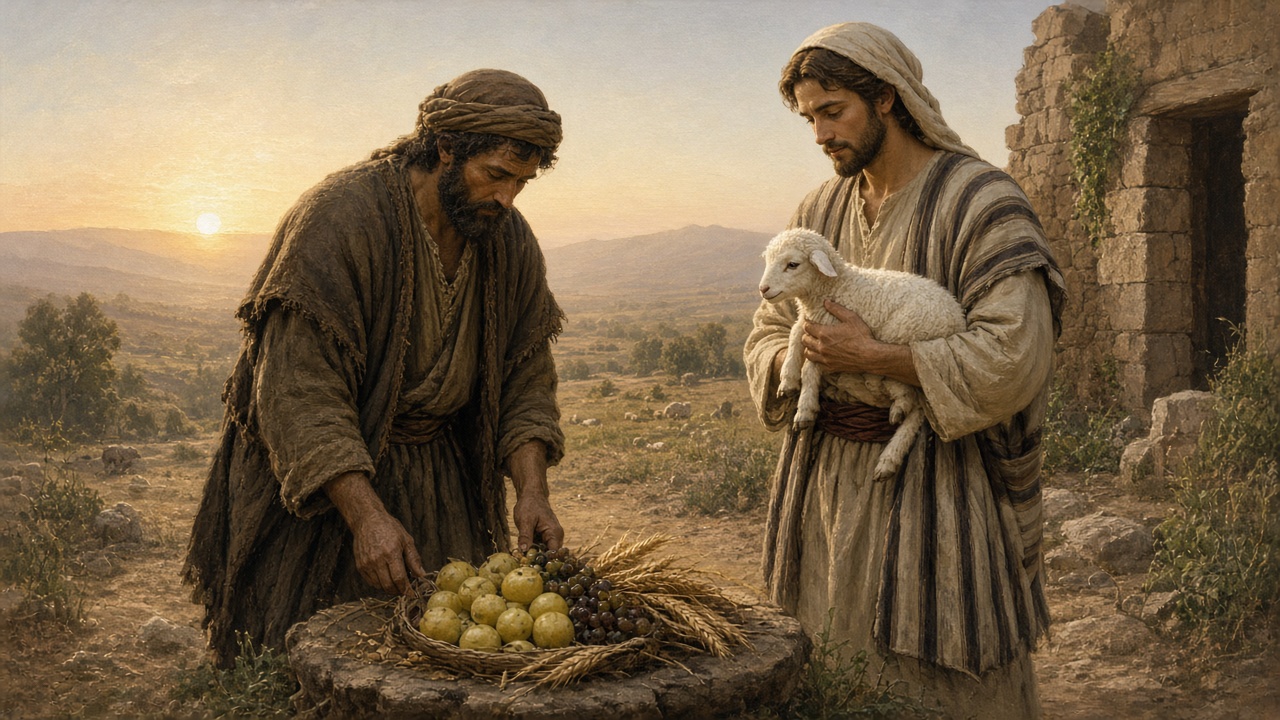
1Adamu a naↄ̃ Awau dↄ̃̀ nↄgbɛ̃ ũ, ben à nↄ̀ sì à Kaini ì. Ben à bè: Ma gↄ̃gbɛ̃ ì kↄ̃n Dii gbãaao. 2Ben à à dãaro Abila ì dↄ. Abila kɛ̀ sãdãri ũ, Kaini sↄ̃ kɛ̀ búbari ũ. 3Zĩkea Kaini mↄ̀ kↄ̃n a bura pↄ́nↄo gbaa ũ Diinɛ. 4Abila sↄ̃ mↄ̀ kↄ̃n a sãnɛ káaku mɛ̀kpanao. Abila yã kà Diinɛ, ben à à gbaa sì. 5Kaini sↄ̃ yã e ká Diinɛro, ben èe à gba síro. Ben Kaini pↄ fɛ̃̀ maamaa à uu yàkↄ̃tɛ. 6Ben Dii bè Kaininɛ: Bↄ́yãnzi n pↄ fɛ̃̀zi? À kɛ̀ dia n uu yàkↄ̃tɛɛ? 7Tó n yã maaa kɛ̀, mɛ́ n síroo? Tó nɛ́ɛ yã maaa kɛ sↄ̃ro, durun naɛnnɛ n kpɛɛlɛ. N nii e à dɛɛ, séde ǹ zĩ̀ blea.
8Ben Kaini bè a dãaro Abilanɛ: Wà gá sɛ̃̀n. Kɛ̀ aↄ̃ kà gwe, ben à fɛ̀ɛ a dãarozi à à dɛ̀. 9Dii Kaini là à bè: Mán n dãaro Abila kún? À wèàla à bè: Má dↄ̃ro. Ma dãaro dãkparin ma ũↄ́? 10Ben Dii bè: Bↄ ń kɛ̀? N dãaro aru e lɛ́ zuumazi zaa tↄↄtɛ. 11Tia sa nɛ́gↄ̃ láari pↄ́ ũmɛ, nɛ́gↄ̃ zã̀ kↄ̃n tↄↄtɛ kɛ̀ n dãaro aru mì n ↄzĩo. 12Tó n bú bà, tↄↄtɛ é àre kɛnnɛro. Nɛ́gↄ̃ sↄ̃ki kpákpaa ǹgↄ̃ likↄ̃aa zↄ̃ↄ anduna guu. 13Ben Kaini bè Diinɛ: Ĩadamma beee gbãa dɛmala, mɛ́ fↄ̃ro. 14Nɛ́ɛ pɛɛma tↄↄtɛ kɛ̀a gbã̀amɛ sa. Mɛ́ kɛ̃kↄ̃anyo sa. Mɛ́gↄ̃ sↄ̃ki kpákpaa màgↄ̃ likↄ̃aa zↄ̃ↄ anduna guu, gbɛ̃ kɛ̀ kpàkũmao é ma dɛ. 15Ben Dii bènɛ: Lɛnlo! Tó gbɛ̃ n dɛ, weé gɛ̃ɛ bonnɛ gɛ̃̀n swɛɛplaamɛ. Ben Dii wɛ̃zã ke kɛ̀ Kainia, lɛ gbɛ̃ kɛ̀ kpàkũo tón à dɛro yãnzi. 16Ben Kaini dà zɛ́n à kɛ̃̀ Diia. À gàa à vɛ̃̀ɛ Nↄdu bùsun Ɛdɛni ↄfãntɛ̃bↄɛ kpa.
17Kaini dàɛ kↄ̃n a naↄ̃o, ben à nↄ̀ sì à Ɛnↄku ì. À gbɛra Kaini wɛ́tɛ kàɛ, ben à a nɛ́ pì tↄ́ kpà wɛ́tɛ pìnɛ. 18Ɛnↄku Irada ì, Irada Mɛuyaɛli ì, Mɛuyaɛli Mɛtusaɛli ì, Mɛtusaɛli Lamɛki ì. 19Lamɛki nↄↄ sɛ̀ mɛ̀n plaa, à doo tↄ́n Ada, à doo sↄ̃ Zila. 20Ada Yabala ì. Àmbe pↄ́dãri kɛ̀ aↄ̃ègↄ̃ kú bisakutaa guunↄ dezi káaku ũ. 21À dãaro tↄ́n Yubala. Àmbe mↄrↄlɛrinↄ kↄ̃n kurepɛrinↄ dezi káaku ũ. 22Zila sↄ̃ bé à Tubala Kaini ì. Sian à ũ. È pↄ́ píngi pi kↄ̃n mↄ̀sio kↄ̃n mↄ̀gotɛ̃o. À dãre tↄ́n Naama. 23Ben Lamɛki bè a naↄ̃ↄnↄnɛ:
Ada kↄ̃n Zilao, à ma yã ma,
ma naↄ̃nↄ, à swã kpá ma yãzi.
Gbɛ̃ke ma kɛ̃nna, ben ma à dɛ̀,
gↄ̃kparɛ pì ma lɛmɛ, ben ma à kàatɛ.
24Tó weé Kaini gɛ̃ɛ bonɛ gɛ̃̀n swɛɛplaa,
mamↄma Lamɛki ma pↄ́ sↄ̃,
gɛ̃̀n baaagↄ̃ akuri awɛɛswɛɛplaamɛ.
25Adamu dàɛ kↄ̃n a naↄ̃o dↄ, ben à nɛ́gↄ̃gbɛ̃ ì. À tↄ́ kpànɛ Sɛti à bè, Luda a gba nɛ́ pãnde Abila kɛ̀ Kaini dɛ̀ gɛ̃ɛ ũmɛ. 26Sɛti sↄ̃ nɛ́gↄ̃gbɛ̃ ì, ben à tↄ́ kpànɛ Ɛnↄsu. Zaa zĩ beeean wà nà Dii sísinaa.
¿Sabías que…?
Caín, Abel y la vida al este del Edén
- El nombre hebreo de Abel significa “soplo” o “vanidad”. Él cuidaba ovejas, mientras su hermano Caín labraba el suelo: Abel llevó las mejores porciones de los primogénitos de su rebaño, y Caín llevó fruto del suelo. El Diccionario Bíblico de Easton (1897) lee la frase “en el transcurso del tiempo” (al margen, “al fin de los días”) como probable referencia al sábado.Fuentes: Abel · Cain · el propio texto bíblico
- Tras la muerte de Abel, Caín se estableció en la tierra de Nod, al este del Edén, nombre que significa exilio, vagabundeo o inquietud. Allí construyó una ciudad y la llamó como su hijo Enoc. El Diccionario Bíblico de Easton señala que esta es la primera ciudad mencionada en las Escrituras.Fuentes: Nod · Enoch (son of Cain) · el propio texto bíblico
- Lamec, quinto en la descendencia de Caín, se casó con dos mujeres, Ada y Zila. El Diccionario Bíblico de Easton llama a las palabras que les dirigió el único ejemplo conservado de poesía antediluviana, a veces conocido como “canto de la espada de Lamec”. Sus hijos se vinculan con modos de vida antiguos: Jabal, con las tiendas y el ganado; Jubal, con el arpa y la flauta; y Tubal-caín, con la forja del bronce y del hierro.Fuentes: Lamech (descendant of Cain) · Adah (wife of Lamech) · Zillah · el propio texto bíblico
Notas escritas con ayuda de IA a partir de fuentes abiertas (Theographic Bible Metadata, CC BY-SA 4.0; Easton’s Bible Dictionary, dominio público) y revisadas antes de publicarse.
Créditos y licencia de esta traducción
Luda yã takada kↄ̃n Bokobaru yão
The New Testament and portions of the Old Testament in the Bokobaru language of Nigeria
copyright © 2005 SIM International
Language: Bokobaru
Translation by: SIM
This translation text is made available to you under the
terms of the Creative Commons License: Attribution-Noncommercial-No Derivative Works.
( http://creativecommons.org/licenses/by-nc-nd/3.0/ )
In addition, you have permission to port the text to different file formats, as long as you
do not change any of the text or punctuation of the Bible.
You may share, copy, distribute, transmit, and extract portions
or quotations from this work, provided that you include the above copyright
information:
You must give Attribution to the work.
You do not sell this work for a profit.
You do not make any derivative works that change any of the actual words or punctuation of the Scriptures.
Permissions beyond the scope of this license may be
available if you contact
us with your request.
This translation is made available to you under the terms of the
Creative Commons Attribution-Noncommercial-No Derivatives license 4.0.
You may share and redistribute this Bible translation or extracts from it in any format, provided that:
You include the above copyright and source information.
You do not sell this work for a profit.
You do not change any of the words or punctuation of the Scriptures.
Pictures included with Scriptures and other documents on this site are licensed just for use with those Scriptures and documents.
For other uses, please contact the respective copyright owners.
2014-09-22
Fuente: http://ebible.org/bus/ · eBible.org