Éxodo 8
Luda yã takada kↄ̃n Bokobaru yão · Toca un versículo para ver sus referencias cruzadas.
Blↄ̀nↄ dagulana
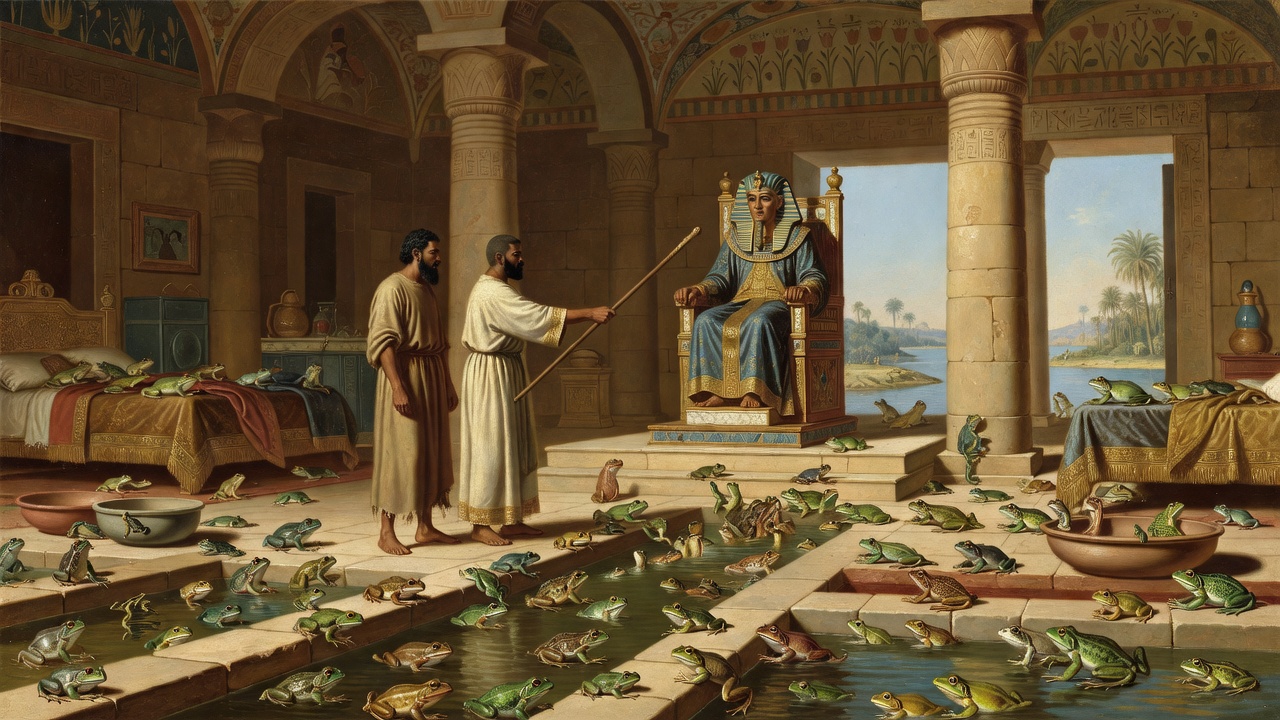
1Ben Dii bè Musanɛ: Ǹ gá ǹ o Fili'aunanɛ, mamↄma Dii ma bè à ma gbɛ̃nↄ gbarɛ aↄ̃ gá dↄnzi kɛmɛ. 2Tó à gì ń gbarɛzi sↄ̃, mɛ́ tó blↄ̀nↄ da à bùsu gu píngila. 3Blↄ̀nↄ é Nili pa ai aↄ̃ bikũ baa, aↄ̃é gɛ̃ à ua guu ai à kpɛ́n, aↄ̃é didi à gádoa. Aↄ̃é gɛ̃ à ìbanↄ uanↄ guu kↄ̃n à gbɛ̃nↄ uanↄ. Aↄ̃é ká à kĩinↄ kↄ̃n à gónↄ guu. 4Blↄ̀nↄ é didia kↄ̃n à gbɛ̃nↄ kↄ̃n à ìbanↄ ń píngi.
5Dii ɛ̀ara à bè Musanɛ: Ǹ o Arunanɛ à a gò sɛ́ à dↄ swaanↄla kↄ̃n swa'ↄnɛnↄ kↄ̃n íbↄkiinↄ, blↄ̀nↄ é da Igipiti bùsula. 6Kɛ̀ Aruna a gò dↄ̀ Igipiti ínↄla, ben blↄ̀nↄ bↄ̀ɛ wà dà bùsu pìla. 7Ben ɛ̃zɛ̃dee pìnↄↄ kɛ̀ lɛ se ń ɛ̃zɛ̃dekɛɛ guu, aↄ̃ↄ tò blↄ̀nↄ dà Igipitila.
8Ben Fili'auna Musa kↄ̃n Arunao sìsi à bè: À agbaa kpá Diinɛ à blↄ̀nↄ kɛ̃ma kↄ̃n ma gbɛ̃nↄ, mɛ́ a gbɛ̃nↄ gbarɛ aↄ̃ gá saa oa. 9Ben Musa bè Fili'aunanɛ: Ǹ gurↄↄ diɛmɛ mà agbaa kpánnɛ Diinɛ kↄ̃n n ìbanↄ kↄ̃n n gbɛ̃nↄ, lɛ à blↄ̀nↄ kɛ̃mma kↄ̃n n uanↄ aↄ̃égↄ̃ kú swaazi ado. 10Fili'auna bè: Zia. Ben Musa bè: Eé kɛ lán ń ò nà lɛ ǹgↄ̃ dↄ̃ kɛ̀ gbɛ̃kee dɛ lán Dii wa Luda bàro. 11Blↄ̀nↄ é kɛ̃mma kↄ̃n n uanↄ kↄ̃n n ìbanↄ kↄ̃n n gbɛ̃nↄ aↄ̃égↄ̃ kú swaazi ado.
12Kɛ̀ Musa kↄ̃n Arunao gù Fili'auna kiia, Musa wɛ́ɛ kɛ̀ Diia blↄ̀ kɛ̀ aↄ̃ dà Fili'aunalaanↄ yã musu. 13Dii Musa wɛ́ɛkɛɛ sì, ben blↄ̀nↄ gàga kpɛ́nↄ guu kↄ̃n uanↄ kↄ̃n buraanↄ. 14Wà ń kákakↄ̃a, ben bùsu gũu sↄ̃̀ píngi. 15Kɛ̀ Fili'auna è à kɛ̀ sã̀ↄ, à swã kpɛ́ gbãa, ben à gì Musa kↄ̃n Arunao yã mazi lán Dii ò nà.
Gãi dagulana
16Dii bè Musanɛ: Ǹ o Arunanɛ à a gò sɛ́, à tↄↄtɛ lɛ́o, bùsuti é li gãi ũ Igipiti gu píngia. 17Ben aↄ̃ↄ kɛ̀ lɛ. Aruna a gò sɛ̀ à tↄↄtɛ lɛ̀o, ben bùsuti lì gãinↄ ũ, aↄ̃ dà gbɛ̃nteenↄla kↄ̃n nↄ̀bↄnↄ. Igipiti bùsuti lì gãinↄ ũ píngi. 18Ɛ̃zɛ̃deenↄↄ yↄ̃̀ wà gwà se ń ɛ̃zɛ̃dekɛɛ guu, ben aↄ̃ fùa. Gãinↄ dà gbɛ̃nteenↄla kↄ̃n nↄ̀bↄnↄ. 19Ben ɛ̃zɛ̃deenↄ bè Fili'aunanɛ: Luda ↄgbɛmɛ. Mↄde Fili'auna swã kpɛ́ gbãa, à gì ń yã mazi lán Dii ò nà.
Ifĩinↄ dagulana
20Dii bè Musanɛ: Ǹ fɛɛ kↄngↄ idɛ'idɛ ǹ gá ǹ Fili'auna le gurↄↄ kɛ̀ èe gaa swaazi, ǹ onɛ mamↄma Dii ma bè, à ma gbɛ̃nↄ gbarɛ aↄ̃ gá dↄnzi kɛmɛ. 21Tó à gì ń gbarɛzi, mɛ́ ifĩinↄ daàla kↄ̃n à ìbanↄ kↄ̃n à gbɛ̃nↄ kↄ̃n à kpɛ́nↄ. Igipiti kpɛ́nↄ é pa kↄ̃n ifĩinↄ, baa tↄↄtɛ aↄ̃é daàla. 22Gurↄ beeea mɛ́ Gosɛ̃ bùsu guu kɛ̀ ma gbɛ̃nↄↄ kún tó ado. Gwen ifĩinↄ é dan gularo, lɛ àgↄ̃ dↄ̃ kɛ̀ mámbe Dii ũ à bùsun. 23Mɛ́ ma gbɛ̃nↄ dↄ̃kↄ̃zi kↄ̃n à gbɛ̃nↄ. Zian sèeda pì é kɛ.
24Ben Dii kɛ̀ lɛ. Ifĩinↄ kà Fili'auna ua guu kↄ̃n à ìbanↄ uanↄ. Igipiti yàka píngi ifĩinↄ yãnzi. 25Ben Fili'auna Musa kↄ̃n Arunao sìsi à bè: À gá saa o a Ludaa bùsu kɛ̀n. 26Ben Musa bènɛ: Eé sí kɛ wà kɛ lɛro, zaakɛ pↄ́ kɛ̀ wé saa oo Dii wa Ludaa pì dɛ Igipitinↄnɛ tɛ̃̀ ũmɛ. Tó wa saa ò kↄ̃n pↄ́ kɛ̀ dɛńnɛ tɛ̃̀ ũuo ń wáa, aↄ̃é wa pápa gbɛ̀o wà wa dɛdɛroo? 27Wé táa o gbáan gurↄ aagↄ̃mɛ, wé gbasa wà saa o Dii wa Ludaa lán à òwe nà. 28Ben Fili'auna bè: Mɛ́ a gbarɛ à gá saa o Dii a Ludaa gbáan, mↄde àton gá zã̀ro. À agbaa kpanɛmɛ sa. 29Musa bènɛ: Tó ma ta, mɛ́ agbaa kpánɛ, eé ifĩinↄ kɛ̃mma zia kↄ̃n n ìbanↄ kↄ̃n n gbɛ̃nↄ. Mↄde ǹton mↄnafiki kɛ dↄro. Ǹ tó gbɛ̃nↄ gá saa o Diia. 30Kɛ̀ Musa bↄ̀ Fili'auna kiia, à agbaa kpànɛ Diinɛ. 31Dii à wɛ́ɛkɛɛ sì, ben ifĩinↄ kɛ̃̀ Fili'aunaa kↄ̃n a ìbanↄ kↄ̃n a gbɛ̃nↄ. Èe gↄ̃ gukearo, baa mɛ̀n do. 32Mↄde Fili'auna swã kpɛ́ gbãa ai tia, à gì ń gbarɛzi.
¿Sabías que…?
Tres plagas sobre Egipto
- Las ranas de este capítulo suben del Nilo, un nombre que el Antiguo Testamento no usa. El Easton's Bible Dictionary dice que el río aparece como Sihor, “la corriente negra”, o simplemente “el río”, y que el Nilo Blanco y el Nilo Azul se unen en Jartum, luego recorren 1.800 millas y entran al Mediterráneo por dos brazos. Aarón extiende su vara sobre los ríos, los canales y los estanques, y las ranas cubren la tierra de Egipto.Fuentes: Nile · el propio texto bíblico
- Cuando las moscas llenan las casas de los egipcios y arruinan la tierra, el capítulo dice que no se hallará ninguna en Gosén, donde viven los israelitas, como distinción entre los dos pueblos. El Easton's Bible Dictionary describe Gosén como un distrito al este del Nilo, al parecer no lejos de la residencia real, llamado también tierra de Ramsés porque Pitom y Ramsés quedaban dentro de sus límites, y también vincula el distrito con Zoán, o Tanis. La misma entrada la llama “lo mejor de la tierra”.Fuentes: Goshen · el propio texto bíblico
- Moisés y Aarón hablan con el faraón en persona. El Easton's Bible Dictionary (1897) sitúa al faraón del Éxodo en Zoán, escenario de las entrevistas con ellos registradas en Éxodo, pero deja su identidad como una cuestión abierta entre Menephtah, llamado allí el decimocuarto y mayor hijo sobreviviente de Ramsés II, y Seti II, y añade que algunos creen que las evidencias favorecen a Seti II.Fuentes: Pharaoh (of the Exodus) · el propio texto bíblico
Notas escritas con ayuda de IA a partir de fuentes abiertas (Theographic Bible Metadata, CC BY-SA 4.0; Easton’s Bible Dictionary, dominio público) y revisadas antes de publicarse.
Lugares de este capítulo
- Nile · Hoy: Nile River · 31.465, 30.367 · versículos 3, 9, 11
- Egypt · 30.129, 31.308 · versículos 5, 6, 7, 16, 17, 21, 24
- Goshen · Hoy: Goshen 1 · 30.799, 31.834 · versículo 22
Solo aparecen lugares identificados con alta confianza (90 % o más según las fuentes académicas reunidas por OpenBible). Mapa de la época: DARE (Digital Atlas of the Roman Empire), CC BY 4.0; mapa actual: © colaboradores de OpenStreetMap; lugares: OpenBible.info (CC BY 4.0).
Créditos y licencia de esta traducción
Luda yã takada kↄ̃n Bokobaru yão
The New Testament and portions of the Old Testament in the Bokobaru language of Nigeria
copyright © 2005 SIM International
Language: Bokobaru
Translation by: SIM
This translation text is made available to you under the
terms of the Creative Commons License: Attribution-Noncommercial-No Derivative Works.
( http://creativecommons.org/licenses/by-nc-nd/3.0/ )
In addition, you have permission to port the text to different file formats, as long as you
do not change any of the text or punctuation of the Bible.
You may share, copy, distribute, transmit, and extract portions
or quotations from this work, provided that you include the above copyright
information:
You must give Attribution to the work.
You do not sell this work for a profit.
You do not make any derivative works that change any of the actual words or punctuation of the Scriptures.
Permissions beyond the scope of this license may be
available if you contact
us with your request.
This translation is made available to you under the terms of the
Creative Commons Attribution-Noncommercial-No Derivatives license 4.0.
You may share and redistribute this Bible translation or extracts from it in any format, provided that:
You include the above copyright and source information.
You do not sell this work for a profit.
You do not change any of the words or punctuation of the Scriptures.
Pictures included with Scriptures and other documents on this site are licensed just for use with those Scriptures and documents.
For other uses, please contact the respective copyright owners.
2014-09-22
Fuente: http://ebible.org/bus/ · eBible.org