Éxodo 2
Luda yã takada kↄ̃n Bokobaru yão · Toca un versículo para ver sus referencias cruzadas.
Musa ina
1Levi bori gↄ̃gbɛ̃ Levi bori nↄgbɛ̃ sɛ̀. 2Nↄↄ pì nↄ̀ sì à nɛ́ ì gↄ̃gbɛ̃ ũ. Kɛ̀ à è nɛ́ pì maa, ben à à ùtɛ mↄ aagↄ̃. 3Kɛ̀ èe fↄ̃ à à ùtɛ dↄro, à kɛbu gbíi sɛ̀ à kↄntaa lɛ̀a lɛ í tón gɛ̃ à guuro. Ben à nɛ́ pì dàn à gàa à dìɛ Nili í lɛ́a waa guu. 4Nɛ́ pì dãree zɛ kãaa èe gwaa yã kɛ̀ eé à le.
5Ben Fili'auna nɛ́nↄgbɛ̃ gàa zú o swaa pìzi, à gbɛ̃nↄↄ e lili oo swaa pì lɛ́a. À gbíi è diɛna waan, ben à a zↄ̀nↄkpare zĩ̀ à gàa à à sɛ̀. 6Kɛ̀ à wɛ̃̀, à nɛ́ è dan, èe ↄ́ↄ dↄↄ. À kɛ̀nɛ wɛ̃nda à bè: Eberu nɛ́gↄ̃gbɛ̃mɛ. 7Ben nɛ́ pì dãre mↄ̀ à bè Fili'auna nɛ́ pìnɛ: Ń yezi mà gá mà Eberu nↄgbɛ̃ sísinnɛ àgↄ̃ yↄ̃ kpaannɛ nɛ́ pìan yↄ́? 8À wèàla à bè: Ee, ǹ gá! Ben nɛ́nↄgbɛ̃ pì gàa à nɛ́ pì da sìsi. 9Fili'auna nɛ́nↄgbɛ̃ pì bènɛ: Ǹ nɛ́ pì sɛ́ ǹ táo ǹgↄ̃ à gwaamɛ, mɛ́gↄ̃ fĩa boonnɛ. Ben à nɛ́ pì sɛ̀ à tào, èe à gwaa. 10Kɛ̀ nɛ́ pì bíta kũ̀, à à sɛ̀ à gàao Fili'auna nɛ́nↄgbɛ̃ pìnɛ, ben à à sì a nɛ́ ũ. À tↄ́ kpànɛ Musa, zaakɛ à bè, a à bↄ̀ í guumɛ.
Musa bàa lɛ́ à tana Midiã bùsun
11Zĩkea kɛ̀ Musa kɛ̀ bíta, à gàa a bori Eberunↄ gwa, ben à zĩ gbãaa kɛ̀ aↄ̃ↄe kɛɛ è. À è Igipiti gbɛ̃ e a bori daa gbɛ̃ɛ. 12Kɛ̀ à guu gwàgwa, èe gbɛ̃ke ero, ben à Igipiti gbɛ̃ pì dɛ̀ à à ùtɛ bùsu'ãatɛ̃n.
13Kɛ̀ guu dↄ̀, à bↄ̀ à Eberunↄ è gↄ̃ↄn plaa, aↄ̃ↄe swèe kɛɛ. Ben à gbɛ̃ kɛ̀ à yã nnaroo là à bè: Bↄ́yãnzi nɛ́ɛ n gbɛ̃ndoo gbɛ̃ɛzi? 14À wèàla à bè: Dé bé à n diɛ kí yãgↄ̃gↄ̃ri ũwee? Ń yezi ǹ ma dɛ lán n Igipiti gbɛ̃ dɛ̀ nàn yↄ́? Ben vĩa Musa kũ̀ à bè: Wà yã kɛ̀ má kɛ̀ dↄ̃̀ fá!
15Kɛ̀ Fili'auna yã pì mà, èe wɛtɛɛ à Musa dɛ, ben à bàa lɛ̀nɛ à tà Midiã bùsun, ben à vɛ̃̀ɛ lↄ̀gↄ saɛ gwe. 16Midiã sa'ori nɛ́nↄgbɛ̃nↄ vĩ gↄ̃ↄn swɛɛplaa, ben aↄ̃ mↄ̀ wà í tↄ̀, aↄ̃ↄ kà pↄ́kãdeenↄ gbãngo ímikiin ń de pↄ́kãdeenↄnɛ. 17Kɛ̀ sãdãri kenↄ mↄ̀ aↄ̃ↄe pɛɛḿma, ben Musa fɛ̀ɛ à yã sìńyo, ben à í kpàńnɛ ń pↄ́kãdeenↄa. 18Kɛ̀ aↄ̃ tà ń de Ruɛli kiia, à ń lá à bè: À kɛ̀ dia a su idɛ lɛ gbã̀a? 19Aↄ̃ wèàla wà bè: Igipiti gↄ̃gbɛ̃ ke bé à wa si sãdãrinↄa. Àmbe se à í tↄ̀ à kpàwe wa pↄ́kãdeenↄa. 20Ben à ń lá à bè: Adee pì kú mámɛ? Bↄ́yãnzi a gↄ̃gbɛ̃ pì tò gwezi? À à sísi à mↄ́ à pↄ́ blewao. 21Musa mↄ̀, ben à wè à vɛ̃̀ɛ kↄ̃n gↄ̃gbɛ̃ pìo, ben gↄ̃gbɛ̃ pì a nɛ́nↄgbɛ̃ Zipora kpàa nↄↄ ũ. 22Ben Zipora nɛ́ ì gↄ̃gbɛ̃ ũ, ben Musa tↄ́ kpànɛ Gɛsↄmu, à bè: Gbɛ̃ zĩ̀tↄn ma ũ gbɛ̃ pãndenↄ bùsun kɛ̀.
23Kɛ̀ à gì kɛ̀, ben Igipiti kína gà. Isarailinↄↄ e mboo zↄ̀zĩi kɛ̀ aↄ̃ↄe kɛɛ yãnzi, aↄ̃ↄe wii lɛɛ, ben aↄ̃ wii pì Luda lè. 24À ń mbona mà, à bà kɛ̀ kú kↄ̃n Ibraĩo kↄ̃n Isaakuo kↄ̃n Yakubuo e sãnlo. 25Luda Isarailinↄ gwà, ben aↄ̃ kɛ̀nɛ wɛ̃nda.
¿Sabías que…?
El nacimiento y la huida de Moisés
- La hija del faraón le puso al niño el nombre de Moisés y explicó que lo había sacado del agua. El Diccionario Bíblico de Easton (1897) relaciona su nombre con “sacado”, o con la palabra egipcia mesu, “hijo”, el elemento a partir del cual el diccionario también explica Ramsés como “hijo real”.Fuentes: el propio texto bíblico · Moses
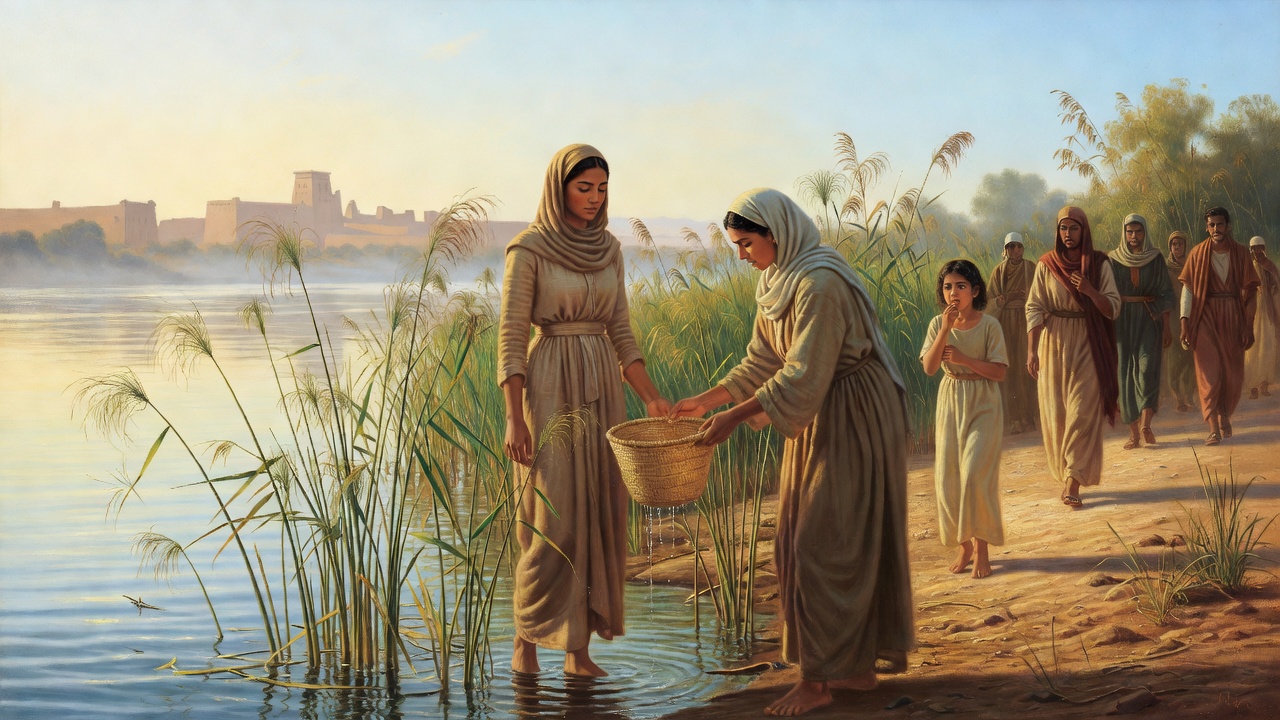
- En Éxodo 2, una hija de Leví esconde a su hijo durante tres meses, y la hija del faraón, al hallarlo entre los juncos del Nilo, reconoce a un niño hebreo. El Diccionario Bíblico de Easton (1897) vincula la aflicción de los israelitas con “el nuevo rey que no conocía a José”, durante mucho tiempo tenido por Aahmes I, llamado Amosis por Josefo, aunque el diccionario, citando descubrimientos entonces recientes, lo identifica como Seti. Su penuria, dice la obra, comenzó después de que los hicsos, dueños de Egipto durante unos cinco siglos, fueron expulsados y se restauró la antigua dinastía.Fuentes: el propio texto bíblico · Pharaoh
- Después de que el faraón buscó matarlo, Moisés huyó a Madián y se sentó junto a un pozo; más tarde se casó con Séfora, una de las siete hijas del sacerdote de Madián. Los madianitas eran árabes nómadas, descendientes de Madián, el cuarto hijo de Abraham con Cetura, y apacentaban sus rebaños en la península del Sinaí y en el desierto al norte de la península arábiga. En este capítulo el sacerdote se llama Reuel, a quien el Diccionario Bíblico de Easton (1897) llama Raguel, y considera esa forma su nombre personal y a Jetro —“excelencia”— un título oficial, si es que ambos se identifican.Fuentes: el propio texto bíblico · Midian · Midian · Jethro
Notas escritas con ayuda de IA a partir de fuentes abiertas (Theographic Bible Metadata, CC BY-SA 4.0; Easton’s Bible Dictionary, dominio público) y revisadas antes de publicarse.
Lugares de este capítulo
- Nile · Hoy: Nile River · 31.465, 30.367 · versículos 3, 5
- Midian · 28.495, 35.012 · versículos 15, 16
- Egypt · 30.129, 31.308 · versículo 23
Solo aparecen lugares identificados con alta confianza (90 % o más según las fuentes académicas reunidas por OpenBible). Mapa de la época: DARE (Digital Atlas of the Roman Empire), CC BY 4.0; mapa actual: © colaboradores de OpenStreetMap; lugares: OpenBible.info (CC BY 4.0).
Créditos y licencia de esta traducción
Luda yã takada kↄ̃n Bokobaru yão
The New Testament and portions of the Old Testament in the Bokobaru language of Nigeria
copyright © 2005 SIM International
Language: Bokobaru
Translation by: SIM
This translation text is made available to you under the
terms of the Creative Commons License: Attribution-Noncommercial-No Derivative Works.
( http://creativecommons.org/licenses/by-nc-nd/3.0/ )
In addition, you have permission to port the text to different file formats, as long as you
do not change any of the text or punctuation of the Bible.
You may share, copy, distribute, transmit, and extract portions
or quotations from this work, provided that you include the above copyright
information:
You must give Attribution to the work.
You do not sell this work for a profit.
You do not make any derivative works that change any of the actual words or punctuation of the Scriptures.
Permissions beyond the scope of this license may be
available if you contact
us with your request.
This translation is made available to you under the terms of the
Creative Commons Attribution-Noncommercial-No Derivatives license 4.0.
You may share and redistribute this Bible translation or extracts from it in any format, provided that:
You include the above copyright and source information.
You do not sell this work for a profit.
You do not change any of the words or punctuation of the Scriptures.
Pictures included with Scriptures and other documents on this site are licensed just for use with those Scriptures and documents.
For other uses, please contact the respective copyright owners.
2014-09-22
Fuente: http://ebible.org/bus/ · eBible.org