Lucas 15
Ammato Oɂusub · Toca un versículo para ver sus referencias cruzadas.
Baye kahelamero idaadokokki masuussa
1Arri too omooggan k'arat'a okukkuyisareenna c'ubbaaliyeel dubba Yesuusakko agaalssisikkeessa maalin usu tos kukkumeen. 2Ibaaddo kafarasaawinna seera kamuse oɂagaalssisaran, «Hikki ibaaddoti c'ubbaaliyeel k'op'atara, isonetana aamara» amaa gumggumeen. 3Yesuusana haa amaa hikka masuussa isoon segee.
4«Isin orrokko koowun idaad bool gogire usukkona koo gobaye, saagaalttamikko saagaal diidaa lugudigure kabayero taahelaroo dootayiin kanbeenoon ayyoyya? 5Kakkohelate gooratana geggelaataa haankkeessayi sidatere, 6Minkkeessa tos abbaabatara. Usu ogeelaatarona ollaatteessa raattoo uumegure, ‹Kabayero idaadokkee helayera inne wota geggelaayen› amara. 7Ani isinne haa amara, hikkamalee no c'ubbo lakkoɂabnno k'ullooleenna oɂamaraan saagalttamkko saagalkko c'ubbokko kagula galaro c'ubbaaleessa kooyi daruurii geggeloo oɂatii linnaraan.»
Tabaatette t'agaraakotti masuussa
8«Debeenna t'agaraa tomon taɂabanayite heleelttiti t'agaraa tomonkko too kakkobaatte goorata, taa helattoo dab hank'k'ayisatedde, min shakaarattedde, aaloo tadooton heleelttiti ayyotta? 9Kakkohelatte goorata ese ogeelaataraanna ollaattisenee raattoo uumattedde, ‹Tabatette t'agaraa ani helayera iinne wota geggelaayen› amatta. 10Ani haa amara, usumalee c'ubbokko kagula galaro c'ubbaalessaati kooyi erggichcha kawaayi horee geggeloo linnaraan» ame.
Baye kahelamero unnutikokki masuussa
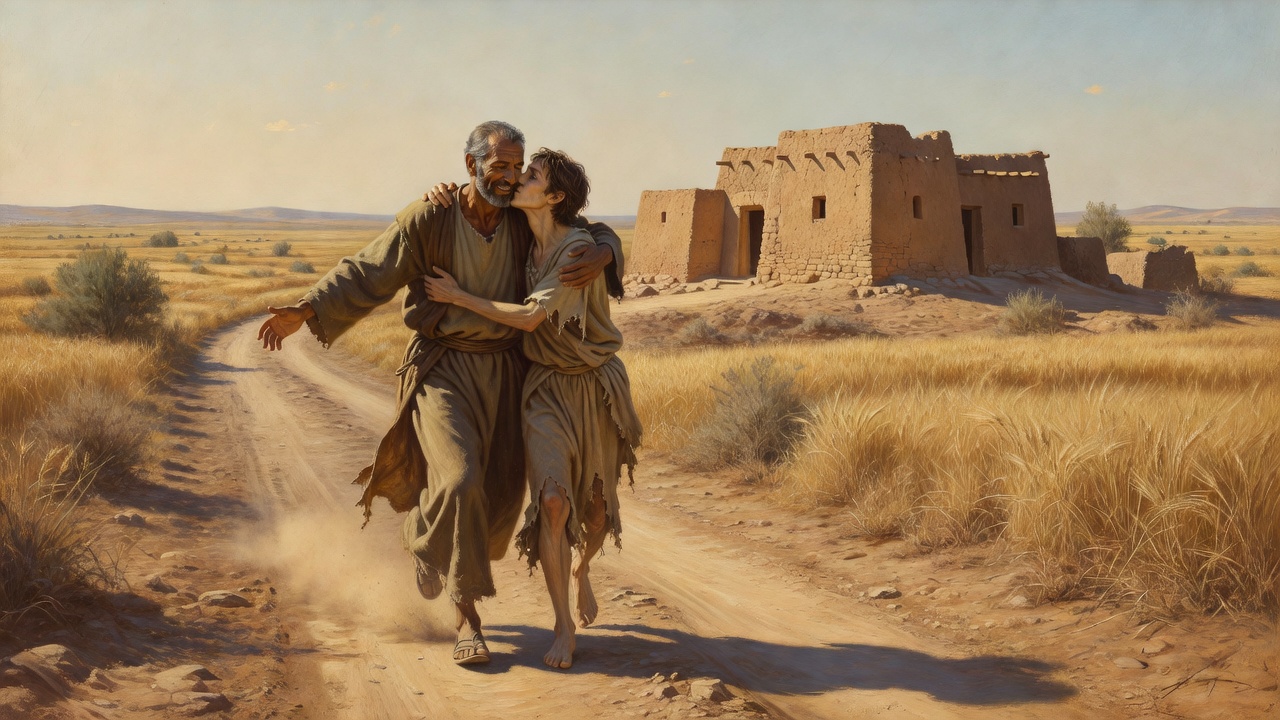
11Adena Yesuusa haa ame, «Ibaaddoti koowun yiis lama gire. 12Isokkona ere kic'c'ar Aabbokkeessane, ‹Aabbokkee, durummattaakko k'ooba iin sisi› ame. Aabbokkeessana durummatteessakko yiiskkeessawun hedeede.
13«Arri tanjiin haɂadallaannooni, ere kic'c'ar k'oobakkeessa dubba kukkuyisatere ul kaɂeer seete, eseenna goggogeelatee urrawoɂoottessa adda darɂaate. 14Usuna kaɂabo dubba kakkogussatare goorata, usu ul dubbaa kaɂatii uɂi lee, rakkatano haggaɂabe. 15Haanssun hassu ulkokki ibaaddoti koo tos gabbalame, ibaaddotina booyyee usu goggofoofiroo ira fare. 16Booyyeel kaɂaamaro dink'k'ena aamin halchchaa gire, ayesuun goɂameen hikka usuun kasisira ibaaddo koonna lakkogire.
17«Wodana usuun kakkoɂabbaabatte goorata ade haa ame, ‹Aabbokkeewuun kafelaro ibaaddo miyyaakko babo hese kamadarraamara? Ani ade hittanii uɂii goyin gabbalamera! 18Kiigure Aabbokkee, tos seeyire, haa aminara, Aabbokkee, Waayinna ku horee ani baasera. 19Goortta erekkaa amami uumamin lakkodootisaro. Minii hamas's'eeren ofelaraankko koo aani in tootiina aminara.› 20Haanssunna keegure Aabbokkeessa tos seete.
«Ayesuun goɂameen usu ganaa ebbaa giraan, Aabbokkeessa usu deegure nenɂeyisate, usu tonssa tiyaa seetegure kabalate abate anggate.
21«Unnuna, ‹Aabbokkee, Waayinna ku horee ani baasera, goortta erekkaa amami uumamin lakkodootisaro ame.›
22«Aabbokkeessana goɂameen usuun ohandaareenne haa ame, ‹Saama dubbaankkona kaɂidan kalleero sarssi keenaddeen usu sarssisa, feruun firaantta, lukuun keferroo tabsa. 23Kak'aabaan kurkkuraa kor keenaddeene enɂaa, aamina, geggelaanna. 24Hikki unnukki goyera ame ani gire, gidda goɂameen neefo helatera, baye gire, helamera.› Esekko geggelaatano haggaɂabeen.
25«Usu goorata ere kanjiin iraa gire, hassekkona abbaabate min tos kakkogabbalamare goorata, tadudduroonna tamadarri yaaye maale. 26Usuna ohandaareenkko koo uumere meya kamisileera? Ame hoosate. 27Kahandaarena, ‹Abbikka gamatera,› nogoddanna fayyaaleessa lee mankkogamatero maraan ‹Aabbokka kurkkuraakki kor kak'aabaan usuun enɂeera› ame.
28«Kanjiin abbikkeessa amaraatere, mininna tabin lakkodootero, Aabbokkeessana sar beegure usu min goggotabroo ebaate. 29Usu goɂameen abbaabe Aabbokkeessane haa ame, ‹Hikka, gitakki gees diyyii aani ani kuun handdayera, ajajaakkaakko koonna ade lakkohank'isero, ati goɂameen ani kageelaataro wota goggogeggelaroo c'ibaare too suure lakkosissetto. 30Ayesuun goɂameen hikki unnu urrawoɂoottaa sharmmut'aalnne wota darɂaate baasategure goɂemeete, kak'aabaan kurkkuraa kor usuun enɂiite.›
31«Aabbokkeessana usuun haa ame, ‹Unnukkee,› ati arggetto inne wota gitta, kakkee kalleera dubba kakkaayya. 32Hikki abbikkakka ade goyera ame gire, neefo helatera, baye gire helamera; haanssun aaloo geggelaayinna dootisara.»
¿Sabías que…?
Perdido y encontrado
- Los recaudadores de impuestos y los pecadores se estaban reuniendo para escuchar a Jesús, y los fariseos y los escribas comenzaron a murmurar que él acoge a los pecadores y come con ellos. Jesús entonces les contó parábolas sobre una oveja perdida, una moneda de plata perdida y un hijo perdido.Fuentes: el propio texto bíblico
- La enseñanza y la sanidad en Perea hacia Jerusalén se registran como comenzando en el año 30 d.C. con una duración de un día.Fuentes: Teaching and Healing in Perea to Jerusalem
Notas escritas con ayuda de IA a partir de fuentes abiertas (Theographic Bible Metadata, CC BY-SA 4.0; Easton’s Bible Dictionary, dominio público) y revisadas antes de publicarse.
Créditos y licencia de esta traducción
Ammato Oɂusub
The New Testament in the Baiso language of Ethiopia, Latin script
copyright © The Word for the World International
Language: Bayso (Baiso)
Contributor: The Word for the World International
This translation is made available to you under the terms of the
Creative Commons Attribution Share-Alike license 4.0.
You have permission to share and redistribute this Bible translation in any format and to make reasonable revisions and adaptations of this translation, provided that:
You include the above copyright and source information.
If you make any changes to the text, you must indicate that you did so in a way that makes it clear that the original licensor is not necessarily endorsing your changes.
If you redistribute this text, you must distribute your contributions under the same license as the original.
Pictures included with Scriptures and other documents on this site are licensed just for use with those Scriptures and documents.
For other uses, please contact the respective copyright owners.
Note that in addition to the rules above, revising and adapting God's Word involves a great responsibility to be true to God's Word. See Revelation 22:18-19.
2025-04-30
Fuente: http://ebible.org/bswl/ · eBible.org