Números 11
Kitabu ka Kanu · Toca un versículo para ver sus referencias cruzadas.
Kəcɔpəsnɛ ka aka Yisrayel
1Aka Yisrayel ŋaccɔpəsnɛ pəlarəm fɔr ya MARIKI kiriŋ. Ntɛ ene ti mɔ, kɔ pəntɛlɛ kɔ. Kɔ nɛnc da MARIKI dowur ŋa dacɔ, kɔ dɔncɔf saŋka kəyɛfɛ toŋkubut haŋ pa mɛrəŋ. 2Kɔ aka Yisrayel ŋaŋkulɛ-kulɛ kəwe Musa kədemar ŋa. Kɔ Musa ɛlɛtsɛnɛ MARIKI, kɔ nɛnc denimɛ. 3K'awe kəfo kaŋkɔ tewe ta Tabera, ti tɔyɔnɛ «Kətɛyɛ», bawo nɛnc da MARIKI dɛnacɔf afum ŋa dacɔ.
4Dɔsɔk dɔlɔma sɔ, afum alɔma ŋanayi aYisrayel dacɔ sɛm yɛbas ŋa, kɔ aka Yisrayel yati ŋancop kəbok, ŋacloku: «An'endesɔŋ su sɛm yɔsɔm-ɛ? 5Səncɛm-cɛmnɛ lop nyɛ səncsɔm kifəli Misira mɔ, kamkumbus, cəmbasoso, mɛrkɛt, ces kɔ yowurɛnɛ ya yi! 6Ndɛkəl oŋ kəfi kɔ sənder! Yeri yɔlɔma yɛmbas su, mba fɔr yosu yɔfɔnəŋk paka o paka mɛnɛ yeri ya man gbəcərəm!» 7Awa, man mɛnawurɛnɛ kɔ mɛŋgbɛn mefer. 8Aka Yisrayel ŋancsamsər kəwɛtəs ka mi, ŋagbifəlɛ mi masar kɔ pəyɔnɛ fɛ ti-ɛ dəkirir. Dəkarɔrɔ anccoŋ mi, kɔ pəyɔnɛ fɛ ti-ɛ palompsɛ mi cəcom, mencyi dəkusu pəmɔ biskit mbɛ bɔyɔ moro mɔ. 9Kɔ kibi kənde kəctufər afum pibi dəsaŋka-ɛ, man moctuf.
10Kɔ Musa ene tɔkɔ afum ŋancbokɛnɛ mɔ, nwɛ o nwɛ nde kor kɔn, nde dəkəbɛrɛ d'abal ŋɔn. Kɔ pəntɛlɛ MARIKI pəpɔŋ, kɔ pəntɔbɔt sɔ Musa. 11Kɔ Musa eyif MARIKI: «Ta ake tɔ mənuŋksərɛ ina, wəcar kam pəlɛc pelel pampɛ-ɛ? Ta ake tɔ məntɔyɔn'em nɔnɔfɔr-ɛ, ntɛ məlɛk mes ma afum akaŋɛ fəp kɔ məsarsər im mɔ? 12In'olompəs afum akaŋɛ fəp ba? In'okom ŋa ntɛ məlok'im: ‹Məgbɔsnɛ ŋa pəmɔ ntɛ wəkombəra ɔŋgbɔsnɛ kənaka mɔ, haŋ nde atɔf ŋɔkɔ mənadɛrmɛ atem aŋan kəsɔŋ ŋa mɔ?› 13Deke iŋkɔlɛk sɛm nyɛ indesɔŋ afum akaŋɛ fəp mɔ? Bawo ŋambokər im ŋacloku: ‹Məsɔŋ su sɛm səsɔm!› 14Ifɔtam ina sona kəsarɛ mes ma afum akaŋɛ fəp. Mes maŋan melelər im, ifɔtam mi kəsarɛ. 15Kɔ tɔyɔnɛ pəlɛc pelel pampɛ pɔ məndenuŋksər im-ɛ, kɔ tɔyɔnɛ məyɔn'em nɔnɔfɔr-ɛ, ilɛtsɛn'am mədif im oŋ, tɔsɔŋ'em kətɔnəŋk pəlɛc pampɛ məyi kəcəmbər im mɔ.»
16Kɔ MARIKI oloku Musa: «Məloŋkan'em abeki wəco camət-mɛrəŋ (70) aka Yisrayel, aŋɛ məncərɛ kəyɔnɛ abeki kɔ atubuc mes a afum mɔ. Məkɛrɛ ŋa nnɔ aŋgbancan ŋɛbəpɛnɛ kɔ Kanu, ŋade ŋacəmɛ nnɔ kɔ məna. 17Indetor di ilok-lokər əm, indebelər əm Amera ŋem ŋepic, iyer ŋa ŋi, ntɛ tɔŋsɔŋɛ ŋamar əm kəsarɛ mes ma afum akaŋɛ mɔ, tɔsɔŋ'am kətɔsɔsarɛ mi sona sam. 18Ntɛ tɔyɔnɛ ta afum mɔ, məloku ŋa: Nəpusnɛ teta alna, nəndesɔsɔm sɛm, bawo nəmbokər MARIKI, nəcloku: ‹An'endesɔŋ su sɛm nyɛ səndesɔm mɔ? Sənayinɛ pətɔt Misira!› MARIKI endesɔŋ nu sɛm nəsɔm. 19Nəndesɔm yi, bafɔ dɔsɔk din, bafɔ mata mɛrəŋ, bafɔ mata kəcamət, bafɔ mata wəco, bafɔ mata wəco mɛrəŋ, 20mba ŋof ŋin camcam haŋ sɛm yayɔkɔ yocwur nu dəloləm, haŋ yɛgbəf nu, bawo nənce MARIKI nwɛ eyi nu dacɔ, kɔ nəmbok fɔr yɔn kiriŋ nəcloku: ‹Ta ake tɔ səwurɛnɛ Misira-ɛ?›»
21Kɔ Musa oloku: «Afum akaŋɛ ŋaŋkɛl im mɔ ŋambəp arkun wul masar camət-tin (600.000), kɔ məloku: ‹Indesɔŋ ŋa sɛm yɔsɔm ŋof ŋin camcam!› 22Ali padifɛ afum akaŋɛ ŋkesiya, cir, kɔ cəna cosu, sɛm ya yi yɛntəŋnɛ ŋa ba? Andesɔŋ ŋa lop ya dəkəba fəp, a yɛtəŋnɛ ŋa ba?» 23Kɔ MARIKI eyif Musa: «Kəca ka MARIKI kəndebumpsɛnɛ oŋ ba? Məndenəŋk tɔkɔ ilok'əm mɔ kɔ tɔyɔnɛ tendeyi kɔ pəyɔnɛ tɔfɔdesɔyi-ɛ.»
Kanu kəlɛk dəAmera ŋɔn kɔ kəyerəs abeki aŋɛ wəco camət-mɛrəŋ
24Kɔ Musa owur, k'oloku afum moloku ma MARIKI. K'oloŋka abeki a Yisrayel aŋɛ wəco camət-mɛrəŋ (70), k'ɛncəmbər ŋa ŋakɛl aŋgbancan. 25Kɔ MARIKI ontor dəkəp, k'olok-lokər Musa. Kɔ MARIKI ɛlɛk dəMusa Amera ŋɔkɔ ɛnabɛr kɔ mɔ, k'eyerəs ŋi abeki aŋɛ wəco camət-mɛrəŋ (70). Ntɛ Amera nŋɛ ŋendegbuŋɛnɛ ŋa mɔ, kɔ ŋayɛfɛ kəlok-loku cəsayibɛ, mba katin kaŋkɔ gbəcərəm kɔ tɛnasɔtɔ ŋa.
26Arkun mɛrəŋ, pacwe wəkin Eldad, kɔ wəkɔ Medad, ŋaŋyi dəsaŋka, kɔ Amera nŋɛ ŋɔŋkɔ ŋogbuŋɛnɛ ŋa, afum ŋɔ, analɔm ŋa abeki a Yisrayel dacɔ, mba ŋanawur fɛ ŋakɔ dəndo aŋgbancan ŋosoku dɔsɔk dadɔkɔ, kɔ ŋayɛfɛ kəlok-loku cəsayibɛ dəndo dəsaŋka. 27Kɔ wətɛmp wəlɔma ɛyɛksɛ kəkɔloku ti Musa: «Eldad kɔ Medad ŋayi kəlok-loku cəsayibɛ nde dəsaŋka!» 28Kɔ Yosuwe wan ka Nun nwɛ ɛnayɔnɛ wəmarsɛnɛ ka Musa kəyɛfɛ dɛtɛmp dɔn mɔ, oloku: «Musa mariki mem, məmɔnɛ ŋa!» 29Kɔ Musa eyif kɔ: «Kəraca kɔ məŋyɔn'em ba? Ah, MARIKI pəyerəs afum ɔn fəp Amera ŋɔn, ntɛ tɔŋsɔŋɛ ŋayɔnɛ sayibɛ mɔ!» 30Kɔ Musa olukus nde dəsaŋka kɔ abeki aka Yisrayel akaŋɛ.
MARIKI ɛŋgbalɛ aka Yisrayel bakɔrnɛ
31Kɔ MARIKI owurɛ afef nŋɛ ŋɛnayɛfɛ nde dəkəba mɔ, kɔ ŋender ŋɛgbalɛ aka Yisrayel bakɔrnɛ nde dəsaŋka kɔ cəsək ca si kəkɔt ka pəwaŋkəra pin camcam kəsək o kəsək, bɛmp yɛnadeŋsərɛnɛ dəntɔf deŋeci da kururu kəmɛrəŋ. 32Dɔsɔk dadɔkɔ fəp, kɔ pibi fəp kɔ dɔckɔsɔk, afum ŋacwɛtəs bakɔrnɛ. Nwɛ ɛnapicɛ bɛmp yɛwɛtəs mɔ, ɛnasɔtɔ tɔn tin pəcepər. Kɔ ŋancɛ yi saŋka kəsək haŋ kənɔŋkər ntɛ tɔŋsɔŋɛ yowos mɔ. 33Ntɛ sɛm yɛnasɔrɔyi ŋa dəcusu ta ŋantacɔkəm yi mɔ, kɔ pəntɛlɛ MARIKI nnɔ aka Yisrayel ŋayi mɔ. Kɔ MARIKI osutɛ ŋa pucuy pɔpɔŋ. 34K'awe kəfo kaŋkɔ Kibərot Tawa, ti tɔyɔnɛ «Kufu ka tɛbas», bawo dəndo anawup afum akɔ kəsɔm sɛm kənabas mɔ.
35Kɔ aka Yisrayel ŋayɛfɛ Kibərot Tawa kəkɔ ka Hacerot, kɔ ŋancəmbər di saŋka.
¿Sabías que…?
Quejas, codornices y el Espíritu en el campamento
- Los lugares mencionados en este capítulo deben sus nombres a sucesos de la travesía: Taberá significa "ardor" o "fuego", nombrada tras el fuego que consumió las afueras del campamento, mientras que Kibrot-hataavá significa "tumbas de la codicia" o del deseo, donde sepultaron a quienes ansiaban carne.Fuentes: Taberah · Kibroth-hattaavah · el propio texto bíblico
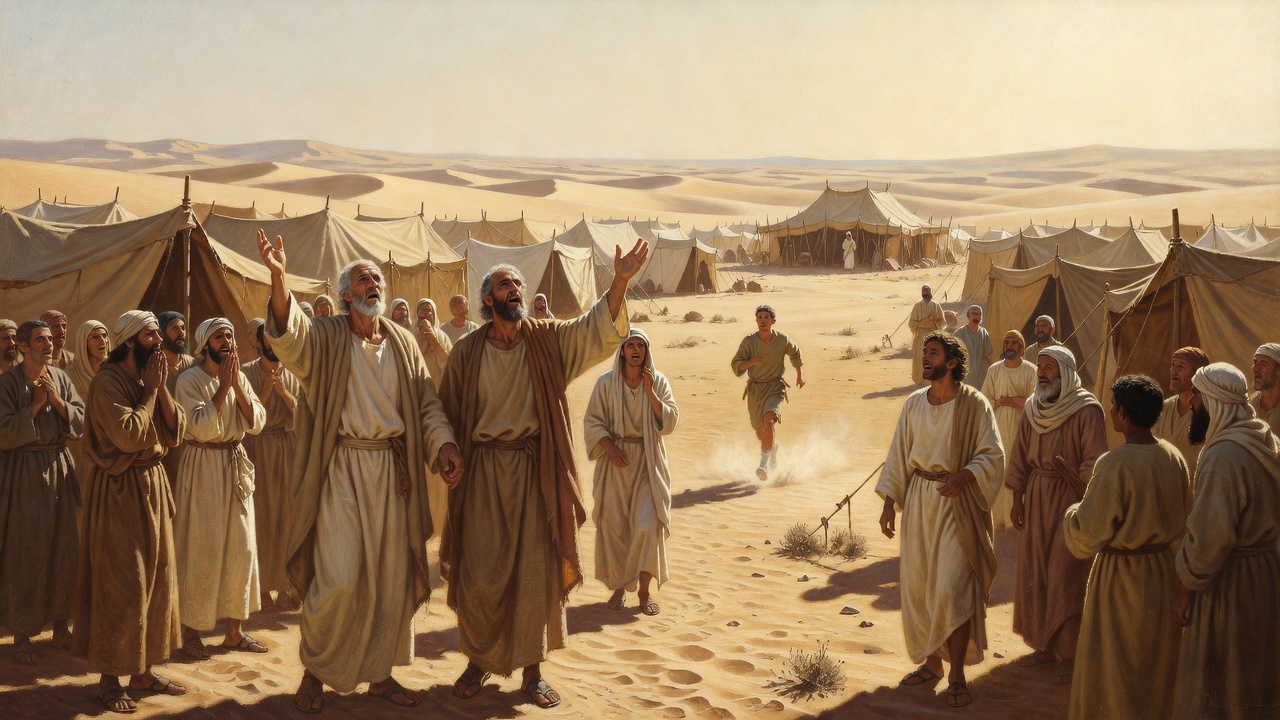
- Aunque setenta ancianos fueron elegidos para ayudar a Moisés en el liderazgo, Eldad y Medad se quedaron en el campamento en lugar de acudir a la Tienda de Reunión, pero el Espíritu reposó sobre ellos y profetizaron. Cuando Josué pidió a Moisés que los detuviera, Moisés respondió deseando que todo el pueblo del Señor fuera profeta.Fuentes: Eldad · Joshua · el propio texto bíblico
- El texto describe el maná como semejante a la semilla de cilantro y a la resina, el cual los israelitas recogían, molían en molinos de mano o machacaban en morteros, y cocían en ollas o preparaban en tortas con sabor a panecillos horneados con aceite.Fuentes: el propio texto bíblico
Notas escritas con ayuda de IA a partir de fuentes abiertas (Theographic Bible Metadata, CC BY-SA 4.0; Easton’s Bible Dictionary, dominio público) y revisadas antes de publicarse.
Lugares de este capítulo
Solo aparecen lugares identificados con alta confianza (90 % o más según las fuentes académicas reunidas por OpenBible). Mapa de la época: DARE (Digital Atlas of the Roman Empire), CC BY 4.0; mapa actual: © colaboradores de OpenStreetMap; lugares: OpenBible.info (CC BY 4.0).
Créditos y licencia de esta traducción
Kitabu ka Kanu
Portions of the Holy Bible in the Baga Sitemu language of Guinea
Des portions de la Sainte Bible dans la langue Baga Sitemu de Guinée
copyright © 2015 Pioneer Bible Translators
Language: Baga Sitemu
Translation by: Traducteurs Pionniers de la Bible
Contributor: Pioneer Bible Translators
This translation is made available to you under the terms of the
Creative Commons Attribution Share-Alike license 4.0.
You have permission to share and redistribute this Bible translation in any format and to make reasonable revisions and adaptations of this translation, provided that:
You include the above copyright and source information.
If you make any changes to the text, you must indicate that you did so in a way that makes it clear that the original licensor is not necessarily endorsing your changes.
If you redistribute this text, you must distribute your contributions under the same license as the original.
Pictures included with Scriptures and other documents on this site are licensed just for use with those Scriptures and documents.
For other uses, please contact the respective copyright owners.
Note that in addition to the rules above, revising and adapting God's Word involves a great responsibility to be true to God's Word. See Revelation 22:18-19.
2025-04-29
Fuente: http://ebible.org/bsp/ · eBible.org