Levítico 12
Kitabu ka Kanu · Toca un versículo para ver sus referencias cruzadas.
Kəsɔkəsnɛ ka wəran k'elip kəkom-ɛ
1Kɔ MARIKI oloku Musa: 2«Məloku aka Yisrayel:
Kɔ wəran ɛmbɛkəs pəkom wan wərkun-ɛ, ɔsɔk fɛ haŋ mata camət-mɛrəŋ. Ɔsɔk fɛ pəmɔ tɔkɔ endenəŋk wəka darenc ŋof o ŋof mɔ. 3Tataka ta camət-maas pakənc wan. 4Wəran wəkakɔ pəyi sɔ mata wəco maas kɔ maas (33) kəsɔkəsnɛ mecir mɔn. Ta pəgbuŋɛnɛ paka mpɛ o mpɛ ampusɛ MARIKI mɔ, ta wəkayi sɔ pəkɔ nde aŋgbip ŋosoku, haŋ pəlip kəlas mataka mɔn ma kəsɔkəsnɛ.
5Kɔ wəran oŋkom wan wəran-ɛ, ɔsɔk fɛ haŋ mataka moluksər mɛrəŋ, pəmɔ tɔkɔ endenəŋk wəka darenc ŋof o ŋof mɔ. Pəsɔkəsnɛ mecir mɔn mata wəco camət-tin kɔ camət-tin (66).
6Kɔ wəran elip mataka mɔn ma kəsɔkəsnɛ-ɛ, tɔyɔnɛ dokombəra da wan wərkun kɔ pəyɔnɛ fɛ ti wan wəran, pəkɛrɛ wəloŋnɛ nde dəkəbɛrɛ da aŋgbancan ŋɛbəpɛnɛ kɔ Kanu tekiriŋ, aŋkesiya ŋorkun ŋa teren tin teta poloŋnɛ pɔcɔf, kɔ antantoriya kɔ pəyɔnɛ fɛ ti-ɛ, tɔpay teta kəloŋnɛ ka kiciya. 7Wəloŋnɛ pəkɛrɛ yi MARIKI fɔr kiriŋ, pətubucnɛ sɔ kəsɔkəs kɔ kətɔsɔk kɔn. Kɔ telip-ɛ, wəran wəkakɔ ɔŋsɔk kəloŋ kɔn mecir dəŋkom. Sariyɛ sasɔkɔ səcəmɛ wəran darəŋ nwɛ oŋkom wan wərkun kɔ pəyɔnɛ fɛ ti, pəkom wan wəran mɔ.
8Kɔ wəran wəkakɔ ɔntɔyɔ daka ndɛ ɔŋkɔsɔtɔnɛ aŋkesiya ŋa teren tin mɔ, wəran wəkakɔ pəlɛk mɔpay mɛrəŋ kɔ pəyɔnɛ fɛ ti-ɛ, ntantoriya yowut mɛrəŋ, pin pɔyɔnɛ poloŋnɛ pɔcɔf, pa mɛrəŋ pɔyɔnɛ poloŋnɛ pa kiciya. Wəloŋnɛ pətubucnɛ kəsɔkəs kɔ kətɔsɔk kɔn, wəran wəkayi ɔsɔk oŋ.»
¿Sabías que…?
Purificación después del Parto
- Levítico especifica períodos distintos de purificación ceremonial después del parto: un total de cuarenta días por un hijo varón (siete días más treinta y tres días) y ochenta días por una hija (catorce días más sesenta y seis días). Durante este tiempo, la madre no debía tocar ningún objeto sagrado ni entrar al santuario.Fuentes: el propio texto bíblico
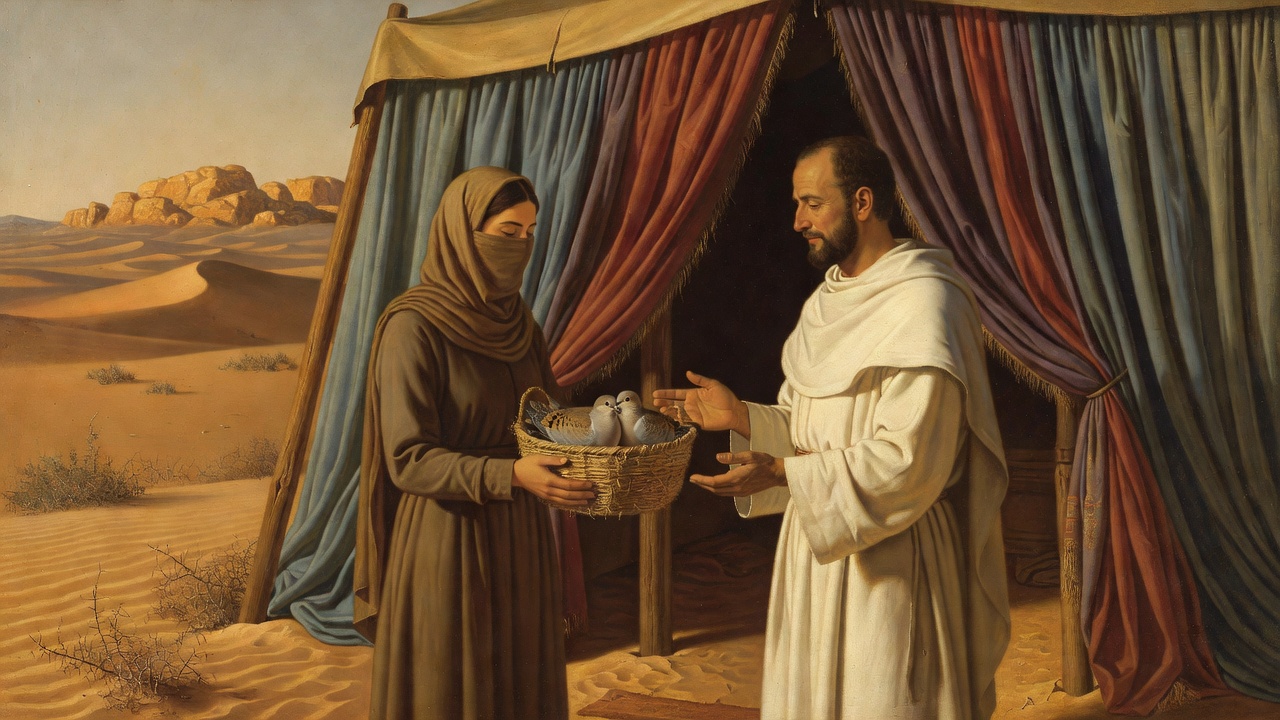
- Al concluir el período de purificación, la madre debía llevar un holocausto y una ofrenda por el pecado ante el sacerdote en la entrada de la Tienda de Reunión. Si sus recursos no le alcanzaban para un cordero, la ley permitía expresamente una ofrenda alternativa de dos tórtolas o dos pichones de paloma.Fuentes: el propio texto bíblico
Notas escritas con ayuda de IA a partir de fuentes abiertas (Theographic Bible Metadata, CC BY-SA 4.0; Easton’s Bible Dictionary, dominio público) y revisadas antes de publicarse.
Créditos y licencia de esta traducción
Kitabu ka Kanu
Portions of the Holy Bible in the Baga Sitemu language of Guinea
Des portions de la Sainte Bible dans la langue Baga Sitemu de Guinée
copyright © 2015 Pioneer Bible Translators
Language: Baga Sitemu
Translation by: Traducteurs Pionniers de la Bible
Contributor: Pioneer Bible Translators
This translation is made available to you under the terms of the
Creative Commons Attribution Share-Alike license 4.0.
You have permission to share and redistribute this Bible translation in any format and to make reasonable revisions and adaptations of this translation, provided that:
You include the above copyright and source information.
If you make any changes to the text, you must indicate that you did so in a way that makes it clear that the original licensor is not necessarily endorsing your changes.
If you redistribute this text, you must distribute your contributions under the same license as the original.
Pictures included with Scriptures and other documents on this site are licensed just for use with those Scriptures and documents.
For other uses, please contact the respective copyright owners.
Note that in addition to the rules above, revising and adapting God's Word involves a great responsibility to be true to God's Word. See Revelation 22:18-19.
2025-04-29
Fuente: http://ebible.org/bsp/ · eBible.org