Josué 7
Kitabu ka Kanu · Toca un versículo para ver sus referencias cruzadas.
Fum wəkin kəyɔ kɔn pəlɛc kəsɔŋ aka Yisrayel fəp pəlɛc
1Kɔ aka Yisrayel ŋaŋluksɛ kəcəmɛ MARIKI darəŋ ntɛ kənamɔnɛ ŋa kəlɛk ka daka da dare mɔ. Kɔ Akaŋ wan ka Karmi, wan ka Sabidi, wan ka Sera, wəka kusuŋka ka Yuda, ɛŋkiyɛ ca cəlɔma daka da dare dacɔ, kɔ pəntɛlɛ MARIKI nnɔ aka Yisrayel ŋayi mɔ.
2Kɔ Yosuwe osom afum kəyɛfɛ Yeriko kəkɔ dare da Hay nde pəlɔtərɛnɛ Bet Awɛn ntende dec dɛmpɛ Betel mɔ. K'oloku ŋa: «Nəpɛ nəkɔ nətɛn mes yɔkyɔk dɔtɔf.» Kɔ afum akakɔ ŋampɛ kəkɔtɛn mes yɔkyɔk Hay. 3Kɔ ŋaluksərnɛ nnɔ Yosuwe eyi mɔ, kɔ ŋaloku kɔ: «Ta afum fəp ŋapɛ de! Afum mɛcəp mɛrəŋ, kɔ pəyi fɛ ti-ɛ, afum mɛcəp maas ŋapɛ, ŋa ŋantam kəsut Hay! Ta nəlɔləs afum dis, bawo akɔ pəmar a payɛfərɛnɛ mɔ, ŋala fɛ.» 4Kɔ afum mɛcəp maas ŋampɛ kəkɔsutɛnɛ kɔ aka Hay, mba ŋanatam fɛ, kɔ afum akakɔ ŋaŋkɔ ŋayɛksər aka Hay. 5Kɔ afum aka Hay ŋandifər ŋa afum wəco maas kɔ camət-tin. Kɔ ŋayɛfɛ kəbɛləs ŋa kəyɛfɛ dare dəkusu haŋ Sabarim, kɔ ŋasut ŋa pətəmbələr pa tɔrɔ. Kɔ afum ŋanesɛ kəsutɛnɛ kɔ dis dɛŋdɛncɛ ŋa.
6Kɔ Yosuwe ɛwal-wali yamos yɔn, k'ɛfəntərɛ k'ɛncəpɛ kaŋkəra ka MARIKI tobu dəntɔf haŋ dɔfɔy. Kɔ abeki a Yisrayel ŋaloŋərnɛ sɔ kəbof dəsəbomp. 7Kɔ Yosuwe oloku: «MARIKI Wəbɛ kem, ta ake tɔ məncɔŋsɛ afum kəcali ka kəŋgbɔkɔ ka Yurdɛn-ɛ kədelɛk su məbɛr aka Amɔr dəwaca, kəmələk su kɔ məfaŋ? Kəyi kosu Yurdɛn ntende dec dɛmpɛ mɔ kəncepər su kəder ka nnɔ! 8Məŋaŋɛnɛn'em Mariki! Cəke c'ideloku oŋ-ɛ?: ‹Yisrayel ŋayɛksər aterɛnɛ aŋan.› 9Kəyɛfɛ aka Kanaŋ haŋ afum alpəs aŋɛ fəp ŋayi dɔtɔf mɔ, kɔ ŋandene ti-ɛ, ŋandebɛrɛnɛ, ŋapaŋnɛ su ŋasut, ŋamələk su doru. Cəke cɔ məndementər oŋ debeki dam-ɛ?»
10Kɔ MARIKI kəloku Yosuwe: «Məyɛfɛ, ta ake tɔ məncəpɛnɛ tobu dəntɔf-ɛ? 11Aka Yisrayel ŋanciya! Ŋaləsər temer pɔkɔ inasɔŋ ŋa mɔ. Ɛy, ŋalɛkərnɛ ca cəlɔma nyɛ inaloku ŋa kəbɛrɛnɛ yi daka dem mɔ. Ŋaŋkiyɛ ŋa yati, kɔ ŋamɛŋk ca cəlɔma dəyɛsarɛ yaŋan. 12Ti disrɛ, aka Yisrayel ŋafɔtam kəsutɛnɛ kɔ aterɛnɛ aŋan. Mɛnɛ ŋayɛksər ŋa, bawo ŋa ŋɔ pəmar oŋ pamələk. Ifɔtam kəyi tes tin kɔ nəna kɔ nəntɔwurɛnɛ nu dacɔ ca ncɛ inamɔnɛ nu kəlɛk mɔ de! 13Məyɛfɛ, məkɔ, məloŋka afum. Məloku ŋa: «Nəsɔkəsnɛ alna. MARIKI, Kanu ka Yisrayel kəsom im ti kədelok'un: Ca ncɛ inamɔn'on mɔ, yey'un dəwaca.› Aka Yisrayel nəfɔtam kəyɛfərɛnɛ kɔ aterɛnɛ anu kɔ nəntɔwurɛ ca cacɔkɔ nu dacɔ-ɛ. 14Alna bətbət, nəder nnɔ fɔr ya Kanu kiriŋ, nəmɛntərnɛ Ki cusuŋka cusuŋka. Kusuŋka nkɛ Kanu kəncɔkər mɔ kəcɔŋnɛ dəcor dəcor. Kor nkɛ kəndecɔkər mɔ kəcɔŋnɛ wɔlɔ wɔlɔ. Kəlɔ nkɛ Kanu kəndecɔkər mɔ afum aŋɛ ŋadecɔŋnɛ akin akin. 15Nwɛ o nwɛ andebonc kətɔmpər ka ca ncɛ Kanu kəmɔnɛ mɔ, ambɛr kɔ dənɛnc, nkɔn kɔ afum a kəlɔ kɔn fəp. Nkɔn ɛpətəs danapa da MARIKI bawo nkɔn ɔyɔ tes ntɛ tɔntɔtesɛ mɔ ntɛ tɔsɔŋɛ aka Yisrayel kəlapərnɛ mɔ.
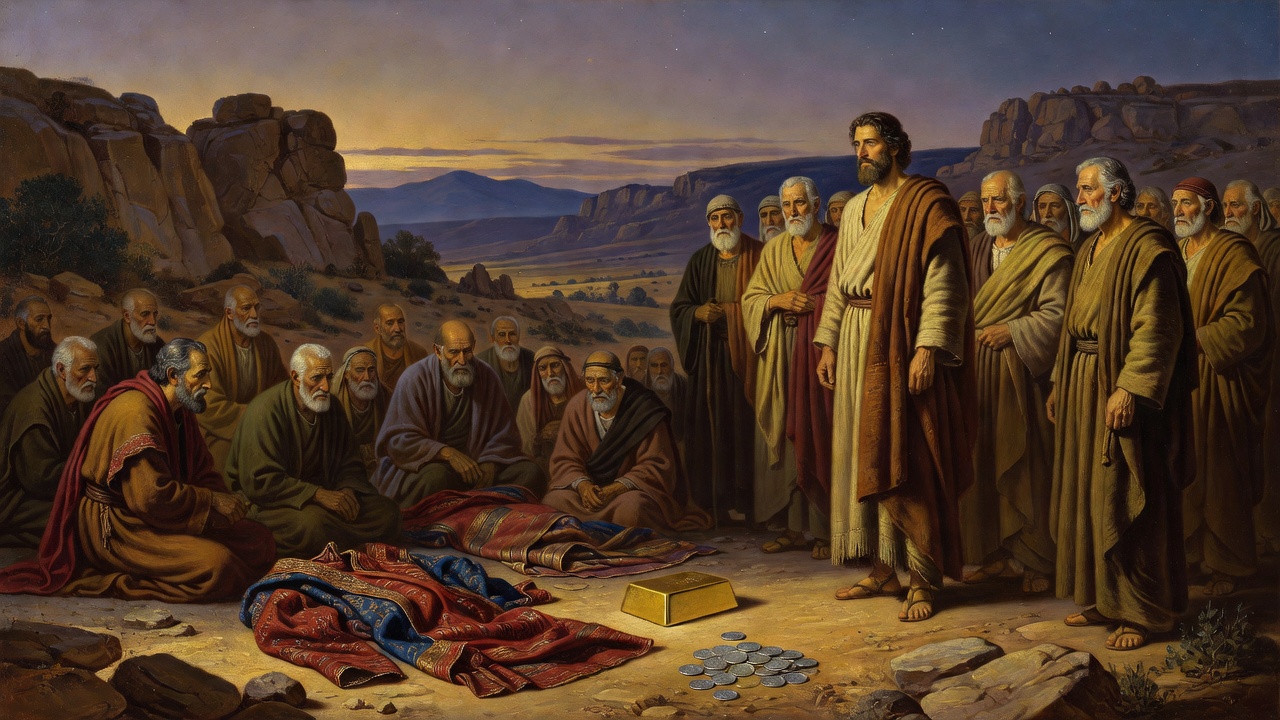
16Kɔ Yosuwe ɛyɛfɛ bətbət suy, k'ɔncɔŋɛnɛ aka Yisrayel cusuŋka cusuŋka. Kɔ MARIKI kəncɔkər aka kusuŋka ka Yuda. 17Kɔ Yosuwe ɔncɔŋɛnɛ Yuda cor cor, k'ɔncɔkər kor ka Sera. K'ɔncɔŋɛnɛ kor ka Sera wɔlɔ wɔlɔ, k'ɔncɔkər kəlɔ ka Sabidi. 18K'ancɔŋɛnɛ kəlɔ ka Sabidi akin akin, k'ɔncɔkər Akaŋ, wan ka Karmi, wan ka Sabidi, wan ka Sera wəka kusuŋka ka Yuda. 19Kɔ Yosuwe oloku Akaŋ: «Wan kem məleləs MARIKI, Kanu ka Yisrayel, məyek-yekəs ki! Məlok'im ma tɔkɔ məyɔ mɔ, ta məmɛŋkər'im ti de!» 20Kɔ Akaŋ oloku Yosuwe: «Ɛy, kance kɔ, in'eciya MARIKI, Kanu ka Yisrayel. Ilɔmər'əm ntɛ iyɔ mɔ: 21Yɔsɔtɔ yosu disrɛ, inanəŋk duma da Mesopotami, duma dadɔkɔ dentesɛ decepərər, kɔ gbeti masar mɛrəŋ, kɔ ancəmbəl ŋa kɛma ŋi sona gboŋ ŋelelɛ kilo dacɔ. Kɔ ca cacəkɔ yɛmbas'im, itɔ inalɛkɛ yi. Mba inamət yi dəntɔf, imɛŋk yi nde abal ŋem disrɛ gbeti beyi tantɔf.» 22Kɔ Yosuwe osom afum, kɔ ŋayɛksɛ kəkɔmɔmən abal ŋa Akaŋ disrɛ, kɔ ŋaŋkɔ ŋabəp ca yayɔkɔ fəp gbeti bɛfəntərɛ yi tantɔf. 23Kɔ ŋalɛk yi fəp, kɔ ŋaŋkenɛ Yosuwe kɔ aka Yisrayel fəp, kɔ ŋaŋkɔ ŋaboc yi fɔr ya MARIKI kiriŋ.
24Kɔ Yosuwe ɛlɛk Akaŋ wan ka Sera, kɔ gbeti, duma, ancəmbəl ŋa kɛma, awut ɔn arkun kɔ aran, cəna cɔn, sɔfale sɔn, yɔcɔl yɔn yɛfɛt yɛfɛt, abal ŋɔn kɔ ca cɔkɔ yɛnayɔnɛ yɔn mɔ fəp. Kɔ aka Yisrayel fəp ŋasol kɔ Yosuwe, kɔ ŋampɛnɛ Akaŋ nde mɔrɔ dacɔ, nde aŋwe «Aranta ŋa Pəlɛc mɔ». 25Kɔ Yosuwe oloku: «Ta ake tɔ məyɔnɛ su pəlɛc pampɛ-ɛ? Məna sɔ kəyɔ'm kɔ MARIKI kənder pəlɛc mɔkɔ.» Kɔ aka Yisrayel fəp ŋancacas kɔ masar haŋ k'efi. Kɔ ŋancacas afum ɔn fəp masar, kɔ ŋancɔf ŋa fəp dənɛnc. 26K'amboc ŋa kəroŋ tɛpɛsa pɔpɔŋ pa masar, mpɛ pɔsɔrɔyi haŋ mɔkɔ mɔ, kɔ abəkəc ŋedetor MARIKI. Itɔ awenɛ kəfo kaŋkɔ tewe ta «Aranta ŋa Pəlɛc» haŋ mɔkɔ.
¿Sabías que…?
La derrota en Hai y el pecado de Acán
- Hai era una ciudad real cananea situada al este de Betel y cerca de Bet-avén. Tras la toma de Jericó, fue la segunda ciudad a la que se dirigieron los israelitas, aunque una fuerza inicial de unos tres mil soldados fue inesperadamente derrotada en las laderas fuera de la ciudad.Fuentes: Ai · el propio texto bíblico
- Para descubrir la causa de la derrota de Israel en Hai, Josué presentó a la comunidad por etapas de tribu, clan, familia e individuo hasta que Acán, de la tribu de Judá, fue señalado. Acán confesó haber robado y escondido oro, plata y un manto babilónico que estaban consagrados a la destrucción.Fuentes: Achan · el propio texto bíblico
- El nombre del valle de Acor significa aflicción o desgracia, lo que refleja las palabras de Josué de que Acán había acarreado calamidad a Israel. Escritores bíblicos posteriores, como Oseas e Isaías, hicieron referencia a este valle de manera simbólica como un lugar donde el desastre se transforma en esperanza y bendición.Fuentes: Achan · Valley of Achor · el propio texto bíblico
Notas escritas con ayuda de IA a partir de fuentes abiertas (Theographic Bible Metadata, CC BY-SA 4.0; Easton’s Bible Dictionary, dominio público) y revisadas antes de publicarse.
Lugares de este capítulo
- Jericho · Hoy: Tell es Sultan · 31.872, 35.445 · versículo 2
- Jordan · Hoy: Jordan River · 31.761, 35.558 · versículo 7
- Shinar · Hoy: Babylonia · 32.543, 44.422 · versículo 21
Solo aparecen lugares identificados con alta confianza (90 % o más según las fuentes académicas reunidas por OpenBible). Mapa de la época: DARE (Digital Atlas of the Roman Empire), CC BY 4.0; mapa actual: © colaboradores de OpenStreetMap; lugares: OpenBible.info (CC BY 4.0).
Créditos y licencia de esta traducción
Kitabu ka Kanu
Portions of the Holy Bible in the Baga Sitemu language of Guinea
Des portions de la Sainte Bible dans la langue Baga Sitemu de Guinée
copyright © 2015 Pioneer Bible Translators
Language: Baga Sitemu
Translation by: Traducteurs Pionniers de la Bible
Contributor: Pioneer Bible Translators
This translation is made available to you under the terms of the
Creative Commons Attribution Share-Alike license 4.0.
You have permission to share and redistribute this Bible translation in any format and to make reasonable revisions and adaptations of this translation, provided that:
You include the above copyright and source information.
If you make any changes to the text, you must indicate that you did so in a way that makes it clear that the original licensor is not necessarily endorsing your changes.
If you redistribute this text, you must distribute your contributions under the same license as the original.
Pictures included with Scriptures and other documents on this site are licensed just for use with those Scriptures and documents.
For other uses, please contact the respective copyright owners.
Note that in addition to the rules above, revising and adapting God's Word involves a great responsibility to be true to God's Word. See Revelation 22:18-19.
2025-04-29
Fuente: http://ebible.org/bsp/ · eBible.org