Génesis 4
Kitabu ka Kanu · Toca un versículo para ver sus referencias cruzadas.
Kayin kɔ Abɛl
1K'Adama ŋambəpɛnɛ kɔ wəran kɔn Hawa, kɔ Hawa ɛmbɛkəs, k'oŋkom Kayin. Kɔ Hawa oloku: «Isɔtɔ wan wərkun kəmar ka MARIKI disrɛ.» 2Kɔ Hawa oŋkom sɔ wəfɛt ka Kayin nwɛ anawe Abɛl mɔ.
K'Abɛl ende pəyɔnɛ wəkɛk ka cir kɔ ŋkesiya. Kɔ Kayin ɔyɔnɛ wəbifti. 3Kɔ tɛm tɔlɔma tende tɛbəp, kɔ Kayin ɛlɛk yokom ya dəntɔf, k'ɛŋkɛrɛ yi MARIKI kədeloŋnɛ. 4K'Abɛl nkɔn sɔ, ɛŋkɛrɛ MARIKI yokom yɔcɔkɔ-cɔkɔ ya yɔcɔl yɔn kɔ moro ma yi. Kɔ MARIKI ɔmɔmənɛ Abɛl kɔ kəloŋnɛ kɔn fɔr yɔtɔt. 5Mba MARIKI ɛnamɔmənɛ fɛ Kayin kɔ kəloŋnɛ kɔn fɔr yɔtɔt. Kɔ pəntɛlɛ Kayin, k'ɛŋɛy kəro. 6Kɔ MARIKI eyif Kayin: «Ta ake tɔ pəntɛlɛn'am-ɛ, ta ake tɔ məŋɛyɛ kəro-ɛ? 7Kɔ məŋkɔt belbel-ɛ, məndesel. Kɔ məŋkɔt pəlɛc-ɛ, kiciya kəy'əm dəkusuŋka kɔ mɛfaŋ ma ki mey'əm. Mba məsɛp mətasərnɛ ki.»
8Kɔ Kayin ɔncɔpər wɛnc Abɛl. Mba ntɛ ŋanayi dalɛ mɔ, kɔ Kayin ɛyɛfər wɛnc Abɛl kəsutɛnɛ, k'endif kɔ.
9Kɔ MARIKI eyif Kayin: «Deke wɛnc əm Abɛl eyi-ɛ?» Kɔ Kayin oloku: «Incərɛ fɛ. Cepɔ wəkɛkəs kɔn iyɔnɛ ba?» 10Kɔ Kanu kəyif Kayin: «Cəke cɔ məyɔ wɛnc əm-ɛ? Dim da mecir ma wɛnc əm deyi kəkulɛ-kulɛ kəyɛfɛ dəntɔf haŋ nnɔ iyi mɔ. 11Ndɛkəl oŋ, kətolan'am k'antɔf ŋender pəlɛc, nŋɛ ŋɛwani kusu kɔ məsɔŋɛ ŋi kəmerəs mecir ma wɛnc əm mɔ. 12Kɔ mənde məcbəc antɔf-ɛ, ŋɔfɔde ŋɔcsɔŋ əm pəbotu pa ŋi. Ti tɔ pənde pəctɛlɛn'am məccepɛ-cepɛ dəkəbəc.»
13Kɔ Kayin oloku MARIKI: «Pəlel pa kiciya kem pɛmbɛk kəsarɛ. 14Məmbɛləs im mɔkɔ nnɔ antɔf ŋam ŋebi ŋeyi mɔ. Pənamar im kəgbɔpən'am, kɔ kəcepɛ-cepɛ dəntɔf, kɔ fum ɛmbəp im dənda-ɛ, pədif im.» 15Mba, kɔ MARIKI oloku kɔ: «Kɔ fum endif Kayin-ɛ, aŋluksɛ ayɛk ŋɔn camət-mɛrəŋ.» Kɔ MARIKI eŋgbesi Kayin ntɛ tɔŋsɔŋɛ aŋɛ ŋambəp kɔ mɔ, ta ŋasut kɔ ŋadif. 16Kɔ Kayin owur fɔr ya MARIKI kiriŋ dalɛ da Edeŋ, k'ɔŋkɔ pəyi atɔf ŋa Nodu nde dec dɛmpɛ dalɛ da Edeŋ mɔ.
Yuruya ya Kayin
17Kɔ Kayin ŋambəpɛnɛ kɔ wəran kɔn. Kɔ wəkakɔ ɛmbɛkəs k'oŋkom Henok. Kɔ Kayin owurɛ dare k'ɔsɔŋ di tewe ta wan kɔn Henok. 18Kɔ Henok oŋkom Iradu, k'Iradu oŋkom Mehuyayɛl, kɔ Mehuyayɛl oŋkom Metusayɛl, kɔ Metusayɛl oŋkom Lɛmɛk.
19Kɔ Lɛmɛk ɛlɛk aran mɛrəŋ, pacwe wəkin «Ada,» kɔ wəka mɛrəŋ «Cila.» 20K'Ada oŋkom Yabal, nkɔn ɔyɔnɛ wətem ka akɛk yɔcɔl acepɛ-cepɛ. 21Tewe ta wɛnc tɛnayɔnɛ Yubal: Nkɔn ɔyɔnɛ wətem k'afer coŋkəlo k'afula luk. 22Kɔ Cila nkɔn sɔ dəmnɛ oŋkom Tubal Kayin, nwɛ ɛncgbɛc ca fəp ya kɔpər kɔ ya fɛc mɔ. Wəkirɛ kɔn ancwe Nahama. 23Kɔ Lɛmɛk oloku aran ɔn:
«Ada kɔ Cila nəcəŋkəl dim dem!
Aran a Lɛmɛk nəsu ləŋəs nəcəŋkəl moloku mem.
K'asut im-ɛ, indif fum.
K'ambopər im-ɛ, indif wanfɛt.
24Kɔ pəyɔnɛ padif afum camət-mɛrəŋ
kəluksɛ ayɛk ŋa Kayin-ɛ,
andedif afum 77,
a pacluksɛ ayɛk ŋa Lɛmɛk.»
25Adama kɔ Hawa ŋasɔtɔ sɔ wan. Kɔ Hawa ewe kɔ «Sɛt», ti tɔ tatɔkɔ «Kanu kəsɔŋ im sɔ wəlɔma kədeyɔn'em Abɛl wəkɔ Kayin endif mɔ.»
26Kɔ Sɛt ende pəkom wan pacwe kɔ Enɔs. Tɛm tatɔkɔ t'anacop kəkor-koru tewe ta MARIKI.
¿Sabías que…?
Caín, Abel y la vida al este del Edén
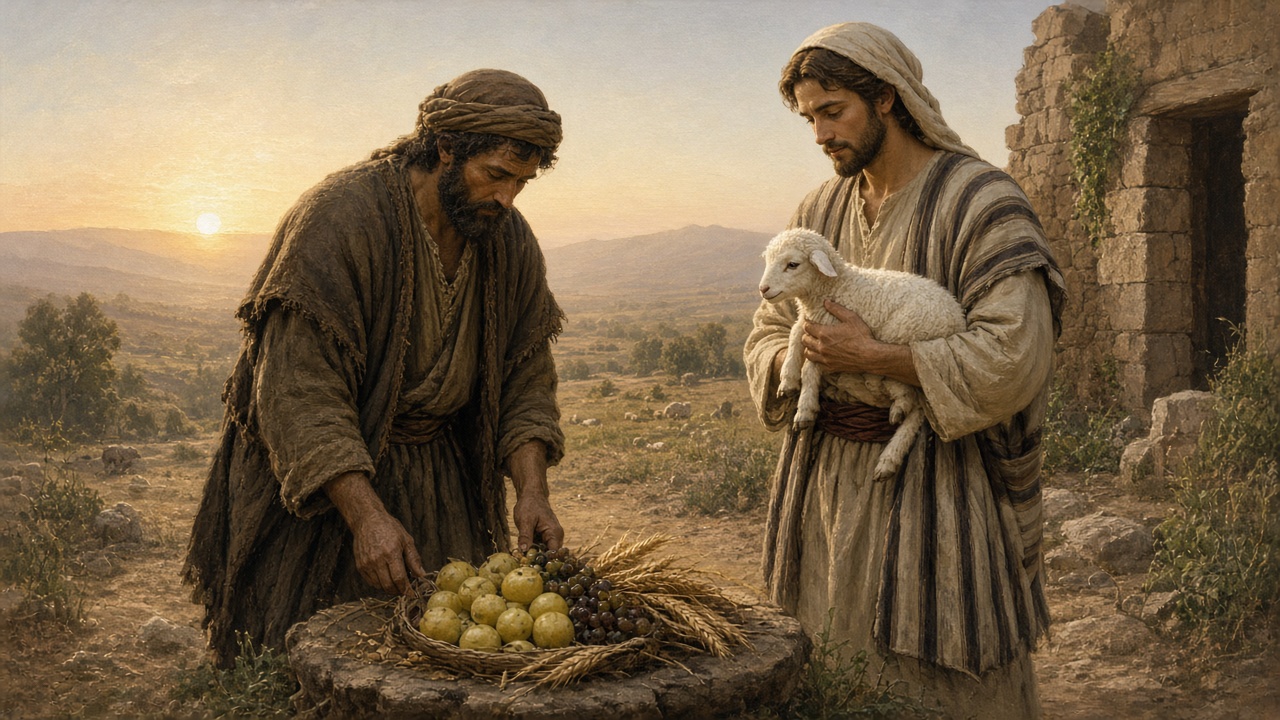
- El nombre hebreo de Abel significa “soplo” o “vanidad”. Él cuidaba ovejas, mientras su hermano Caín labraba el suelo: Abel llevó las mejores porciones de los primogénitos de su rebaño, y Caín llevó fruto del suelo. El Diccionario Bíblico de Easton (1897) lee la frase “en el transcurso del tiempo” (al margen, “al fin de los días”) como probable referencia al sábado.Fuentes: Abel · Cain · el propio texto bíblico
- Tras la muerte de Abel, Caín se estableció en la tierra de Nod, al este del Edén, nombre que significa exilio, vagabundeo o inquietud. Allí construyó una ciudad y la llamó como su hijo Enoc. El Diccionario Bíblico de Easton señala que esta es la primera ciudad mencionada en las Escrituras.Fuentes: Nod · Enoch (son of Cain) · el propio texto bíblico
- Lamec, quinto en la descendencia de Caín, se casó con dos mujeres, Ada y Zila. El Diccionario Bíblico de Easton llama a las palabras que les dirigió el único ejemplo conservado de poesía antediluviana, a veces conocido como “canto de la espada de Lamec”. Sus hijos se vinculan con modos de vida antiguos: Jabal, con las tiendas y el ganado; Jubal, con el arpa y la flauta; y Tubal-caín, con la forja del bronce y del hierro.Fuentes: Lamech (descendant of Cain) · Adah (wife of Lamech) · Zillah · el propio texto bíblico
Notas escritas con ayuda de IA a partir de fuentes abiertas (Theographic Bible Metadata, CC BY-SA 4.0; Easton’s Bible Dictionary, dominio público) y revisadas antes de publicarse.
Créditos y licencia de esta traducción
Kitabu ka Kanu
Portions of the Holy Bible in the Baga Sitemu language of Guinea
Des portions de la Sainte Bible dans la langue Baga Sitemu de Guinée
copyright © 2015 Pioneer Bible Translators
Language: Baga Sitemu
Translation by: Traducteurs Pionniers de la Bible
Contributor: Pioneer Bible Translators
This translation is made available to you under the terms of the
Creative Commons Attribution Share-Alike license 4.0.
You have permission to share and redistribute this Bible translation in any format and to make reasonable revisions and adaptations of this translation, provided that:
You include the above copyright and source information.
If you make any changes to the text, you must indicate that you did so in a way that makes it clear that the original licensor is not necessarily endorsing your changes.
If you redistribute this text, you must distribute your contributions under the same license as the original.
Pictures included with Scriptures and other documents on this site are licensed just for use with those Scriptures and documents.
For other uses, please contact the respective copyright owners.
Note that in addition to the rules above, revising and adapting God's Word involves a great responsibility to be true to God's Word. See Revelation 22:18-19.
2025-04-29
Fuente: http://ebible.org/bsp/ · eBible.org