Génesis 36
Kitabu ka Kanu · Toca un versículo para ver sus referencias cruzadas.
Esayu kəndɛ kɔn nde atɔf ŋa Edɔm
1Dokombəra da Esayu dɔ dandɛ, nwɛ aŋwe sɔ Edɔm mɔ. 2Kɔ Esayu ɛlɛk aran ɔn, aran a Kanaŋ dacɔ: Ada, wan wəran ka Elon wəHewy, Oholibama wan wəran ka Ana, wan wəran ka Cibehɔŋ wəHewy, 3Basmat wan wəran ka Səmayila, wəkirɛ ka Nebayɔt. 4Kɔ Ada oŋkomɛ Esayu Elifas, kɔ Basmat oŋkom Rehuwɛl. 5Kɔ Oholibama oŋkom Yehus, Yahelam, kɔ Korah. Awut a Esayu ŋɔ akakɔ aŋɛ anakomɛ kɔ Kanaŋ mɔ. 6Kɔ Esayu ɛlɛk aran ɔn, awut ɔn arkun kɔ aran, afum ɔn aka kəlɔ kɔn, yɔcɔl yɔn kɔ ca yɔkɔ ɛnasɔtɔ atɔf ŋa Kanaŋ mɔ fəp, k'ɔŋkɔ atɔf ŋɔlɔma. K'ɔmbɔlɛ wɛnc Yakuba, 7bawo yɔcɔl yɛnalar ŋa, ta ŋantam kəyi tofo tin-ɛ. Atɔf nŋɛ ŋanayi mɔ ŋɛnafɛtər ŋa teta yɔcɔl yaŋan yɛlarəm. 8Kɔ Esayu ɛndɛ nde mɔrɔ ma Sehir. Esayu, nkɔn ancwe sɔ Edɔm.
Yuruya ya Esayu
9Dokombəra da Esayu, dɔ dandɛ wətem ka yuruya nyɛ aŋwe Edɔm mɔ, nde mɔrɔ ma Sehir kəroŋ. 10Mewe ma awut a Esayu mɔ mamɛ: Elifas wan ka Ada wəran ka Esayu, Rehuwɛl wan ka Basmat wəran ka Esayu. 11Awut a Elifas ŋanayɔnɛ: Teman, Omar, Sefo, Kahetam, kɔ Kenas. 12Timna wəlakɔ ka Elifas ɛnayi wan ka Esayu. K'oŋkomɛ Elifas Amalɛk. Awut a Ada ŋɔ akakɔ wəran ka Esayu. 13Mewe ma awut a Rehuwɛl mɔ mamɛ: Nahat, Serah, Sama, kɔ Misa. Awut a Basmat ŋɔ akakɔ wəran ka Esayu. 14Mewe ma awut a Oholibama wan wəran ka Ana, wansɔ ka Cibehɔŋ, wəran ka Esayu: K'oŋkomɛ Esayu Yehus, Yahelam, kɔ Korah. 15Mewe ma abɛ a yuruya ya Esayu mɛmɛ: Awut abɛ a Elifas, coco ca Esayu: Wəbɛ Teman, wəbɛ Omar, wəbɛ Sefo, wəbɛ Kenas, 16wəbɛ Korah, wəbɛ Kahetam, kɔ wəbɛ Amalɛk. Abɛ a Elifas ŋɔ akakɔ, atɔf ŋa Edɔm. Awut a Ada ŋɔ akakɔ. 17Awut a Rehuwɛl, wan ka Esayu ŋɔ akaŋɛ: Wəbɛ Nahat, wəbɛ Serah, wəbɛ Sama, kɔ wəbɛ Misa. Abɛ a Rehuwɛl ŋɔ akakɔ atɔf ŋa Edɔm. Awut a Basmat ŋɔ akakɔ, wəran ka Esayu. 18Awut a Oholibama ŋɔ akaŋɛ, wəran ka Esayu: Wəbɛ Yehus, wəbɛ Yahelam, kɔ wəbɛ Korah. Abɛ a Oholibama ŋɔ akaŋɛ wan wəran ka Ana, wəran ka Esayu. 19Awut a Esayu ŋɔ akakɔ, kɔ abɛ aŋan. Esayu nwɛ ancwe sɔ «Edɔm» mɔ.
20Awut a Sehir wəHori ŋɔ akaŋɛ: Lotaŋ, Sobal, Cibehɔŋ, Ana, 21Disɔŋ, Eser, kɔ Disaŋ. Abɛ aHori ŋɔ akakɔ, awut a Sehir nde atɔf ŋa Edɔm. 22Awut a Lotaŋ ŋanayɔnɛ Hori kɔ Hemam. Wəkirɛ ka Lotaŋ ɛnayɔnɛ Timna. 23Awut a Sobal ŋanayɔnɛ Alwaŋ, Manahat, Ebal, Sefo, kɔ Onam. 24Awut a Cibehɔŋ ŋanayɔnɛ Aya kɔ Ana. Ana wəkakɔ ɛnafir kələmp nde dətɛgbərɛ, pəkɔ dəŋkɛk sɔfale sa papa kɔn Cibehɔŋ. 25Awut a Ana ŋanayɔnɛ Disɔŋ kɔ Oholibama, wan ka Ana wəran. 26Awut a Disaŋ ŋanayɔnɛ: Hemdaŋ, Esbaŋ, Yitəran, kɔ Keran. 27Awut a Eser ŋanayɔnɛ: Bilaŋ, Sawaŋ, kɔ Akaŋ. 28Awut a Disaŋ ŋanayɔnɛ Huc kɔ Araŋ. 29Abɛ a Hori ŋɔ akaŋɛ: Wəbɛ Lotaŋ, wəbɛ Sobal, wəbɛ Cibehɔŋ, wəbɛ Ana, 30wəbɛ Disɔŋ, wəbɛ Eser, wəbɛ Disaŋ. Abɛ a Hori ŋa akakɔ, abɛ aŋan atɔf ŋa Sehir. 31Tɛm tatɔkɔ abɛ ŋanatɔmpər fɛ kərɛsna dɛbɛ nde atɔf ŋa Yisrayel. Mewe ma abɛ aŋɛ ŋanacepər atɔf ŋa Edɔm mɔ, mɔ mamɛ: 32Bela, wan ka Behor, ɛnayɔnɛ wəbɛ Edɔm, tewe ta dare dɔn tɛnayɔnɛ Dinaba. 33Kɔ Bela efi. Kɔ Yobab wan ka Serah wəka Bɔcəra ɛlɛk dɛbɛ dɔn. 34Kɔ Yobab efi. Kɔ Hucam wəka atɔf ŋa Temani ɛlɛk dɛbɛ dɔn. 35Kɔ Hucam efi. Kɔ Hadad wan ka Bedadu ɛlɛk dɛbɛ dɔn. Nkɔn ɛnacəmbər Madiyaŋ nde kulum ka Mohab. Tewe ta dare dɔn tɛnayɔnɛ Awit. 36Kɔ Hadad efi. Kɔ Samla wəka Masreka ɛlɛk dɛbɛ dɔn. 37Kɔ Samla efi. Kɔ Sawul wəka dare da Rehobot Dəkəŋgbɔkɔ ɛlɛk dɛbɛ dɔn. 38Kɔ Sawul efi. Kɔ Bal Hanan, wan ka Akbɔr, ɛlɛk dɛbɛ dɔn. 39Kɔ Bal Hanan wan ka Akbɔr efi. Kɔ Hadar ɛlɛk dɛbɛ dɔn. Tewe ta dare dɔn tɛnayɔnɛ Pawu, kɔ tewe ta wəran kɔn tɛnayɔnɛ Mehetabɛl, wan ka Matɛrodu wəran, wan ka Mesahabu wəran. 40Mewe ma abɛ a Esayu mɔ mamɔkɔ, dəcor dəcor, dətɔf tɔf. Pəmɔ tatɔkɔ mewe maŋan moloku ti mɔ: Wəbɛ Timna, wəbɛ Alwa, wəbɛ Yetet, 41wəbɛ Oholibama, wəbɛ Ela, wəbɛ Pinɔŋ, 42wəbɛ Kenas, wəbɛ Teman, wəbɛ Mibəcar, 43wəbɛ Makdiyɛl, wəbɛ Iram. Akaŋɛ ŋanayɔnɛ abɛ a Edɔm, kɔ dəkəndɛ daŋan atɔf ŋɔkɔ ŋanayɔnɛ abɛ mɔ. Esayu ɛnayɔnɛ wətem ka aka Edɔm.
¿Sabías que…?
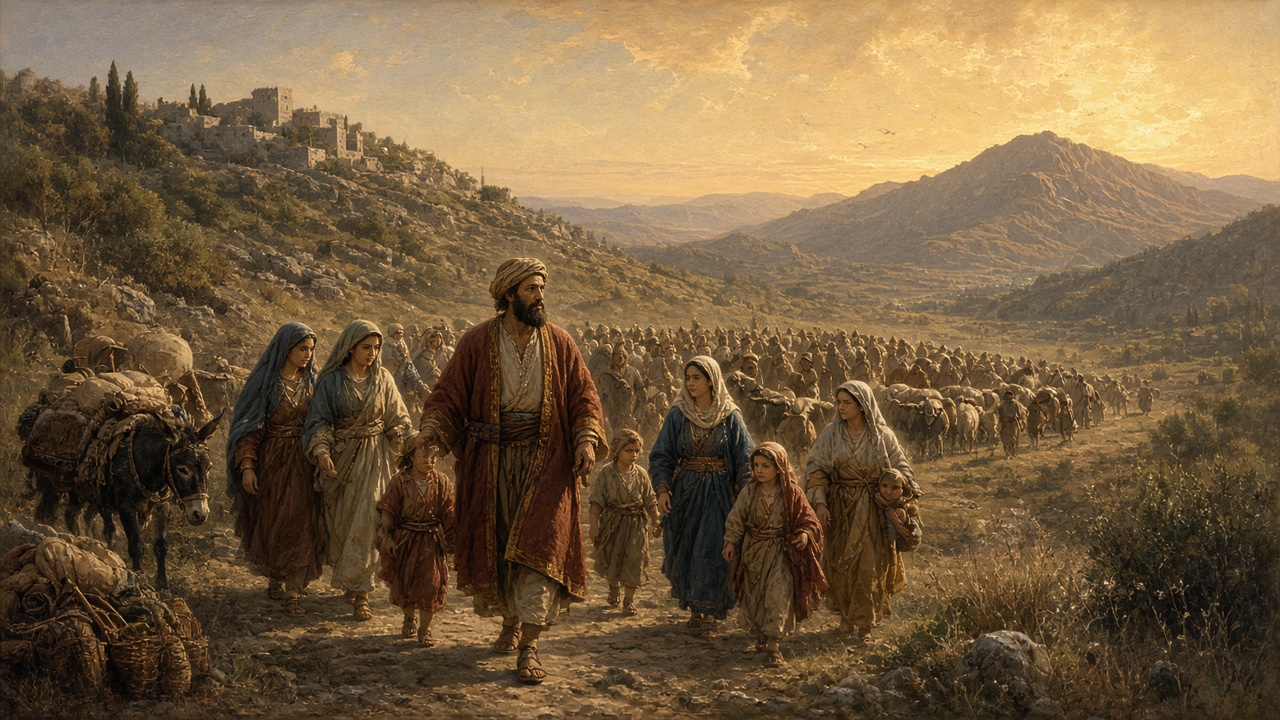
Esaú, padre de los edomitas
- Génesis 36 es el registro familiar de Esaú, también llamado Edom, nombre que significa “rojo” y se vincula con el guiso de lentejas rojas por el que vendió la primogenitura. Como su casa y la de Jacob tenían más ganado del que la tierra podía sostener a los dos juntos, Esaú dejó Canaán y se estableció en la región montañosa de Seir, al este del Arabá, que llegó a ser la tierra de Edom.Fuentes: el propio texto bíblico · Esau (Edom) · Seir · Edom
- El Easton's Bible Dictionary (1897) señala que las tres esposas de Esaú reciben nombres distintos en esta genealogía y en el relato anterior. Ada, hija de Elón el heteo, también es llamada Basemat; Basemat, hija de Ismael, también es llamada Mahalat; y la esposa identificada como hija de Beeri el heteo aparece aquí como Aholibama, hija de Aná y nieta de Zibeón el heveo.Fuentes: Bashemath · Adah · Aholibamah · el propio texto bíblico
- El monte Seir estuvo ocupado primero por los horeos, a quienes los edomitas expulsaron después; aun así, este capítulo todavía enumera a los jefes horeos en la tierra de Edom. También nombra reyes que reinaron en Edom antes de que reinara rey alguno sobre los israelitas, entre ellos Bela, cuya ciudad era Dinhaba, y Jobab de Bosra, ciudad mencionada más tarde por los profetas.Fuentes: el propio texto bíblico · Seir · Dinhabah · Bozrah
Notas escritas con ayuda de IA a partir de fuentes abiertas (Theographic Bible Metadata, CC BY-SA 4.0; Easton’s Bible Dictionary, dominio público) y revisadas antes de publicarse.
Lugares de este capítulo
- Canaan · 32.767, 35.333 · versículos 2, 5, 6
- Edom · 30.746, 35.604 · versículos 9, 16, 17, 20, 21, 31, 32, 40, 43
- Midian · 28.495, 35.012 · versículo 35
- Moab · Hoy: Moab 1 · 31.181, 35.701 · versículo 35
Solo aparecen lugares identificados con alta confianza (90 % o más según las fuentes académicas reunidas por OpenBible). Mapa de la época: DARE (Digital Atlas of the Roman Empire), CC BY 4.0; mapa actual: © colaboradores de OpenStreetMap; lugares: OpenBible.info (CC BY 4.0).
Créditos y licencia de esta traducción
Kitabu ka Kanu
Portions of the Holy Bible in the Baga Sitemu language of Guinea
Des portions de la Sainte Bible dans la langue Baga Sitemu de Guinée
copyright © 2015 Pioneer Bible Translators
Language: Baga Sitemu
Translation by: Traducteurs Pionniers de la Bible
Contributor: Pioneer Bible Translators
This translation is made available to you under the terms of the
Creative Commons Attribution Share-Alike license 4.0.
You have permission to share and redistribute this Bible translation in any format and to make reasonable revisions and adaptations of this translation, provided that:
You include the above copyright and source information.
If you make any changes to the text, you must indicate that you did so in a way that makes it clear that the original licensor is not necessarily endorsing your changes.
If you redistribute this text, you must distribute your contributions under the same license as the original.
Pictures included with Scriptures and other documents on this site are licensed just for use with those Scriptures and documents.
For other uses, please contact the respective copyright owners.
Note that in addition to the rules above, revising and adapting God's Word involves a great responsibility to be true to God's Word. See Revelation 22:18-19.
2025-04-29
Fuente: http://ebible.org/bsp/ · eBible.org