Éxodo 25
Kitabu ka Kanu · Toca un versículo para ver sus referencias cruzadas.
Tɛcəmbər ta aŋgbancan ŋosoku
Kəfɛk ka aka Yisrayel
1Kɔ MARIKI oloku Musa: 2«Məloku aka Yisrayel a ŋabaŋəs kəfɛk kem. Nəbaŋ kəpocɛ ka nwɛ o nwɛ ɔŋsɔk abəkəc pɛs kəsɔŋ ki mɔ. 3Kəfɛk nkɛ kɔ nəndebaŋsər ŋa: Kɛma, gbeti, kɔpər, 4cəloto cəgbət karɛ alom ŋa məntambɛnc, alom ŋeyim ŋeyimbərər, cəloto ncɛ andunɛ səbeŋa sa kentəler kɔ ncɛ andunɛ cəfon ca wir mɔ, 5kata ya ŋkesiya nyɛ aŋgbət karɛ alom ŋeyim mɔ, kata ya ntempeli, tɔk ya kasiya, 6moro momotɛnɛ, labundɛ dobotu ambɔnc ndɛ ande pacnɔŋkəl moro mɔbɔy mɔsɔkəsnɛ, kɔ suray səbotu ambɔnc, 7kɔ masar mɔtɔt mmɛ aŋwe onikəs mɔ kɔ mɔtɔt mɔlɔma mmɛ andebɛr duma da efɔd kɔ yuba yɛgbɛknɛ dɛbəkəc mɔ. 8Kəfo kəsoku kɔ aka Yisrayel ŋandecəmbər'em, ntɛ tɔŋsɔŋɛ idetam kəndɛ ŋa dacɔ mɔ. 9Pəmɔ yayɔkɔ indementər əm mɔ, məlompəs ca ya dəkiyi dosoku kɔ yosumpər-sumpər ya di pəmɔ tatɔkɔ.»
Kaŋkəra ka sede
10«Kaŋkəra ka kətɔk ka kasiya kɔ ŋandelompəs. Ŋatubuc ki dobolu cururu mɛrəŋ kɔ dacɔ, kɔ dowokulu da ki kururu katin kɔ dacɔ kɔ dotukum da ki kururu katin kɔ dacɔ. 11Məsop kaŋkəra kaŋkɔ kɛma kəsoku pɛs, tedisrɛ kɔ todoru, payɔ ki kəbər ka kɛma haŋ panɔŋkər. 12Palompəs cəsora maŋkəlɛ ca kɛma ncɛ andekɔbɛr kaŋkəra kaŋkɔ dəmoŋkubut mɔ cəsora mɛrəŋ kəsək kin, kɔ cəkɔ mɛrəŋ kəsək ka mɛrəŋ kəŋkɔ. 13Məpat cəgbo mɛrəŋ ca tɔk ya kasiya məsop ci kɛma. 14Pasor cəgbo cacɔkɔ dəcəsora ca kɛma cacɔkɔ, ntɛ tɔŋsɔŋɛ pade pactam kəsɛlɛŋ kaŋkəra kaŋkɔ pacgbaŋnɛ mɔ. 15K'alip kəsor cəgbo cacɔkɔ dəcəsora ca kaŋkəra-ɛ, pəmar fɛ sɔ pasulu ci. 16Kaŋkəra kaŋkɔ disrɛ kɔ məŋkɔbɛr walakɛ nwɛ wementər danapa dem k'aka Yisrayel nwɛ indesɔŋ əm mɔ.
17Afɛŋk ŋɔsɔksɛ kiciya ŋaŋɔkɔ, kɛma kəsoku pɛs kɔ nəndekɔlompsɛ ŋi. Dobolu da ŋi dendeyɔ cururu mɛrəŋ kɔ dacɔ, kɔ dowokulu da ŋi kururu katin kɔ dacɔ. Afɛŋk ŋaŋɔkɔ ŋendeyɔnɛ ŋɛgbəpərɛ kaŋkəra. 18Məlompsɛ mɛlɛkɛ kerub mɛrəŋ kɛma kətɛmp, məsɛlərɛnɛ mi dəkəcop kɔ dəkələpsər da afɛŋk ŋɔsɔksɛ kiciya kəroŋ. 19Məsɛlərɛnɛ mɛlɛkɛ kerub min dəkəcop da afɛŋk ŋɔsɔksɛ kiciya kəroŋ, mɛlɛkɛ kerub mɔkɔ dəkələpsər da ŋi kəroŋ. Məlompəs mɛlɛkɛ kerub mɛrəŋ kɔ afɛŋk ŋaŋɔkɔ yɔyɔnɛ paka pin nde dəkəcop kɔ dəkələpsər da ŋi kəroŋ. 20Mɛlɛkɛ mamɔkɔ mɛrəŋ mendekɔperi banca takəroŋ, yi yokump afɛŋk ŋɔsɔksɛ kiciya, mɛtɛfərɛnɛ meti cəro nde afɛŋk ŋɔsɔksɛ kiciya kəroŋ. 21K'alip kəbɛr ki disrɛ walakɛ nwɛ wementər danapa dem kɔ aka Yisrayel nwɛ indesɔŋ əm mɔ, məgbəpərɛ kaŋkəra afɛŋk ŋɔsɔksɛ kiciya ŋaŋɔkɔ. 22Dənda afɛŋk ŋaŋɔkɔ kəroŋ sənde səcbəpɛnɛ, mɛlɛkɛ kerub mamɔkɔ mɛrəŋ dacɔ mmɛ meyi afɛŋk ŋɔsɔksɛ kiciya ŋaŋɔkɔ aŋgbəpər kaŋkəra kaŋkɔ kəroŋ mɔ. Difɔ indekɔ icsom əm mɛfaŋ mem fəp mɔkɔ mənde məcloku aka Yisrayel mɔ.»
Amɛsa ŋa cəcom ncɛ aŋsɔŋ Kanu mɔ
23«Məlompsɛ amɛsa kətɔk ka kasiya. Dobolu da ŋi dɔyɔ cururu mɛrəŋ, dowokulu da ŋi dɔyɔ kururu katin, kɔ deŋeci da ŋi kururu katin kɔ dacɔ. 24Məsop amɛsa ŋaŋɔkɔ kɛma kəsoku pɛs, məlompəs ŋi cəsək kəbər ka kɛma haŋ mənɔŋkər. 25Məboc cəbam cəlɔma cəsək cacɔkɔ maŋkəlɛ tantɔf, dowokulu da ci dɔcyɔ kəca disrɛ, mənɛpsər ci kɛma haŋ mənɔŋkər. 26Məlompəs cəsora maŋkəlɛ ca kɛma, məboc ci dəmoŋkubut kəsurɛnɛ ka yɛcəmɛnɛ maŋkəlɛ ya amɛsa ŋaŋɔkɔ. 27Cəsora cacɔkɔ maŋkəlɛ cəlɔtərnɛ fərɛm. Cəsora cacɔkɔ c'andekɔsor cəgbo ncɛ ande paclɛkɛnɛ amɛsa ŋaŋɔkɔ mɔ. 28Məpat cəgbo ca kətɔk ka kasiya, məsop ci kɛma, cəgbo cacɔkɔ c'andekɔ pactam kəgbaŋnɛnɛ amɛsa ŋaŋɔkɔ. 29Məlompsɛ ŋi ca ncɛ pəmar mɔ: Pəlet, mɔbɔl, səpɔt kɔ mapan nyɛ andekɔ pacbəcɛ yoloŋnɛ ya moro kɔ wɛn mɔ, kɛma kəsoku pɛs kɔ məndelompsɛ yi. 30Pəmar məde məccəmbər'em kəcom nkɛ ande pacloŋn'em mɔ nnɔ amɛsa ŋaŋɛ kəroŋ tɛm o tɛm.»
Pɛdɛtɛ səlamp pa wara camət-mɛrəŋ
31«Məde məlompsɛ pɛdɛtɛ səlamp kɛma kətɛmp kəsoku pɛs. Pasɛlərɛnɛ pi kəyɛfɛ ka pɛcəmɛnɛ kəkɔ təmboŋk pa pi, yɔnɔnɛ ya səlamp, yogbuc ya pi, kɔ yowurɛnɛ ya yɛlɛŋk ya tɔk. 32Tatɔkɔ tɔ pɔŋkɔyi wara camət-tin wɔŋkɔyɛfɛ dətəmboŋk paracɔ mɔ, kəca o kəca wara maas. 33Kəra o kəra ka pɛdɛtɛ səlamp kəyɔ yogbuc maas kɔ yɛlɛŋk ya yi. Itɔ pəŋkɔyi wara camət-tin nwɛ wɔŋkɔyɛfɛ dətəmboŋk pa pɛdɛtɛ səlamp mɔ mɔ. 34Təmboŋk pa pɛdɛtɛ səlamp pɔyɔ yɔnɔnɛ ya səlamp maŋkəlɛ nyɛ yɔŋkɔwurɛnɛ yɛlɛŋk ya tɔk yokom mɔ, yogbuc, kɔ yɛlɛŋk ya yi. 35Wara wawɔkɔ mɛrəŋ mɛrəŋ kəmaas nwɛ wɛŋyɛfɛ dətəmboŋk paracɔ mɔ, dəkəyɛfɛ da wara mɛrəŋ o mɛrəŋ mɛnɛ pogbuc pin peyi wi tantɔf. 36Pasɛlərɛnɛ yogbuc kɔ wara, patɛmpɛ fəp fa yi ancəmbəl ŋin ŋa kɛma kəsoku pɛs. 37Məlompəs səlamp camət-mɛrəŋ səkɔ pəmar pacəmbər yɔnɔnɛ səlamp kəroŋ mɔ, ntɛ tɔŋsɔŋɛ səcweŋki tekiriŋ mɔ. 38Macaŋk kɔ map mɛkayɛ meken sɔ fəp fa mi pəmar mɔyɔnɛ kɛma kəsoku pɛs. 39Pɛdɛtɛ səlamp, pɛcəmbərɛ pa pi kɔ yosumpər-sumpər yayɔkɔ, kɛma kəsoku pɛs kilo wəco maas (30) kɔ pəmar palompsɛ yi. 40Məna Musa məgbətnɛ belbel, məsurɛnɛ yɛbəc nyɛ məmɔmən nnɔ tɔrɔ kəroŋ mɔ.»
¿Sabías que…?
Ofrendas y el modelo del tabernáculo
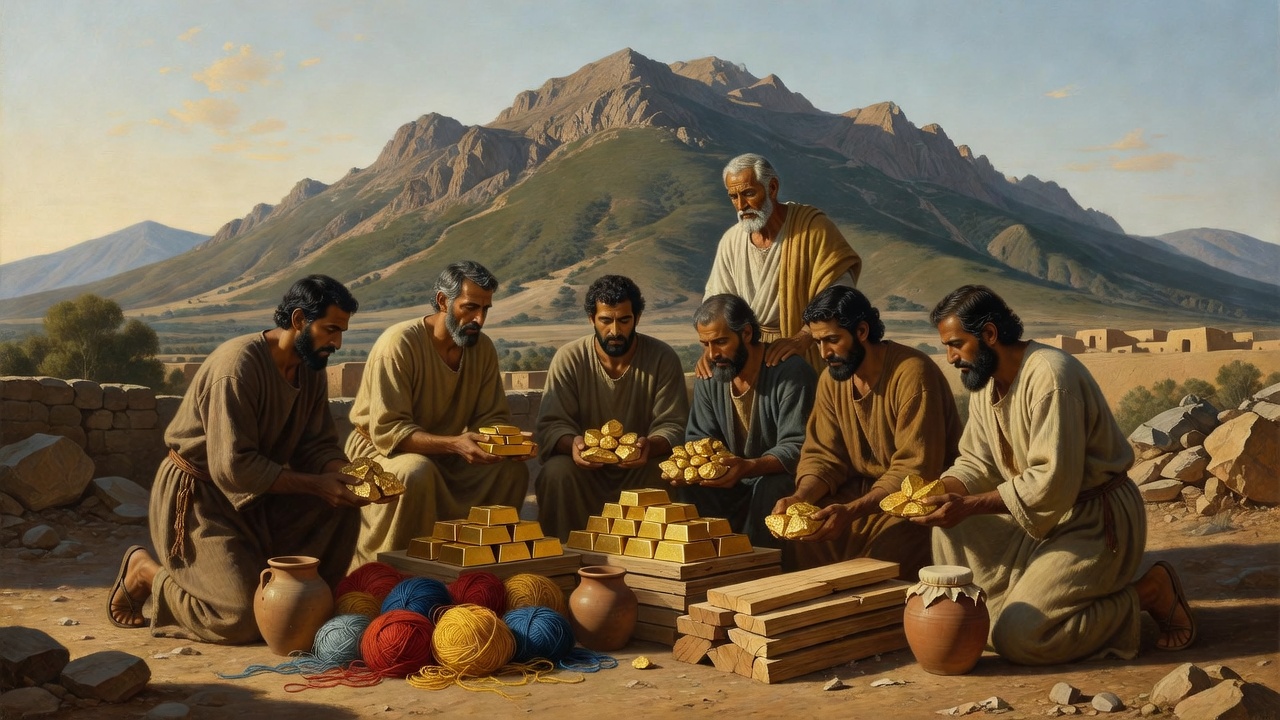
- Éxodo 25 comienza con el SEÑOR diciéndole a Moisés que reciba una ofrenda de cada hombre cuyo corazón lo compela. Las dádivas que debe aceptar son oro, plata y bronce; hilo azul, púrpura y escarlata; lino fino y pelo de cabra; pieles de carnero teñidas de rojo, cuero fino y madera de acacia; aceite de oliva para la luz; especias para el aceite de la unción y para el incienso aromático; y piedras de ónice y piedras preciosas para montar en el efod y el pectoral.Fuentes: el propio texto bíblico
- Esas dádivas son para un santuario, a fin de que el SEÑOR habite en medio de los israelitas. El tabernáculo y todos sus utensilios deben hacerse según el modelo mostrado a Moisés, y se le ordena hacer todo según el modelo que se le mostró en el monte.Fuentes: el propio texto bíblico
- El arca debe ser de madera de acacia, recubierta de oro puro por dentro y por fuera, con varas que permanezcan en las argollas y el Testimonio colocado dentro de ella. Encima queda un propiciatorio de oro puro, con dos querubines de oro labrado a martillo, uno frente al otro; allí, encima del propiciatorio, entre los querubines, el SEÑOR dice que se encontrará con Moisés y hablará de todo lo que mande para los israelitas. Una mesa recubierta de oro debe tener el pan de la Presencia delante del SEÑOR en todo tiempo, y un candelabro de oro puro labrado a martillo, con copas en forma de flor de almendro y siete lámparas, junto con sus utensilios, debe hacerse de un talento de oro puro.Fuentes: el propio texto bíblico
Notas escritas con ayuda de IA a partir de fuentes abiertas (Theographic Bible Metadata, CC BY-SA 4.0; Easton’s Bible Dictionary, dominio público) y revisadas antes de publicarse.
Créditos y licencia de esta traducción
Kitabu ka Kanu
Portions of the Holy Bible in the Baga Sitemu language of Guinea
Des portions de la Sainte Bible dans la langue Baga Sitemu de Guinée
copyright © 2015 Pioneer Bible Translators
Language: Baga Sitemu
Translation by: Traducteurs Pionniers de la Bible
Contributor: Pioneer Bible Translators
This translation is made available to you under the terms of the
Creative Commons Attribution Share-Alike license 4.0.
You have permission to share and redistribute this Bible translation in any format and to make reasonable revisions and adaptations of this translation, provided that:
You include the above copyright and source information.
If you make any changes to the text, you must indicate that you did so in a way that makes it clear that the original licensor is not necessarily endorsing your changes.
If you redistribute this text, you must distribute your contributions under the same license as the original.
Pictures included with Scriptures and other documents on this site are licensed just for use with those Scriptures and documents.
For other uses, please contact the respective copyright owners.
Note that in addition to the rules above, revising and adapting God's Word involves a great responsibility to be true to God's Word. See Revelation 22:18-19.
2025-04-29
Fuente: http://ebible.org/bsp/ · eBible.org