Éxodo 21
Kitabu ka Kanu · Toca un versículo para ver sus referencias cruzadas.
Sariyɛ nnɔ acar aHebəre ŋayi mɔ
1«Mɔyɔ mokur fɔr ya Kanu kiriŋ mmɛ mɔ məŋkɔloku ŋa: 2Kɔ məway wəcar wəHebəre-ɛ, pəyɔnɛ wəcar meren camət-tin. Teren ta camət-mɛrəŋ, pəwur yɛŋən dacar ali kəway ɔfɔsɔŋ. 3Kɔ tɔyɔnɛ sona s'ɛnayi tɛm ntɛ ɛcbɛrɛ dacar mɔ, sona sɔn s'oŋwur sɔ. K'ɛnanɛncɛ-ɛ, wəran kɔn ŋaŋwur dacar. 4Kɔ pəyɔnɛ a mariki mɔn ɔsɔŋ kɔ wəran, wəran wəkakɔ pəkomɛ kɔ awut arkun kɔ awut aran-ɛ, awut kɔ wəran, aka mariki mɔn ŋɔ ŋaŋyɔnɛ, nkɔn pəwur dacar sona sɔn. 5Kɔ wəcar nwɛ oloku: ‹Imbɔtər mariki mem, awut em kɔ wəran kem, ifaŋ fɛ kəwur dacar-ɛ,› 6awa, mariki mɔn pəlɔtərnɛnɛ kɔ Kanu, pəbakcər kɔ dəkumba kɔ pəyi fɛ ti-ɛ, pəlɛk kɔ pəbakcər dəfərɛm fa kumba kɔn. Mariki mɔn pəpifɛ kɔ abak aləŋəs, tɛm tatɔkɔ wəcar wəkakɔ endeyɔnɛ oŋ wəbəcɛ kɔn doru o doru.»
7«Kɔ fum ɛncaməs wan kɔn wəran pəkɔyɔnɛ wəcar-ɛ, wəkakɔ ɔfɔwur dacar pəmɔ awut arkun acar. 8Kɔ pəyɔnɛ a mariki mɔn ɛnaway kɔ pənɛncɛ-ɛ, tɛlpəs ta ɔmbɔt kɔ sɔ mes-ɛ, pəmar pəce fum wəlɔma pəwurus kɔ, mba sariyɛ səfɔwosɛ mariki mamɔkɔ kəcamsər kɔ acikəra atɔyɔnɛ aHebəre, bawo elip kəyembər kɔ. 9Kɔ pəyɔnɛ a mariki mamɔkɔ wan kɔn wərkun ɛwayɛ kɔ kənɛncɛ-ɛ, pəmar pəyɔ kɔ tɔyɔ tin tayi kɔ awut ɔn aran akom kɔ ŋandekɔ dəkəlɔ-ɛ pəmɔ tɔkɔ tɔyɔ tokur fɔr ya Kanu kiriŋ toloku ti mɔ. 10Kɔ mariki mɔn ɛnɛncɛ sɔ wəran wəlɔma, pəmar fɛ pəbeli ntɛ o ntɛ ɔncyɔ wəran wəkakɔ mɔ, kəyɛfɛ yeri kəbəp ka yamos, haŋ kəfəntərɛ. 11Kɔ mariki mmɛ ɔntɔyɔnɛ wəran nwɛ mes mamɛ maas-ɛ, wəran wəkawɛ ɛntam kəwur dacar ali daka ɔfɔsɔŋ, ali pəsam ɔfɔsɔŋ.»
Meciya mmɛ pəmar padifɛ fum mɔ
12«Fum nwɛ o nwɛ oŋsut wəlɔma haŋ pədif kɔ mɔ, mɛnɛ padif wəkayi. 13Kɔ pəyɔnɛ a məŋyɛfɛnɛ fɛ kədif kɔn-ɛ, Kanu kəsɔŋɛ k'efir əm dəwaca, indementər əm kəfo nkɛ məntam kəyɛksɛ məkɔ məyacnɛ mɔ. 14Nwɛ endifɛ wɛnc cəmpənpən pəyɛfɛnɛ ti mɔ, ali pəyacnɛ tetek toloŋnɛ pem kəroŋ, məkɔ məlɛk kɔ ntɛ tɔŋsɔŋɛ padif kɔ mɔ.»
15«Nwɛ o nwɛ oŋsut kas, kɔ pəyɔnɛ fɛ ti, kɛrɛ mɔ, mɛnɛ padif wəkayi.»
16«Nwɛ o nwɛ eŋkiyɛ fum pəcaməs, kɔ pəyɔnɛ fɛ ti, panəŋkɛ kɔ fum wəkakɔ dəwaca mɔ, mɛnɛ padif wəkayi.»
17«Nwɛ o nwɛ ontolanɛ kas, kɔ pəyɔnɛ fɛ ti, kɛrɛ pəlɛc mɔ, mɛnɛ padif wəkayi.»
Kəsut kɔ kəbopər
18«Kɔ afum ŋaŋgbɛkəlɛnɛ, wəkin pətɛmp wəka mɛrəŋ kɔn tasar, kɔ pəyɔnɛ fɛ ti aŋkulma, kɔ wəkakɔ ɔntɔfi mba pəwon kəfəntərɛ ti-ɛ, 19kɔ tɔyɔnɛ a wəkakɔ ɛntam kəyɛfɛ pətɔmpər kəgbo pəkɔtəs doru-ɛ, pəmar pace wəkakɔ ɛnasut kɔ mɔ. Mba wəkakɔ ɛnasut kɔ pəsɔŋɛ kɔ kəcu mɔ, ɛmar kəsɔŋ kɔ kəway ka ntɛ ɛyamsɛ kɔ yɛbəc mɔ, pətɛnɛ kɔ sɔ acɔl haŋ pətamnɛ.»
20«Kɔ fum ɛntɛmp wəcar kɔn kətɔk, tɔyɔnɛ wəcar wərkun, wəran, kɔ wəcar wəkakɔ efinɛ ti-ɛ, aŋluksɛ wəkayi ayɛk. 21Mba kɔ wəcar wəkakɔ efi fɛ haŋ tataka tin, mata mɛrəŋ mecepər-ɛ, afɔyɔ fum wəkakɔ ntɛ o ntɛ bawo daka da mariki mɔn d'ɔyɔnɛ.»
22«Kɔ afum ŋasutɛnɛ ŋakɔ ŋasutərɛnɛ wəran wəbɛkəs, tɔsɔŋɛ wəkakɔ kəkom mba ta daka o daka dɔsɔtɔ kɔ sɔ-ɛ, pəmar wos ka wəran wəkakɔ ŋatəŋnɛ kɔ aboc kiti ŋaboncər asutɛnɛ kəway nkɛ ŋaŋsɔŋ fəp mɔ. 23Mba kɔ pəyɔnɛ a tɔsɔŋ wəran wəbɛkəs kakɔ dolokəp-ɛ, kəway ka defi kəyɔnɛ defi, 24dɔfɔr kɔ dɔfɔr, desek kɔ desek, kəca kɔ kəca, kəcək kɔ kəcək, 25kəcɔf k'aŋsɔŋɛ kəcɔf kəway, kəbopər k'aŋsɔŋɛ kəbopər kəway, kəfat k'aŋsɔŋɛ kəfat kəway.»
26«Kɔ fum oŋsut wəcar kɔn wərkun, kɔ pəyɔnɛ fɛ ti wəran haŋ pəpici kɔ dɔfɔr-ɛ, pəmar pəsak wəcar wəkakɔ pəkɔ yɛŋən, tɔyɔnɛ kəway ka dɔfɔr dɔn. 27Kɔ fum osut wəcar kɔn haŋ pəyotu kɔ desek-ɛ, pəmar pəsak wəcar wəkakɔ pəkɔ yɛŋən, tɔyɔnɛ kəway ka desek dɔn.»
28«Kɔ wana wɛncaŋ wərkun, kɔ pəyɔnɛ fɛ ti wəran lɛn, fum wəkakɔ pəfinɛ ti-ɛ, wana wawɔkɔ wɛmar kəca-cas haŋ wefi, sɛm ya wana wawɔkɔ yɛmar fɛ kəsɔm, ti disrɛ kiti nkɛ o nkɛ afɔsɔbocər wəka wana wawɔkɔ. 29Mba kɔ pəyɔnɛ a wana wɔ, tokur aŋa wɛnccaŋ afum lɛn, pacsɔŋɛ ti wəsərka kəcərɛ ta wəkakɔ ɛŋkɛmbərnɛ wi haŋ wana wawɔkɔ wedif fum-ɛ, pəmar paca-cas wana wawɔkɔ haŋ wefi, wəka wana sɔ mɛnɛ padif kɔ. 30Mba kɔ pəyɔnɛ a kəway k'awer wəka wana wawɔkɔ ntɛ tɔŋsɔŋɛ ta andif kɔ mɔ, pəmar pəsɔŋ kəway kaŋkɔ awer kɔ mɔ fəp. 31Kɔ pəyɔnɛ a wana, wan wərkun kɔ pəyɔnɛ wan wəran wendif-ɛ, tɔyɔ tokur fɔr ya Kanu kiriŋ tin tatɔkɔ tɔ pəmar pakɔtɛnɛ. 32Kɔ pəyɔnɛ a wana nwɛ wəcar wərkun kɔ pəyɔnɛ fɛ ti, wəcar wəran wendif-ɛ, pəmar pasɔŋ sikəl wəco maas (30) mariki ma wəcar wəkakɔ, ntɛ tɔyɔnɛ ta wana mɔ, paca-cas wi haŋ wefi.»
33«Kɔ fum ɛŋkay abi, pəsak ŋi fos ta ɛŋgbəpər ŋi, a wana wəder kɔ pəyɔnɛ fɛ ti, sɔfale səder sətor abi ŋaŋɔkɔ disrɛ-ɛ, 34wəkay ka abi ɛŋlɛk pɔcɔl papɔkɔ pefi mɔ, pəsɔŋ wəka pɔcɔl pəsam pɔyɔnɛ kəway ka pɔcɔl pɔn.»
35«Kɔ wana wa fum wendif wana wa wəkɔ-ɛ, ŋacaməs wana wɔkɔ wɔntɔfi mɔ, ŋayerɛnɛ pəsam, ŋayerɛnɛ sɔ sɛm ya wana wɔkɔ wefi mɔ. 36Mba kɔ pəyɔnɛ tokur aŋa wana wɔ wɛnccaŋ lɛn, paloku ti wəsərka ta owosɛ kəkɛmbərnɛ wi-ɛ, tɛm tatɔkɔ wəka wana nwɛ wɛncaŋ wɔkɔ lɛn a kɔ wefi mɔ, ɛŋlɛk wana wefi, pəsɔŋ wəkɔ wana weyi wəyeŋ.»
Kəkiyɛ ka yɔcɔl
37«Kɔ fum eŋkiyɛ wana kɔ pəyɔnɛ fɛ ti aŋkesiya, kɔ pəyɔnɛ fɛ ti wir-ɛ, tɔyɔnɛ a ɛfay pɔcɔl papɔkɔ amera kɔ pəyɔnɛ fɛ ti pəcaməs pi-ɛ, pəmar pəluksɛ cəna kəcamət kəway ka wana win wɔkɔ eŋkiyɛ mɔ, ŋkesiya maŋkəlɛ kəway ka ŋin ŋɔkɔ eŋkiyɛ mɔ.»
¿Sabías que…?
Ordenanzas sobre siervos y lesiones
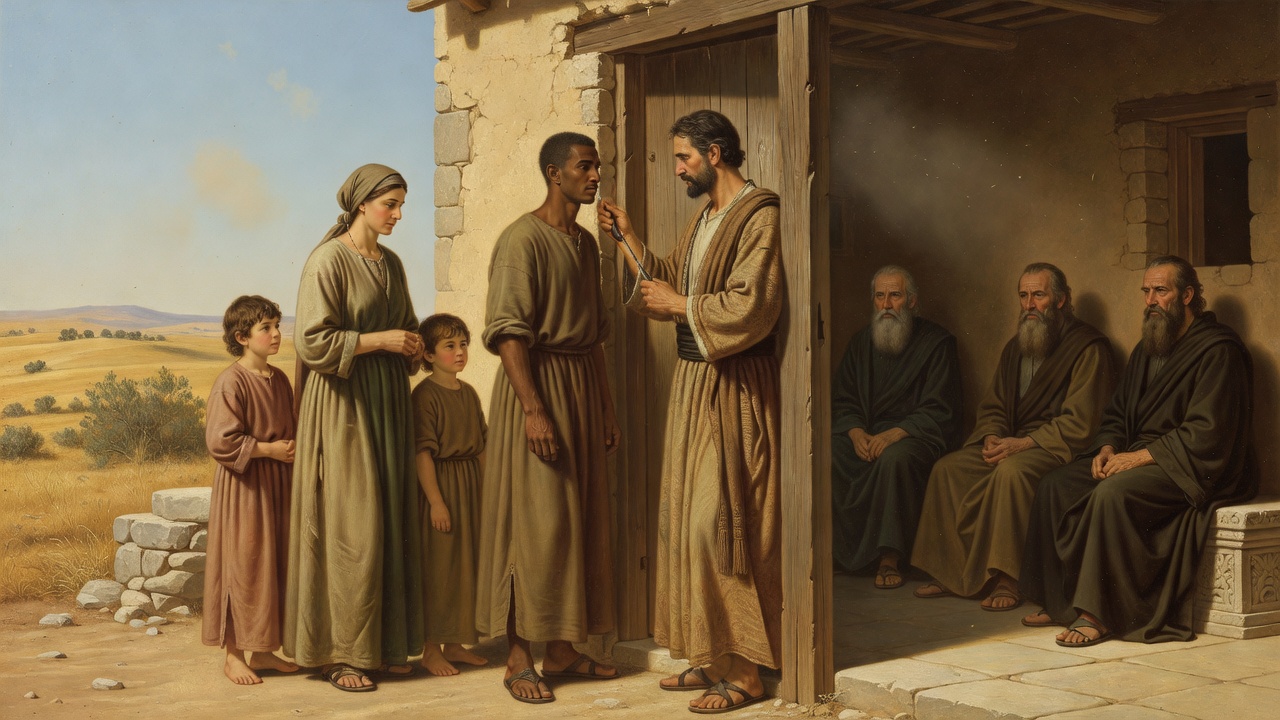
- Un siervo hebreo que era comprado servía seis años y quedaba libre en el séptimo año sin pagar nada. Se iba solo si había llegado solo, o con su esposa si había llegado con ella, pero la esposa dada por el amo y los hijos que ella tuviera permanecían con el amo. Si el siervo declaraba que amaba a su amo, a su esposa y a sus hijos y no quería quedar libre, el amo lo llevaba ante los jueces, le perforaba la oreja con una lezna en la puerta o en el poste, y él servía de por vida.Fuentes: el propio texto bíblico
- Quien golpeara y matara a un hombre debía ser muerto. Si no había estado al acecho, sino que Dios había permitido que sucediera, se designaba un lugar adonde pudiera huir; pero si tramaba y actuaba deliberadamente para matar a su prójimo, se lo apartaba incluso del altar para darle muerte. Quien golpeara o maldijera a su padre o a su madre, y quien secuestrara a otro hombre, ya fuera que lo vendiera o que el hombre fuera hallado en su poder, también debía ser muerto.Fuentes: el propio texto bíblico
- Si unos hombres reñían y uno golpeaba al otro con una piedra o con el puño, de modo que quedaba en cama pero no moría, el agresor quedaba impune una vez que el herido podía caminar afuera con su bastón, pero debía compensar el trabajo perdido y procurar que sanara por completo. Si resultaba una lesión grave, se exigía vida por vida, ojo por ojo, diente por diente, mano por mano, pie por pie, quemadura por quemadura, herida por herida y azote por azote. Si un hombre golpeaba y cegaba el ojo o le sacaba un diente a su siervo o a su sierva, debía dejarlo ir libre como compensación.Fuentes: el propio texto bíblico
Notas escritas con ayuda de IA a partir de fuentes abiertas (Theographic Bible Metadata, CC BY-SA 4.0; Easton’s Bible Dictionary, dominio público) y revisadas antes de publicarse.
Créditos y licencia de esta traducción
Kitabu ka Kanu
Portions of the Holy Bible in the Baga Sitemu language of Guinea
Des portions de la Sainte Bible dans la langue Baga Sitemu de Guinée
copyright © 2015 Pioneer Bible Translators
Language: Baga Sitemu
Translation by: Traducteurs Pionniers de la Bible
Contributor: Pioneer Bible Translators
This translation is made available to you under the terms of the
Creative Commons Attribution Share-Alike license 4.0.
You have permission to share and redistribute this Bible translation in any format and to make reasonable revisions and adaptations of this translation, provided that:
You include the above copyright and source information.
If you make any changes to the text, you must indicate that you did so in a way that makes it clear that the original licensor is not necessarily endorsing your changes.
If you redistribute this text, you must distribute your contributions under the same license as the original.
Pictures included with Scriptures and other documents on this site are licensed just for use with those Scriptures and documents.
For other uses, please contact the respective copyright owners.
Note that in addition to the rules above, revising and adapting God's Word involves a great responsibility to be true to God's Word. See Revelation 22:18-19.
2025-04-29
Fuente: http://ebible.org/bsp/ · eBible.org