Deuteronomio 9
Kitabu ka Kanu · Toca un versículo para ver sus referencias cruzadas.
Kanu kəmbaŋ tɔf teta bəkəc yɛlɛc
1Məcəŋkəl Yisrayel! Kəcali kɔ mənder mɔkɔ kəŋgbɔkɔ ka Yurdɛn, məkɔbaŋ tɔf yɔpɔŋ nyɛ yɔyɔ sɔkət yɛtas əm, sədare səpɔŋ nsɛ sibiŋkəli sayi səŋsɔ kɔm mɔ, 2tɔf ya afum apɔŋ ŋaŋɛc tɛcəmɛ yuruya ya Anak akakɔ məncərɛ, aŋɛ məne pacloku taŋan mɔ: «An'ɛntam kəcəmɛ yuruya ya Anak dɛbəkəc-ɛ?» 3Məcərɛ mɔkɔ a MARIKI Kanu kam kəsol'am pəmɔ nɛnc ndɛ dɔncɔf kulum fɔr yam kiriŋ mɔ. Nkɔn endekɔləsər aterɛnɛ, nkɔn endekɔlapəs ŋa fɔr yam kiriŋ, məndekɔbaŋər ŋa atɔf ŋaŋan, mədifət ŋa katəna, pəmɔ tɔkɔ MARIKI olok'əm ti mɔ.
4Kɔ MARIKI Kanu kam kəndekɔwɛnəs ŋa fɔr yam kiriŋ-ɛ, ta mədekɔ məclokunɛ dɛbəkəc: «Teta dolompu dem tɔsɔŋɛ ntɛ MARIKI eyi kəsɔŋ'em kəbaŋ atɔf ŋaŋɛ mɔ!» Mba teta dɛlɛc bəkəc da afum akakɔ dɔsɔŋɛ ntɛ MARIKI eyi kəbaŋərɛ ŋa fɔr yam kiriŋ tɔf yaŋan mɔ. 5Ala, bafɔ teta dosoku dam abəkəc kɔ dolompu dam dɔsɔŋɛ ntɛ məndebaŋ tɔf yaŋan mɔ, mba teta dɛlɛc bəkəc da afum akakɔ dɔ MARIKI Kanu kam eyi kəbaŋərɛ ŋa yi fɔr yam kiriŋ, kəmentər əm sɔ kəcəmɛ darəŋ ka kədɛrəm nkɛ ɛnadɛrmɛ atem am Abraham, Siyaka, kɔ Yakuba mɔ. 6Awa məcərɛ oŋ a bafɔ teta dolompu dam tɔ MARIKI Kanu kam kəyi kəsɔŋ'am antɔf ŋobotu ŋaŋɔkɔ ntɛ tɔŋsɔŋɛ məbaŋ ŋi mɔ. Bawo fum wətaŋi ləŋəs məyɔnɛ!
Tɛrəŋka ta tura towut
7Məcɛm-cɛmnɛ, ta məpələrnɛ a mənadəktər MARIKI Kanu kam haŋ pətɛlɛ kɔ nde dətɛgbərɛ. Kəyɛfɛ dɔsɔk ndɛ nəwur atɔf ŋa Misira haŋ dɔsɔk ndɛ nəmbɛrɛ nnɔ kəfo kaŋkɛ mɔ, nəncyeŋkər kəyeŋkər dəm MARIKI domp. 8Nde tɔrɔ ta Horɛb, nənadəktər MARIKI, kɔ pəntɛlɛ kɔ nnɔ nəyi mɔ haŋ k'ɛfaŋ kəmələk nu. 9Ntɛ inapɛ nde dətɔrɔ kəkɔbaŋ walakɛ wa masar mɔ, walakɛ wa danapa ndɛ MARIKI ɛnasek kɔ nəna mɔ, k'iyi dəndo tɔrɔ kəroŋ mata wəco maŋkəlɛ (40), pibi kɔ daŋ, incdi fɛ yeri, incmun fɛ. 10Kɔ MARIKI ɔsɔŋ im walakɛ wa masar wawɔkɔ mɛrəŋ, nwɛ nkɔn Kanu ɛnacicɛ kəca kɔn mɔ, moloku min mayi kɔ mɔkɔ ɛnaloku nu nde tɔrɔ kəroŋ, pəyi nɛnc disrɛ dɔsɔk dadɔkɔ analoŋkanɛ mɔ. 11Dəkələpsər da mata wəco maŋkəlɛ (40) dadɔkɔ, kɔ MARIKI ɔsɔŋ im walakɛ wa masar mɛrəŋ wa danapa.
12Awa, kɔ MARIKI olok'im: «Məyɛfɛ məkufɛ kətor, bawo afum am aŋɛ məwurɛnɛ atɔf ŋa Misira mɔ ŋantalərnɛ. Ŋaŋgbaymɛ katəna dɔpɔ ndɛ incicɛ ŋa mɔ, ŋalompsɛ ŋasərka tɛrəŋka.» 13Kɔ MARIKI olok'im: «Inəŋk afum akaŋɛ, afum ataŋi ləŋəs ŋɔ. 14Məsak im imələk ŋa, inim ŋa mewe antɔf kəroŋ. Indesɔŋɛ məna Musa kəyɔnɛ wəka afum a atɔf ŋɔpɔŋ aŋɛ ŋandeyɔ sɔkət, ŋala ŋatas akaŋɛ mɔ.» 15K'iŋgbɔkərɛ sɔ kətor kəyɛfɛ tɔrɔ kəroŋ, walakɛ wa masar wa danapa nwɛ mɛrəŋ wey'im dəwaca, tɛtəŋnɛ tɔrɔ fəp pɛcmar nɛnc. 16K'inəŋk ntɛ nənciya MARIKI Kanu konu mɔ, kɔ nəlompsɛ nənasərka tɛrəŋka ta tura towut, kɔ nəŋgbaymɛ katəna dɔpɔ dɔkɔ MARIKI ɛnacicɛ nu mɔ. 17K'isumpər walakɛ wa masar wawɔkɔ mɛrəŋ, k'iŋgbalɛ wi waca wem mɛrəŋ, k'iwɔkəc wi fɔr yonu kiriŋ.
Musa ɛlɛtsɛnɛ MARIKI teta aka Yisrayel
18K'iŋkɔ itɛmpɛnɛ MARIKI fɔr kiriŋ, pəmɔ tɔkɔ inayɔ ti tɔcɔkɔ-cɔkɔ mɔ. Mata wəco maŋkəlɛ (40), pibi kɔ daŋ, incdi fɛ yeri, incmun fɛ teta kiciya fəp kəŋkɔ nənaciya mɔ, bawo nənadəktər MARIKI kəyɔ ka tɔkɔ tɔŋsɔŋɛ kɔ mɛtɛlɛ mɔ. 19Bawo inanesɛ mɛtɛlɛ kɔ abəkəc ŋa MARIKI kəpɛ, ntɛ pənatɛlɛ kɔ pəpɔŋ nnɔ nəyi mɔ haŋ pəfaŋ kəmələk nu. Mba tantɛ sɔ kɔ MARIKI ɛncəŋkəl kəlɛtsɛnɛ kem. 20Bel-bel bɔ pənatɛlɛ MARIKI nnɔ Aruna eyi mɔ haŋ pəfaŋ kəmələk kɔ, mba k'ilɛtsɛnɛ sɔ teta Aruna dɔsɔk dadɔkɔ. 21K'ilɛk tura towut tatɔkɔ, kiciya kaŋkɔ nənaciya mɔ, k'iŋgbal pi dənɛnc, k'incatki-catki pi, k'imbifəli pi haŋ kɔ pɔyɔnɛ kəbof, k'iŋkɔ igbal kəbof kaŋkɔ dəndo kəŋgbɔkɔ kaŋkɔ kəntor kəyɛfɛ ka nde dətɔrɔ mɔ.
22Nde Tabera, nde Masa, kɔ nde Kibərot Tawa nənagbɔkərɛ sɔ kədəktər MARIKI haŋ pətɛlɛ kɔ. 23Ntɛ MARIKI ɛnasom nu kəyɛfɛ Kadɛs Barneya, pəcloku: «Nəyɛfɛ nəkɔ nəwɛkərnɛ nəbaŋ atɔf ŋɔkɔ isɔŋ nu mɔ,» kɔ nəyeŋkər sɔ mosom ma MARIKI Kanu konu səbomp, nənalaŋ fɛ kɔ, nənacəŋkəl fɛ dim dɔn. 24Nəyeŋkər kəyeŋkər dəm MARIKI səbomp kəyɛfɛ ntɛ incərɛ nu mɔ.
25Ti tɛnasɔŋɛ k'intɛmpɛnɛ MARIKI fɔr kiriŋ mata wəco maŋkəlɛ (40), pibi kɔ daŋ, bawo MARIKI ɛnaloku kəfaŋ kəmələk nu. 26K'ilɛtsɛnɛ MARIKI, k'iloku: «MARIKI Wəbɛ kem, ta məmələk afum am, aŋɛ ŋayɔnɛ kɛ kam nkɛ məwurusɛ debeki dam, nkɛ mənawurɛnɛ atɔf ŋa Misira kəca ka sɔkət mɔ! 27Məcɛm-cɛmnɛ Abraham, Siyaka, kɔ Yakuba acar am. Ta məcɛpsər dɛtaŋi ləŋəs, dɛlɛc bəkəc kɔ kiciya ka afum akaŋɛ, 28ta tedesɔŋɛ afum a atɔf ŋɔkɔ məwurɛnɛ su mɔ, ŋadeloku: ‹Bawo MARIKI ɛntam fɛ kəbɛrsɛnɛ ŋa antɔf ŋɔkɔ ɛnadɛrəm kəsɔŋ ŋa mɔ, kɔ pəyɔnɛ fɛ ti-ɛ, bawo MARIKI enter ŋa, it'owurɛnɛ ŋa kəkɔdifət nde dətɛgbərɛ.› 29Afum am ŋɔ, kɛ kam nkɛ mənawurɛnɛ fənɔntər fam fəpɔŋ kɔ kəca kam kətenci mɔ.»
¿Sabías que…?
No por la justicia de Israel
- Moisés advierte a Israel de que su entrada en Canaán no se debe a su propia rectitud moral, calificando al pueblo abiertamente de obstinado o de dura cerviz. La conquista se atribuye más bien a la corrupción de las naciones locales y a la fidelidad divina al pacto jurado a Abraham, Isaac y Jacob.Fuentes: el propio texto bíblico · Abraham · Isaac · Jacob (Israel)
- El pasaje hace referencia a los anaceos, descendientes de Anac conocidos por su gran estatura y fuerza, que habitaban ciudades fuertemente fortificadas en Canaán. Su fama había intimidado con anterioridad a los israelitas ante la perspectiva de entrar en la tierra.Fuentes: el propio texto bíblico · Anak
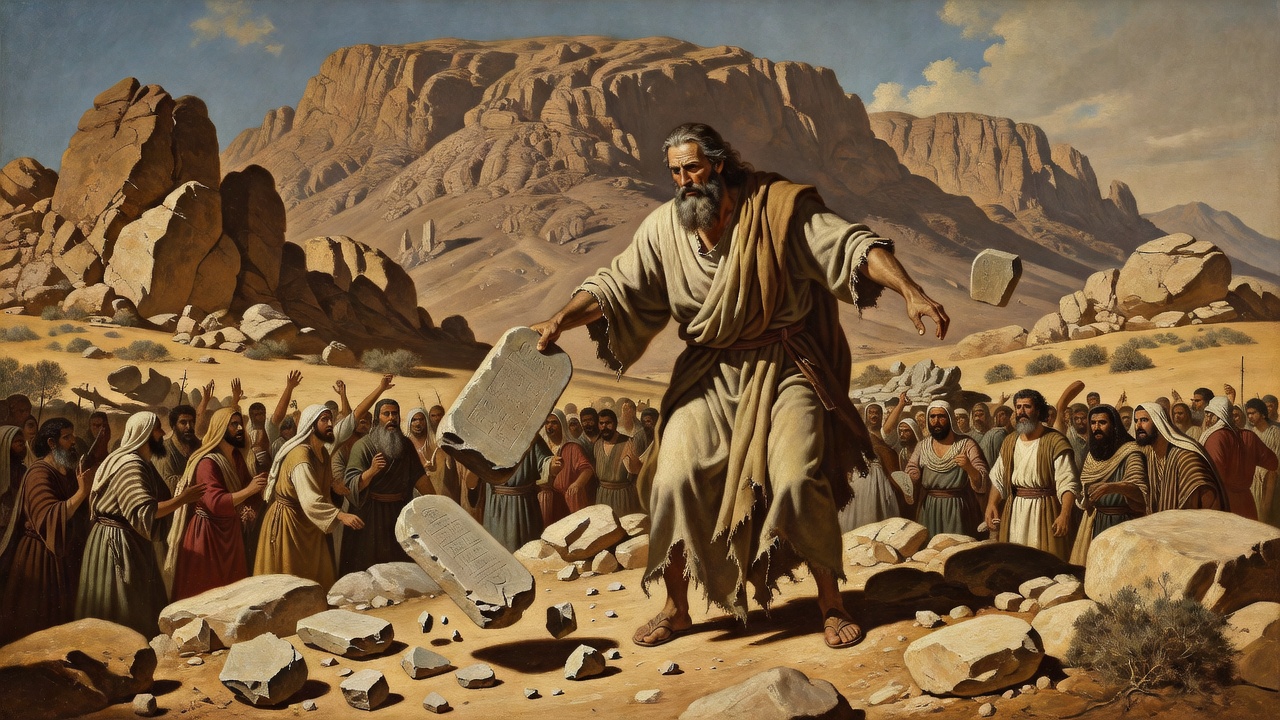
- Para subrayar el historial de rebelión de Israel, Moisés recuerda el becerro de oro en Horeb, donde rompió las dos tablas de piedra e intercedió por el pueblo y por Aarón. También resalta las continuas crisis en el desierto, incluidos los incidentes en Taberá, Masah y Quibrot-hataava.Fuentes: el propio texto bíblico · Horeb · Aaron · Taberah
Notas escritas con ayuda de IA a partir de fuentes abiertas (Theographic Bible Metadata, CC BY-SA 4.0; Easton’s Bible Dictionary, dominio público) y revisadas antes de publicarse.
Lugares de este capítulo
- Jordan · Hoy: Jordan River · 31.761, 35.558 · versículo 1
- Egypt · 30.129, 31.308 · versículos 7, 12, 26, 29
- Mount Horeb · Hoy: Jebel Musa · 28.540, 33.973 · versículo 8
Solo aparecen lugares identificados con alta confianza (90 % o más según las fuentes académicas reunidas por OpenBible). Mapa de la época: DARE (Digital Atlas of the Roman Empire), CC BY 4.0; mapa actual: © colaboradores de OpenStreetMap; lugares: OpenBible.info (CC BY 4.0).
Créditos y licencia de esta traducción
Kitabu ka Kanu
Portions of the Holy Bible in the Baga Sitemu language of Guinea
Des portions de la Sainte Bible dans la langue Baga Sitemu de Guinée
copyright © 2015 Pioneer Bible Translators
Language: Baga Sitemu
Translation by: Traducteurs Pionniers de la Bible
Contributor: Pioneer Bible Translators
This translation is made available to you under the terms of the
Creative Commons Attribution Share-Alike license 4.0.
You have permission to share and redistribute this Bible translation in any format and to make reasonable revisions and adaptations of this translation, provided that:
You include the above copyright and source information.
If you make any changes to the text, you must indicate that you did so in a way that makes it clear that the original licensor is not necessarily endorsing your changes.
If you redistribute this text, you must distribute your contributions under the same license as the original.
Pictures included with Scriptures and other documents on this site are licensed just for use with those Scriptures and documents.
For other uses, please contact the respective copyright owners.
Note that in addition to the rules above, revising and adapting God's Word involves a great responsibility to be true to God's Word. See Revelation 22:18-19.
2025-04-29
Fuente: http://ebible.org/bsp/ · eBible.org