Deuteronomio 20
Kitabu ka Kanu · Toca un versículo para ver sus referencias cruzadas.
Sariyɛ səlɔma teta dəkəwan
1«Kɔ mənde məckɔ dəkəwan kɔ aterɛnɛ am, məcnəŋk fəlɛs, cibil ca dəkəwan, kɔ afum ayɛfərɛnɛ ŋala nu-ɛ, ta mənesɛ, bawo MARIKI Kanu kam nkɛ kəmpɛn'am atɔf ŋa Misira mɔ, eyi kɔ məna. 2Kɔ tɛm tosutɛnɛ tɔlɔtərnɛ-ɛ, wəloŋnɛ pəlɔtərnɛ asutɛnɛ anu, pəlok-lokər ŋa. 3Pəloku ŋa: ‹Məcəŋkəl Yisrayel! Kəkɔ kɔ nənder mɔkɔ dəkəbəpɛnɛ kəsutɛnɛ kɔ aterɛnɛ anu. Ta abɔc ŋɛbɛrɛ nu dəbəkəc, ta nənesɛ, ta pəyi nu yamayama, ta nəyikcɛ fɔr yaŋan kiriŋ. 4Bawo MARIKI Kanu konu kəsol kɔ nəna, ntɛ tɔŋsɔŋɛ pəsutɛnɛnɛ nu nnɔ aterɛnɛ anu ŋayi mɔ, pəyac nu sɔ.›
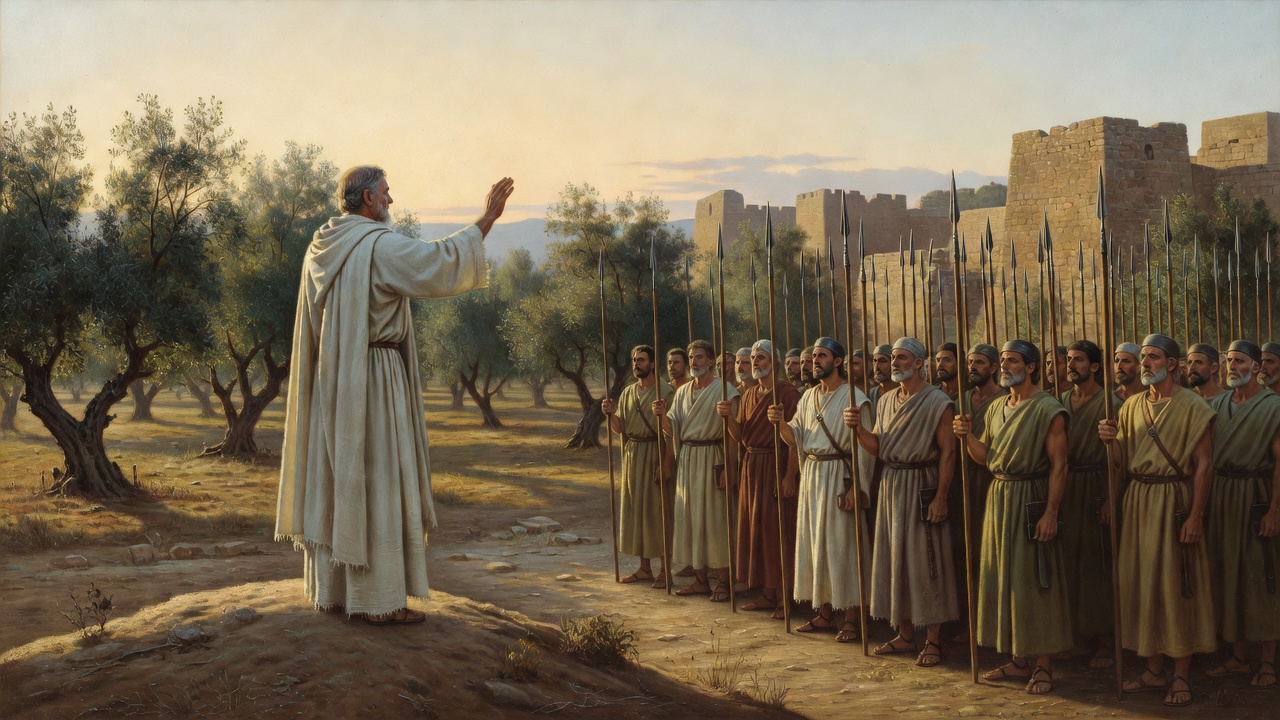
5Atubuc mes ŋaloku afum ntɛ: ‹An'ɔlɔ kəlɔ kofu k'ɛntatɔpus ki-ɛ? Wəkayi pəlukus nde kəlɔ kɔn, ta pədefi dəkəwan wəlɔma pəkɔpus ki. 6An'ɔbɔf ŋgbɔŋkəlɔ ya wɛn a k'ɛntatɔfɔcəs yokom ya wi kərɛsna-ɛ? Wəkayi pəlukus nde kəlɔ kɔn, ta pədefi nnɔ dəkəwan, wəlɔma pədekɔmun wɛn wawɔkɔ! 7An'ɛfac wəran wəyecəra a k'ɛntatɔnɛncɛ kɔ-ɛ? Wəkayi pəlukus nde kəlɔ kɔn, ta pədefi nnɔ dəkəwan, wəlɔma pədekɔnɛncɛ kɔ!› 8Atubuc mes ŋanɔcər sɔ kəyif afum: ‹An'enesɛ-ɛ? An'abɔc ŋɛmbɛrɛ-ɛ? Wəkayi pəlukus nde kəlɔ kɔn, ta pədesɔŋɛ awɛnc aŋa bəkəc kəsəŋgbər pəmɔ nkɔn.› 9Kɔ atubuc mes ŋalip kəloku moloku mamɔkɔ afum-ɛ, ŋacəmbər oŋ akiriŋ asutɛnɛ cəgba cəgba ca afum.
10Kɔ nəlɔtərnɛ kəwɛkərnɛ dare dɔlɔma kəsutɛnɛ-ɛ, nənuŋkɛnɛ kəloku ŋa kətəŋnɛ. 11Kɔ aka dare dadɔkɔ ŋawosɛ nu moloku ma kətəŋnɛ, ŋagbitɛ nu cumba-ɛ, afum aŋɛ ŋayi dare dadɔkɔ mɔ fəp, nəcəmbər ŋa yɛbəc yonu. Ŋayɔnɛ acar anu. 12Kɔ ŋantɔwosɛ nu kətəŋnɛ, ŋawosɛ kəsutɛnɛ kɔ nəna-ɛ, nəkɛl dare dadɔkɔ. 13MARIKI Kanu konu ɛŋlɛk dare dadɔkɔ pəbɛr nu dəwaca, nədiftɛ arkun fəp sakma. 14Mba nəntam kəfoŋət aran, awut, yɔcɔl kɔ daka ndɛ o ndɛ nəmbəp dare dadɔkɔ mɔ fəp, nəyɔ yɛŋən daka o daka da aterɛnɛ anu, bawo MARIKI Kanu konu kəsɔŋ nu di. 15Tatɔkɔ tɔ nəndekɔ nəcyɔ sədare səkɔ səmbɔlɛ nu mɔ fəp, sədare sasɔkɔ səntɔyɔnɛ nsɛ nəndekɔndɛ mɔ. 16Mba aka sədare nsɛ MARIKI Kanu kam endekɔsɔŋ nu kɛ kəndɛ mɔ, ali paka pin ta nəsak mpɛ peŋesəm mɔ. 17Nəsut haŋ nəmələk aHit, aka Amɔr, aKanaŋ, aPerisi, aHiwy, kɔ aYebus pəmɔ tɔkɔ MARIKI Kanu konu kəsom nu ti mɔ, 18ntɛ tɔŋsɔŋɛ ta ŋadekɔtəksɛ nu pəyikyik mpɛ MARIKI enter mɔ fəp. Pəyikyik pɔ mpɛ ŋaŋyɔnɛ canu cəŋan, mpɛ pɛntam kəsɔŋɛ nu kəciya nnɔ MARIKI Kanu konu kəyi mɔ.
19Kɔ nəndekɔwon kəkɛl dare ndɛ nəfaŋ kəwɛkərnɛ, nəbaŋ di mɔ-ɛ, ta nədot momunt kəcɛpəs tɔk yokom ya kulum kəŋan. Iyɔ nənde nəcdi yokom ya yi, awa, ta nəcɛp yi. Kətɔk fum ɔfɔ, nwɛ ɛntam kəkɔ dəkəwan mɔ ba? 20Mba nəntam kələsər nəcɛpəs tɔk nyɛ nəncərɛ a bafɔ tɔk yokom yɔ nyɛ andi mɔ. Nəntam kəcɛp nəlompsɛ yi yosutnɛnɛ nyɛ nəndekɔkɛl dare dadɔkɔ, nətam di haŋ samba sa di sətɛmpɛnɛ mɔ.»
¿Sabías que…?
Leyes sobre la Guerra
- Antes de entrar en combate, los oficiales israelitas anunciaban exenciones específicas del servicio militar, liberando a los hombres que hubieran construido una casa aún no dedicada, plantado una viña aún no cosechada, estuvieran comprometidos para casarse o sintieran temor.Fuentes: el propio texto bíblico
- La ley establecía normas de guerra distintas para las ciudades lejanas en comparación con las de la Tierra Prometida; a las ciudades lejanas se les ofrecían primero términos de paz, mientras que los habitantes de las naciones locales debían ser destruidos por completo para evitar la idolatría.Fuentes: el propio texto bíblico
- Durante asedios prolongados, se prohibía a las fuerzas israelitas talar árboles frutales para construir obras de asedio, limitando la tala únicamente a los árboles que sabían que no producían alimento.Fuentes: el propio texto bíblico
Notas escritas con ayuda de IA a partir de fuentes abiertas (Theographic Bible Metadata, CC BY-SA 4.0; Easton’s Bible Dictionary, dominio público) y revisadas antes de publicarse.
Lugares de este capítulo
- Egypt · 30.129, 31.308 · versículo 1
Solo aparecen lugares identificados con alta confianza (90 % o más según las fuentes académicas reunidas por OpenBible). Mapa de la época: DARE (Digital Atlas of the Roman Empire), CC BY 4.0; mapa actual: © colaboradores de OpenStreetMap; lugares: OpenBible.info (CC BY 4.0).
Créditos y licencia de esta traducción
Kitabu ka Kanu
Portions of the Holy Bible in the Baga Sitemu language of Guinea
Des portions de la Sainte Bible dans la langue Baga Sitemu de Guinée
copyright © 2015 Pioneer Bible Translators
Language: Baga Sitemu
Translation by: Traducteurs Pionniers de la Bible
Contributor: Pioneer Bible Translators
This translation is made available to you under the terms of the
Creative Commons Attribution Share-Alike license 4.0.
You have permission to share and redistribute this Bible translation in any format and to make reasonable revisions and adaptations of this translation, provided that:
You include the above copyright and source information.
If you make any changes to the text, you must indicate that you did so in a way that makes it clear that the original licensor is not necessarily endorsing your changes.
If you redistribute this text, you must distribute your contributions under the same license as the original.
Pictures included with Scriptures and other documents on this site are licensed just for use with those Scriptures and documents.
For other uses, please contact the respective copyright owners.
Note that in addition to the rules above, revising and adapting God's Word involves a great responsibility to be true to God's Word. See Revelation 22:18-19.
2025-04-29
Fuente: http://ebible.org/bsp/ · eBible.org