Deuteronomio 11
Kitabu ka Kanu · Toca un versículo para ver sus referencias cruzadas.
Kəcɛm-cɛməs ka tɔkɔ Kanu kəyɔnɛ aka Yisrayel mɔ
1Mədekɔ məbɔtər MARIKI Kanu kam, məde məleləs mɛmɛŋkərnɛ mɔn, məde məmɛŋkərnɛ dɔsɔk o dɔsɔk mɔyɔ mokur mɔn, sariyɛ sɔn, kɔ mosom mɔn. 2Awa nəcərɛ mɔkɔ a bafɔ awut anu ŋ'iyi kəlok-lokər akɔ ŋanatɔcərɛ, ta ŋanəŋk sɔ mi mɔ de, mba nəna ŋ'iŋle, nəna aŋɛ nənayɔnɛ atəŋnɛ tes ta kədusum ka MARIKI Kanu konu, ta debeki dɔn, kɔ sɔkət sa kəca kɔn kətenci mɔ. 3Nənayɔnɛ sɔ atəŋnɛ tes ta mɛgbɛkərɛ mɔn kɔ mɔyɔ mɔn, mmɛ ɛnayɔ firawona wəbɛ wəka Misira kɔ aka atɔf ŋɔn fəp Misira dacɔ mɔ. 4Nənayɔnɛ sɔ atəŋnɛ tes ntɛ ɛnayɔ asɔdar aka Misira mɔ, fəlɛs yɔn, cibil cɔn ca dəkəwan, ntɛ MARIKI ɛnakal asɔdar akakɔ domun da kəba ka Cəŋkɔlma mɔ, ntɛ ŋanacəmɛ nu darəŋ kəbɛləs mɔ, tɔkɔ MARIKI ɛmələk ŋa haŋ mɔkɔ mɔ. 5Nənayɔnɛ sɔ atəŋnɛ mɔyɔ mmɛ ɛnayɔ nde dətɛgbərɛ haŋ kɔ nənder nəbɛrɛ nnɔ kəfo kaŋkɛ mɔ, 6tɔkɔ MARIKI ɛnayɔ Dataŋ kɔ Abiram wan ka Eliyab wansɔ ka Ruben fɔr ya aka Yisrayel fəp kiriŋ, ntɛ antɔf ŋɛnawani kusu kɔ ŋemer ŋa kɔ aka kəlɔ kəŋan disrɛ kəlɛkɛnɛ cəbal cəŋan haŋ kəbəp ca cəŋan fəp. 7Iŋlok-lokər nu bawo fɔr yonu yati yɔ nənanəŋkɛ tes tɔpɔŋ ntɛ o ntɛ MARIKI ɛnayɔ mɔ. 8Awa, nədekɔ nəmɛŋkərnɛ tosom fəp ntɛ iyi kəsom nu mɔkɔ mɔ, ntɛ tɔŋsɔŋɛ nədekɔsɔtɔ sɔkət səkɔnɛ nəbaŋ atɔf ŋɔkɔ ŋendeyɔnɛ ŋonu mɔ, 9ntɛ tɔŋsɔŋɛ nədekɔbɔlsɛ mataka monu atɔf nŋɛ MARIKI ɛnadɛrmɛ atem anu kəsɔŋ ŋa kɔ yuruya yaŋan, atɔf ŋaŋɔkɔ ŋomboŋ dalɛ k’awop mɔ.
Antɔf nŋɛ MARIKI ɛŋgbɛkərɛ mɔ
10Atɔf ŋɔkɔ məŋkɔbaŋ ŋɔyɔnɛ ŋam mɔ ŋeyi fɛ pəmɔ antɔf ŋa Misira nŋɛ məyɛfɛ mɔ, nde məncgbal defet məcloŋsərɛ di domun wɛcək wam pəmɔ ntɛ fum endeloŋsər dəkəbɔfət-bɔfət yeri domun mɔ. 11Atɔf nŋɛ nəndecepər kəkɔbaŋ ŋɔyɔnɛ ŋonu mɔ, antɔf ŋa mɔrɔ kəroŋ kɔ mɔrɔ dacɔ ŋɔ, nŋɛ ŋoŋmun domun da wəcafən mɔ. 12Antɔf ŋɔ ŋɔyɔnɛ nŋɛ MARIKI Kanu kam kəŋgbɛkərɛ mɔ, nŋɛ kəmbumɛ fɔr kəyɛfɛ dəkəcop haŋ dəkələpsər da teren mɔ.
13Kɔ nəncəŋkəl mosom mem pəmɔ ntɛ iyi mi kəsom nu mɔkɔ mɔ, nəbɔtər MARIKI Kanu konu, nəcsalɛnɛ kɔ bəkəc yonu yosoku pɛs, kɔ mera yonu fəp-ɛ, 14MARIKI oloku: «Indesɔŋ antɔf ŋonu wəcafən tɛm ntɛ pəmar pəder mɔ, kəyɛfɛ mɔlɔfɛ haŋ lɛŋk, tɛm tatɔkɔ məntɛl mɛŋgbɛn mam, məpim yokom ya wɛn wam kɔ yokom ya moro mam. 15Iŋsɔŋɛ sɔ yika kəcpoŋɛ yɔcɔl yam dalɛ. Yeri yedeyi, məcnɛmbərɛ.»
16Nəkɛmbərnɛ kəsaknɛ patiŋkər nu, nəgbaymɛ nəcsalɛnɛ canu cəcuru, nəctontnɛ fɔr ya ci kiriŋ. 17Mɛtɛlɛ ma MARIKI mɛmbɛk nnɔ nəyi mɔ, pəgbət kɔm, wəcafən ɔfɔsɔtuf. Antɔf ŋɔfɔsɔtesɛ yɔbɔf, nəfɔwon kəfis-fis katəna dəndo atɔf ŋɔtɔt ŋaŋɔkɔ MARIKI ɔŋkɔsɔŋ nu mɔ. 18Nədekɔ nəbɛrnɛ dəbəkəc kɔ dəmera moloku mmɛ iyi kəloku nu mɔ. Nəsektərɛnɛ mi dəwaca pəmɔ tɛgbɛkərɛ, mey'əm dətobu fɔr yam dacɔ. 19Nədekɔ nəctəksɛ mi awut anu nəcloku ŋa mi kɔ nəndekɔyi wɔlɔ wonu, kɔ nəndekɔ nəckɔt, kɔ nəndekɔ nəcfəntərɛ, kɔ nəndekɔ nəcyɛfɛ. 20Nədekɔ nəcic mi fərɛm fa cumba ca wɔlɔ wonu kɔ dəcusuŋka ca sədare sonu. 21Awa mataka monu kɔ ma awut anu antɔf kəroŋ nŋɛ MARIKI ɛnadɛrmɛ kəsɔŋ atem anu mɔ, mendela pəmɔ dɛlay da mataka ma kɔm kɔ antɔf.
22Kɔ nəmɛŋkərnɛ tosom tantɛ iyi kəsom nu mɔ, kɔ nəcəmɛ sɔ ti darəŋ, nəbɔtər MARIKI Kanu konu, nəcəmɛ səpɔ sɔn fəp darəŋ, nəsektərnɛ kɔ-ɛ, 23MARIKI endekɔbaŋər fɔr yonu kiriŋ afum akakɔ fəp tɔf yaŋan, nəna nəkɔ nəbaŋ tɔf ya afum aŋɛ ŋala nu kɔ ŋambɛk sɔ sɔkət ŋatas nu mɔ. 24Kəfo nkɛ o nkɛ kɔ nəndekɔcəmbər wɛcək wonu kəŋyɔnɛ konu: Kələncər konu kəndekɔyɛfɛ dətɛgbərɛ haŋ Libaŋ, kɔ kəyɛfɛ ka kəŋgbɔkɔ ka Ɛfərat haŋ nde kəba ka nde dec dɛŋkalɛ mɔ. 25Ali fum ɔfɔdekɔsimsər nu. MARIKI Kanu konu endekɔsɔŋɛ afum aka tɔf yayɔkɔ nəndekɔbəp mɔ fəp kənesɛ kɔ ayek-yek, pəmɔ tɔkɔ ɛnaloku nu ti mɔ.
26Məcəŋkəl, incəmbər mɔkɔ kəpocɛ pətɔt kɔ kəpocɛ pəlɛc fɔr yonu kiriŋ: 27Kəpocɛ pətɔt, kɔ nəncəŋkəl mosom ma MARIKI Kanu konu mmɛ iyi kəsom nu mɔkɔ mɔ-ɛ. 28Kɔ kəpocɛ pəlɛc, kɔ nəntɔcəŋkəl mosom ma MARIKI Kanu konu mmɛ iyi kəsom nu mɔ, nəgbaymɛ dɔpɔ dɔkɔ iyi kəcicɛ nu mɔkɔ mɔ, nəcsalɛnɛ canu cəcuru ncɛ nəntɔcərɛ mɔ-ɛ.
29Kɔ MARIKI Kanu kam kəndekɔbɛrs'am atɔf ŋɔkɔ məŋkɔbaŋ ŋɔyɔnɛ ŋam mɔ-ɛ, mədekɔ məcam pətɔt nde tɔrɔ ta Karisim kəroŋ, məcam pəlɛc nde tɔrɔ ta Ebal kəroŋ. 30Kəca ka Yurdɛn kɔ mɔrɔ mamɔkɔ meyi ntende dec dɛŋkalɛ mɔ, nde atɔf ŋ'aKanaŋ akɔ ŋayi Araba ŋatɛfərɛnɛ kɔ Kilkal, nde tɔk yɔpɔŋ ya More kəsək. 31Məcam moloku mamɔkɔ dəndo, bawo kəcali kɔ nənder Yurdɛn, nəkɔbaŋ atɔf ŋɔkɔ MARIKI Kanu konu kəsɔŋ nu mɔ, nəndekɔbaŋ ŋi nəndɛ. 32Nədekɔ nəmɛŋkərnɛ kəcəmɛ ka sariyɛ fəp kɔ mɔyɔ mokur darəŋ, mmɛ iyi kəcəmbər fɔr yonu kiriŋ mɔkɔ mɔ.
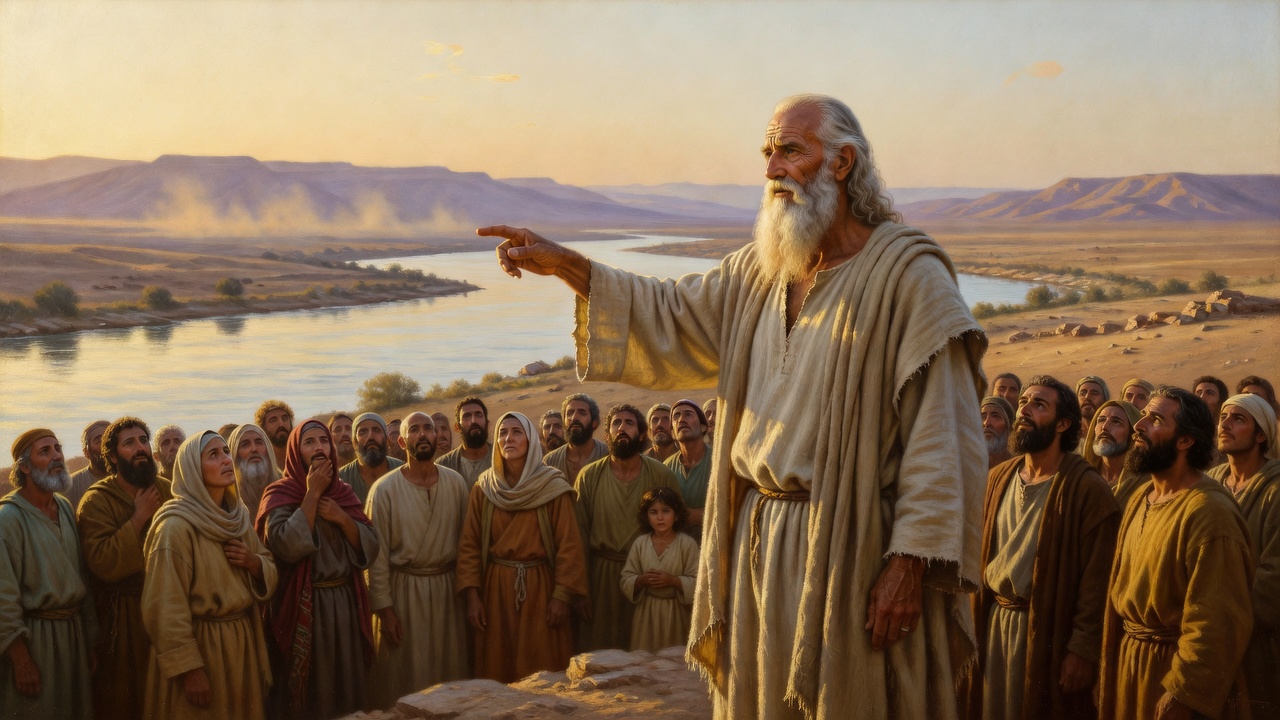
¿Sabías que…?
Amor, Obediencia y la Tierra de las Lluvias
- Moisés contrasta la agricultura en Egipto con la vida en la Tierra Prometida. Mientras que en el valle del Nilo los cultivos dependían del riego manual, descrito como regar a pie como un huerto, Canaán era una tierra de montes y valles que dependía de las lluvias estacionales de otoño y primavera.Fuentes: el propio texto bíblico · Egypt
- El discurso apela a la memoria de los israelitas que presenciaron los hechos, recordándoles el juicio sobre Datán y Abiram, hijos del rubenita Eliab. Durante la travesía en el desierto, la tierra se abrió y se tragó a estos hombres junto con sus familias y pertenencias.Fuentes: el propio texto bíblico · Dathan · Abiram (son of Eliab) · Eliab
- El territorio prometido se delimita desde el desierto meridional hasta las montañas del Líbano, y desde el río Éufrates hasta el mar Occidental. Tras cruzar el Jordán, el pueblo debía proclamar las bendiciones en el monte Gerizim y las maldiciones en el monte Ebal.Fuentes: el propio texto bíblico · Lebanon · Euphrates · Jordan
Notas escritas con ayuda de IA a partir de fuentes abiertas (Theographic Bible Metadata, CC BY-SA 4.0; Easton’s Bible Dictionary, dominio público) y revisadas antes de publicarse.
Lugares de este capítulo
- Egypt · 30.129, 31.308 · versículos 3, 4, 10
- Jordan · Hoy: Jordan River · 31.761, 35.558 · versículos 8, 11, 30, 31
- Euphrates · Hoy: Euphrates River · 31.004, 47.442 · versículo 24
- Great Sea · Hoy: Mediterranean Sea · 31.805, 34.170 · versículo 24
- Lebanon · 33.540, 35.584 · versículo 24
- Mount Ebal · 32.234, 35.273 · versículo 29
- Mount Gerizim · 32.199, 35.273 · versículo 29
- Arabah · 30.417, 35.151 · versículo 30
- Moreh · Hoy: within 1 km of Tell Balatah · 32.214, 35.282 · versículo 30
Solo aparecen lugares identificados con alta confianza (90 % o más según las fuentes académicas reunidas por OpenBible). Mapa de la época: DARE (Digital Atlas of the Roman Empire), CC BY 4.0; mapa actual: © colaboradores de OpenStreetMap; lugares: OpenBible.info (CC BY 4.0).
Créditos y licencia de esta traducción
Kitabu ka Kanu
Portions of the Holy Bible in the Baga Sitemu language of Guinea
Des portions de la Sainte Bible dans la langue Baga Sitemu de Guinée
copyright © 2015 Pioneer Bible Translators
Language: Baga Sitemu
Translation by: Traducteurs Pionniers de la Bible
Contributor: Pioneer Bible Translators
This translation is made available to you under the terms of the
Creative Commons Attribution Share-Alike license 4.0.
You have permission to share and redistribute this Bible translation in any format and to make reasonable revisions and adaptations of this translation, provided that:
You include the above copyright and source information.
If you make any changes to the text, you must indicate that you did so in a way that makes it clear that the original licensor is not necessarily endorsing your changes.
If you redistribute this text, you must distribute your contributions under the same license as the original.
Pictures included with Scriptures and other documents on this site are licensed just for use with those Scriptures and documents.
For other uses, please contact the respective copyright owners.
Note that in addition to the rules above, revising and adapting God's Word involves a great responsibility to be true to God's Word. See Revelation 22:18-19.
2025-04-29
Fuente: http://ebible.org/bsp/ · eBible.org