Hechos 2
Kitabu ka Kanu · Toca un versículo para ver sus referencias cruzadas.
Kəder ka Amera Ŋecempi ŋa Kanu
1Ntɛ Dɔsɔk da kəsata ka Tataka ta wəco kəcamət dɛnabəp mɔ, alaŋ a Yesu fəp ŋanaloŋkanɛ kəfo kin. 2Gbəncana babɔkɔ kɔ pukulɛ pəyɛfɛ dəkɔm mpɛ pɛnawurɛnɛ pukulɛ pa afef ŋɔpɔŋ mɔ, kɔ pɛlas kəlɔ kaŋkɔ ŋanandɛ disrɛ mɔ. 3Kɔ memer mowurər ŋa mmɛ mɛnawurɛnɛ ma nɛnc mɔ. Kɔ meyerəsɛnɛ fəp faŋan, kɔ temer tɛntəpnɛ nwɛ o nwɛ dətobu. 4Kɔ Amera Ŋecempi ŋa Kanu ŋender ŋa fəp, kɔ ŋayɛfɛ kəcɔp nwɛ o nwɛ kusu kəcuru. Amera Ŋecempi ŋɔncsɔŋɛ ŋa kəcɔp tatɔkɔ.
5Awa tɛm tatɔkɔ aSuyif asumpər dinɛ gbiŋ aŋɛ ŋanayɛfɛ tɔf ya doru fəp mɔ, ŋanandɛ dare da Yerusalɛm. 6Ntɛ ŋane pukulɛ mpɛ mɔ, kɔ ŋayɛksɛ kəkɔ di. Kɔ pənciyanɛ acikəra fəp ntɛ ŋane afum a Kalile ŋaccɔp nwɛ o nwɛ kusu k'acəkəra mɔ. 7Pəciyanɛ, kɔ kusu kəwos kaŋkɔ disrɛ, kɔ ŋayifɛnɛ: «Afum akaŋɛ ŋalok-loku mɔ, bafɔ aka Kalile ŋɔ ba? 8Ake'sɔŋɛ ntɛ səna dacɔ, fum o fum ene ŋaccɔp kusu kɔn mɔ? 9AParto, aMede, aka Elam, aka Mesopotami, aka Yude, aka Kapados, aka Ponto, kɔ aka Asi, 10aka Firiki, aka Paŋfili, aka Misira, aka Libi andɛ a atɔf ŋa Sirɛn, aRom, 11aSuyif kɔ acikəra aŋɛ ŋanctubucnɛ pətɔt pa dinɛ da aSuyif mɔ: Aka Krit, aka Arabi, səŋne ŋa ŋacloku cusu cosu mes mɔpɔŋ ma Kanu!» 12Kɔ cusu cəwos ŋa kɔ pəyi ŋa yamayama, kɔ ŋayifɛnɛ taŋan: «Cəke cɔ tantɛ toloku-ɛ?» 13Mba kɔ alɔma ŋaŋfani ŋa, ŋacloku: «Member mobotu mɔ ŋanɛmbərɛ!»
Kəcam ka Piyɛr
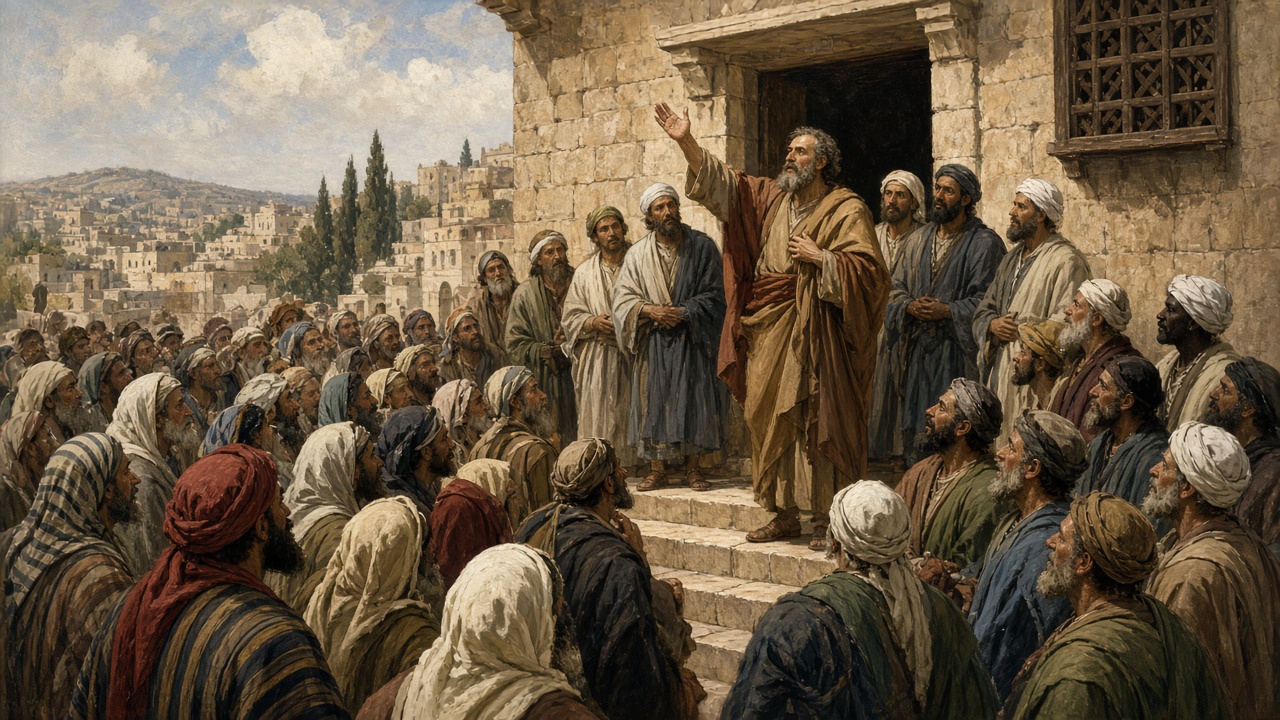
14Kɔ Piyɛr ɛyɛfɛ k'ɛncəmɛ kɔ asom a Yesu aŋɛ wəco kɔ pin, k'ɛmpɛnɛ dim pəcloku kənay nkɛ: «Afum a Yude kɔ nəna aŋɛ nəndɛ dare da Yerusalɛm mɔ, nəsu ləŋəs, nəcəŋkəl belbel moloku mem! Nəcərɛ ti: 15Afum akaŋɛ ŋancis fɛ pəmɔ tɔkɔ nəcɛmcɛmnɛ ti mɔ, bawo bətbət b'ayi bambɛ. 16Mba tɔkɔ aŋnabi Yowɛl ɛnaloku mɔ teyi kəcepər:
17‹Kɔ Kanu kəloku mata mɛlpəs:
«Indesamsər Amera ŋem nnɔ afum fəp ŋayi mɔ.
Awut anu arkun kɔ aran ŋande ŋacdəŋk cəsayibɛ-e.
Indesɔŋ awut atɛmp anu kənəŋk ka mɔyɔ mem,
indewɛrəpəs sɔ afum anu atem.›
18‹Ɛy,› Kanu kəloku, ‹Indeyerəs Amera Ŋecempi ŋem acar em arkun kɔ aran,
mata mamɔkɔ, ŋandedəŋk cəsayibɛ-e.
19Indementər mes mɛwɛywɛy mɛlarəm dəkɔm
kɔ mɛgbɛkərɛ ma Kanu nnɔ dəntɔf: Mecir, nɛnc, kɔ acul ŋa kinimɛ.
20Dec dendesəkpɛ kubump,
kɔ ŋof ŋɛsəkpɛ mecir.
Mamɔkɔ mendecepər a dɔsɔk da Wəbɛ dedebəp,
dɔsɔk dadɔkɔ dɛmbɛk kɔ dentesɛ.
21Nwɛ o nwɛ endekornɛ Mariki mɔ endefis.›
22Afum aka Yisrayel, nəcəŋkəl moloku mamɛ! : Yesu wəka Nasarɛt, fum nwɛ Kanu kəmentərɛ nu debeki dɔn mɔ, dəmes mɛwɛy-wɛy, dəmɔpɔŋ, dəmɛgbɛkərɛ pəmɔ tatɔkɔ nəncərɛ ti mɔ, 23fum wəkawɛ anasɔŋ nu kədif kɔn pəmɔ tɔkɔ Kanu kənawosɛ ti kɔ kəsɔŋ tɔkɔtɛnɛ ta ti mɔ. Nənim kɔ nəncaŋ kɔ dətɔk yɛpəmpəl kəmar ka waca wa acikəra. 24Kanu kəyekti kɔ kəŋgbintər kɔ pəcuy pa defi, bawo defi dɛnatam fɛ kəmɛŋkərnɛ kɔ. 25Dawuda ɛnanuŋkɛnɛ kəloku dəyecicəs yecempi teta Yesu:
‹Incnəŋk Mariki tɛm fəp fɔr yem kiriŋ,
ifɔyikcɛ, bawo ey'im kəca kətɔt.
26It'ɔsɔŋɛ ntɛ abəkəc ŋem ŋeyi dəkəsata mɔ, kɔ temer tem tesikəlɛ dəpəbotu.
Dis dem yati dendekɔŋesəmɛ kəgbɛkər amera.
27Bawo məfɔdekɔsak im dabiya
məfɔdekɔsak wəsoku kam pəte.
28Məsɔŋ'em kəcərɛ səpɔ sa kəcepərɛnɛ doru,
kiyi kam ina kəsək kəndekɔlas im pəbotu.›
29Awɛnc im aŋa! Nəwosɛ iloku nu ntɛ kəlaŋ disrɛ teta wətem Dawuda: Ɛnafi, k'awup kɔ, kɔ kufu kɔn kəyi su sɔ mɔkɔ dacɔ. 30Mba ntɛ Dawuda ɛnayɔnɛ sayibɛ mɔ, ɛncərɛ sɔ a Kanu kənadɛrmɛ kɔ a kəndedəs wansɔ kɔn wəlɔma dɔcɔm da dɛbɛ dɔn kəroŋ. 31Dawuda ɛnanuŋkɛnɛ pənəŋk kəyɛfɛ ka Krist dəkufu , ɛnanəŋk ntɛ tendeder mɔ k'oloku ti: a anasak fɛ Krist dabiya, dis dɔn dɛnate fɛ dəkufu. 32Yesu wəkakɔ, Kanu kəyekti kɔ, səna fəp səyɔnɛ sede aka ti. 33Kɔ Kanu kəmpɛnɛ Yesu kəfo kəleli, k'ɛndəs kɔ kəca kɔn kətɔt. Kɔ Yesu ɔsɔtər nkɔn apa Kanu Amera Ŋecempi nŋɛ analoku kədesɔŋ mɔ, k'eyerəs tatɔkɔ nənəŋk kɔ nəne mɔ.
34Bafɔ Dawuda ɛnapɛ darenc, nkɔn yati oloku:
‹Mariki Kanu oloku Mariki mem: ‹Mənd'em nnɔ kəca kem kətɔt,
35haŋ iclip kəboc aterɛnɛ am wɛcək wam dəntɔf mənas-nas ŋa.›
36Pəmar aka Yisrayel fəp ŋacərɛ ti belbel: Kanu kənasɔŋɛ Yesu kəyɔnɛ wəbɛ wəyɛk-yɛk kɔn, Yesu wəkakɔ nəncaŋ dətɔk yɛpəmpəl mɔ.»
37Ntɛ afum ŋane moloku mamɔkɔ mɔ, kɔ mosumpər ŋa, kɔ ŋayif Piyɛr kɔ asom a Yesu akɔ: «Awɛnc su aŋa, cəke cɔ pəmar səyɔ oŋ-ɛ?»
38Kɔ Piyɛr oloku ŋa: «Nəsəkpər mera yonu, nəlomp! Nwɛ o nwɛ pəsɔtɔ kəgbət dəromun tewe ta Yesu Krist disrɛ, ntɛ tɔŋsɔŋɛ paŋaŋənɛnɛ kiciya ka wəkayi mɔ, nəndesɔtɔ sɔ Amera Ŋecempi ŋa Kanu. 39Bawo, kəpocɛ nkɛ Kanu kənasɔŋɛ temer mɔ, konu kɔ, kɔ awut anu kəbəp ka akɔ ŋayi pəbɔlɛ mɔ, haŋ kənay ka afum nkɛ Wəbɛ Kanu kosu endewe mɔ.»
40Kɔ Piyɛr oloku ŋa sɔ moloku mɛlarəm ntɛ tɔŋsɔŋɛ ŋanenɛ kɔ mes mmɛ mɛnacepər fɔr yɔn kiriŋ mɔ. K'eŋgbiŋər ŋa, pəcloku: «Nəyacnɛ dɛtɛmp dandɛ dɛŋkafəlɛ-kafəlɛ mɔ!» 41Afum alarəm ŋawosɛ kəgbət dəromun teta Kanu. Dɔsɔk dadɔkɔ afum wul maas (3.000) ŋambɛrɛnɛ akɔ ŋananuŋkɛnɛ kəlaŋ mɔ.
42Kɔ ŋancəŋkəl tɛm fəp kɔ belbel mɛtəksɛ ma asom a Yesu, kiyi kəŋan tes tin, kəpaŋnɛ kəŋan dap da yeri, kɔ kətola Kanu. 43Kɔ kənesɛ kəsumpər nwɛ o nwɛ bawo Kanu kəncmentərɛ mes mɔpɔŋ kɔ mes mɛwɛy-wɛy mɛlarəm waca wa asom a Yesu. 44Akɔ ŋanalaŋ mɔ fəp ŋanayi tes tin ŋacyerɛnɛ mpɛ o mpɛ ŋaŋsɔtɔ mɔ. 45Kɔ ŋancaməs daka dɔkɔ ŋanayɔ mɔ, kɔ ŋayer pəsam papɔkɔ ŋacmɔmən tɔkɔ pəcucanɛ pencepərɛnɛ mɔ. 46Dɔsɔk o dɔsɔk ŋancloŋkanɛ nde kəlɔ kəpɔŋ ka Kanu, ŋacdinɛnɛ yeri kəfo kin nde wɔlɔ waŋan, ŋacdinɛ yi mera yobotu kɔ bəkəc yoforu. 47Ŋackor-koru Kanu, kɔ mes maŋan mɔmbɔt afum fəp. Kɔ Mariki nkɔn ɛmbɛrɛnɛ dɔsɔk o dɔsɔk kəgba ka aŋɛ ɛncyac mɔ.
¿Sabías que…?
El Espíritu viene en Pentecostés
- Judíos temerosos de Dios, de todas las naciones bajo el cielo, ya vivían en Jerusalén cuando un sonido como el de un viento fuerte e impetuoso vino del cielo y llenó la casa, y los que hablaban comenzaron a proclamar las maravillas de Dios en otras lenguas. En este capítulo, “Asia” es la provincia romana de Asia Proconsular, en la parte occidental de Asia Menor, cuya capital era Éfeso, y no el continente de ese nombre. El Ponto, a lo largo de la costa sur del mar Euxino, era una provincia romana en tiempos de los apóstoles y un lugar frecuentado por muchos judíos de la Dispersión; Capadocia era la provincia más oriental y la más grande de Asia Menor.Fuentes: el propio texto bíblico · Asia · Pontus · Cappadocia
- La multitud quedó asombrada de que los que hablaban fueran galileos. Quien se puso en pie con los Once y les habló fue Simón Pedro, llamado antes Simón —es decir, Simeón, que significa “oír”—, un pescador de Betsaida, en la costa occidental del mar de Galilea, a quien su hermano menor, Andrés, llevó primero a Jesús.Fuentes: el propio texto bíblico · Simon Peter
- Pedro dijo que aquello era lo que había hablado el profeta Joel. Joel, el segundo de los doce profetas menores, era hijo de Petuel, y su historia personal solo se conoce por su libro. Pedro también citó a David, el octavo y el menor de los hijos de Isaí, de Belén, y dijo a la multitud que ese patriarca había muerto y había sido sepultado, y que su sepulcro aún estaba con ellos en Jerusalén.Fuentes: el propio texto bíblico · Joel · David
Notas escritas con ayuda de IA a partir de fuentes abiertas (Theographic Bible Metadata, CC BY-SA 4.0; Easton’s Bible Dictionary, dominio público) y revisadas antes de publicarse.
Lugares de este capítulo
- Jerusalem · 31.777, 35.234 · versículos 5, 14
- Galilee · 32.760, 35.527 · versículo 7
- Asia · 38.400, 28.300 · versículo 9
- Cappadocia · 38.671, 34.839 · versículo 9
- Judea · Hoy: Judea 1 · 31.777, 35.234 · versículos 9, 14
- Mesopotamia · Hoy: Aram-naharaim · 36.864, 39.033 · versículo 9
- Pontus · 40.680, 37.830 · versículo 9
- Cyrene · 32.821, 21.851 · versículo 10
- Egypt · 30.129, 31.308 · versículo 10
- Libya · 32.821, 21.851 · versículo 10
- Pamphylia · 37.000, 31.000 · versículo 10
- Phrygia · 39.000, 31.000 · versículo 10
- Rome · 41.892, 12.485 · versículo 10
- Nazareth · 32.702, 35.298 · versículo 22
Solo aparecen lugares identificados con alta confianza (90 % o más según las fuentes académicas reunidas por OpenBible). Mapa de la época: DARE (Digital Atlas of the Roman Empire), CC BY 4.0; mapa actual: © colaboradores de OpenStreetMap; lugares: OpenBible.info (CC BY 4.0).
Créditos y licencia de esta traducción
Kitabu ka Kanu
Portions of the Holy Bible in the Baga Sitemu language of Guinea
Des portions de la Sainte Bible dans la langue Baga Sitemu de Guinée
copyright © 2015 Pioneer Bible Translators
Language: Baga Sitemu
Translation by: Traducteurs Pionniers de la Bible
Contributor: Pioneer Bible Translators
This translation is made available to you under the terms of the
Creative Commons Attribution Share-Alike license 4.0.
You have permission to share and redistribute this Bible translation in any format and to make reasonable revisions and adaptations of this translation, provided that:
You include the above copyright and source information.
If you make any changes to the text, you must indicate that you did so in a way that makes it clear that the original licensor is not necessarily endorsing your changes.
If you redistribute this text, you must distribute your contributions under the same license as the original.
Pictures included with Scriptures and other documents on this site are licensed just for use with those Scriptures and documents.
For other uses, please contact the respective copyright owners.
Note that in addition to the rules above, revising and adapting God's Word involves a great responsibility to be true to God's Word. See Revelation 22:18-19.
2025-04-29
Fuente: http://ebible.org/bsp/ · eBible.org