Hechos 15
Kitabu ka Kanu · Toca un versículo para ver sus referencias cruzadas.
Kəbəpsɛnɛ ka alaŋ nde Yerusalɛm
1Afum alɔma ŋanayɛfɛ atɔf ŋa Yude, ŋactəksɛ awɛnc aŋa alaŋ ntɛ: Kɔ nəntɔyɔ pakənc nu pəmɔ tɔkɔ tɔyɔ tokur ta Musa toloku ti mɔ, Kanu kəfɔdewosɛ kəyac nu. 2Ntɛ Pol kɔ Barnabas ŋaŋgbɛkəlɛnɛ kɔ arkun akakɔ kəliŋɛnɛ kəŋan moloku mɔ, kɔ ŋantəŋnɛ a nkɔn Pol kɔ Barnabas kəbəp ka akin akin arkun akakɔ dacɔ, ŋakɔ Yerusalɛm kəkɔnɔnɛ moloku mamɔkɔ nnɔ asom a Yesu kɔ abeki a kəloŋkanɛ ka alaŋ fɔr kiriŋ. 3Kɔ kəloŋkanɛ ka alaŋ a Antiyɔk ŋasɔŋ ŋa daka ndɛ pənamar a ŋayɔ teta marənt mɔ. Ntɛ ŋancepər atɔf ŋa Fenisi kɔ atɔf ŋa Samari mɔ, kɔ ŋalɔmər ŋa ntɛ atɔyɔnɛ aSuyif ŋaŋkafəli bəkəc yaŋan nnɔ Mariki eyi mɔ, ŋacsɔŋɛ awɛnc aŋa alaŋ fəp pəbotu. 4Ntɛ ŋambɛrɛ Yerusalɛm mɔ, kɔ kəloŋkanɛ ka alaŋ, asom a Yesu, kɔ abeki a kəloŋkanɛ ŋambaŋ ŋa. Ntɛ tɔ Pol kɔ Barnabas ŋalɔm tɔkɔ Kanu kənayɔ fəp kɔ ŋa mɔ.
5Awa kɔ aFarisi alɔma aŋɛ ŋanayɔnɛ alaŋ mɔ ŋayɛfɛ kɔ ŋaloku: «Pəmar pakənc atɔyɔnɛ aSuyif, pagbiŋər ŋa sɔ kəleləs sariyɛ sa Musa.»
6Asom a Yesu kɔ abeki a alaŋ aka Yerusalɛm ŋanabəpsɛnɛ kəkɔmɔmən ka tes tatɔkɔ. 7Ntɛ kəgbɛkəlɛnɛ kəwon ŋa dacɔ mɔ, kɔ Piyɛr ɛyɛfɛ k'oloku: «Arkun, awɛnc im aŋa, nəncərɛ ti: A pəwon ntɛ Kanu kənayɛk-yɛk im nəna dacɔ kəcam ka Kibaru Kətɔt ka Yesu, ntɛ tɔŋsɔŋɛ atɔyɔnɛ aSuyif ŋatam kəne ti kɔ kəlaŋ ti mɔ. 8Kanu kəncərɛ bəkəc ya afum, Ki yati kəmentər a kəmbaŋ atɔyɔnɛ aSuyif, bawo kəsɔŋ ŋa sɔ Amera Ŋecempi pəmɔ səna. 9Ali kəgbɛy kəfɛt ɛŋgbɛy fɛ su kɔ atɔyɔnɛ aSuyif, bawo kəlaŋ k'ɔsɔkəs ŋa bəkəc. 10Ndɛkəl oŋ, ta ake tɔ nəfaŋ kədəkətərɛ Kanu-ɛ? Ntɛ nəfaŋ kəsarsər acɛpsɛ a Yesu tes tocu ntɛ, kəyɛfɛ atem asu haŋ səna yati səntɔtam kəsarɛ mɔ. 11Mba səlaŋ a andeyac su kəmar ka Mariki Yesu disrɛ pəmɔ ŋa atɔyɔnɛ aSuyif.»
12Kənay ka afum fəp ŋanacaŋk, k'ancəŋkəl oŋ moloku ma Barnabas kɔ Pol. Kɔ ŋalɔm mes mɛwɛy-wɛy kɔ mɛgbɛkərɛ mmɛ Kanu kənasɔŋɛ ŋa kəyɔ atɔyɔnɛ aSuyif dacɔ mɔ. 13Ntɛ ŋalip kəloku mɔ, kɔ Sak endeŋər: «Awɛnc im aŋa! Nəcəŋkəl im! 14Simeyɔŋ ɔlɔm tɔcɔkɔ-cɔkɔ ntɛ Kanu kənader kəyɛk-yɛk tɔf ya doru fəp dacɔ, afum aŋɛ ŋayɔnɛ akɔn mɔ. 15Itɔ moloku ma sayibɛ mosolnɛ kɔ moloku ma Simeyɔŋ pəmɔ ntɛ ancic ti mɔ:
16‹Kɔ Mariki oloku: «Kɔ tantɛ tencepər-ɛ, indeder sɔ.
Indeyekti sɔ abal ŋa Dawuda nŋɛ ŋɛnatɛmpɛnɛ mɔ,
indeyekti samba sa abal ŋaŋɔkɔ,
Indecəmbər ŋi sɔ ŋolomp,
17ntɛ tɔŋsɔŋɛ afum alpəs ŋatɛn ina Mariki mɔ.
Ɛy, dətɔf fəp nyɛ anakornɛ tewe tem mɔ.»
Mariki oloku ntɛ, nwɛ ɔŋyɔ mes mamɔkɔ mɔ
18Ɛnasɔŋɛ mi kəcərɛ kəyɛfɛ ntɛ pənawon mɔ.›
19It'ɔsɔŋɛ ntɛ, ina Sak, iŋwosɛ sɔ a ta patɔrəs atɔyɔnɛ aSuyif aŋɛ ŋantɛfərnɛ nnɔ Kanu kəyi mɔ. 20Mba pacicɛ ŋa a ŋakɛmbərnɛ pətɔcemp mpɛ pɛyɛfɛ nnɔ kətola mɛrəŋka kəyi mɔ, kɔ dalakɔ, kɔ kəsɔm ka sɛm nyɛ antɔfay mɔ, ŋakɛmbərnɛ sɔ kəmun mecir. 21Kəyɛfɛ dɛtɛmp dɔcɔkɔ-cɔkɔ, Musa ɔyɔ sədare fəp afum aŋɛ ŋaloku tetɔn mɔ, bawo aŋkaraŋ Tawureta tɔn simiti o simiti dɔsɔk da kəŋesəm nde dəkətola Kanu da aSuyif.»
Areka ŋɔkɔ anakenɛ alaŋ atɔyɔnɛ aSuyif mɔ
22Asom a Yesu kɔ abeki kəbəp ka kəloŋkanɛ ka alaŋ Yesu kɔrkɔr ŋande ŋamɔmən a pəmar payɛk-yɛk ŋa dacɔ afum alɔma akɔ pəmar a pasom Antiyɔk mɔ, kəbɛrɛnɛ ka Pol kɔ Barnabas. Ti disrɛ kɔ ŋayɛk-yɛk afum mɛrəŋ aŋɛ ŋanatɔmpər delel awɛnc aŋa dacɔ mɔ: Yudas wəkɔ ancwe sɔ Barsabas mɔ, kɔ Silas. 23Kɔ ŋasom ŋa kɔ areka nyɛ:
«Awɛnc anu, asom a Yesu kɔ abeki kɔ alaŋ ŋancicɛ nu areka, nəna awɛnc su aŋa aka Antiyɔk, aka Siri, aka Silisi aŋɛ ŋantɔyɔnɛ aSuyif mɔ:
Səyif nu! 24Səne a afum asu alɔma aŋɛ ŋawur nnɔ ndorosu mɔ, ŋantɔrəs nu kɔ ŋampempɛ nu moloku maŋan, mmɛ səntɔsom ŋa mɔ. 25Ntɛ sənenɛnɛ akɔ səntəŋnɛ ti mɔ, itɔ sənəŋk a pəntesɛ səyɛk-yɛk afum, səsom ŋa nde nəyi mɔ, kəbɛrɛnɛ ka Barnabas kɔ Pol, aŋɛ səmbɔtər mɔ, 26afum aŋɛ ŋancaməs kiyi kəŋan doru tewe ta Mariki Yesu Krist mɔ. 27Itɔ səsom Yudas kɔ Silas ŋakɔ ŋaloku nu ntɛ teyi areka ŋaŋɛ disrɛ mɔ.
28Pənabas Amera Ŋecempi kɔ səna sɔ, a pəntesɛ fɛ a sənuŋkər nu mes mɔkɔ nəntɔtam kəsarɛ mɔ, mɛnɛ mes mɔkɔ mɛmar nu kəsumpər mɔ: 29Ta nəsɔm sɛm nyɛ aloŋnɛnɛ mɛrəŋka mɔ, nəbɔlɛnɛ mecir kɔ sɛm nyɛ antɔfay mɔ, nəbɔlɛnɛ sɔ dalakɔ. Pəmar nəkɛmbərnɛ mes mamɔkɔ fəp.
Kanu kəsɔŋɛ a nətamnɛ.»
30Ntɛ anasak asom aŋɛ mɔ, kɔ ŋawurnɛ kəkɔ Antiyɔk. Kɔ ŋaŋkɔ ŋaloŋka di alaŋ, kɔ ŋasɔŋ ŋa areka ŋaŋɔkɔ. 31K'aŋkaraŋ ŋi kɔ pəmbɔt ŋa, bawo areka ŋaŋɔkɔ ŋɛnacəpəs ŋa bəkəc. 32Yudas kɔ Silas aŋɛ ŋanayɔnɛ sɔ sayibɛ mɔ ŋancgbiŋər awɛnc aŋa alaŋ kɔ ŋacəpəs ŋa sɔ bəkəc dəmoloku mɛlarəm. 33Ŋanayi dəndo Antiyɔk haŋ, kɔ awɛnc aŋa alaŋ ŋatolanɛ ŋa marənt moforu, kɔ afum a Antiyɔk ŋasak ŋa kəlukus nde asom aŋan ŋayi mɔ. 35Mba tɛm tatɔkɔ Pol kɔ Barnabas ŋanayi Antiyɔk, kəbɛrɛnɛ kəŋan kɔ afum alarəm alɔma, ŋactəksɛ, ŋaccam sɔ toloku tɔtɔt ta Mariki.
Pol kɔ Barnabas ŋaŋgbɛyɛnɛ
36Ntɛ mataka mɔlɔma mencepər mɔ, kɔ Pol oloku Barnabas: «Səluksərnɛ səkɔnəŋk awɛnc su aŋa sədare nsɛ sənadəŋk toloku ta Mariki mɔ, ntɛ tɔŋsɔŋɛ səcərɛ ntɛ ŋayi mɔ, kɔ tɔkɔ ŋasumpər toloku tatɔkɔ mɔ. 37Barnabas nkɔn ɛncfaŋ kəkenɛnɛ Isaŋ, wəkɔ aŋwe sɔ «Mark» mɔ. 38Mba Pol nkɔn ɛnawosɛ fɛ ti, ɛnacɛm-cɛmnɛ a pəmar fɛ kəlɛkɛnɛ Mark, bawo dəndo Paŋfili Mark ɛnasak ŋa pəfati kəcəmbər ŋa kəkɔtɛnɛ ka yɛbəc yɔkɔ anasom ŋa mɔ. 39Kəgbɛkəlɛnɛ kəŋan kənayeŋk haŋ kɔ tɔsɔŋɛ ŋa kəgbɛyɛnɛ. Ntɛ tɔ kɔ Barnabas ɛlɛk Mark kɔ ŋambɛkɛ debil kɔ ŋancali kəkɔ Sipər. 40Ntɛ Pol ɛnayɛk-yɛk Silas mɔ, awɛnc aŋa alaŋ ŋantolanɛ kɔ, ŋactola Mariki a pəbum ŋa kəmar kɔn disrɛ, kɔ ŋaŋkɔ. 41Kəkɔ kəŋan, kɔ ŋancali tɔf ya Siri kɔ Silisi, ŋaccəpəs alaŋ aka di bəkəc.
¿Sabías que…?
El concilio sobre los creyentes gentiles
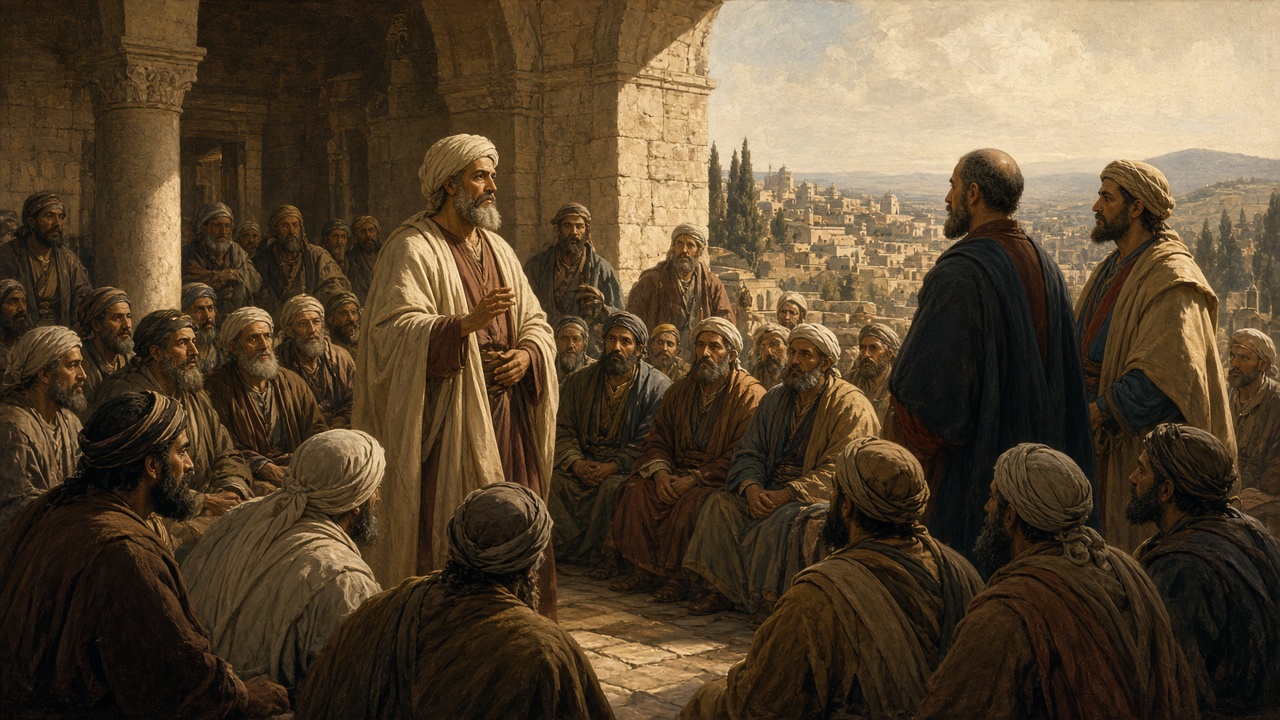
- La controversia comenzó en Antioquía, a orillas del Orontes, unas trescientas millas al norte de Jerusalén, ciudad que entonces ocupaba el tercer lugar entre las ciudades del Imperio romano, después de Roma y Alejandría. De camino al concilio, Pablo y Bernabé pasaron por Fenicia, una franja costera de unas ciento veinte millas, y por Samaria. Una nota cronológica fecha el Concilio de Jerusalén en el año 46 d. C.Fuentes: Antioch (Syria) · Phenicia · el propio texto bíblico · Jerusalem Council
- El Easton's Bible Dictionary (1897) afirma que Santiago, a quien llama hermano o pariente cercano de Jesús, dirigía la iglesia en Jerusalén y presidió el concilio sobre los gentiles. La carta que siguió iba dirigida a los creyentes gentiles de Antioquía, Siria y Cilicia. Cilicia, provincia de origen de Pablo y provincia marítima romana en el sureste de Asia Menor desde el 67 a. C., incluía su ciudad natal, Tarso.Fuentes: James (Brother of Jesus) · el propio texto bíblico · Cilicia · Paul
- Judas, llamado Barsabás, y Silas, también conocido como Silvano, eran profetas y hombres destacados de la iglesia de Jerusalén, enviados para confirmar en persona la decisión del concilio. Un desacuerdo posterior y agudo por Juan Marcos, primo de Bernabé, separó a los dos misioneros: Bernabé se llevó a Marcos y zarpó hacia Chipre, mientras Pablo eligió a Silas. Una nota cronológica fecha esa separación en el año 47 d. C.Fuentes: el propio texto bíblico · Silas · John Mark · Paul and Barnabas part ways
Notas escritas con ayuda de IA a partir de fuentes abiertas (Theographic Bible Metadata, CC BY-SA 4.0; Easton’s Bible Dictionary, dominio público) y revisadas antes de publicarse.
Lugares de este capítulo
- Antioch · Hoy: Antioch on the Orontes · 36.227, 36.172 · versículos 1, 22, 23, 30, 35
- Judea · Hoy: Judea 1 · 31.777, 35.234 · versículo 1
- Jerusalem · 31.777, 35.234 · versículos 2, 3, 4, 22, 23, 33
- Phoenicia · 33.271, 35.196 · versículo 3
- Samaria · Hoy: Samaria 2 · 32.276, 35.195 · versículo 3
- Cilicia · 36.913, 34.892 · versículos 23, 41
- Syria · Hoy: Syria 2 · 33.511, 36.306 · versículos 23, 41
- Pamphylia · 37.000, 31.000 · versículo 38
- Cyprus · 35.000, 33.000 · versículo 39
Solo aparecen lugares identificados con alta confianza (90 % o más según las fuentes académicas reunidas por OpenBible). Mapa de la época: DARE (Digital Atlas of the Roman Empire), CC BY 4.0; mapa actual: © colaboradores de OpenStreetMap; lugares: OpenBible.info (CC BY 4.0).
Créditos y licencia de esta traducción
Kitabu ka Kanu
Portions of the Holy Bible in the Baga Sitemu language of Guinea
Des portions de la Sainte Bible dans la langue Baga Sitemu de Guinée
copyright © 2015 Pioneer Bible Translators
Language: Baga Sitemu
Translation by: Traducteurs Pionniers de la Bible
Contributor: Pioneer Bible Translators
This translation is made available to you under the terms of the
Creative Commons Attribution Share-Alike license 4.0.
You have permission to share and redistribute this Bible translation in any format and to make reasonable revisions and adaptations of this translation, provided that:
You include the above copyright and source information.
If you make any changes to the text, you must indicate that you did so in a way that makes it clear that the original licensor is not necessarily endorsing your changes.
If you redistribute this text, you must distribute your contributions under the same license as the original.
Pictures included with Scriptures and other documents on this site are licensed just for use with those Scriptures and documents.
For other uses, please contact the respective copyright owners.
Note that in addition to the rules above, revising and adapting God's Word involves a great responsibility to be true to God's Word. See Revelation 22:18-19.
2025-04-29
Fuente: http://ebible.org/bsp/ · eBible.org