Mateo 2
Dios oca gotirituti · Toca un versículo para ver sus referencias cruzadas.
Ñocoa ĩna bajisere buerimasa Jesúre ĩna ĩarã ejare queti
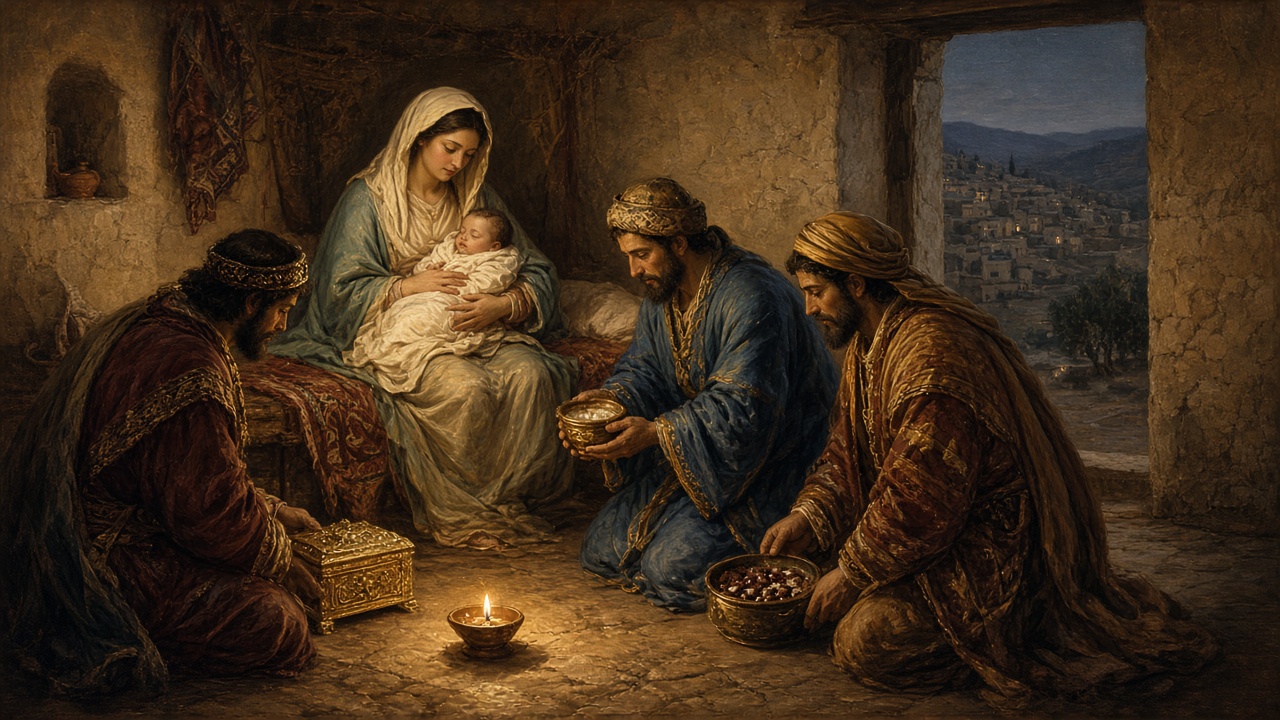
1Judea sita ñarimaca, Belén vãme cʉti macajʉ ruyuayuju ĩ. Ĩ ruyuarirodore ti sita ʉjʉ, Herodes vãme cʉtigʉ ñañuju. Jesús ĩ ruyuaro bero, Jerusalén macajʉ ejayujarã, muiju ĩ jiadojʉa vadiriarã, ñocoa ĩna bajisere buerimasa. 2Ti maca ejacõari, sẽniĩañujarã ĩna:
—¿Nore ñati jud'io masa ʉjʉ ñarocʉ ruyuar'ima? Muiju ĩ jiadojʉa ñocore ĩabʉjacõari, “Tojʉ ruyuagʉmi” yirã ñari, ĩre rʉ̃cʉbʉoroana vadiaja yʉa —yiyujarã ĩna.
3To bajiro ĩna sẽniĩacudisere ajicõari, toagʉ ʉjʉ, Herodes bʉto tʉoĩagüiyuju, “Ĩjʉa, ʉjʉ yʉ ñasere yʉre ẽmarʉcʉmi” yitʉoĩagʉ̃ ñari. Ĩre bajiro rĩne tʉoĩañujarã ti macana Jerusalén macana quẽne. 4To bajiro tʉoĩagʉ̃ ñari, paia ʉjarãre, Dios ĩ rotimasire gotimasiorimasare quẽne ĩnare jirẽoñuju Herodes. Ĩna ejaro ĩacõari, ado bajiro ĩnare sẽniĩañuju ĩ:
—“Rotimʉorʉ̃gõrʉcʉmi” yigʉ, Dios ĩ cõarocʉma, ¿nojʉ, “Ruyuarʉcʉmi” yiyujari Dios ocare masa ĩna ucamasire? —ĩnare yiyuju ĩ.
5To bajiro ĩ yisẽniĩarone, ado bajiro ĩre yicʉdiyujarã ĩna:
—“Judea sita Belén vãme cʉti macajʉ ruyuarʉcʉmi” yiucamasiñumi sĩgʉ̃ Diore gotirẽtobosarimasʉ. Ado bajiro yaja ĩ ucamasire:
6“Judea sita ñarimaca Belén vãme cʉti maca, jairimaca me ñaboarine, ñamasuri maca ñarʉaroja ti maca. Ti macagʉ ʉjʉ ñamasugʉ̃ ruyuarʉcʉmi. Ĩ ñarʉcʉmi yʉ yarã Israel sitana ʉjʉ. Ĩnare quẽnaro ĩatirʉ̃nʉrʉcʉmi ĩ, yiyuju Dios”, yiucare ñaja —ĩre yigotiyujarã Dios ĩ rotimasire gotimasiorimasa.
7To ĩna yisere ajicõari, quẽna ñocoa ĩna bajisere buerimasare masa ĩna ajibeto ĩnare jiyuju Herodes. To yicõari, ado bajiro ĩnare sẽniĩañuju ĩ:
—¿Divato masu ñoco ruyuasʉori? —ĩnare yisẽniĩañuju.
8To yigajano, Belénjʉ ĩnare varotiyuju ĩ:
—Vasa. Sũcare, quẽnaro ĩre macama. Ĩre ĩabʉjacõari, yʉre gotirã vaba. Yʉ quẽne ĩre rʉ̃cʉbʉogʉ varʉ yaja —yiyuju, ĩnare yitogʉ.
9To bajiro ĩ yirotisere ajicõari, ĩ yirore bajirone vasujarã ĩna. To ĩna vatone, muiju jiadojʉa ñoco, ĩna ĩar'i, ĩnare rĩjoro cʉti vasuju. To bajiva, tujarʉ̃gʉ̃ñuju, sũca ĩ ñaro veca. 10Ñoco ĩ tujarʉ̃gʉ̃sere ĩacõari, bʉto variquẽna vasujarã ĩna, ñocoa ĩna bajisere buerimasa. 11Ñoco ĩ ñaro ẽñeroca ñarivi sãjacõari, ĩna ĩajama, to ñañuju sũca, ĩ jaco rãca. Ĩre ĩacõari, ĩ rĩjorojʉa gʉsomuniari tuetuejayujarã ĩna, ĩre rʉ̃cʉbʉoquẽnariorã. To bajiro yigajano, ĩna juavarere jãnacõari, oro, quẽnase sʉtise to yicõari, mirra vãme cʉtisere quẽne ĩre ĩsiñujarã ĩna. 12To ĩna yiro bero, ĩna cãjiriarojʉ, “Herodes tʉ tudiabesa. ‘To ñagʉ̃mi sũca’ yimasibeticõato ĩ”, ĩnare yiyuju Dios. To bajiri tire masicõari, Jerusalénjʉ vamenane gaje maajʉ tudicoasujarã ĩna yuja, ĩna ya macajʉ.
Egipto sitajʉ Jesúre ĩna ũmato rudiare queti
13Ñocoa ĩna bajisere buerimasa ĩna tudiato bero, José ĩ cãjiriarojʉ ĩre ruyuayuju ángel quẽna. Ruyuacõari, ado bajiro ĩre yiyuju:
—Yujiya. Sũcare, ĩ jacore quẽne Egiptojʉ ĩnare ũmato rudiasa mʉ. Tone ñacõama maji. Mʉre yʉ gotirojʉ tudiaba. Herodes, Jesúre sĩarʉ ĩre macarʉcʉmi —Josére ĩre yiyuju ángel.
14To ĩ yijare, yujicõari, Jesúre, ĩ jacore quẽne ñamine Egiptojʉ ĩnare ũmato rudicoasuju. 15Tojʉ ĩna ñatoyene bajirocacoasuju Ʉjʉ Herodes. “Egipto sitajʉ yʉ macʉ ĩ ñaro ĩre jicõarʉcʉja yʉ”, ĩre gotirẽtobosarimasʉ sʉorine Dios ĩ yimasire ñajare, to bajirone bajiyuju.
Ʉjʉ Herodes rĩamasare ĩ sĩarotire queti
16Bajirocabecʉjʉ, ñocoa ĩna bajisere buerimasa ĩre gotimenane, gaje maajʉ ĩna tudiarere ajicõari, bʉto jũnisiniñuju Herodes. To bajiri jũnisinigʉ̃ ñari, Belén ñarãre, ti maca tʉanare rĩamasa jʉa cʉ̃ma tʉsanare ʉ̃mʉare, to yicõari, ĩna bero ruyuariarãre quẽne sĩarotijeocõañuju. Ñocoa ĩna bajisere buerimasa, “Jʉa cʉ̃ma tʉsajʉ” ĩna yirere ajigʉ ñari, ĩnare sĩarotiyuju Herodes. 17Raquel ñamasirio so rĩare maigõ, so otimasiriarore bajiro Belén macana ĩna rĩare mairã, ĩna otirotire tʉoĩacõari, ado bajiro ucamasiñumi Diore gotirẽtobosarimasʉ Jerem'ias vãme cʉtigʉ:
18“Ramá vãme cʉti macago so rĩare so tʉoĩa otise ruyurʉaroja. Oticõa ñarʉocomo so, Raquel vãme cʉtigo, so rĩare otigo. Gãjerã, ‘Otibesa’ sore ĩna yiboajaquẽne, ajibetirʉocomo, so rĩa ñamasiboariarãre godocʉtigo ñari”, yiucamasiñumi Jerem'ias.
19Egiptojʉ José ĩ ñaro rijacoasuju Herodes. Ĩ rijato bero, José ĩ cãjiriarojʉre sĩgʉ̃ ángel ĩre ruyuaĩoñuju quẽna. To bajicõari, ado bajiro ĩre yiyuju:
20—¡Yujiya! Jesúre, ĩ jacore quẽne Israel sitajʉ ĩnare ũmato tudiasa. Ĩre sĩarʉaboacana rijajedicoajama ĩna —Josére ĩre yiyuju ángel.
21To ĩ yijare, yujicõari, Jesúre, ĩ jacore quẽne Israel sitajʉ ĩnare ũmato vasuju José. 22Maa vacʉjʉ, ajiyuju José: “Herodes ñaboar'i macʉ, Arquelao vãme cʉtigʉ, ĩ jacʉre vasoagʉ Judea sitajʉ ñañuju”, yire quetire ajiyuju. Ti quetire ajicõari, güigʉ ñari, tojʉ varʉabesuju. To bajiro bajigʉne, quẽna tojʉ cãjiriañuju ĩ. Cãjiriacõari, “Tojʉ yʉ vajama, quẽnabetoja. Galilea sitajʉa varʉcʉja yʉ”, yitʉoĩañuju. 23Galilea sitajʉ ejacõari, Nazaret vãme cʉti macajʉ ñagʉ̃ vasuju. Diore gotirẽtobosarimasa, “Nazaret macagʉ ñarʉcʉmi ‘Rotimʉorʉ̃gõrʉcʉmi’ yigʉ, Dios ĩ cõarocʉ”, Jesúre ĩna yiucamasire ñajare, to bajirone bajiyuju.
¿Sabías que…?
Magos, Herodes y Nazaret
- El rey Herodes de este capítulo es Herodes el Grande. Su hijo Arquelao, habido con Malthace, una mujer samaritana, heredó la tercera parte del reino: Idumea, Judea y Samaria. Hasta pocos días antes de la muerte de Herodes, otro hijo, Antipas, había sido nombrado sucesor, pero en sus últimos momentos Herodes nombró a Arquelao; por temor a él, José se apartó de Judea y se retiró a Galilea.Fuentes: Archelaus · el propio texto bíblico
- Mateo relaciona la muerte de los niños en Belén con palabras pronunciadas por el profeta Jeremías: una voz en Ramá, Raquel llorando por sus hijos. Raquel, una de las esposas de Jacob, murió al dar a luz a Benjamín y fue sepultada junto al camino de Efrata, es decir, Belén, justo al norte de la ciudad. Su sepulcro es objeto de gran veneración entre los judíos.Fuentes: el propio texto bíblico · Rachel · Bethlehem
- Belén, en la región montañosa de Judá, se llamaba antes Efrata y también era conocida como la ciudad de David; bajo los romanos quedaba en Judea, la más meridional de las tres divisiones de Palestina. José y María fueron en cambio a Nazaret, en Galilea, su hogar, un pueblo que no se menciona en el Antiguo Testamento. En general se supone que el nombre Nazaret proviene del hebreo netser, un renuevo o brote, aunque algunos lo relacionan con una palabra que significa guardar o vigilar.Fuentes: Bethlehem · Judea · Nazareth · el propio texto bíblico
Notas escritas con ayuda de IA a partir de fuentes abiertas (Theographic Bible Metadata, CC BY-SA 4.0; Easton’s Bible Dictionary, dominio público) y revisadas antes de publicarse.
Lugares de este capítulo
- Bethlehem · 31.704, 35.208 · versículos 1, 5, 6, 8, 9, 16
- East · Hoy: region around Amman · 31.955, 35.934 · versículos 1, 2, 9
- Jerusalem · 31.777, 35.234 · versículos 1, 3
- Judea · Hoy: Judea 1 · 31.777, 35.234 · versículos 1, 5, 22
- Egypt · 30.129, 31.308 · versículos 13, 14, 15, 19
- Galilee · 32.760, 35.527 · versículo 22
- Nazareth · 32.702, 35.298 · versículo 23
Solo aparecen lugares identificados con alta confianza (90 % o más según las fuentes académicas reunidas por OpenBible). Mapa de la época: DARE (Digital Atlas of the Roman Empire), CC BY 4.0; mapa actual: © colaboradores de OpenStreetMap; lugares: OpenBible.info (CC BY 4.0).
Créditos y licencia de esta traducción
Dios oca gotirituti
New Testament in Barasana-Eduria (CO:bsn:Barasana-Eduria)
copyright © 2010 Wycliffe Bible Translators, Inc.
Language: Barasana-Eduria
Translation by: Wycliffe Bible Translators, Inc.
Copyright Information
© 2010, Wycliffe Bible Translators, Inc. All rights reserved.
This translation text is made available to you under the
terms of the Creative Commons License: Attribution-Noncommercial-No Derivative Works.
( http://creativecommons.org/licenses/by-nc-nd/3.0/ )
In addition, you have permission to port the text to different file formats, as long as you
do not change any of the text or punctuation of the Bible.
You may share, copy, distribute, transmit, and extract portions
or quotations from this work, provided that you include the above copyright
information:
You must give Attribution to the work.
You do not sell this work for a profit.
You do not make any derivative works that change any of the actual words or punctuation of the Scriptures.
Permissions beyond the scope of this license may be
available if you contact
us with your request.
The New Testament
in Barasana-Eduria
© 2010, Wycliffe Bible Translators, Inc. All rights reserved.
This translation is made available to you under the terms of the
Creative Commons Attribution-Noncommercial-No Derivatives license 4.0.
You may share and redistribute this Bible translation or extracts from it in any format, provided that:
You include the above copyright and source information.
You do not sell this work for a profit.
You do not change any of the words or punctuation of the Scriptures.
Pictures included with Scriptures and other documents on this site are licensed just for use with those Scriptures and documents.
For other uses, please contact the respective copyright owners.
2014-04-22
Fuente: http://ebible.org/bsnNT/ · eBible.org