Hechos 6
Dios oca gotirituti · Toca un versículo para ver sus referencias cruzadas.
Cojomo cõro jʉa jẽnituarirãcʉ ĩnare ejarẽmorãre ĩna besere
1Tirodore Jesúre ajitirʉ̃nʉrã jãjarãbʉsa ñarũtuasujarã ĩna. To bajiri, griego oca ñagõrã, hebreo oca ñagõrãre ado bajiro ñagõjaisʉoyujarã:
—Tocãrãcarʉ̃mʉne mʉa bare batojama, cojoro cõro batobeaja mʉa. Manajʉa rijaveoriarãre hebreo oca ñagõrã rõmiri rĩne jairo ĩsiaja mʉa —yiyujarã ĩna griego oca ñagõrã.
2To bajiro ĩna gãmerã ñagõjaisere ajicõari, Jesúre ajitirʉ̃nʉrã jedirore ĩnare jirẽoñujarã ĩna, Jesús ĩ gotiroticõasʉoriarã. To yicõari, ado bajiro ĩnare yiyujarã ĩna:
—Yʉarema, yʉa gotimasiosejʉa ñaja, bare batoreaye rẽtoro ñamasusema. Bare batorejʉare yʉa yijama, Diore ĩre cʉdimena yirãja yʉa. 3To bajiri, cojomo cõro jʉa jẽnituarirãcʉ ñarã beseya mʉa, mʉa vatoanare, bare batorona ñaronare. Quẽnaro tʉoĩarã, “Quẽnaro yirã ñaama” mʉa yirã, Dios ĩ cõagʉ̃ Esp'iritu Santo ĩ ejarẽmose rãca tʉoĩarã, cojo vãme rʉyabeto Dios ĩ bojarore bajirone yirãre, ĩnare beseya mʉa. 4Ado bajirojʉa yirũgũrʉarãja yʉama. Diore ĩre sẽnirũgũrʉarãja. To yicõari, Dios ocare masare gotimasiorã ñarʉarãja, yʉama —yiyujarã Jesús ĩ gotiroticõasʉoriarã.
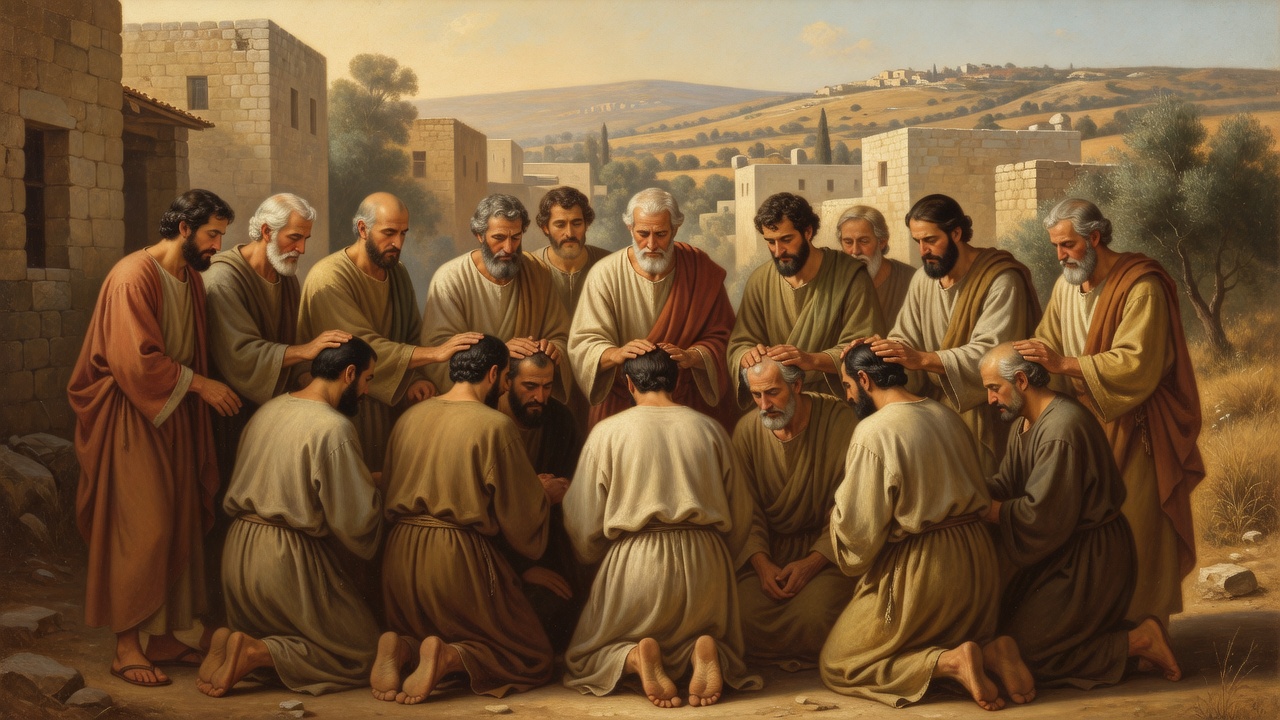
5To bajiro ĩna yisere ajicõari, sĩgʉ̃re bajiro tʉoĩacõari, Esteban vãme cʉtigʉre beseyujarã ĩna. Jesúre quẽnaro ajitirʉ̃nʉgʉ̃ ñañuju ĩ. To bajicõari, Esp'iritu Santo ĩ ejarẽmose rãca tʉoĩagʉ̃, cojo vãme rʉyabeto Dios ĩ bojarore bajiro yigʉ ñañuju. To yicõari, gãjerã Estebanre bajiro bajirãre beseyujarã ĩna. Adocãrãcʉ ñañujarã ĩna: Felipe, Prócoro, Nicanor, Timón, Parmenas, to yicõari, Antioqu'ia macajʉ vadir'i, Nicolás, tocãrãcʉ ñañujarã, “Bare batoato” yirã ĩna beseriarã. Nicoláma, jud'io masʉ me ñaboarine jud'io masare bajiro bajiyuju ĩ. 6Ĩnare besegajanocõari, “Ãnoa ñaama masa, yʉa beserã”, yiyujarã, Jesús ĩ gotiroticõasʉoriarãre. To ĩna yijare, ĩnare ãmo ñujeocõari Diore ĩre sẽniñujarã Jesús ĩ gotiroticõasʉoriarã, “Quẽnaro ĩnare ejarẽmoato Dios” yirã.
7To bajiri, masa jãjarãbʉsa ajitirʉ̃nʉñujarã, Jesús yere. To bajirã rĩne, tojʉre Jerusalénjʉre, Jesús yere ajitirʉ̃nʉrã, jãjarãbʉsa ñarũtuasujarã ĩna. Paia quẽne jãjarã, Jesús yere ajitirʉ̃nʉñujarã ĩna.
Estebanre ĩna ñiare queti
8Estebanre quẽnaro yirẽmoñuju Dios. To yicõari, ĩ masisere ĩre ʉjoyuju. To bajiri jairo ĩaĩañamanire masare yiĩoñuju Esteban. 9Ĩaĩañamani Esteban ĩ yiĩoñaro, ĩ rãca gãmerã ñagõñujarã ĩna. Dios ocare ĩna buerivijʉ vadiriarã ñañujarã. Moabosarimasa ñaboariarã ya vi vãme cʉtiyuju ti vi. Cojo macana me ñañujarã ĩna, bajirãjʉma. Cirene macana, Alejandr'ia macana ñañujarã ĩna. Ĩna rãcana Cilicia sitana, Asia sitana ñañujarã ĩna. Esteban rãca ñagõboanane, oca josayujarã ĩna. 10Esp'iritu Santo ĩ ejarẽmojare, ĩna rẽtoro masiñuju Esteban. To bajiri no bajiro ĩre yimasibesujarã ĩna. 11To bajiri, gãjerãre yayioroaca gãjoa ĩsiñujarã ĩna, “ ‘Rojose yimi’ ʉjarãre yato ĩna” yirã. To bajiri, “‘Diore, to yicõari, Moisés ñamasir'ire quẽne rojose ĩnare ñagõmacami’ yigotiba mʉa”, ĩnare yiyujarã. 12To bajiro ĩna yigotire ñajare, Estebanre bʉto jũnisiniñujarã ti macana. To bajiri, bʉcʉrã, Dios ĩ rotimasire gotimasiorimasa rãca Estebanre ñiañujarã, ĩna ʉjarã tʉjʉre ĩre ãmivarʉarã. 13Ĩna ʉjarã tʉjʉre ĩna ãmiejarone gãjoa ĩsiecoriarã, ado bajiro yisocayujarã:
—Diore yirʉ̃cʉbʉoriavire, to yicõari, Moisés ĩ rotimasirere quẽne rʉ̃cʉbʉobecʉ rojose ñagõrũgũami Esteban. 14Ado bajiro ĩ gotisere ajirũgũmʉ yʉa: “Jesús Nazaret macagʉ, Diore yirʉ̃cʉbʉoriavire caguerearʉcʉmi. To yicõari, Moisés manire ĩ roticũmasirere vasoarʉcʉmi”, yigotirũgũmi Esteban —yisocayujarã ĩna.
15To ĩna yisocasere ajicõari, ĩna ʉjarã yoaro ĩre ĩañañujarã, Estebanre. Ĩre ĩna ĩajama, ángel riogare bajiro rioga cʉtiyuju Esteban.
¿Sabías que…?
La Elección de los Siete y el Juicio de Esteban
- Surgieron tensiones entre los judíos de habla griega y los hebraicos por la distribución diaria de alimentos a las viudas, lo que llevó a los apóstoles a designar a siete hombres respetados para esta tarea. Notablemente, los siete nombrados—incluyendo a Nicolás, un prosélito de Antioquía—llevaban nombres griegos.Fuentes: el propio texto bíblico · Nicolas
- Judíos de distintas regiones del mundo romano contaban con sus propias sinagogas en Jerusalén, como la Sinagoga de los Libertos y reuniones para personas de Cirene, Alejandría, Cilicia y la provincia de Asia. Miembros de estos grupos regionales fueron los primeros en debatir formalmente con Esteban sobre sus enseñanzas.Fuentes: el propio texto bíblico · Cilicia · Asia
- Cuando los opositores no pudieron refutar los argumentos de Esteban, lo llevaron ante el Sanedrín acusándolo de hablar contra el templo y la ley de Moisés. Mientras los miembros del concilio lo observaban durante estas acusaciones, vieron que su rostro parecía el de un ángel.Fuentes: el propio texto bíblico · Stephen
Notas escritas con ayuda de IA a partir de fuentes abiertas (Theographic Bible Metadata, CC BY-SA 4.0; Easton’s Bible Dictionary, dominio público) y revisadas antes de publicarse.
Lugares de este capítulo
- Antioch · Hoy: Antioch on the Orontes · 36.227, 36.172 · versículo 5
- Jerusalem · 31.777, 35.234 · versículo 7
- Alexandria · 31.183, 29.896 · versículo 9
- Asia · 38.400, 28.300 · versículo 9
- Cilicia · 36.913, 34.892 · versículo 9
- Cyrene · 32.821, 21.851 · versículo 9
- Nazareth · 32.702, 35.298 · versículo 14
Solo aparecen lugares identificados con alta confianza (90 % o más según las fuentes académicas reunidas por OpenBible). Mapa de la época: DARE (Digital Atlas of the Roman Empire), CC BY 4.0; mapa actual: © colaboradores de OpenStreetMap; lugares: OpenBible.info (CC BY 4.0).
Créditos y licencia de esta traducción
Dios oca gotirituti
New Testament in Barasana-Eduria (CO:bsn:Barasana-Eduria)
copyright © 2010 Wycliffe Bible Translators, Inc.
Language: Barasana-Eduria
Translation by: Wycliffe Bible Translators, Inc.
Copyright Information
© 2010, Wycliffe Bible Translators, Inc. All rights reserved.
This translation text is made available to you under the
terms of the Creative Commons License: Attribution-Noncommercial-No Derivative Works.
( http://creativecommons.org/licenses/by-nc-nd/3.0/ )
In addition, you have permission to port the text to different file formats, as long as you
do not change any of the text or punctuation of the Bible.
You may share, copy, distribute, transmit, and extract portions
or quotations from this work, provided that you include the above copyright
information:
You must give Attribution to the work.
You do not sell this work for a profit.
You do not make any derivative works that change any of the actual words or punctuation of the Scriptures.
Permissions beyond the scope of this license may be
available if you contact
us with your request.
The New Testament
in Barasana-Eduria
© 2010, Wycliffe Bible Translators, Inc. All rights reserved.
This translation is made available to you under the terms of the
Creative Commons Attribution-Noncommercial-No Derivatives license 4.0.
You may share and redistribute this Bible translation or extracts from it in any format, provided that:
You include the above copyright and source information.
You do not sell this work for a profit.
You do not change any of the words or punctuation of the Scriptures.
Pictures included with Scriptures and other documents on this site are licensed just for use with those Scriptures and documents.
For other uses, please contact the respective copyright owners.
2014-04-22
Fuente: http://ebible.org/bsnNT/ · eBible.org