2 Corintios 4
Dios oca gotirituti · Toca un versículo para ver sus referencias cruzadas.
1Yʉare ĩamaicõari, ĩ ocare yʉare gotimasiorotiyumi Dios, masare. To bajiro yʉare ĩ yijare, tire tʉoĩavariquẽnacõari, ti ocare gotimasiocudirũgũaja yʉa. 2Masa bojoneosere yirã, yayiorojʉ ĩna yirore bajiro yibeaja yʉama. “Manire ajitirʉ̃nʉato ĩna” yirã, masare yitobeaja yʉa. Gãjerã, “Quẽnase bʉjarãsa” yirã, ĩna masu ĩna tʉoĩarujeorore bajiro gotimavisiobeaja yʉa, “Manire ĩagʉ̃mi Dios” yirã ñari. To bajiri, “Quẽnaro gotimasioama Pablo mesa”, yʉare yimasijedirãma masa. 3Quẽnaro gotimasiorã yʉa ñaboajaquẽne, jãjarã ñaama tire ajimasimena. Mani ʉjʉre ajiterã ñari, to bajiro bajiama. Rojose tãmʉotʉjabetiriarojʉ varona ñaama ĩna. 4“Ajimasibeticõa ñato” Satanás ĩ yise ñajare, yʉa gotimasiosere ajimasibeama. Ĩ ñaami vãtia ʉjʉ, Dios ĩ bojabetire masare ĩnare yirotigʉ. Cristo, Diore bajiro bajigʉ ĩ ñajare, ĩ oca quẽnamasusere ajitirʉ̃nʉcõari, quẽnaro ĩre masa ĩna rʉ̃cʉbʉosere bojabeami Satanás. 5“Yʉajʉare rʉ̃cʉbʉoya” yirã me, ti ocare gotimasiorũgũaja yʉa. “Mani ʉjʉ Jesucristojʉare rʉ̃cʉbʉoato” yirãjʉa yaja. Jesúre maicõari, mʉare moabosarãre bajirone bajirũgũaja, tire mʉare gotirã. 6Dios, rẽmojʉne adi macarʉcʉro rẽtiaboarere busurotimasiñuju. Tire ĩ yimasiriarore bajirone ĩ yere mani ajimasibetiboarere mani ajimasirotire yiyumi. To bajiri, “Quẽnarẽtogʉ̃ ñaami Dios”, yimasiaja mani yucʉrema yuja, Jesucristo quẽne quẽnamasugʉ̃ ĩ ñasere masirã ñari.
Cristore ajitirʉ̃nʉcõari, quẽnaro ñare queti
7Cristo ĩ gotiroticõariarã, ñamasurã me ñaja yʉa. Ĩ ocajʉa ñaja ñamasusema. Yʉa masune yʉa tʉoĩasene masare gotimasiobeaja. Bʉto tʉoĩamasirã me ñaja yʉa. To bajiro yʉa bajisere bojagʉmi Dios, “Ĩna masise ĩna ye me ñaja. Dios yene ñaja” masa yʉare ĩna yimasirotire yigʉ. 8Gãjerã bʉto rojose yʉare yirũgũama. To bajiro ĩna yiboajaquẽne, Dios ĩ bojarore bajiro gotimasiocõa ñarũgũaja yʉa. Rojose tãmʉoboarine, “¿No bajiro bajirãti?”, yitʉoĩarejaibetirũgũaja. 9Jãjarã yʉare ĩaterã ĩna ñaboajaquẽne, Dioma yʉa rãca ñacõa ñarũgũami. Cojoji me bʉto rojose yʉare yiboarine, sĩabetirũgũama. 10No bojaro yʉa vacudirojʉ yʉare sĩarʉarã ñaama ĩna. Jesúre ĩna sĩariarore bajiro yʉare quẽne sĩarʉama. “Yʉare sĩaroma” yigʉ, yʉare quẽnaro coderũgũami Jesús. Tire ĩacõari, “Catigʉ ñaami Jesús”, yitʉoĩarũgũama masa. 11Jesúre ajitirʉ̃nʉrã yʉa ñajare, yʉare sĩarʉarũgũama masa. Yʉare ĩna sĩarʉaboajaquẽne, yʉa caticõa ñasere ĩacõari, “Tudicaticõari, ĩnare ĩatirʉ̃nʉrũgũami Jesús”, yiĩamasire ñaja. 12To bajiro rojose tãmʉoboarine, yʉa gotimasiocati ñajare, Jesúre ajitirʉ̃nʉrã ñacoacajʉ mʉa. To bajiri, mʉa rijato berojʉ mʉa catirotire Dios ĩ catisere ĩ ĩsicana ñaja mʉa.
13Masa yʉare ĩna sĩarʉaboajaquẽne, no yibeaja yʉare. Sĩgʉ̃ Dios ocare ucamasir'i Diore ĩ ajitirʉ̃nʉriarore bajiro ajitirʉ̃nʉcõa ñaja yʉa quẽne. Ado bajiro gotiaja ĩ ucamasire: “Diore ajitirʉ̃nʉgʉ̃ ñari, ĩ ocare masare gotimasioaja yʉ”, yigotiaja Dios oca ĩ ucamasire. To bajiro tʉoĩaja yʉa quẽne. Diore ajitirʉ̃nʉrã ñari, yʉa catiñaro cõro ĩ ocare gotimasiocõa ñarʉarãja yʉa. 14Ado bajiro tʉoĩarã ñari, masa yʉare ĩna sĩarʉasere güibeaja yʉa: “Mani ʉjʉ, Jesús ĩ rijacoaboajaquẽne, ĩre catioyumi Dios. To bajiri, Jesús yarã mani ñajare, manire quẽne, catiorʉcʉmi Dios”, yitʉoĩaja yʉa. “Mʉare quẽne catiocõari, ĩ ñarojʉ õ vecajʉ manire jua varʉcʉmi Dios”, yitʉoĩaja yʉa. 15Ado bajiro tʉoĩarã ñari, “Yʉa rãca varʉarãja mʉa”, yibʉ yʉa: “‘Mani gotimasiosere ajirona quẽnase bʉjato ĩna’ yirã, rojose tãmʉorũgũaja mani”, yitʉoĩaja yʉa. To bajiri mani ʉjʉ ocare gotimasiorã ñari, rojose tãmʉorã ñaboarine, tire gotimasiocõa ñaja, “Jãjarãbʉsa Jesucristore ajitirʉ̃nʉrũtuajaro” yirã. “Manire ĩamaicõari, quẽnaro yami Dios”, yivariquẽnarʉarãma ĩre ajitirʉ̃nʉrã. To bajiri, jãjarãbʉsa ñarũtuarʉarãma ĩre quẽnaro rʉ̃cʉbʉorã.
16To bajiri, Dios, quẽnaro yʉare ĩ yijare, tire tʉoĩavariquẽnacõari, ĩ bojarore bajiro yirũgũaja yʉa. Yʉa rujʉjʉama bʉtobʉsa ti bʉcʉajedi vaboajaquẽne, yʉ tʉoĩasejʉama tocãrãcarʉ̃mʉne bʉtobʉsa quẽnase yirʉa tʉoĩarũtuana yaja yʉa, Dios ĩ ejarẽmose rãca. 17Adigodo ñarã, rojose yʉa tãmʉorũgũse yoaro mene jedicoaroti ñaja. Berojʉ Dios ĩ ñarojʉ, jedibetirotire, quẽnamasusere bʉjarʉarãja yʉa. 18“Mani rujʉaye, mani ĩase jediro, yoaro me jedicoarʉaroja. Mani ĩabʉjabetijʉama, ñacõa ñarũgũroti ñaja”, yitʉoĩaja yʉa. To bajiri yʉa ĩase, tire bʉto tʉoĩabetirũgũaja yʉa. Diore, to yicõari, ĩ ye yʉa ĩabʉjabetijʉarema bʉto tʉoĩarũgũaja.
¿Sabías que…?
Tesoro en vasijas de barro
- En este capítulo, quienes hablan dicen que, porque Dios en su misericordia les ha dado este ministerio, no se desaniman. Han renunciado a caminos secretos y vergonzosos: no practican el engaño ni distorsionan la palabra de Dios, sino que, mediante la proclamación abierta de la verdad, se recomiendan a la conciencia de cada persona delante de Dios.Fuentes: el propio texto bíblico
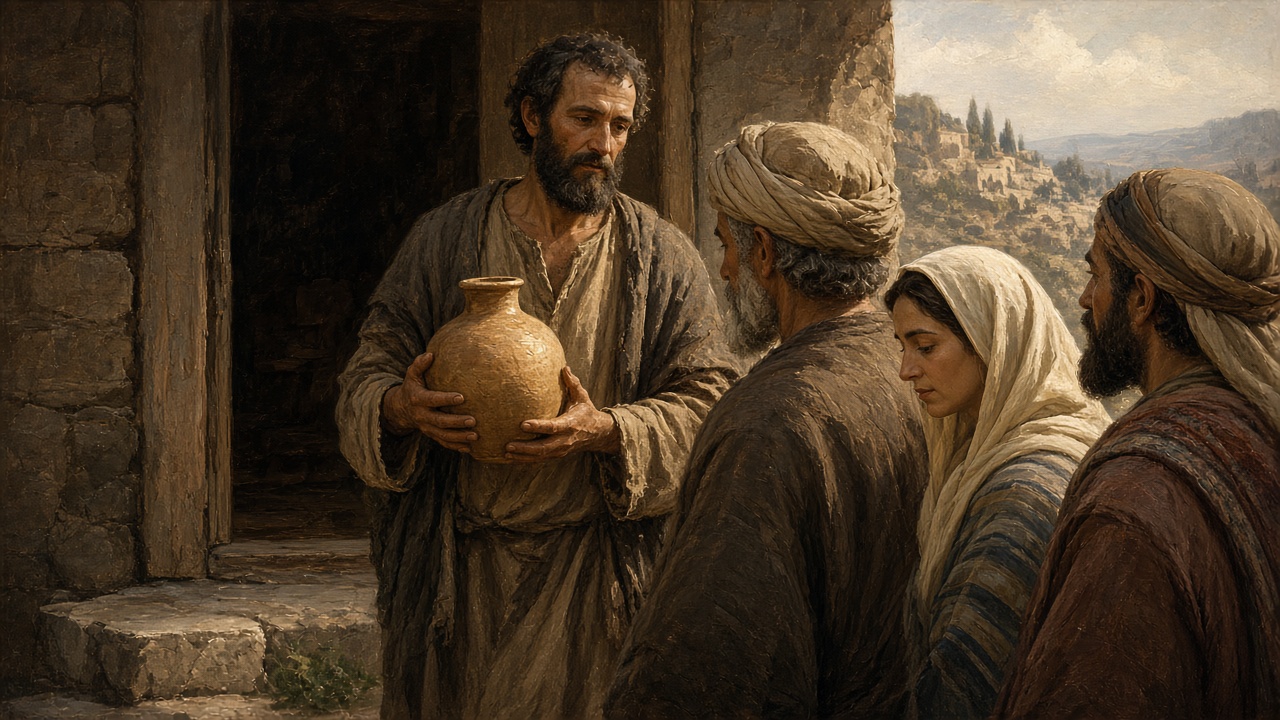
- Su mensaje se presenta como un tesoro guardado en vasijas de barro, para que se muestre que este poder incomparablemente grande viene de Dios y no de ellos. El mismo contraste recorre sus dificultades: presionados por todos lados, pero no aplastados; perplejos, pero no desesperados; perseguidos, pero no abandonados; derribados, pero no destruidos.Fuentes: el propio texto bíblico
- La luz es la otra imagen central del capítulo. Dios, que dijo: "Que la luz brille desde las tinieblas", es presentado como quien hizo brillar su luz en el corazón de ellos, para dar la luz del conocimiento de la gloria de Dios en el rostro de Jesucristo. No se proclaman a sí mismos, sino a Jesucristo como Señor, y a sí mismos como siervos de aquellos a quienes se dirigen, por causa de Jesús; si el evangelio está velado, el texto dice que está velado para los que perecen, cuyas mentes ha cegado "el dios de esta era".Fuentes: el propio texto bíblico
Notas escritas con ayuda de IA a partir de fuentes abiertas (Theographic Bible Metadata, CC BY-SA 4.0; Easton’s Bible Dictionary, dominio público) y revisadas antes de publicarse.
Créditos y licencia de esta traducción
Dios oca gotirituti
New Testament in Barasana-Eduria (CO:bsn:Barasana-Eduria)
copyright © 2010 Wycliffe Bible Translators, Inc.
Language: Barasana-Eduria
Translation by: Wycliffe Bible Translators, Inc.
Copyright Information
© 2010, Wycliffe Bible Translators, Inc. All rights reserved.
This translation text is made available to you under the
terms of the Creative Commons License: Attribution-Noncommercial-No Derivative Works.
( http://creativecommons.org/licenses/by-nc-nd/3.0/ )
In addition, you have permission to port the text to different file formats, as long as you
do not change any of the text or punctuation of the Bible.
You may share, copy, distribute, transmit, and extract portions
or quotations from this work, provided that you include the above copyright
information:
You must give Attribution to the work.
You do not sell this work for a profit.
You do not make any derivative works that change any of the actual words or punctuation of the Scriptures.
Permissions beyond the scope of this license may be
available if you contact
us with your request.
The New Testament
in Barasana-Eduria
© 2010, Wycliffe Bible Translators, Inc. All rights reserved.
This translation is made available to you under the terms of the
Creative Commons Attribution-Noncommercial-No Derivatives license 4.0.
You may share and redistribute this Bible translation or extracts from it in any format, provided that:
You include the above copyright and source information.
You do not sell this work for a profit.
You do not change any of the words or punctuation of the Scriptures.
Pictures included with Scriptures and other documents on this site are licensed just for use with those Scriptures and documents.
For other uses, please contact the respective copyright owners.
2014-04-22
Fuente: http://ebible.org/bsnNT/ · eBible.org