Números 24
Luda yã takada kũ Bisã yão · Toca un versículo para ver sus referencias cruzadas.
1Kũ Balamu è sa mana ona Isarailanↄnɛ kà Dikirigu, adi gɛ́ màso kɛ lán yã bà doro, akũ à arɛ dↄ̀ gbárannaa. 2Kũ à wɛ́ zù, akũ à Isarailanↄ è katɛna ń buria. Luda Nini kìpaa, 3akũ à yã kũ à èe ò à pì:
Bɛↄ nɛ́ Balamu yãn dí,
makũ kũ ma wɛ́ kɛ̃na yãn dí.
4Makũ kũ madì Luda yã ma yãn dí.
Ma Gbãnasĩndapinkide wɛ́gupu è,
ma wutɛ nɛ̀sɛlɛ kutɛna, ma wɛ́ wɛ̃na.
5Yakubu burinↄ bùrakatɛna mana fá!
Isaraila bizakutanↄn mana!
6Ò katɛna lán guvutɛ dàkonↄ bà,
lán swa dↄ̀rↄ kara búnↄ bà.
Ò de lán zà lí kũ Dikiri bànↄ bà,
lán sida lí kũ ò kú í sarɛnↄ bà.
7Í ni ń orozãnↄ pa yɛ́rɛrɛ,
ń pↄ́tↄ̃nanↄ ni í le manamana.
Ń kína gbãna nigↄ̃ de Agaga pↄ́la,
ń kpata ni tↄ́ bo.
8Luda ń bↄ́tɛ Misila,
ò gbãna vĩ lán zùsɛ̃ntɛ bà.
Òdi zĩ̀ ble buri kũ ò ibɛrɛɛ kpà kũńwonↄa,
òdi ń wánↄ wíwi òdi ń pápa kũ kàao.
9Òdi sↄ̃pɛtɛ ò wútɛ lán músuu bà,
dí mɛ́ ani fↄ̃ à ń futɛɛ?
Luda arubarika da gbɛ̃ kũ oni sa mana ońnɛnↄgu,
à gbɛ̃ kũ oni sa vãni ońnɛnↄ ká.
10Balaki pↄ fɛ̃̀ Balamui à ↄnɛ dↄ̀a à pì: Ma ibɛrɛnↄ kana yãin ma n sisi, akũ n sa mana òńnɛ gɛ̃̀n aakↄ̃ yá? 11Ǹ tá n bɛa gↄ̃̀nↄ. Ma pì mani gba kɛnnɛmɛ yã, akũsↄ̃ Dikiri gìnnɛ ǹ láada le. 12Balamu pìnɛ: Mádi o gbɛ̃ kũ n ń zĩmanↄnɛroo! 13Ma pì bee tó n ma gba n bɛ kũ à pana kũ andurufuuo kũ wuraao, mani bo Dikiri yã kpɛ mà yã kɛ kũ ma zĩda pↄyeinaaoro, a mana ke a vãni. Yã kũ Dikiri pì mà on mani o. 14Matɛn tá ma gbɛ̃nↄ kĩnaa sà. Ǹ mↄ́ mà onnɛ lákũ gbɛ̃ pìnↄ ni kɛ n gbɛ̃nↄnɛ nà zia.
Balamu yã siikↄ̃de kũ à è onaa
15Akũ Balamu yã kũ à èe ò à pì:
Bɛↄ nɛ́ Balamu yãn dí,
makũ kũ ma wɛ́ kɛ̃na yãn dí.
16Makũ kũ madì Luda yã ma yãn dí.
Má Luda Musude nɛ̀sɛgũnyã dↄ̃.
Ma Gbãnasĩndapinkide wɛ́gupu è,
ma wutɛ nɛ̀sɛlɛ kutɛna, ma wɛ́ wɛ̃na.
17Matɛn Isarailanↄ e, adi kɛ teranlo,
matɛni ń gwa, a gↄrↄ dí ká gĩaro.
Susunɛ ni bo Yakubu burinↄ tɛ́,
kpatableri ni bo Isarailanↄ tɛ́,
ani Mↄabunↄ mì wíwi,
ani zukakari pìnↄ mìtoko fↄ̃fↄ̃.
18Ɛdↄmu bùsu ni gↄ̃ a pↄ́ ũ,
a ibɛrɛ Sei bùsu ni gↄ̃ a pↄ́ ũ,
Isarailanↄ gbãna nigↄ̃ karamɛ.
19Yakubu buri ke ni kí bleḿma,
ani gbɛ̃ kpara kũ ò gↄ̃̀nↄ kakatɛ.
20Balamu Amalɛki burinↄ è, akũ à yã kũ à èe ò à pì:
Amalɛki burinↄ bi burinↄ mìdemɛ,
ama oni kakatɛ zã.
21Kũ Balamu Keninↄ è, akũ à yã kũ à èe ò à pì:
Á kúki gbãna gíngin,
á sà kú gbɛ̀ musu.
22Bee kũ abireo oni á kakatɛmɛ,
Asirianↄ ni á kũkũ zĩ̀zↄnↄ ũ.
23Balamu yã kũ à èe ò dↄ à pì:
O'o, tó Luda kɛ̀ lɛ, dí mɛ́ ani boo?
24Gó'itɛnↄ ni bo Sipiru bùsun,
oni zĩ̀ ble Asirianↄ kũ Eberunↄa,
ama mↄ́kↄ̃nↄ ni kakatɛmɛ se.
25Balamu fùtɛ à tà a bɛa, akũ Balaki dà zɛ́n se.
¿Sabías que…?
Los Últimos Oráculos de Balaam
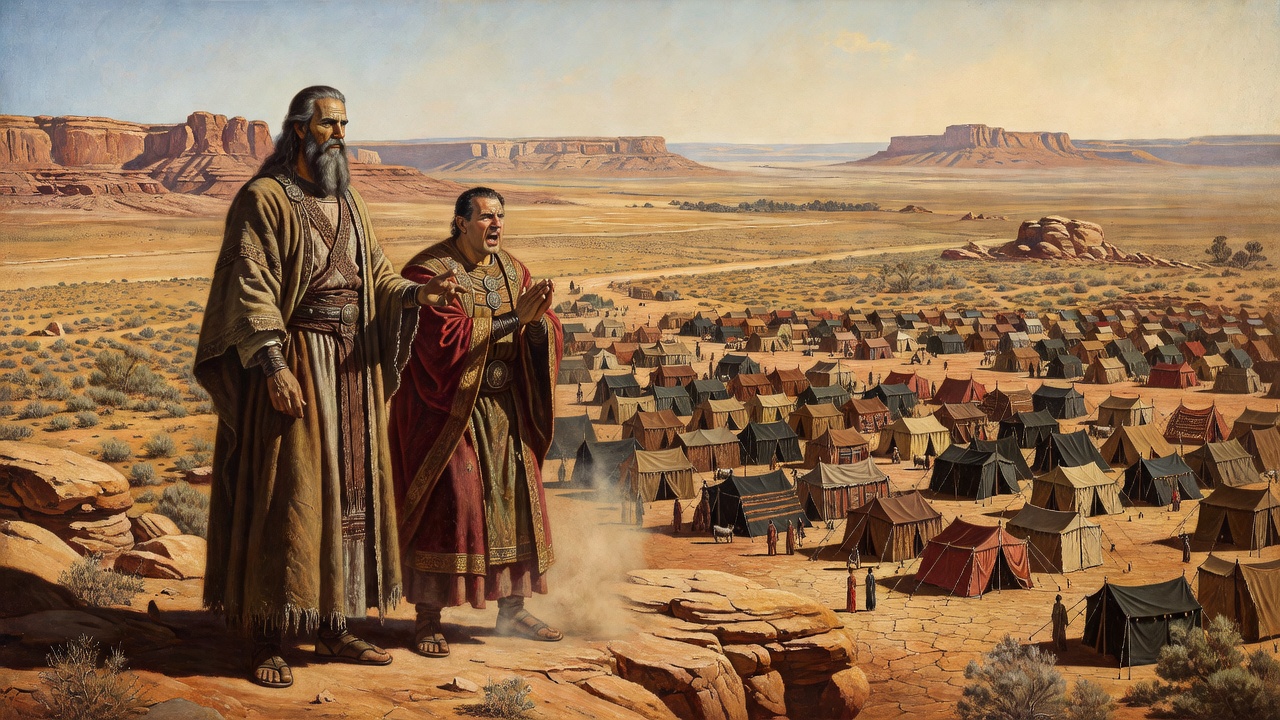
- A diferencia de sus intentos anteriores, Balaam no recurrió a la adivinación antes de su tercer oráculo, sino que volvió su rostro hacia el desierto. Al ver a Israel acampado tribu por tribu, el Espíritu de Dios vino sobre él para pronunciar una bendición en lugar de una maldición.Fuentes: el propio texto bíblico · Balaam
- Los oráculos de Balaam mencionan a Agag y a Amalec, una tribu nómada que habitaba entre el mar Muerto y el mar Rojo, cuyos reyes llevaban el nombre de Agag. Aunque Amalec fue descrito como la primera de las naciones, Balaam predijo su destrucción final.Fuentes: el propio texto bíblico · Agag · Amalek
- En su profecía final, Balaam miró hacia el futuro distante, anunciando una estrella de Jacob y un cetro de Israel que aplastarían a Moab y tomarían posesión de Edom, la escarpada región montañosa también llamada Seir.Fuentes: el propio texto bíblico · Jacob (Israel) · Edom · Seir
Notas escritas con ayuda de IA a partir de fuentes abiertas (Theographic Bible Metadata, CC BY-SA 4.0; Easton’s Bible Dictionary, dominio público) y revisadas antes de publicarse.
Lugares de este capítulo
- Egypt · 30.129, 31.308 · versículo 8
- Moab · Hoy: Moab 1 · 31.181, 35.701 · versículo 17
- Edom · 30.746, 35.604 · versículo 18
- Amalek · 30.648, 34.422 · versículos 20, 24
- Asshur · Hoy: Assur · 35.457, 43.263 · versículos 22, 24
- Kittim · Hoy: Cyprus · 35.000, 33.000 · versículo 24
Solo aparecen lugares identificados con alta confianza (90 % o más según las fuentes académicas reunidas por OpenBible). Mapa de la época: DARE (Digital Atlas of the Roman Empire), CC BY 4.0; mapa actual: © colaboradores de OpenStreetMap; lugares: OpenBible.info (CC BY 4.0).
Créditos y licencia de esta traducción
Luda yã takada kũ Bisã yão
Portions of the Holy Bible in the Busa language of Nigeria
copyright © 2005 SIM International
Language: Bisã (Busa)
Translation by: SIM
This translation text is made available to you under the
terms of the Creative Commons License: Attribution-Noncommercial-No Derivative Works.
( http://creativecommons.org/licenses/by-nc-nd/3.0/ )
In addition, you have permission to port the text to different file formats, as long as you
do not change any of the text or punctuation of the Bible.
You may share, copy, distribute, transmit, and extract portions
or quotations from this work, provided that you include the above copyright
information:
You must give Attribution to the work.
You do not sell this work for a profit.
You do not make any derivative works that change any of the actual words or punctuation of the Scriptures.
Permissions beyond the scope of this license may be
available if you contact
us with your request.
This translation is made available to you under the terms of the
Creative Commons Attribution-Noncommercial-No Derivatives license 4.0.
You may share and redistribute this Bible translation or extracts from it in any format, provided that:
You include the above copyright and source information.
You do not sell this work for a profit.
You do not change any of the words or punctuation of the Scriptures.
Pictures included with Scriptures and other documents on this site are licensed just for use with those Scriptures and documents.
For other uses, please contact the respective copyright owners.
2014-10-10
Fuente: http://ebible.org/bqp/ · eBible.org