Levítico 1
Luda yã takada kũ Bisã yão · Toca un versículo para ver sus referencias cruzadas.
Acerca de este libro
Sobre Levítico
- El Diccionario Bíblico de Easton (1897) presenta Levítico como el tercer libro del Pentateuco y como el tercer libro de Moisés. El nombre, usado en la Vulgata siguiendo la LXX, refleja el tema principal del libro: el servicio levítico.Fuentes: Easton: Leviticus
- Easton afirma que todas las ordenanzas del libro fueron entregadas en el espacio de un mes, el primer mes del segundo año después del Éxodo. En la entrada sobre el Sinaí, llamado también Horeb, dice que los hebreos llegaron a esa región montañosa en el tercer mes después del Éxodo y permanecieron acampados cerca de un año entero, y que todo Levítico registra lo que ocurrió allí.Fuentes: Easton: Leviticus · Mount Sinai
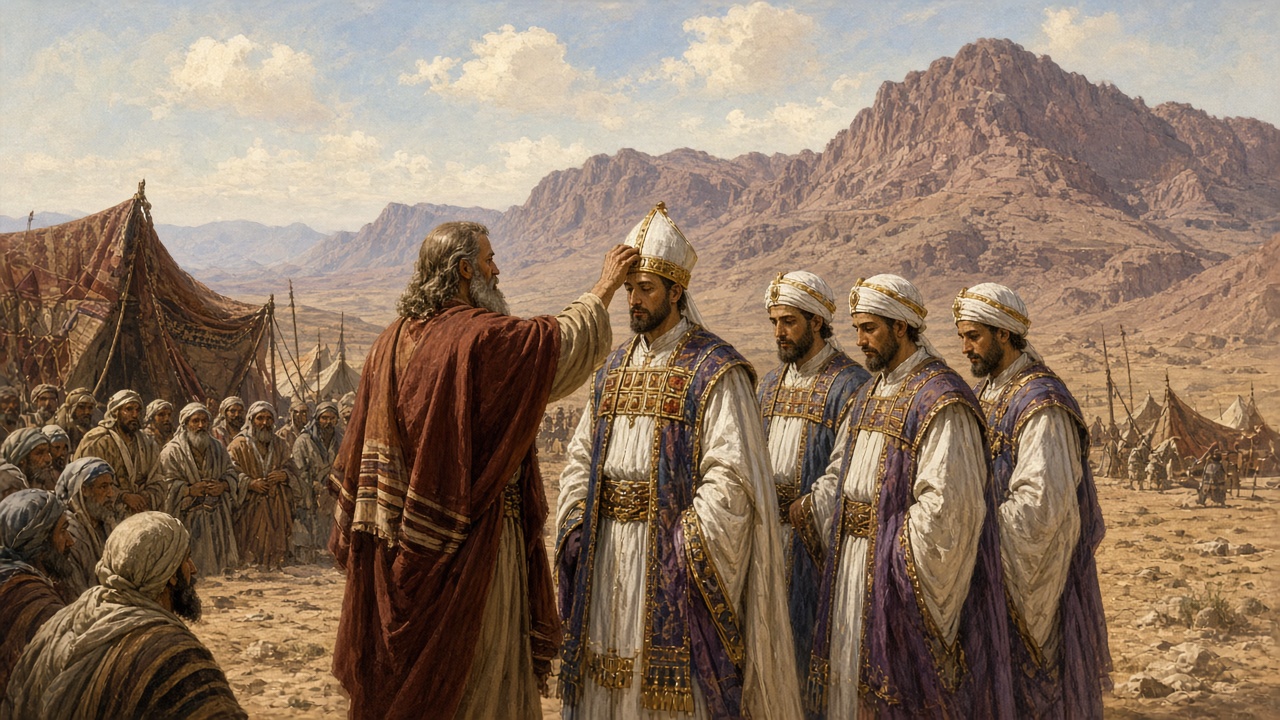
- Los capítulos 1 a 7 dan leyes sobre holocaustos, ofrendas de cereales y ofrendas de acción de gracias, luego sobre ofrendas por el pecado y ofrendas por la culpa, y sobre los deberes de los sacerdotes al ofrecer sacrificios. Los capítulos 8 a 10 relatan la consagración de Aarón y de sus hijos, la primera ofrenda de Aarón por sí mismo y por el pueblo, y la muerte de Nadab y Abiú, que fueron heridos de muerte y enterrados fuera del campamento tras ofrecer fuego extraño, es decir, fuego común no tomado del gran altar de bronce. Los capítulos 11 a 16 tratan de la pureza y de los sacrificios y ordenanzas para apartar la impureza.Fuentes: Easton: Leviticus · Nadab · Abihu
- Easton describe los capítulos 17 a 20 como leyes que marcan la separación entre Israel y los demás pueblos. Otras leyes tratan de la pureza personal de los sacerdotes y de su consumo de las cosas santas, de las ofrendas sin defecto y de la debida celebración de las grandes fiestas en los capítulos 23 y 25. Siguen promesas y advertencias acerca de la obediencia, el libro cierra con una sección sobre votos, y Easton observa que Dios es quien habla de manera directa en casi todo el libro.Fuentes: Easton: Leviticus
- En los ritos del capítulo 16, un macho cabrío queda asociado con Azazel, término que la Authorized Version traduce como scapegoat y que la Revised Version deja como Azazel. Easton informa que algunos intérpretes judíos lo toman como un lugar en el desierto, a unas doce millas al este de Jerusalén, mientras otros lo toman como un espíritu maligno o incluso Satanás, y también señala un significado de raíz: separación.Fuentes: Azazel
Notas escritas con ayuda de IA a partir de fuentes abiertas (Theographic Bible Metadata, CC BY-SA 4.0; Easton’s Bible Dictionary, dominio público) y revisadas antes de publicarse.
YÃKU NI ISIRELIBA BA KOO KO
Yɑ̃ku dɔ̃ɔ mwɑɑrɑruginu
1Yinni Gusunɔ u Mɔwisi sokɑ sɑɑ win kuu bekurugii tèn mi bɑ rɑ nùn sɑ̃n di. 2U nùn sɔ̃ɔwɑ u nɛɛ, ɑ Isirelibɑ sɔ̃ɔwɔ ɑ nɛɛ, ben goo ù n kĩ u nɛ, Yinni Gusunɔ yɑ̃kuru kuɑ, u koo kpĩ u kɛtɛ go, ǹ kun mɛ yɑ̃ɑru.
3Ǹ n yɑ̃ku dɔ̃ɔ mwɑɑrɑrugirɑ yɛ̃ro u mɔ̀ kɑ kɛtɛ, kɛtɛ ye, yɑ ko n sɑ̃ɑwɑ kɛtɛ kinɛru te tɑ ǹ ɑlebu gɑɑ mɔ. U koo yɑ̃ku te kowɑ nɛn sɑ̃ɑ yerun kɔnnɔwɔ, kpɑ u kɑ nɛ, Yinni Gusunɔn durom wɑ. 4U koo win nɔmɑ sɔndiwɑ kɛtɛ yen wiru wɔllɔ ye nɛ Gusunɔ nɑ wurɑ yu kɑ win durum wukiri. 5U koo kɛtɛ ye gowɑ nɛ, Yinni Gusunɔn wuswɑɑɔ nɛn kuu ten kɔnnɔwɔ. Aronin bibu be bɑ sɑ̃ɑ yɑ̃ku kowobu, beyɑ bɑ koo yen yɛm suɑ kpɑ bu mu yɛ̃kɑ bu kɑ yɑ̃ku yee ten nɔɔ bɔkɑ sikerenɑ. 6Yen biru bɑ koo sɑbe te kokuwɑ kpɑ bu ten yɑɑ bɔtiri. 7Yɑ̃ku kowo berɑ bɑ koo yɑ̃ku dɑ̃ɑ yi yi kpɑ bu dɔ̃ɔ doke. 8Dɔ̃ɔ wi sɔɔrɑ bɑ koo ye kpuro doke kɑ yen wiru kɑ yen gum. 9Bɑ koo yen bɔsɔ yɑ̃nu kɑ yen wɔbunu kpuro teɑwɑ kpɑ yɑ̃ku kowobu bu ye kpuro dɔ̃ɔ doke. Yɑ ko n sɑ̃ɑwɑ yɑ̃ku dɔ̃ɔ mwɑɑrɑruginu nìn nuburɑ koo nɛ, Yinni Gusunɔ dore.
10Goo ù n mɑɑ yɑ̃ku dɔ̃ɔ mwɑɑrɑrugiru mɔ̀ kɑ yɑ̃ɑru, ǹ kun mɛ kɑ boo, yɑ̃ɑ kinɛrɑ u koo go, ǹ kun mɛ boo kinɛru te tɑ ǹ ɑlebu gɑɑ mɔ. 11U koo tu sɑkɑwɑ yɑ̃ku yerun sɔ̃ɔ yɛ̃sɑn nɔm geu giɑ Yinni Gusunɔn wuswɑɑɔ kpɑ yɑ̃ku kowobu bu ten yɛm suɑ bu yɛ̃kɑ yɛ̃kɑ bu kɑ yɑ̃ku yerun nɔɔ bɔkɑ sikerenɑ. 12U koo yɑɑ ye bɔtiriwɑ kpɑ u kpɛ̃ɛ yɑ̃ku dɔ̃ɔ sɔɔ kɑ yen wiru kɑ yen gum sɑnnu. 13U koo yen bɔsɔ yɑ̃nu kɑ yen wɔbunu suɑ u teɑwɑ, kpɑ yɑ̃ku kowo u ye kpuro suɑ u dɔ̃ɔ doke, yu dɔ̃ɔ mwɑɑrɑ mɑm mɑm. Yɑ ko n sɑ̃ɑwɑ yɑ̃ku dɔ̃ɔ mwɑɑrɑrugiru tèn nuburɑ koo nɛ, Yinni Gusunɔ dore.
14Goo ù n yɑ̃ku dɔ̃ɔ mwɑɑrɑrugiru mɔ̀ kɑ gunɔsu, kpɑrukonɑ u koo kɑ tu ko, ǹ kun mɛ totobɛrɛnu. 15Yɑ̃ku kowo u koo kɑ gunɔ ge nɑ yɑ̃ku yerɔ. Kpɑ u gen wiru burɑ kpɑ u gen yɛm yɛ̃kɑ yɛ̃kɑ yɑ̃ku yee ten yɛ̃sɑɔ. 16U koo gen sɑnsu wukiriwɑ kpɑ u gen yɔ̃ɔru wĩɑ u kɔ̃ yɑ̃ku yerun sɔ̃ɔ yɑri yeru giɑ mì bɑ rɑ torom wisi. 17Kpɑ u gu bɛrɑ bɛsi yiru u kun sɔsiɑnɛ. Yen biruwɑ u koo gu dɔ̃ɔ kpɛ̃ɛ, kpɑ gu dɔ̃ɔ mwɑɑrɑ. Yɑ ko n sɑ̃ɑwɑ yɑ̃ku dɔ̃ɔ mwɑɑrɑrugiru tèn nuburu tɑ koo nɛ Yinni Gusunɔ dore.
¿Sabías que…?
El Holocausto
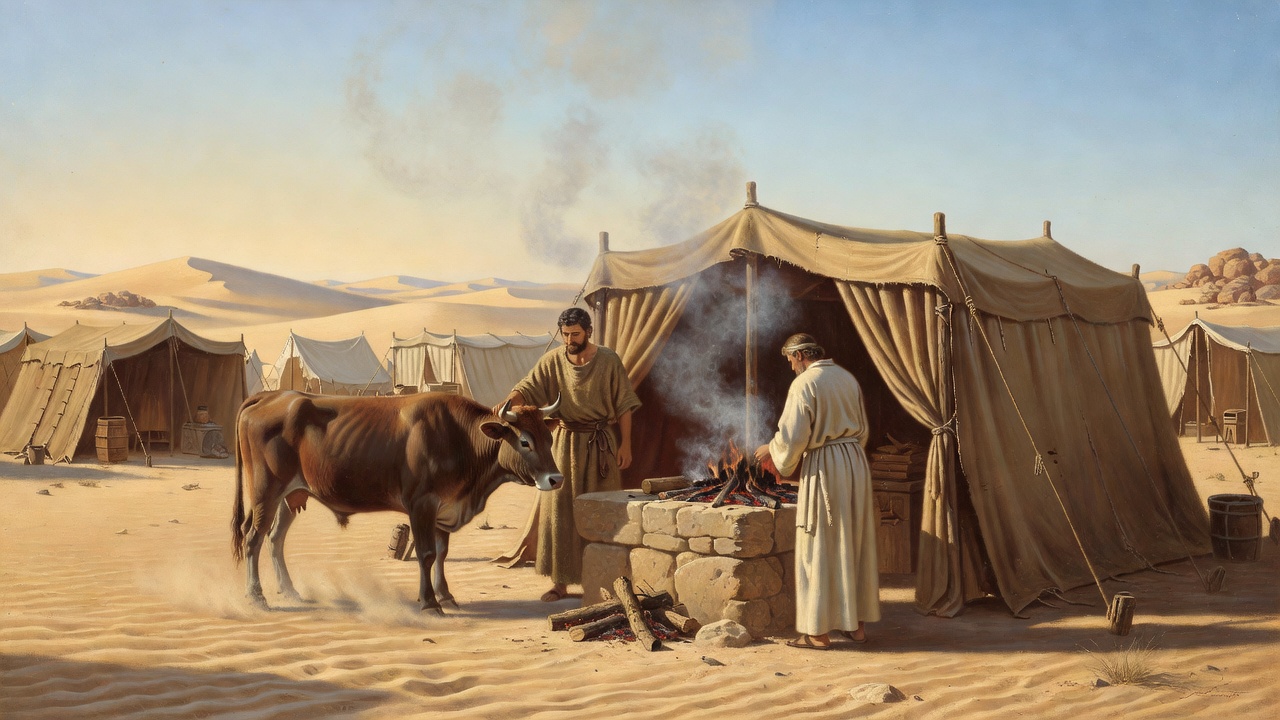
- Las instrucciones para el holocausto se adaptaban a distintas capacidades materiales, permitiendo ofrendas del ganado vacuno, del rebaño (ovejas o cabras) o de aves (tórtolas o pichones). En el caso del ganado y del rebaño, se requería un macho sin defecto.Fuentes: el propio texto bíblico
- El ritual establecía una clara división de funciones entre el oferente y los sacerdotes. El adorador presentaba el animal, ponía su mano sobre la cabeza de este para expiación, lo degollaba, lo desollaba y lavaba sus partes internas, mientras que los hijos de Aarón rociaban la sangre y quemaban toda la ofrenda sobre el altar.Fuentes: el propio texto bíblico · Aaron
Notas escritas con ayuda de IA a partir de fuentes abiertas (Theographic Bible Metadata, CC BY-SA 4.0; Easton’s Bible Dictionary, dominio público) y revisadas antes de publicarse.
Créditos y licencia de esta traducción
Luda yã takada kũ Bisã yão
Portions of the Holy Bible in the Busa language of Nigeria
copyright © 2005 SIM International
Language: Bisã (Busa)
Translation by: SIM
This translation text is made available to you under the
terms of the Creative Commons License: Attribution-Noncommercial-No Derivative Works.
( http://creativecommons.org/licenses/by-nc-nd/3.0/ )
In addition, you have permission to port the text to different file formats, as long as you
do not change any of the text or punctuation of the Bible.
You may share, copy, distribute, transmit, and extract portions
or quotations from this work, provided that you include the above copyright
information:
You must give Attribution to the work.
You do not sell this work for a profit.
You do not make any derivative works that change any of the actual words or punctuation of the Scriptures.
Permissions beyond the scope of this license may be
available if you contact
us with your request.
This translation is made available to you under the terms of the
Creative Commons Attribution-Noncommercial-No Derivatives license 4.0.
You may share and redistribute this Bible translation or extracts from it in any format, provided that:
You include the above copyright and source information.
You do not sell this work for a profit.
You do not change any of the words or punctuation of the Scriptures.
Pictures included with Scriptures and other documents on this site are licensed just for use with those Scriptures and documents.
For other uses, please contact the respective copyright owners.
2014-10-10
Fuente: http://ebible.org/bqp/ · eBible.org