Jeremías 32
Luda yã takada kũ Bisã yão · Toca un versículo para ver sus referencias cruzadas.
Yeremi u gberu gɑru dwɑ
1Yudɑbɑn sinɑ boko Sedesiɑsin bɑndun wɔ̃ɔ wɔkuruse sɔɔ, Yinni Gusunɔ u kɑ Yeremi gɑri kuɑ. N deemɑ Bɑbilonin sinɑ boko Nɛbukɑnɛsɑɑn bɑndun wɔ̃ɔ yɛndu yiru sɑrisewɑ mi. 2Sɑɑ ye sɔɔrɑ win tɑbu kowobu bɑ Yerusɑlɛmu tɑrusi, mɑ Yeremi u wɑ̃ɑ pirisɔm sɔɔ Yudɑbɑn sinɑ kpɑɑrɔ. 3Sedesiɑsi wiyɑ u nùn pirisɔm ye kpɛ̃ɛ yèn sɔ̃ u Gusunɔn gɑri geruɑ u nɛɛ, wee Yinni Gusunɔ u Bɑbilonin sinɑ boko wuu geni nɔmu bɛriɑ kpɑ u gu kɑmiɑ. 4Sedesiɑsi kun mɑɑ kisirɑmɔ tɑbu kowobun nɔmɑn di. Bɑbilonin sinɑ boko u koo nùn nɔmɑ turi, kpɑ bu wɑɑnɑ nɔni kɑ nɔni bu gɑri ko. 5Bɑbilonin sinɑ boko wi, u koo kɑ nùn dɑ Bɑbiloniɔ. Miyɑ u ko n wɑ̃ɑ sere Gusunɔ u kɑ win gɑri ko. Yen sɔ̃, bɑɑ ì n kɑ Bɑbilonigibu tɑbu mɔ̀ tɛ̃, i ǹ bu kɑmiɑmɔ.
6Yeremi u nɛɛ, Yinni Gusunɔ u mɑɑ mɑn sɔ̃ɔwɑ u nɛɛ, 7wee, Hɑnɑmɛɛli, Sɑlumun bii, nɛn bɑɑn tundo turosin bii, u koo nɑ u nɛɛ, n nɑ n win gberu dwe Anɑtɔtuɔ, Bɛnyɑmɛɛn temɔ. Domi nɛnɑ n weenɛ n tem mɛ yɑkiɑ n tubi di.
8Yerɑ n koorɑ nge mɛ Yinni Gusunɔ u geruɑ. Hɑnɑmɛɛli wi, u nɑ nɛn mi pirisɔm dirɔ u nɛɛ, n win tem mɛ dweeyo mɛ mu wɑ̃ɑ Anɑtɔtuɔ Bɛnyɑmɛɛn temɔ domi nɛnɑ n weenɛ n mu yɑkiɑ n tubi di.
Sɑɑ ye sɔɔrɑ nɑ tubɑ mɑ Gusunɔwɑ u kĩ mɛ.
9Mɑ nɑ gbee te yɑkiɑ kɑ sii geesun gobi wɔkurɑ nɔɔbu kɑ yiru. 10Mɑ nɑ seedɑgibu suɑ nɑ tem mɛn dwee tirenu yoruɑ yiru nɑ nɛn yĩreru doke ten teeru wɔllɔ nɑ wukiri nge mɛ woodɑ yɑ geruɑ mɑ nɑ sii gee si suɑ nɑ kilo sɔndi seedɑgii ben wuswɑɑɔ. Mɑ nɑ tire ni suɑ 12nɑ Bɑruku, Nɛriyɑn bii, Mɑseyɑn debubu wɛ̃ Hɑnɑmɛɛli kɑ seedɑgii be bɑ ben yĩrenu doke tire te sɔɔ kɑ sere mɑɑ Yudɑbɑ be bɑ wɑ̃ɑ pirisɔm dii yɑɑrɑ min nɔni biru. 13Be kpuron nɔni birɑ nɑ mɑɑ Bɑruku sɔ̃ɔwɑ 14nɑ nɛɛ, Isirelibɑn Yinni wi u wɔllu kɑ tem mɔ, wiyɑ u geruɑ u nɛɛ, u dwee tirenu yiru ye suo, te bɑ yĩreru koosi, u dɑ u nu doke wekeru sɔɔ kpɑ nu ku rɑɑ sɑnkirɑ.
15Domi sɔ̃ɔ teeru tɔmbu bɑ koo mɑɑ diɑ kɑ gbeɑ dwe tem mɛ sɔɔ.
Yeremin kɑnɑru
16Sɑnɑm mɛ nɑ tem mɛn dwee tire ni Bɑruku, Nɛriyɑn bii wɛ̃ nɑ kpɑ, nɑ Yinni Gusunɔ kɑnɑ nɑ nɛɛ, 17Yinni Gusunɔ, ɑ wɔllu kɑ tem kuɑ wunɛn dɑm bɑkɑm kɑ wunɛn yiikon sɑɑbu. Gɑ̃ɑnu sɑri ni ɑ kpɑnɛ. 18A rɑ bwesenu durom kue sere kɑ nin bibun bibɔ. Adɑmɑ bɑɑbɑbɑ bɑ̀ n torɑ, ɑ rɑ ben bibu sɛɛyɑsie torɑ nin sɔ̃. Gusunɔ, ɑ sɑ̃ɑwɑ Yinni boko, mɑ ɑ dɑm mɔ. Wunɛn yĩsirɑ wɔllu kɑ tem Yinni. 19Wunɛn himbɑ yɑ kpɑ̃, ɑ mɑɑ dɑm mɔ ɑ kɑ ye yibiɑ. A rɑ n mɛɛrɑ ye tɔmbɑ mɔ̀ kpɑ ɑ bɑɑwure kuɑ nge mɛ win kookoosu nɛ.
20A sɔm mɑɑmɑɑkiginu kuɑ sɑnɑm mɛ bɛsɛn sikɑdobɑ bɑ wɑ̃ɑ Egibitiɔ. Mɛyɑ gisɔ ɑ mɑɑ mɔ̀ bɛsɛn suunu sɔɔ Isireliɔ kɑ bwese ni nu tien suunu sɔɔ. Mɑ ɑ yĩsiru yɑrɑ nge mɛ sɑ nɔɔmɔ gisɔ. 21A wunɛn dɑm sɔ̃ɔsi, ɑ sɔm mɑɑmɑɑkiginu kuɑ. Mɑ tɔmbɑ nɑndɑ. Yerɑ yɑ derɑ ɑ wunɛn tɔmbu yɑrɑ sɑɑ Egibitin di. 22Mɑ ɑ bu tem mɛ wɛ̃ mɛ ɑ ben bɑɑbɑbɑ nɔɔ mwɛɛru kuɑ kɑ bɔ̃ri, mɛ mu tim kɑ bom yibɑ. 23Mɛyɑ bɑ mɑɑ nɑ bɑ tem mɛ mwɑ mu kuɑ begim. Adɑmɑ bɑ ǹ wunɛn gere mɛm nɔɔwɛ. Bɑ ǹ mɑɑ wunɛn woodɑbɑ swĩi. Mɛyɑ bɑ ǹ mɑɑ kue ye ɑ bu yiire. Sɑɑ yerɑ ɑ derɑ kɔ̃sɑ yeni kpuro yɑ bu deemɑ.
24Wee tɛ̃ Bɑbilonigibu bɑ gungunu bɑnɑ bu kɑ wɑ bu wuu ge wɔri. Bɑ koo mɑɑ gu mwɑ, domi ɑ bu gu nɔmu bɛriɑ. Kɑɑ de bu gu kɑmiɑ kɑ tɑbu kɑ gɔ̃ɔru kɑ bɑrɑru. Mɛyɑ ye ɑ geruɑ kpuro yɑ koorɑ, Yinni Gusunɔ, ɑ mɑɑ ye wɑɑmɔ. 25Wee wuu ge, gɑ wɑ̃ɑ Bɑbilonigibun nɔmɑ sɔɔ. Adɑmɑ kɑ mɛ, ɑ mɑn sɔ̃ɔwɑ ɑ nɛɛ, n tem dweeyo kɑ gobi kpɑ n yi kɔsiɑ seedɑgibun wuswɑɑɔ.
Yinni Gusunɔ u Yeremi wisɑ
26Yerɑ Yinni Gusunɔ u Yeremi wisɑ u nɛɛ, 27wee, nɛ Gusunɔ, nɑ sɑ̃ɑwɑ hɑnduniɑgibu kpuron Yinni. Gɑ̃ɑnu sɑri ni nɑ kpɑnɛ. 28Yen sɔ̃nɑ nɑ nɛɛ, kon de Bɑbilonin sinɑ boko Nɛbukɑnɛsɑɑ kɑ win tɑbu kowobu bu Yerusɑlɛmu nɔmɑ turi. U koo mɑɑ ye mwɑ. 29Bɑ koo ye wɔri kpɑ bu ye dɔ̃ɔ mɛni kpɑ bu diɑ yèn wɔllɔ Yudɑbɑ bɑ rɑ bũu wi bɑ mɔ̀ Bɑɑli yɑ̃kuru kue dɔ̃ɔ sɔku, kɑ sere mi bɑ rɑ tɔn tukobun bũu sɑ̃ bu tɑm tɑ̃rɑ. Domi yebɑ kpurowɑ bɑ kɑ nɛn mɔru seeyɑ.
30Wee kɔ̃sɑ Isirelibɑ kɑ Yudɑbɑ bɑ rɑ n mɔ̀ sɑɑ ben toren di. Ben ye bɑ mɔ̀ kpuro yɑ rɑ nɛn mɔru seeyewɑ. Nɛ, Yinni Gusunɔwɑ nɑ yeni geruɑ. 31Sɑɑ mìn di bɑ wuu ge swĩi, n kɑ girɑri gisɔ, gen tɔmbu bɑ rɑ nɛn mɔru seeyewɑ. Yen sɔ̃nɑ nɑ ǹ kĩ n gu wɑ nɛn wuswɑɑɔ. 32Domi Yudɑbɑ kɑ Yerusɑlɛmugibu kɑ Isirelibɑ, be kɑ ben sinɑmbu kɑ ben sinɑ ɑsɑkpɔbu kɑ ben yɑ̃ku kowobu kɑ Gusunɔn sɔmɔbu, bɑ kɔ̃sɑ kuɑ. Yerɑ yɑ nɛn mɔru seeyɑ. 33Bɑ yinɑ bu mɑn mɛɛri. Biruwɑ bɑ mɑn kisi. Nɑ bu keu kuɑ sɑɑ yee yellun di. Adɑmɑ bɑ yinɑ bu nɛn sɔ̃ɔsiru nɔ. 34N ǹ mɑm ye tɔnɑ, bɑ mɑɑ ben bwɑ̃ɑrokunu duusiɑwɑ nɛn sɑ̃ɑ yerɔ bɑ tu disi doke. 35Bɑ bũu wi bɑ mɔ̀ Bɑɑli sɑ̃ɑ yeru bɑniɑ Bɛni Hinɔmun wɔwɑɔ. Miyɑ bɑ rɑ kɑ ben bibu yɑ̃ku dɔ̃ɔ mwɑɑrɑruginu ko Mɔlɔkun sɔ̃. N deemɑ nɑ ǹ bu yen gɑɑ yiire. Nɑ ǹ mɑm bwisikɑ bu kɔ̃sɑ yenin bweseru ko ye yɑ derɑ Yudɑbɑ kpuro bɑ mɑn torɑri.
36Nɛ Gusunɔ, Isirelibɑn Yinni, nɑ nɛɛ, Yeremi, Yerusɑlɛmu ye i nɛɛ, bɑ koo Bɑbilonin sinɑ boko nɔmu bɛriɑ mi, kpɑ u ye wɔri u kɑmiɑ kɑ tɑbu kɑ gɔ̃ɔru kɑ bɑrɑru, 37wee, kon yen tɔmbu mɛnnɑ bu wurɑ ye sɔɔ. Domi nɑ rɑɑ kɑ bu mɔru kuɑ gem gem, mɑ nɑ bu yɑrinɑsiɑ bɑɑmɑ, ɑdɑmɑ kon de bu wurɑmɑ mini kpɑ bɑ n wɑ̃ɑ bɔri yɛndu sɔɔ. 38Bɑ koo wure bu ko nɛn tɔmbu kpɑ nɑ n mɑɑ sɑ̃ɑ ben Yinni. 39Kon de bɑ n wɑ̃ɑ nɔɔ tiɑ sɔɔ bɑ n kookoo teesu mɔ̀, kpɑ bɑ n mɑn nɑsie bɑɑdommɑ. Yerɑ yɑ koo de bɑ n nuku dobu mɔ sere kɑ ben bibun bibɔ. 40Kon kɑ bu ɑrukɑwɑni bɔke ye yɑ kun kpeemɔ. Nɑ ǹ bu biru kisimɔ, kon bu geɑ kuɑwɑ, kpɑ n de bɑ n mɑn nɑsie ben gɔ̃ruɔ kpɑ bu ku rɑɑ mɑɑ gɛrɑ nɛn swɑɑn di. 41Kɑ nuku dobɑ kon bu geɑ kuɑ kpɑ n bu swĩi mɑm mɑm tem mɛ sɔɔ kɑ gɔ̃ru tiɑ.
42Nɛ, Yinni Gusunɔ nɑ nɛɛ, nge mɛ nɑ derɑ kɔ̃sɑ bɑkɑ yɑ tɔn be deemɑ, nge mɛyɑ kon mɑɑ de durom bɑkɑm mu nɑ be sɔɔ mɛ̀n nɔɔ mwɛɛru nɑ kuɑ. 43Yeremi, ɑ geruɑ ɑ nɛɛ, bɑ tem mɛ Bɑbilonigibu nɔmu bɛriɑ. Wee, mu kuɑ bɑnsu. Tɔmbu kɑ yɑɑ sɑbenu mɑɑ sɑri mɛ sɔɔ. Adɑmɑ miyɑ tɔmbu bɑ koo wurɑ kpɑ bu gbeɑ dwe. 44Kɑ gem bɑ koo gbeɑ dwe bɑɑmɑ kpuro kɑ gobi, kpɑ bu yen dwee tirenu ko, bu nu yĩrenu koosi seedɑgibun wuswɑɑɔ. Bɑ koo gbeɑ dwe Bɛnyɑmɛɛn temɔ kɑ Yerusɑlɛmun bɑru kpɑɑnɔ, kɑ Yudɑn wusɔ, kɑ wuu si su wɑ̃ɑ guunun berɑ giɑ, kɑ si su wɑ̃ɑ wɔwi sɔɔ, kɑ si su wɑ̃ɑ sɔ̃ɔ yɛ̃sɑn nɔm dwɑru giɑ. Domi sin tɔn be bɑ rɑɑ yoru mwɛɛrɑ mi, kon de bu wurɑmɑ. Nɛ, Yinni Gusunɔwɑ nɑ yeni geruɑ.
¿Sabías que…?
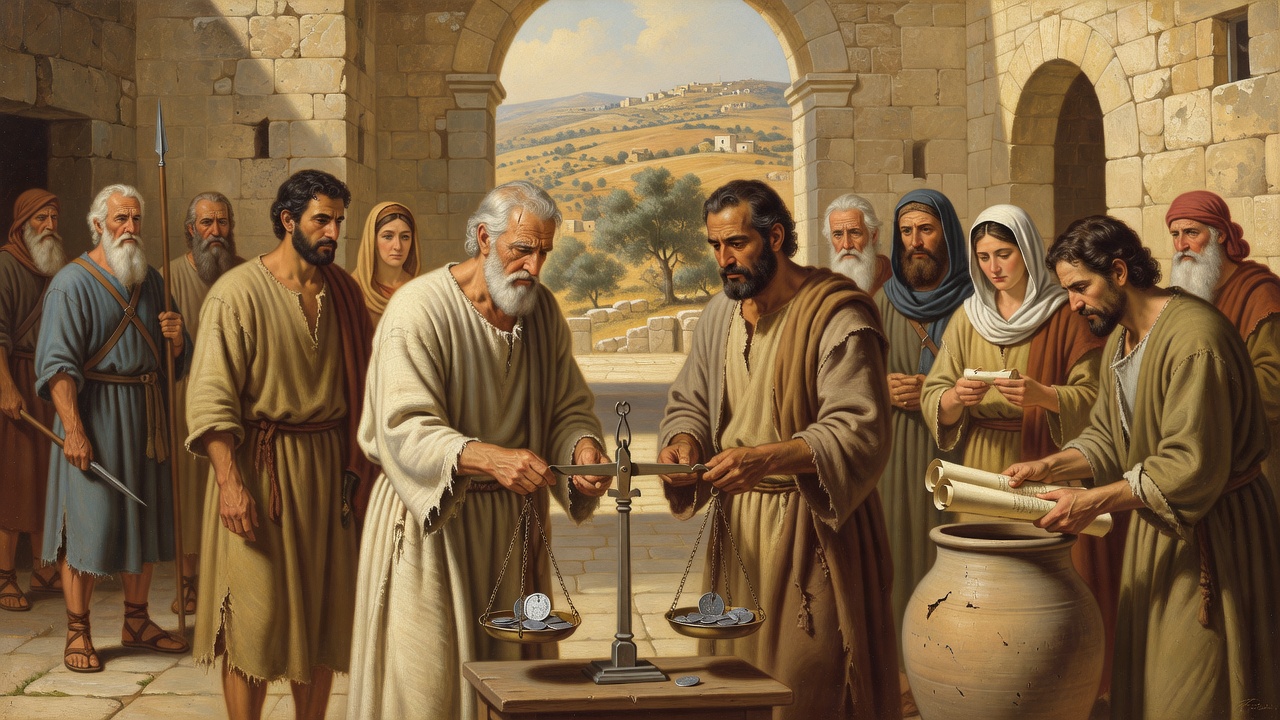
La compra de un campo durante el asedio de Jerusalén
- Los sucesos de este capítulo tuvieron lugar durante el asedio babilónico a Jerusalén en el décimo año del rey Sedequías. Jeremías había sido confinado por el rey en el patio de la guardia del palacio porque profetizaba que la ciudad caería ante el rey Nabucodonosor y que Sedequías sería llevado a Babilonia.Fuentes: el propio texto bíblico · Zedekiah · Nebuchadnezzar
- Aun estando detenido, Jeremías ejerció su derecho familiar de rescate para comprar un campo en su ciudad natal de Anatot a su primo Hanameel por diecisiete siclos de plata. Siguiendo las costumbres legales de la época, firmó escrituras selladas y abiertas ante testigos y se las entregó a su escriba Baruc para que las guardara en una vasija de barro.Fuentes: el propio texto bíblico · Hanameel · Baruch · Anathoth
- Esta compra funcionó como una señal profética en medio de una crisis militar desesperada. Aunque la ciudad enfrentaba una inminente destrucción y el destierro debido a su idolatría, Dios aseguró a Jeremías que los campos, casas y viñas volverían a comprarse y venderse en aquella tierra.Fuentes: el propio texto bíblico
Notas escritas con ayuda de IA a partir de fuentes abiertas (Theographic Bible Metadata, CC BY-SA 4.0; Easton’s Bible Dictionary, dominio público) y revisadas antes de publicarse.
Lugares de este capítulo
- Babylon · 32.543, 44.422 · versículos 2, 3, 4, 5, 28, 36
- Jerusalem · 31.777, 35.234 · versículos 2, 32, 44
- Chaldea · 30.962, 46.104 · versículos 4, 5, 24, 25, 28, 29, 43
- Egypt · 30.129, 31.308 · versículos 20, 21
- Valley of Hinnom · Hoy: Hinnom Valley · 31.769, 35.228 · versículo 35
- Negeb · 31.245, 34.841 · versículo 44
- Shephelah · 31.692, 34.875 · versículo 44
Solo aparecen lugares identificados con alta confianza (90 % o más según las fuentes académicas reunidas por OpenBible). Mapa de la época: DARE (Digital Atlas of the Roman Empire), CC BY 4.0; mapa actual: © colaboradores de OpenStreetMap; lugares: OpenBible.info (CC BY 4.0).
Créditos y licencia de esta traducción
Luda yã takada kũ Bisã yão
Portions of the Holy Bible in the Busa language of Nigeria
copyright © 2005 SIM International
Language: Bisã (Busa)
Translation by: SIM
This translation text is made available to you under the
terms of the Creative Commons License: Attribution-Noncommercial-No Derivative Works.
( http://creativecommons.org/licenses/by-nc-nd/3.0/ )
In addition, you have permission to port the text to different file formats, as long as you
do not change any of the text or punctuation of the Bible.
You may share, copy, distribute, transmit, and extract portions
or quotations from this work, provided that you include the above copyright
information:
You must give Attribution to the work.
You do not sell this work for a profit.
You do not make any derivative works that change any of the actual words or punctuation of the Scriptures.
Permissions beyond the scope of this license may be
available if you contact
us with your request.
This translation is made available to you under the terms of the
Creative Commons Attribution-Noncommercial-No Derivatives license 4.0.
You may share and redistribute this Bible translation or extracts from it in any format, provided that:
You include the above copyright and source information.
You do not sell this work for a profit.
You do not change any of the words or punctuation of the Scriptures.
Pictures included with Scriptures and other documents on this site are licensed just for use with those Scriptures and documents.
For other uses, please contact the respective copyright owners.
2014-10-10
Fuente: http://ebible.org/bqp/ · eBible.org