Jeremías 3
Luda yã takada kũ Bisã yão · Toca un versículo para ver sus referencias cruzadas.
Isirelibɑ
bɑ sɑ̃ɑwɑ nɑɑnɛ sɑrirugibu
1Yinni Gusunɔ u mɑɑ nɛɛ,
goo ù n win kurɔ yinɑ,
mɑ kurɔ wi, u dɑ u durɔ goo suɑ,
durɔ guro wi, u rɑ mɑɑ kurɔ wi nɑɑ de?
Aɑwo. Ù n kuɑ mɛ, yɑ koo win tem disi doke.
Adɑmɑ bɛɛ Isirelibɑ, i kuɑ mɛ.
I dɑ i bũu dɑbiru sɑ̃ɑmɔ,
mɑ i kĩ n mɑɑ bɛɛ mwɑɑmɑ.
Nɛ, Yinni Gusunɔwɑ nɑ yeni geruɑ.
2I seewo i mɛɛri guunu giɑ,
kpɑ i wɑ nge guuru gɑrɑ wɑ̃ɑ tèn mi i ǹ bũnu sɑ̃wɑ.
Wee, i rɑ bũnu kɑsu
nge mɛ kurɔ tɑnɔ u rɑ win kĩnɑsibu kɑsu.
I sɑ̃ɑ nge Dɑɑrubu swɑɑ dio be bɑ rɑ n tɔmbu mɑrɑ swɛɛ sɔɔ.
Mɑ i tem mɛ disi doke bɛɛn bũu gɑsiribu kɑ bɛɛn nuku kɔ̃surun sɔ̃.
3Yen sɔ̃nɑ gurɑ kun tɑ̃rɑmɔ
bu sere nɛɛ, yɑ koo nɛ.
Adɑmɑ kɑ mɛ,
i bũnu gɑsirimɔ i dɔɔwɑ.
Sekurɑ kun bɛɛ mɔ̀.
4Wee tɛ̃, i mɑn nɔɔgiru suemɔ i mɔ̀,
i mɑn nɔɔgiru mɔ̀ i gerumɔ
nɛnɑ nɑ sɑ̃ɑ bɛɛn bɑɑbɑ,
i mɑɑ mɑn kĩwɑ sɑɑ bɛɛn piiburun di.
5Mɑ i bikiɑmɔ,
ko nɑ n kɑ bɛɛ mɔru sɑ̃ɑwɑ sere kɑ bɑɑdommɑɔ?
Bɛɛ Isirelibɑ, yeniwɑ i rɑ n gerumɔ,
ɑdɑmɑ i kɔ̃sɑ mɔ̀ i dɔɔ
nge mɛ̀n nɔɔ i kĩ.
Yudɑbɑ kɑ Isirelibɑ,
i de i gɔ̃ru gɔsiɑ
6Yudɑbɑn sinɑ boko Yosiɑsin wɑɑti sɔɔ, Yinni Gusunɔ u Yeremi sɔ̃ɔwɑ u nɛɛ, ɑ wɑ ye Isirelibɑ bɑ mɔ̀? Bɑ sɑ̃ɑwɑ mɛm nɔɔ sɑribɑ. Wee, bɑ dɑ mi gungunu kɑ dɑ̃ɑ kubenu wɑ̃ɑ kpuro, bɑ bũnu sɑ̃ɑmɔ. 7Mɑ nɛ, Yinni Gusunɔ nɑ tii sɔ̃ɔwɑ nɑ nɛɛ, bɑ̀ n yenibɑ kpuro kuɑ, bɑ koo wurɑmɑ nɛn mi. Adɑmɑ bɑ ǹ wurɑmɛ. Ben mɛro bisibu, Yudɑn bweseru te tɑ sɑ̃ɑ nge kurɔ nɑɑnɛ sɑrirugii, ben tii bɑ wɑ mɛ. 8Isirelibɑ bɑ tem mɛ disi doke ben bũu gɑsiribun sɔ̃ kɑ ben sekuru sɑrirun sɔ̃ te bɑɑwure u gerumɔ. Mɑ bɑ bũu sɑ̃ɑmɔ kpenu kɑ dɑ̃nun nuurɔ. Yen sɔ̃nɑ nɑ bu yinɑ mɑ nɑ bu yinɑbun tireru wɛ̃. Kɑ mɛ, nɑ wɑ Yudɑbɑ bɑ ǹ bɛrum kue. Bɑ dɑwɑ bɑ bũnu gɑsirɑ ben tii. Bɑ ǹ wurɑmɛ nɛn mi kɑ ben gɔ̃ru kpuro. Weesu sɔɔrɑ bɑ yɔ̃.
11Yinni Gusunɔ u mɑɑ Yeremi sɔ̃ɔwɑ u nɛɛ, bɑɑ mɛ Isirelibɑ bɑ sɑ̃ɑ mɛm nɔɔ sɑribɑ, bɑ sɑnɔ bo kɑ sere Yudɑbɑ. 12Yen sɔ̃, ɑ doo sɔ̃ɔ yɛ̃sɑn nɔm geu giɑ ɑ Isirelibɑ gɑri yini sɔ̃ ɑ nɛɛ,
bu wurɑmɑ, nɑ ǹ kɑ bu nɔnu kɔ̃su mɛɛrimɔ.
Domi nɑ sɑ̃ɑwɑ wɔnwɔndugii.
Nɑ ku rɑ mɔru ko n kɑ tɛ.
13Bu gesi ben durum wuro.
Bu wuro mɑ bɑ ǹ kɑ mɑn yɔ̃re,
nɛ, Gusunɔ ben Yinni.
Domi bɑ dɑ bɑ bũnu gɑsirɑ dɑ̃ɑ kubenɔ.
Bɑ yinɑ bu nɛn gɑri swɑɑ dɑki.
Nɛ, Yinni Gusunɔwɑ nɑ yeni geruɑ.
Yinni Gusunɔn tɔmbu
bɑ koo wurɑmɑ win mi
14Bu wurɑmɑ nɛn mi, be, bii mɛm nɔɔ sɑribɑ. Domi nɑ sɑ̃ɑwɑ ben Yinni. Kon be bɑ tie yɑrɑmɑ wuu sìn mi bɑ wɑ̃ɑ kpuron di, bɑɑ ǹ n tɔn turon nɑ, ǹ kun mɛ yiru. Kpɑ n kɑ bu wurɑmɑ nɛn mi Siɔniɔ. 15Sɑɑ ye sɔɔ, kon bu kpɑrobu wɛ̃ be nɛn gɔ̃ru gɑ kĩ. Kpɑ bu bu kpɑrɑ kɑ bwisi, kɑ lɑɑkɑri.
16Bɑ koo mɑrurɑ bu dɑbiɑ tem mɛ sɔɔ. Sɑnɑm mɛ sɔɔ, bɑ koo mɑn giɑ. Bɑ ǹ mɑɑ nɛn woodɑn kpɑkororun gɑri mɔ̀. Goo kun mɑɑ ten bwisikunu mɔ̀. Goo kun mɑɑ tu yɑɑyɑmɔ u nɛɛ, mɑnɑ tɑ wɑ̃ɑ. Goo kun mɑɑ ten kɔsire mɔ̀. 17Sɑɑ ye sɔɔ, nɛn sinɑ gɔnɑ yɑ ko n wɑ̃ɑwɑ Yerusɑlɛmuɔ. Kpɑ bwese ni nu tie kpuro nu mɑɑ mɛnnɑ mi, nɛn yĩsirun sɔ̃. Bɑ ǹ mɑɑ ben bwisi kɔ̃si swĩimɔ. 18Sɑɑ ye sɔɔ, Yudɑbɑ kɑ Isirelibɑ bɑ koo mɛnnɑ bu ko tiɑ. Domi bɑ koo wurɑmɑ sɑnnu sɑɑ sɔ̃ɔ yɛ̃sɑn nɔm geu giɑn di. Kpɑ bu sinɑ tem mɛ sɔɔ mɛ nɑ ben bɑɑbɑbɑ wɛ̃ bɑ tubi di.
19Nɛ, Yinni Gusunɔ nɑ geruɑ nɑ nɛɛ,
kon dɑɑ bɛɛ Isirelibɑ kowɑ nɛn bii kĩnɑsibu,
kpɑ n bɛɛ tem gem wɛ̃
mɛ mu burɑm bo hɑnduniɑ yeni sɔɔ.
Nɑ rɑɑ tɑmɑɑ i ko mɑn sokuwɑ bɛɛn Bɑɑbɑ,
kpɑ i ku mɑɑ mɑn deri.
20Adɑmɑ i mɑn tɔnu kɑm kom kuɑ
nge mɛ kurɔ nɑɑnɛ sɑrirugii u rɑ win durɔ kue.
Nɛ, Yinni Gusunɔwɑ nɑ yeni geruɑ.
21Wee, nɔɔ gɑgu gɑ nɔɔrɑ guuru wɔllɔ.
Ase Isirelibɑrɑ bɑ kuuki mɔ̀ bɑ bũnu kɑnɑmɔ,
domi ben sɑnu sɑnusu kpuro su sɑnkirɑ,
bɑ nɛ, Gusunɔ ben Yinni duɑri.
22Bɛɛ, bii mɛm nɔɔ sɑribɑ, i wurɑmɑ nɛn mi.
Kon bɛɛ bɛɛn mɛm nɔɔbu sɑriru suuru kuɑ.
Mɑ Isirelibɑ bɑ nɛɛ, Gusunɔ, wunɑ ɑ sɑ̃ɑ bɛsɛn Yinni.
Bɛsɛ wee, wunɛn miyɑ sɑ wee.
23Geemɑ bũu ni sɑ rɑɑ sɑ̃ɑmɔ guunu wɔllɔ sɑ kuuki mɔ̀,
nu sɑ̃ɑwɑ weesu.
Adɑmɑ Gusunɔ bɛsɛn Yinni,
wunɑ ɑ sɑ̃ɑ bɛsɛ Isirelibɑn fɑɑbɑ kowo.
24Wee, sɑɑ bɛsɛn birun di sɑ wɑɑmɔ bũu wi bɑ mɔ̀ Bɑɑli,
wiyɑ u bɛsɛn bɑɑbɑbɑn gbeɑn dĩɑnu di kpuro,
kɑ mɑɑ ben yɑ̃ɑnu kɑ ben kɛtɛbɑ kɑ sere ben bibu.
Mɑ bɑ sekuru wɑ.
25Su kpunɑ sekuru sɔɔ
kpɑ su bɛsɛn bɛɛrɛ sɑriru wukiri nge bekuru.
Domi bɛsɛ kɑ bɛsɛn bɑɑbɑbɑ
sɑ wunɛ Gusunɔ bɛsɛn Yinni torɑri.
Sɑɑ bɛsɛn birun di n kɑ gisɔ girɑri
sɑ ǹ wunɛn gere wure.
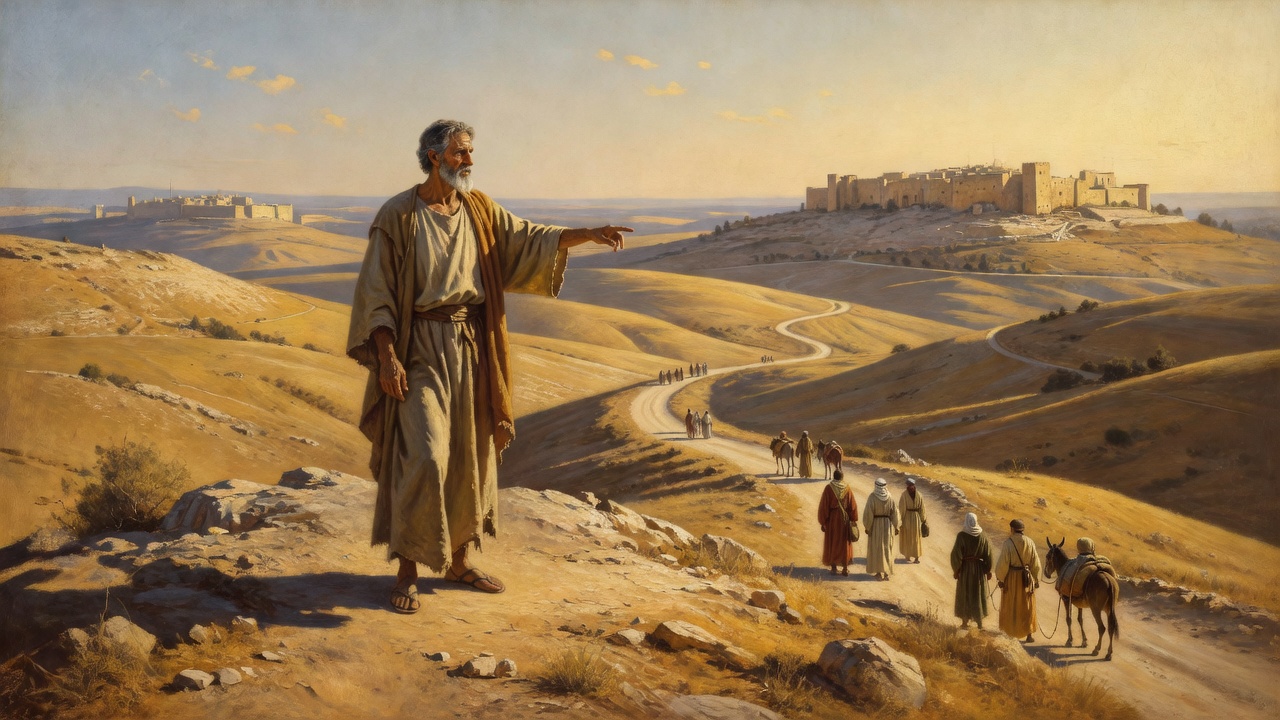
¿Sabías que…?
Un llamado al regreso de las hermanas infieles
- Durante el reinado del rey Josías de Judá, Jeremías recibió profecías que comparaban al reino del norte de Israel y al reino del sur de Judá con dos hermanas. Aunque el reino del norte ya había sido repudiado por su idolatría, Judá no aprendió del destino de su hermana y solo regresó de forma fingida.Fuentes: el propio texto bíblico · Josiah
- El profeta anticipa una restauración futura en la que el pueblo disperso es llevado de regreso a Sion, la colina histórica de Jerusalén. En aquel tiempo, la propia Jerusalén sería llamada el Trono del SEÑOR, y el arca del pacto ya no sería recordada ni reconstruida.Fuentes: el propio texto bíblico · Zion · Jerusalem
- A partir de las imágenes matrimoniales y del divorcio, el texto describe el culto a dioses extranjeros en las colinas y bajo los árboles frondosos como una infidelidad conyugal. A pesar de esta traición, el SEÑOR invita repetidamente a sus hijos infieles a reconocer su culpa y regresar a Él.Fuentes: el propio texto bíblico
Notas escritas con ayuda de IA a partir de fuentes abiertas (Theographic Bible Metadata, CC BY-SA 4.0; Easton’s Bible Dictionary, dominio público) y revisadas antes de publicarse.
Lugares de este capítulo
Solo aparecen lugares identificados con alta confianza (90 % o más según las fuentes académicas reunidas por OpenBible). Mapa de la época: DARE (Digital Atlas of the Roman Empire), CC BY 4.0; mapa actual: © colaboradores de OpenStreetMap; lugares: OpenBible.info (CC BY 4.0).
Créditos y licencia de esta traducción
Luda yã takada kũ Bisã yão
Portions of the Holy Bible in the Busa language of Nigeria
copyright © 2005 SIM International
Language: Bisã (Busa)
Translation by: SIM
This translation text is made available to you under the
terms of the Creative Commons License: Attribution-Noncommercial-No Derivative Works.
( http://creativecommons.org/licenses/by-nc-nd/3.0/ )
In addition, you have permission to port the text to different file formats, as long as you
do not change any of the text or punctuation of the Bible.
You may share, copy, distribute, transmit, and extract portions
or quotations from this work, provided that you include the above copyright
information:
You must give Attribution to the work.
You do not sell this work for a profit.
You do not make any derivative works that change any of the actual words or punctuation of the Scriptures.
Permissions beyond the scope of this license may be
available if you contact
us with your request.
This translation is made available to you under the terms of the
Creative Commons Attribution-Noncommercial-No Derivatives license 4.0.
You may share and redistribute this Bible translation or extracts from it in any format, provided that:
You include the above copyright and source information.
You do not sell this work for a profit.
You do not change any of the words or punctuation of the Scriptures.
Pictures included with Scriptures and other documents on this site are licensed just for use with those Scriptures and documents.
For other uses, please contact the respective copyright owners.
2014-10-10
Fuente: http://ebible.org/bqp/ · eBible.org