Génesis 20
Luda yã takada kũ Bisã yão · Toca un versículo para ver sus referencias cruzadas.
Ibrahĩ kũ Abimɛlɛkio
1Akũ Ibrahĩ fùtɛ gwe à gɛ̀ɛ Nɛgɛvi bùsun Kadɛsi kũ Suruo dagura. Kũ à gɛ̀ɛ à vùtɛ Gera, 2à pì a nanↄ Sara bi a dãremɛ, akũ Gera kína Abimɛlɛki gbɛ̃ zĩ̀ à a sɛ̀ à sù kãao. 3Akũ Luda bò à sù Abimɛlɛkia nana gũn gwãani à pìnɛ: Ĩni ga nↄ kũ n sɛ̀ɛ pì yãi, zaakũ nↄzãremɛ. 4À sù à lè Abimɛlɛki dí wútɛ kãao kↄ̀ro, akũ à pì: Dikiri, ĩni buri kũ odi yãke kɛronↄ dɛdɛn yá? 5Àkũ mɛ́ à pìmɛnɛ a dãrenloo? Nↄgbɛ̃ pì sↄ̃ à pì a dãgↄ̃mɛ. Ma yã kɛ̀ a zɛ́amɛ, má taari vĩro. 6Akũ Luda pìnɛ nana pìi gũn: Ee, má dↄ̃ kũ n yã kɛ̀ a zɛ́amɛ. A yã mɛ́ à tò, ma kpannɛ ǹ durunna kɛmɛnɛ, mádi we n ↄ nà nↄgbɛ̃ pìiaro. 7Tera sà, à gↄ̃gbɛ̃ pì nↄ kpáa, zaakũ annabiimɛ. Ani adua kɛnnɛ de ǹ gↄ̃ aafia. Tó ńdi a nↄ pì kpáa sↄ̃ro, ǹgↄ̃ dↄ̃ kũ n gamɛ, mↄkↄ̃n kũ n gbɛ̃nↄ á pínki.
8Akũ Abimɛlɛki fùtɛ kↄnkↄkↄnkↄ, à a gbɛ̃nↄ sìsi à yã pì bàbańnɛ ń pínki, akũ vĩna ń kũ manamana. 9Akũ Abimɛlɛki Ibrahĩ sìsi à pìnɛ: Bↄ́yãi n kɛ̀wɛrɛ lɛɛ? Bↄ́ taarin ma kɛ̀nnɛ gbasa n tò ma gↄ̃ durunnade ũ kũ ma bùsuuo? N yã kũ à de ò kɛro kɛ̀mɛnɛ. 10Bↄ́ laasun n lɛ̀ gbasa n yã pìi kɛ̀ɛ? 11Ibrahĩ wèa à pì: Matɛn da yã gbɛ̃ke Luda vĩna vĩ bùsu díkĩna gũnlo, oni ma dɛ ma nanↄ yãimɛ. 12Abire gbɛra nↄgbɛ̃ pì bi ma dãremɛ yãpura. Ó de dokↄ̃nↄmɛ, baadi kũ a dao, akũ à gↄ̃̀ ma nↄ ũ. 13Kũ Luda ma bo ma de bɛa yã, matɛn likara, akũ ma pì ma nↄ pìinɛ gu kũ óni gɛ́n pínki, à gbɛ̃kɛ kɛmɛnɛ àgↄ̃ pi a dãgↄ̃n ma ũ. 14Akũ Abimɛlɛki sù kũ sãnↄ kũ zùnↄ kũ gↄ̃gbɛ̃ zĩkɛrinↄ kũ nↄgbɛ̃ zĩkɛrinↄ à kpà Ibrahĩa, akũ à a nanↄ ɛ̀ranɛ. 15Akũ Abimɛlɛki pì: Ma bùsun dí, ǹ vutɛ gu kũ ń yein. 16Akũ à pì Saranɛ: Ma andurufu ↄgↄ wàa sↄↄro kpà n dãgↄ̃a kútɛkɛbↄ ũ, de gbɛ̃ kũ ò kú kũnwonↄ dↄ̃ ń pínki kũ ńdi taari kɛro. 17Akũ Ibrahĩ wɛ́ kɛ̀ Ludaa, akũ Luda Abimɛlɛki gbà aafia kũ a nanↄo kũ a nↄ yìgisaridenↄ, de ò nɛ́ i, 18zaakũ Dikiri tò Abimɛlɛki bɛ nↄgbɛ̃nↄ para kũ̀ yã Ibrahĩ nanↄ yã musu.
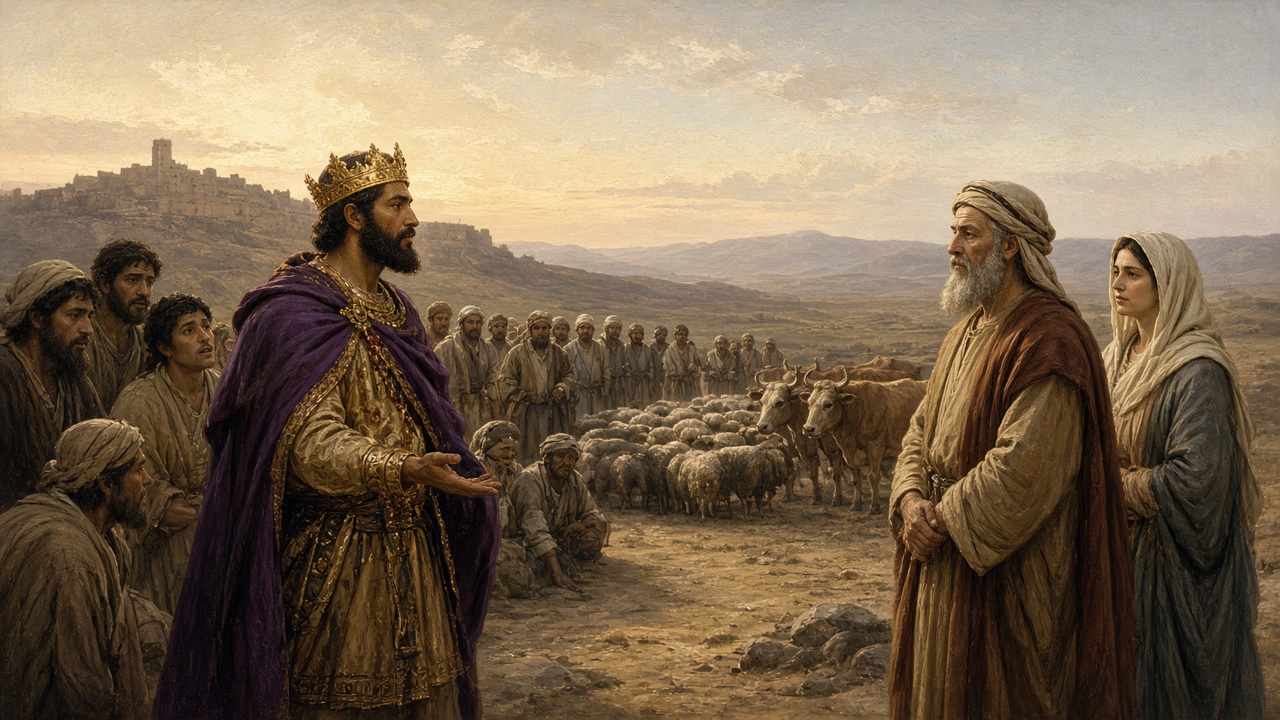
¿Sabías que…?
Hermana y esposa en Gerar
- Abraham estaba en Gerar, una ciudad y un distrito muy antiguos en la frontera sur de Palestina, gobernados entonces por un rey llamado Abimelec. Había ido a la región del Néguev, el distrito árido al sur de Palestina en la ruta de las caravanas hacia Egipto, y se estableció entre Cades y Shur. Shur, nombre que significa “muro”, era una región desértica en el límite noreste de Egipto, probablemente llamada así por la muralla fronteriza que los egipcios construyeron allí.Fuentes: el propio texto bíblico · Gerar · Negeb · Shur
- Cuando Abraham dijo que Sara era su hermana, el parentesco no era del todo inventado: ella también era su media hermana, hija de su padre, pero no de su madre. El diccionario bíblico de Easton (1897) indica que el nombre Sara significa “princesa” y que ese nombre se le dio cuando se anunció que sería la madre de la criatura prometida.Fuentes: el propio texto bíblico · Sarah
- El nombre Abimelec vuelve a aparecer en Gerar en la historia de Isaac. El diccionario bíblico de Easton (1897) describe a ese rey posterior como probablemente hijo del Abimelec que Abraham encontró, y dice que reprendió a Isaac por un engaño semejante acerca de su esposa Rebeca, que el rey descubrió por casualidad. La misma obra dice que Gerar parece haber sido una rica región de pastoreo.Fuentes: Abimelech (King of Gerar) · Gerar
Notas escritas con ayuda de IA a partir de fuentes abiertas (Theographic Bible Metadata, CC BY-SA 4.0; Easton’s Bible Dictionary, dominio público) y revisadas antes de publicarse.
Lugares de este capítulo
- Negeb · 31.245, 34.841 · versículo 1
Solo aparecen lugares identificados con alta confianza (90 % o más según las fuentes académicas reunidas por OpenBible). Mapa de la época: DARE (Digital Atlas of the Roman Empire), CC BY 4.0; mapa actual: © colaboradores de OpenStreetMap; lugares: OpenBible.info (CC BY 4.0).
Créditos y licencia de esta traducción
Luda yã takada kũ Bisã yão
Portions of the Holy Bible in the Busa language of Nigeria
copyright © 2005 SIM International
Language: Bisã (Busa)
Translation by: SIM
This translation text is made available to you under the
terms of the Creative Commons License: Attribution-Noncommercial-No Derivative Works.
( http://creativecommons.org/licenses/by-nc-nd/3.0/ )
In addition, you have permission to port the text to different file formats, as long as you
do not change any of the text or punctuation of the Bible.
You may share, copy, distribute, transmit, and extract portions
or quotations from this work, provided that you include the above copyright
information:
You must give Attribution to the work.
You do not sell this work for a profit.
You do not make any derivative works that change any of the actual words or punctuation of the Scriptures.
Permissions beyond the scope of this license may be
available if you contact
us with your request.
This translation is made available to you under the terms of the
Creative Commons Attribution-Noncommercial-No Derivatives license 4.0.
You may share and redistribute this Bible translation or extracts from it in any format, provided that:
You include the above copyright and source information.
You do not sell this work for a profit.
You do not change any of the words or punctuation of the Scriptures.
Pictures included with Scriptures and other documents on this site are licensed just for use with those Scriptures and documents.
For other uses, please contact the respective copyright owners.
2014-10-10
Fuente: http://ebible.org/bqp/ · eBible.org