2 Reyes 20
Luda yã takada kũ Bisã yão · Toca un versículo para ver sus referencias cruzadas.
Ɛzɛkaya gyãkɛnaa
1Gↄrↄ birea Ɛzɛkaya gyã kɛ̀ à kà gana, akũ annabi Isaya, Amↄzu nɛ́ gɛ̀ɛ à a lè à pìnɛ: Dikiri pì ǹ lɛ́ ditɛ n gbɛ̃nↄnɛ, zaakũ ntɛn su gamɛ, ĩni futɛ doro. 2Akũ Ɛzɛkaya arɛ dↄ̀ gbĩ̀ia à wɛ́ kɛ̀ Dikiria 3à pì: Dikiri, n yã nna! Zaakũ ma donyĩ kũ yãpurao, akũsↄ̃ ma yã kũ ń yeii kɛ̀ kũ nɛ̀sɛ mɛ̀n doo, ǹ tó à dↄngu. Akũ à wɛ̃nda ↄ́ↄ dↄ̀. 4De Isaya gↄ̃ gɛ́ bo ↄnn, akũ Dikiri yã sùa à pì: 5Ǹ gɛ́ ǹ o ma gbɛ̃nↄ don'arɛde Ɛzɛkayanɛ, kũ makũ Dikiri a dizi Dauda Luda, ma pì ma a aduakɛnaa mà, ma a wɛ́'i è. Mani a gba aafiaa, a gↄrↄ aakↄ̃de zĩ ani gɛ́ ma kpɛ́n. 6Ma a gↄrↄ kàranɛ wɛ̃̀ gɛ̃ro. Mani a sí Asiria kínaa kũ wɛ̃tɛ dío. Mani gí kũ wɛ̃tɛ dío ma zĩda yãi kũ ma zↄ̀bleri Dauda yão.
7Isaya pì ò kaka nɛ́ lↄ́. Kũ ò lↄ̀, ò dↄ̀kↄ a bↄ̀bũnua, akũ à aafiaa lè. 8Akũ Ɛzɛkaya Isaya là à pì: Zaakũ Dikiri pì áni ma gba aafiaa mani gɛ́ a kpɛ́n a gↄrↄ aakↄ̃de zĩ, bↄ́ mɛ́ anigↄ̃ de a sèeda ũu? 9Akũ Isaya wèa à pì: Sèeda kũ Dikiri ni kɛnnɛ lɛ́ kũ à sɛ̀nnɛ yã musun dí. Ura kũ ifãntɛ̃ tɛn suo Aza didikinↄa, ń ye à gɛ́ ari a gbápɛki mɛ̀n kuriian yá, ke à ɛra à su kpɛ kpa mɛ̀n kuriiamɛ? 10Akũ Ɛzɛkaya wèa à pì: Ura kipana gbápɛki mɛ̀n kuriia zĩ'ũro. À tó à ɛra kpɛ kpa gbápɛki mɛ̀n kuriia. 11Kũ annabi Isaya Dikiri wɛ́ kɛ̀, akũ ura kũ ifãntɛ̃ tɛn suo ɛ̀ra à dìdi gbápɛki mɛ̀n kuri kũ à kìpaa yãnↄa.
Babilↄnu bùsu zĩ̀rinↄ suna Yurusalɛmu
12Gↄrↄ birea Baladã nɛ́ Mɛrodaki Baladã, Babilↄnu kína takada kpã̀zã Ɛzɛkayanɛ kũ gbao, kũ à a gyãkɛna baaruu mà yãi. 13Ɛzɛkaya gbãnakɛ kpà zĩ̀rii pìnↄi à gɛ̀ɛ kũńwo a laasin, à a andurufu pↄ́nↄ mↄ̀ńnɛ kũ wura pↄ́nↄ kũ pↄ́ gbĩ nnanↄo kũ nísi manao. À gɛ̀ɛ kũńwo a gↄ̃kɛbↄkatɛkin dↄ à a aruzɛkɛnↄ mↄ̀ńnɛ mámmam. Pↄ́ke kú a bɛa ke a bùsun kũ à gì mↄńnɛiro. 14Akũ annabi Isaya gɛ̀ɛ à a lè à a là à pì: Yã kpaten gbɛ̃ pìnↄ ònnɛɛ? Zaa mákpan ò bòn ò sù n kĩnaaa? Akũ Ɛzɛkaya wèa à pì: Ń boki zã̀, Babilↄnun ò bòn. 15Akũ Isaya a là à pì: Bↄ́n ò è n bɛaa? À wèa à pì: Ò ma bɛ pↄ́ sĩnda pínki è. Ma aruzɛkɛ ke kun kũ ma gi mↄńnɛiro. 16Akũ Isaya pìnɛ: Ǹ yã kũ Dikiri ò ma: 17Gↄrↄ tɛn su, oni n bɛ pↄ́ sĩnda pínki kũ aruzɛkɛ kũ n dizinↄ tònnɛ ń kũna ari gbãranↄ sɛ́tɛ ò táo Babilↄnu. Dikiri pì a ke ni gↄ̃ro. 18Oni nɛ́ kũ ĩni ń i kenↄ sɛ́tɛ ò tá kũńwo, oni gↄ̃ Babilↄnu kínabɛ zĩkɛrinↄ ũ. 19Akũ Ɛzɛkaya pì Isayanɛ: Dikiri yã kũ n òmɛnɛ pì mana. Zaakũ àtɛn da vutɛna aafia yãkete sari ánigↄ̃ kun ari a wɛ̃̀ndi lɛ́mmɛ. 20Ɛzɛkaya yã kparanↄ kũ a nɛ́gↄ̃gbɛ̃kɛyãnↄn kú Yudanↄ kínanↄ gĩayãkɛnanↄ takadan kũ lákũ à íkaki kɛ̀ nà kũ íbazɛ kũ à sↄ̀ gbɛ̀n àdi su kũ ío wɛ̃tɛ gũnwo. 21Kũ à gà, akũ a nɛ́ Manase a gɛ̃nɛ blè.
¿Sabías que…?
La enfermedad de Ezequías y los enviados babilonios
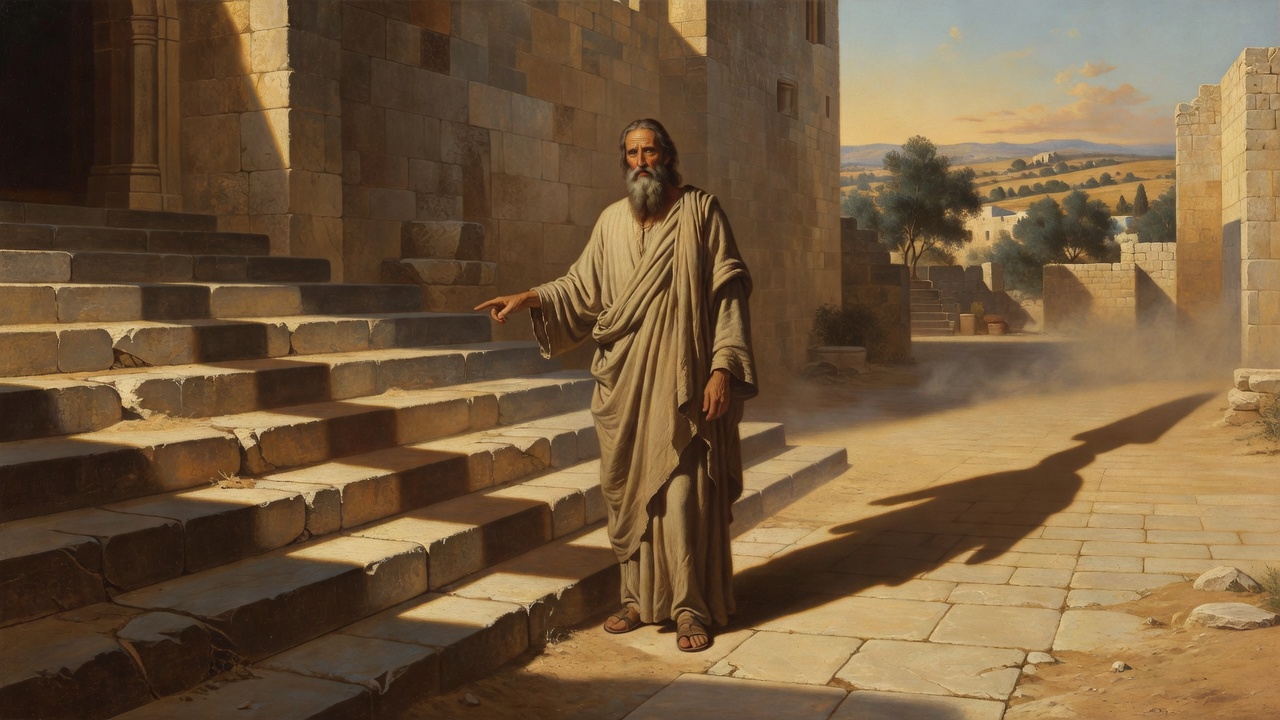
- Cuando Ezequías pidió una señal de confirmación de que se recuperaría de su enfermedad mortal, la sombra retrocedió diez gradas en la escalinata de su padre y predecesor, Acaz.Fuentes: el propio texto bíblico · Ahaz · Hezekiah
- Merodac-baladán, hijo de Baladán y rey de Babilonia, envió cartas y presentes al enterarse de la recuperación de Ezequías. Después de que el rey de Judá mostró a los emisarios toda la plata, el oro, las especias y las armas de sus almacenes, Isaías anunció que estos tesoros y descendientes reales serían llevados algún día a Babilonia.Fuentes: el propio texto bíblico · Baladan · Babylon
- Más allá de sus reformas religiosas y defensas militares, el texto bíblico destaca la obra de ingeniería de Ezequías al construir un estanque y un túnel para conducir agua directamente hacia la ciudad de Jerusalén.Fuentes: el propio texto bíblico · Hezekiah
Notas escritas con ayuda de IA a partir de fuentes abiertas (Theographic Bible Metadata, CC BY-SA 4.0; Easton’s Bible Dictionary, dominio público) y revisadas antes de publicarse.
Lugares de este capítulo
Solo aparecen lugares identificados con alta confianza (90 % o más según las fuentes académicas reunidas por OpenBible). Mapa de la época: DARE (Digital Atlas of the Roman Empire), CC BY 4.0; mapa actual: © colaboradores de OpenStreetMap; lugares: OpenBible.info (CC BY 4.0).
Créditos y licencia de esta traducción
Luda yã takada kũ Bisã yão
Portions of the Holy Bible in the Busa language of Nigeria
copyright © 2005 SIM International
Language: Bisã (Busa)
Translation by: SIM
This translation text is made available to you under the
terms of the Creative Commons License: Attribution-Noncommercial-No Derivative Works.
( http://creativecommons.org/licenses/by-nc-nd/3.0/ )
In addition, you have permission to port the text to different file formats, as long as you
do not change any of the text or punctuation of the Bible.
You may share, copy, distribute, transmit, and extract portions
or quotations from this work, provided that you include the above copyright
information:
You must give Attribution to the work.
You do not sell this work for a profit.
You do not make any derivative works that change any of the actual words or punctuation of the Scriptures.
Permissions beyond the scope of this license may be
available if you contact
us with your request.
This translation is made available to you under the terms of the
Creative Commons Attribution-Noncommercial-No Derivatives license 4.0.
You may share and redistribute this Bible translation or extracts from it in any format, provided that:
You include the above copyright and source information.
You do not sell this work for a profit.
You do not change any of the words or punctuation of the Scriptures.
Pictures included with Scriptures and other documents on this site are licensed just for use with those Scriptures and documents.
For other uses, please contact the respective copyright owners.
2014-10-10
Fuente: http://ebible.org/bqp/ · eBible.org