1 Samuel 15
Luda yã takada kũ Bisã yão · Toca un versículo para ver sus referencias cruzadas.
Dikiri gina Solui kína ũ
1Samuɛli pì Solunɛ: Makũmɛ Dikiri ma zĩ, akũ ma nísi kùmma n kana kín a gbɛ̃ Isarailanↄa sèeda ũ. Tↄ̀! Ǹ sã kpá Dikiri yãi sà. 2Dikiri Zĩ̀karide pì, áni fĩna bo Amalɛkinↄnɛ yã kũ ò kɛ̀ Isarailanↄnɛ, kũ ò zɛ́ zↄ̃̀ńnɛ ń bↄtɛna Misila gbɛra yãi. 3Ǹ gɛ́ ǹ lɛ́tɛḿma sà, ǹ ń kakatɛ ń pínki. Ǹsun ń gbɛ̃ke tóro. Ǹ ń dɛdɛ ń pínki, gↄ̃gbɛ̃nↄ kũ nↄgbɛ̃nↄ kũ nɛ́nↄ kũ nɛ́kpãntɛ̃nↄ kũ zùnↄ kũ sãnↄ kũ lakuminↄ kũ zaakinↄo.
4Akũ Solu a gbɛ̃nↄ sìsi à ń kakara Telaimu. A zĩ̀kari gɛ̀sɛdenↄ gbɛ̃nↄn dúbu wàa domɛ. Yudanↄ kun dↄ gbɛ̃nↄn dúbu kuri. 5Akũ Solu gɛ̀ɛ Amalɛkinↄ wɛ̃tɛn, àtɛni ń kpákpa swawɛɛn. 6Solu lɛ́gbãzã kɛ̀ Keninↄnɛ à pìńnɛ: À bↄtɛ Amalɛkinↄ tɛ́ de màsun á dɛdɛ kũńworo yãi, zaakũ ákↄ̃nↄ mɛ́ a yã mana kɛ̀ Isarailanↄnɛ ń bↄtɛna Misila gbɛra. Kũ Keninↄ bↄ̀tɛ Amalɛkinↄ tɛ́, 7akũ Solu gɛ̀ɛ à lɛ̀tɛ Amalɛki pìnↄa sɛna zaa Avila ari à gɛ̀ɛ pɛ́ Suru kũ à kú Misila ifãboki kpaa. 8À Amalɛki kína Agaga kũ̀ bɛ̃nɛ, akũ à a gbɛ̃nↄ dɛ̀dɛ kũ fɛ̃nɛdao ń pínki. 9Solu kũ a zĩ̀karinↄ dí Agaga dɛro, akũsↄ̃ ò sã mananↄ sɛ̀tɛ kũ zùnↄ kũ zùnɛ mɛ̀kpananↄ kũ sãnɛ bↄ̀rↄnↄ kũ pↄ́ mananↄ pínki, odi we ò ń dɛdɛro. Pↄ́ ginanↄ kũ pↄ́ yãyãnanↄn ò dɛ̀dɛ pínki.
10Akũ Dikiri yã sù Samuɛlia à pì: 11Ma Solu kana kpatan tò ma pↄ yàka, zaakũ à kpɛ lìmɛnɛ. Lákũ ma dànɛ nà, àdi kɛ lɛro. Yã pì Samuɛli bídi kɛ̀, akũ à wiki lɛ̀ Dikiria ari gu gɛ̀ɛ à dↄ̀o. 12Kũ Samuɛli fùtɛ kↄnkↄkↄnkↄ, à gɛ̀ɛ da Solulɛ, akũ ò pìnɛ: Solu gɛ̀ɛ Kamɛli. À sèedaa pɛ̀tɛ gwe a zĩda yãdↄngu yãi, akũ à ɛ̀ra à gɛ̀ɛ Giligala. 13Kũ Samuɛli Solu lè, akũ Solu pìnɛ: Dikiri arubarika dangu! Ma kɛ̀ lákũ Dikiri òmɛnɛ nà. 14Akũ Samuɛli a là à pì: Sã wiki kũ ma sã tɛn ma deramɛɛ? Zù ↄ́ↄ dↄ kũ matɛn ma bò mámɛɛ? 15Akũ Solu wèa à pì: Amalɛkinↄ pↄ́nↄmɛ, zaakũ ò ń sãnↄ kũ ń zù mananↄ sɛ̀tɛ ò sùo ò sa oo Dikiri n Ludaamɛ. O ń kparanↄ dɛ̀dɛ. 16Akũ Samuɛli pìnɛ: Ǹ yĩtɛ lɛ, mani yã kũ Dikiri òmɛnɛ gwãaniala onnɛ. Akũ Solu pì: Ǹ o. 17Akũ Samuɛli pì: Kũ n n zĩda fíti bò yã, ńdi gↄ̃ Isaraila burinↄ don'arɛde ũroo? Dikiri n ka Isarailanↄ kína ũ, 18akũ à n zĩ ǹ a bↄkↄtɛ kɛarɛ kũ à pì: Ǹ gɛ́ ǹ Amalɛkinↄ dɛdɛ, zaakũ durunnakɛrinↄmɛ. Ǹ gɛ́ ǹ zĩ̀ ká kũńwo ari ǹ ń kakatɛ. 19À kɛ̀ dera n gi Dikiri yã mai, n lɛtɛ ń pↄ́nↄa, n yã kũ Dikiri yeiro kɛ̀ɛ? 20Akũ Solu pìnɛ: Ma Dikiri yã mà, ma bↄkↄtɛ kũ à ma zĩ mà kɛ kɛ̀. Ma Amalɛkinↄ dɛ̀dɛ ń pínki, akũ ma su kũ ń kína Agagao. 21Akũ zĩ̀karinↄ sã mananↄ kũ zù mananↄoo bò pↄ́ kũ ò sɛ̀tɛ pìnↄ tɛ́, de ò sa oo Dikiri n Ludaa Giligala la. 22Akũ Samuɛli pì:
Dikiri yã kũna mananɛ de
sa'opↄ kũ òdi ká tɛ́n à tɛ́ kũla.
Mìnatɛnanɛ de sa'onala.
A yãmana de
sa'ona kũ sãkaro mɛ̀kpanaaola.
23Gina a yã mai durunna lɛɛlɛ kũ màsokɛnaaomɛ.
Dↄkɛna kãao vãni lɛɛlɛ kũ tãnagbagbanaaomɛ.
Lákũ n gi Dikiri yã mai nà,
àpii gì n kínakɛi se.
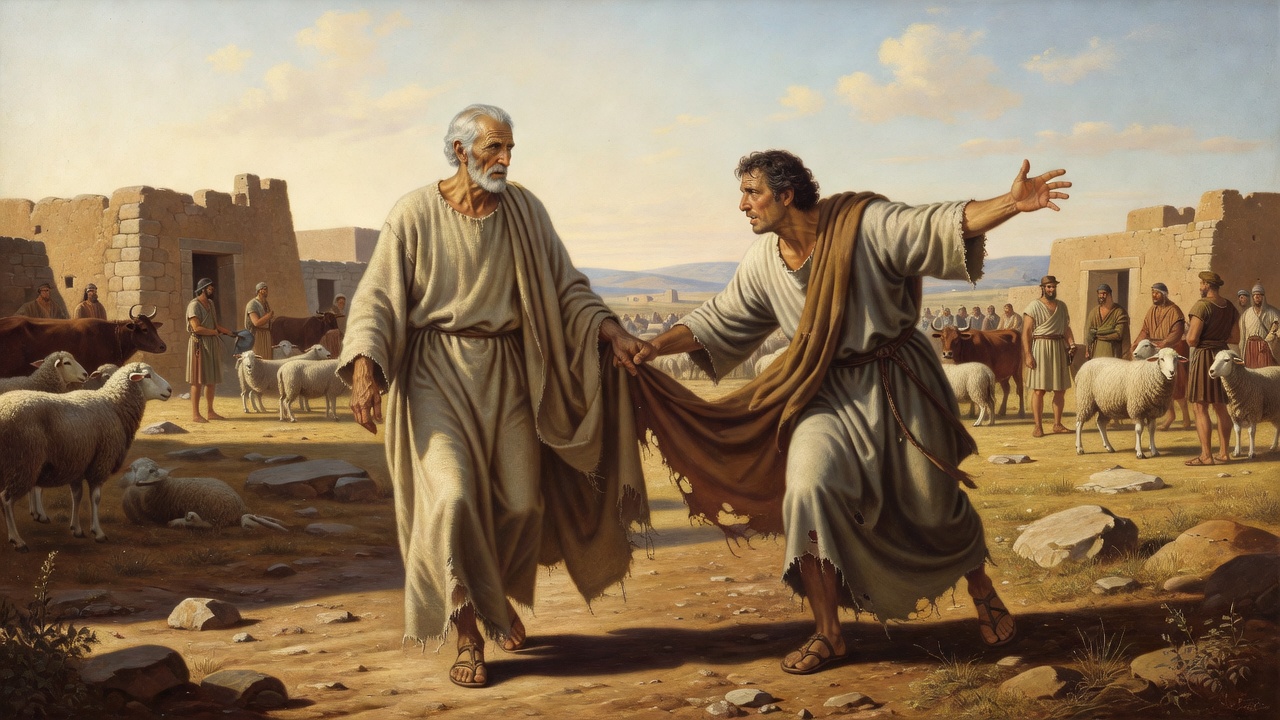
24Akũ Solu pìnɛ: Ma durunna kɛ̀. Ma pã Dikiri yã kũ n òmɛnɛnɛ, zaakũ ma vĩna kɛ̀ gbɛ̃nↄnɛ, akũ ma ń yã mà. 25Ǹ sùru kɛ kũmao kũ ma durunna pìio sà. Ǹ ɛra ǹ gɛ́ kũmao de mà le mà donyĩ kɛ Dikirinɛ. 26Akũ Samuɛli pìnɛ: Mani gɛ́ kũnworo. N gi Dikiri yãi, akũ à gìnnɛ ǹgↄ̃ de Isarailanↄ kína ũ.
27Kũ Samuɛli kpɛ lì, àtɛn ta, akũ Solu a kũ̀ a uta lɛ́a, à kɛ̃̀ a ↄĩ. 28Akũ Samuɛli pìnɛ: Dikiri n bo Isarailanↄ kpatan gbãra, akũ à n gbɛ̃dake kũ à mana denla kàn. 29Isarailanↄ Luda Gakuride dì ɛ́kɛ toro, àdi a laasun litɛro, zaakũ bisãsirinlo, gbasa à a laasun litɛ. 30Akũ Solu pìnɛ: Ma durunna kɛ̀. Bee kũ abireo n yã nna, ǹ ma kpe ta Isaraila gbɛ̃ zↄ̃kↄ̃nↄ kũ gbɛ̃ sĩnda pínkio arɛ. Ǹ gɛ́ zɛmɛnɛ de mà le mà donyĩ kɛ Dikiri n Ludanɛ. 31Akũ Samuɛli ɛ̀ra à gɛ̀ɛ à zɛ̀nɛ, akũ Solu donyĩ kɛ̀ Dikirinɛ.
32Akũ Samuɛli pì: À mↄ́ kũ Amalɛki kína Agagao. Kũ kína pì tɛn su, àtɛn kpákpa kũ yãke kunlo, zaakũ àtɛn da a bo ga lɛ́imɛ. 33Akũ Samuɛli pì: Lákũ n fɛ̃nɛda tò nↄgbɛ̃ dasinↄ kùra ń nɛ́i nà, lɛn n da ni kura a nɛ́i lɛ se. Akũ à Agaga zↄ̃̀zↄ̃kↄ̃rɛ Dikiri arɛ Giligala gwe. 34Akũ à tà Rama. Solu sↄ̃ à tà a bɛa Gibɛa. 35Bee kũ Solu kɛ̀ Samuɛlinɛ wɛ̃nda, Samuɛli dí gɛ́ a gwa doro ari à gɛ̀ɛ gao, zaakũ Dikiri pↄ yàka kũ à Solu kà Isarailanↄ kína ũ yãi.
¿Sabías que…?
La desobediencia y el rechazo de Saúl
- Los amalecitas eran un pueblo pastoril y nómada que habitaba las tierras áridas entre Havila y Shur, en la frontera de Egipto. Su conflicto con Israel comenzó cuando emboscaron a los israelitas tras la salida de Egipto, lo cual constituye el trasfondo del juicio ordenado en este capítulo.Fuentes: el propio texto bíblico · Amalek · Shur
- Gilgal era un importante centro religioso y judicial donde Samuel administraba justicia periódicamente y ofrecía sacrificios. Saúl se congregó en Gilgal tras la batalla contra Amalec, convirtiendo este lugar en el escenario donde Samuel declaró que Dios había rechazado a Saúl como rey de Israel.Fuentes: el propio texto bíblico · Gilgal
- El nombre Agag era un título o nombre hereditario utilizado por los reyes de los amalecitas. Aunque Saúl perdonó la vida a Agag y lo mejor del ganado en contra de las instrucciones, Samuel ejecutó el juicio contra el rey cautivo en Gilgal.Fuentes: el propio texto bíblico · Agag · Amalek
Notas escritas con ayuda de IA a partir de fuentes abiertas (Theographic Bible Metadata, CC BY-SA 4.0; Easton’s Bible Dictionary, dominio público) y revisadas antes de publicarse.
Lugares de este capítulo
- Amalek · 30.648, 34.422 · versículos 2, 3, 5, 8, 20, 32
- Egypt · 30.129, 31.308 · versículos 2, 6, 7
- Havilah · Hoy: in the Arabian Peninsula · 23.000, 46.000 · versículo 7
Solo aparecen lugares identificados con alta confianza (90 % o más según las fuentes académicas reunidas por OpenBible). Mapa de la época: DARE (Digital Atlas of the Roman Empire), CC BY 4.0; mapa actual: © colaboradores de OpenStreetMap; lugares: OpenBible.info (CC BY 4.0).
Créditos y licencia de esta traducción
Luda yã takada kũ Bisã yão
Portions of the Holy Bible in the Busa language of Nigeria
copyright © 2005 SIM International
Language: Bisã (Busa)
Translation by: SIM
This translation text is made available to you under the
terms of the Creative Commons License: Attribution-Noncommercial-No Derivative Works.
( http://creativecommons.org/licenses/by-nc-nd/3.0/ )
In addition, you have permission to port the text to different file formats, as long as you
do not change any of the text or punctuation of the Bible.
You may share, copy, distribute, transmit, and extract portions
or quotations from this work, provided that you include the above copyright
information:
You must give Attribution to the work.
You do not sell this work for a profit.
You do not make any derivative works that change any of the actual words or punctuation of the Scriptures.
Permissions beyond the scope of this license may be
available if you contact
us with your request.
This translation is made available to you under the terms of the
Creative Commons Attribution-Noncommercial-No Derivatives license 4.0.
You may share and redistribute this Bible translation or extracts from it in any format, provided that:
You include the above copyright and source information.
You do not sell this work for a profit.
You do not change any of the words or punctuation of the Scriptures.
Pictures included with Scriptures and other documents on this site are licensed just for use with those Scriptures and documents.
For other uses, please contact the respective copyright owners.
2014-10-10
Fuente: http://ebible.org/bqp/ · eBible.org