Sofonías 3
Bibeli Luayãtaalá · Toca un versículo para ver sus referencias cruzadas.
Yelusalɛũ
1Waiyoo mɛɛwia gbãamↄnɛdeↄ!
A gbɛ̃́ↄ swã́ gbãa mɛ́ aa gbãlɛa.
2Aali gbɛ̃e yã́ sio,
aali lɛdama mao.
Aa Dii náai vĩo,
aali sↄ̃ ń Luazio.
3Mɛɛwiapi kíaↄ dɛ
lán nↄ̀ↄmusu fɛ̃awa,
a yãgↄ̃gↄ̃naↄ dɛ lán àwalɛwan
oosiɛlɛ pↄ́ aali pↄe to gu dↄ̀wàoↄwa.
4A ãnabiↄá yãbↄlɛnaↄnɛ,
náaisaideↄnɛ.
A sa'onaↄ ì Dii pↄ́ↄ gbãlɛ,
aaì aà ikoyã ↄ̃̀ↄkpa.
5Dii ku wɛ̃́lɛpi guu,
a maa, ìli vãikɛo.
Lá gu lɛ́ dↄ ìↄ yã́zɛde danɛ́,
ìli fu bauo.
Ń beeo dↄ̀ↄsaideↄ líↄ wí dↄ̃o.
6Ma buieↄ bãdɛ̀,
ma ń bĩ́i gulɛsĩↄ dɛɛlɛmpà.
Má tò an wɛ̃́lɛↄ gↄ̃̀ bɛziaↄ ũ,
wìli a zɛ́kpaaↄ sɛ lↄo.
Wa ku we lↄo, baa do.
7Ma mɛ̀ Yelusalɛũdeↄ ma vĩa vĩ,
aa ma lɛdama sio lé?
Tó màa no, má ń mɛɛwia dúuzↄ̃
ń yã́ pↄ́ má dìlɛ mà mↄɛ̀ↄ píiɛ.
Ń beeo an mɛ wã̀ ń yãdↄↄsaikɛao.
8Ma Dii ma mɛ̀, à sↄ̃́amazi
e gↄↄ pↄ́ má fɛlɛ bↄbↄńnↄ.
Asa má dìlɛ mà buiↄ kãaa,
mà bùsu píi gbɛ̃́ↄ naaa,
mí a pↄkpɛ̃nɛ bↄbↄmá,
baa ma pↄkũma pãsĩ píi.
Ma zafɛ̃a tɛ́ i kũ dṹniawa píi.
9Bee gbɛa má gbãbↄ gbɛ̃́ↄ lɛ́ɛ,
kɛ́ ampii aa ma sísi,
aai zↄblemɛɛ ń lɛdoũo.
10Za Etiopi swaↄ baale
ma sìsina pↄ́ fãaaaↄ mↄmɛɛ ń gbaↄ.
11Gↄↄ bee wí a á kṹ
tàae pↄ́ á kɛ̀mɛɛ yãaↄ yã́ musuo,
asa ĩ́andãna pↄ́ aaì ńzĩa sɛ lɛsĩↄ
ↄ̃ má ń bↄlɛ á wɛ̃́lɛɛ bee guu.
Á ázĩa sɛ lɛsĩ ma gbɛ̀sĩsĩ
pↄ́ a kua adoa musu lↄo.
12Má taasideↄ ń wɛ̃nadeↄ to wɛ̃́lɛɛ bee guu,
gbɛ̃́ pↄ́ aaì namaziↄ.
13Isaili kↄ̃napiↄ gbɛ̃́ↄ wɛtã lↄo,
aa gbɛ̃́ↄ sã́são,
mɛ́ wa ɛɛ ma dↄ ń lɛ́uo.
Aali pↄble, aali wúlɛ,
gbɛ̃e yã́ a ń vĩakũo.
14Siↄnadeↄ, à gulakɛ!
Isailiↄ, à kúkuakɛ!
Yelusalɛũdeↄ, à wiilɛ ń pↄnao!
15Dii á bↄ́ yã́kpalɛu,
a tò á wɛ̀lɛↄ kpɛkpà.
Dii á Isailiↄ kía kú á guu,
áↄ yãe vĩa vĩ lↄo.
16Gↄↄbeezĩ wa mɛ:
Yelusalɛũdeↄ, ásu to vĩa á kũo,
Siↄnadeↄ, á ↄ su gↄ̃ dↄ̀lↄlↄo.
17Dii á Lua kú á guu
gↄ̃sa pↄ́ ì ń suaba ũ.
A koo pũna á yã́ musu ń pↄnao,
a á gba wɛ̃ni dafu a yeaázi guu.
A pↄnakɛ á yã́ musu ń gulakɛao,
18lá wì kɛ dikpɛgↄↄwa.
Ma Dii ma mɛ̀, má á aso pilaɛ́,
má á bↄ sↄ̃́sↄ̃au.
19Gↄↄ bee má yãkɛ
gbɛ̃́ pↄ́ gbãamↄ̀ɛ́ↄnɛ.
Má á gbɛ̃́ tↄ̃̀ↄlɛnaↄ misi,
má á gbɛ̃́ pↄ́ wà ń yáↄ kãaa.
Bùsu pↄ́ wà widàuwáↄ guu píi,
má á tↄbↄu, má á kpɛla.
20Zĩbeezĩ má á kãaa,
gↄↄbeezĩ má suánↄ, mí á tↄbↄ.
Má á kpɛla dṹnia gbɛ̃́pii wáa,
má suánↄ á pá ziu, á wɛsiɛ.
¿Sabías que…?
Juicio, humildad y gozo en Jerusalén
- Sofonías denuncia la corrupción entre las clases dirigentes de Jerusalén, comparando a sus príncipes con leones rugientes, a sus jueces con lobos nocturnos y a sus sacerdotes con violadores de la ley sagrada. En contraste, el capítulo presenta a Dios como plenamente justo en medio de la ciudad, administrando justicia mañana tras mañana sin fallar.Fuentes: el propio texto bíblico
- La profecía anticipa una restauración global en la que los pueblos invocan al Señor con labios puros, incluyendo a adoradores que traen ofrendas desde más allá de los ríos de Cus, una región situada al sur de Egipto. El texto enfatiza que quienes permanezcan no serán soberbios, sino un remanente manso y humilde que confía en Dios.Fuentes: el propio texto bíblico · Cush
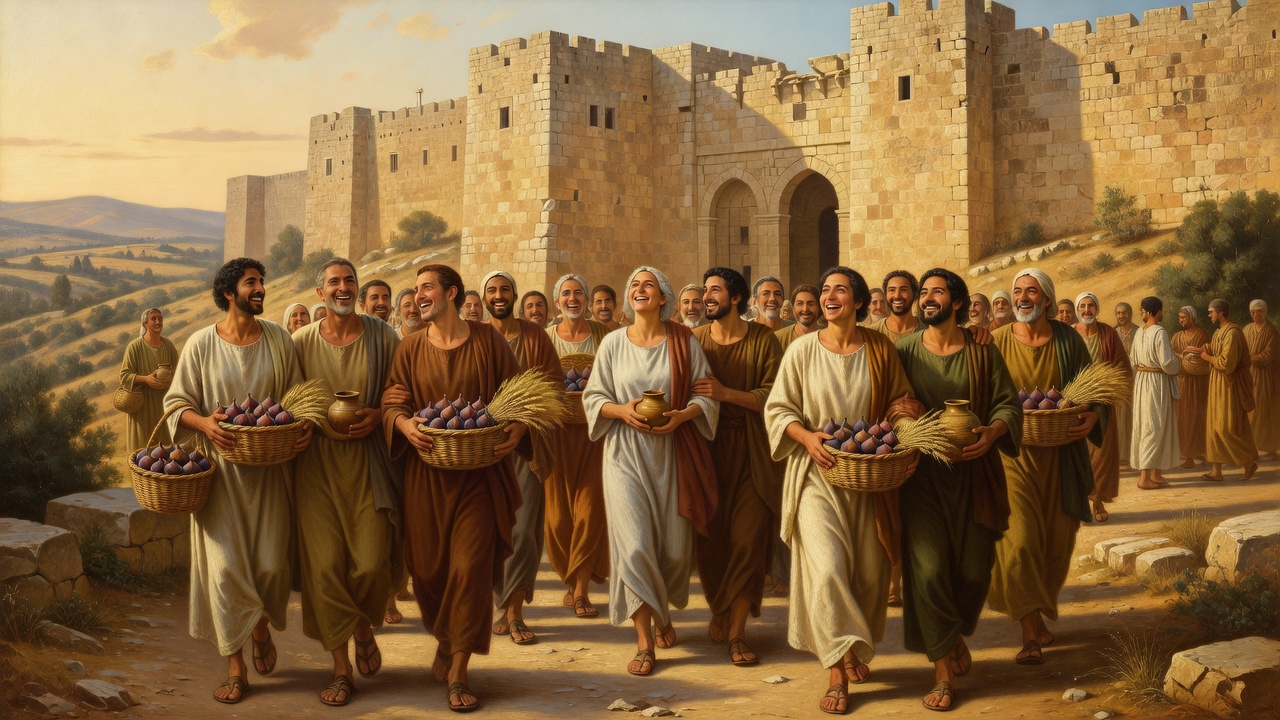
- Jerusalén es llamada Hija de Sion, en referencia a la destacada colina sobre la cual David construyó su ciudadela y que se convirtió en un nombre simbólico para la ciudad santa. En lugar de enfrentar temor y deshonra, se convoca a la comunidad a celebrar con alegría mientras sus cautivos son reunidos y restaurados.Fuentes: el propio texto bíblico · Zion · Jerusalem
Notas escritas con ayuda de IA a partir de fuentes abiertas (Theographic Bible Metadata, CC BY-SA 4.0; Easton’s Bible Dictionary, dominio público) y revisadas antes de publicarse.
Lugares de este capítulo
- Jerusalem · 31.777, 35.234 · versículos 1, 7, 11, 14, 16
- Cush · Hoy: Cush 1 · 16.935, 33.751 · versículo 10
- Zion · Hoy: Jerusalem · 31.777, 35.234 · versículos 14, 16, 18
Solo aparecen lugares identificados con alta confianza (90 % o más según las fuentes académicas reunidas por OpenBible). Mapa de la época: DARE (Digital Atlas of the Roman Empire), CC BY 4.0; mapa actual: © colaboradores de OpenStreetMap; lugares: OpenBible.info (CC BY 4.0).
Créditos y licencia de esta traducción
Bibeli Luayãtaalá
The Holy Bible in the Boko language spoken in Benin and Nigeria
copyright © 2010 SIM International
Language: Boko
Translation by: SIM International
Boko Bibeli Luayãtaala
This translation, published by the SIM au Benin, was published in 2010.
If you are interested in obtaining a printed copy, please contact the SIM at ECWA/SIM H.Q., P.M.B. 2009, Jos, Plateau State, NIGERIA.
This translation text is made available to you under the
terms of the Creative Commons License: Attribution-Noncommercial-No Derivative Works.
( http://creativecommons.org/licenses/by-nc-nd/3.0/ )
In addition, you have permission to port the text to different file formats, as long as you
do not change any of the text or punctuation of the Bible.
You may share, copy, distribute, transmit, and extract portions
or quotations from this work, provided that you include the above copyright
information:
You must give Attribution to the work.
You do not sell this work for a profit.
You do not make any derivative works that change any of the actual words or punctuation of the Scriptures.
Permissions beyond the scope of this license may be
available if you contact
us with your request.
This translation is made available to you under the terms of the
Creative Commons Attribution-Noncommercial-No Derivatives license 4.0.
You may share and redistribute this Bible translation or extracts from it in any format, provided that:
You include the above copyright and source information.
You do not sell this work for a profit.
You do not change any of the words or punctuation of the Scriptures.
Pictures included with Scriptures and other documents on this site are licensed just for use with those Scriptures and documents.
For other uses, please contact the respective copyright owners.
2014-09-25
Fuente: http://ebible.org/bqcsim/ · eBible.org