Romanos 16
Bibeli Luayãtaalá · Toca un versículo para ver sus referencias cruzadas.
Fↄkpaama
1Málɛ wá dãe Febe, Sãkele gãlideↄ dↄnlɛde sáaukpaɛ́. 2À aà si Dii yã́i, lá a maa Lua gbɛ̃́ↄ kɛ ń kↄ̃owa. À dↄaàlɛ ń pↄ́ pↄ́ a yei á kĩ́io píi, asa à dↄnlɛkɛ̀nɛ́ dasi ń mapio lↄ.
3Ma fↄkpà Pisii ń Akilasiowa. Ma zĩkɛndeeↄnɛ Kilisi Yesu zĩ guu. 4Aa sì ń mi sãalɛ, mapi mà bↄ. I kɛ mámɛ má adoo, wɛ̃́lɛ ń wɛ̃́lɛo buipãle gãlideↄ lɛ́ ń sáaukpa píi lↄɛ.
5Ma fↄkpà gãli pↄ́ aaì kãaa an kpɛ́u gbɛ̃́ↄwa. Ma fↄkpà ma gbɛ̃́ yenzide Ɛpɛnɛwa. Aàpi mɛ́ Kilisi náaikɛ̀ Azi bùsuu sɛ̃́ia.
6Ma fↄkpà Maliamawa. À kↄaikɛ̀ɛ́ maamaa.
7Ma fↄkpà Andↄniku ń Zuniaowa. Ma bui pↄ́ wà wá dá kpɛ́u sãnuↄnɛ. Aa tↄbↄ̀ zĩnaↄ guu, mɛ́ aa naa Kilisiwa ma ãa.
8Ma fↄkpà Ampilia pↄ́ dɛ ma gbɛ̃́ yenzide ũ naa Diiwa guu.
9Ma fↄkpà Ubɛ̃ pↄ́ dɛ wá zĩkɛndee ũ Kilisi zĩ guuwa ń ma gbɛ̃́ yenzide Setakio.
10Ma fↄkpà Apɛlɛwa, asa náaideɛ naa Kilisiwa guu. Ma fↄkpà Alisↄbu bɛdeↄwa.
11Ma fↄkpà ma bui Elodiↄ̃wa. Ma fↄkpà Naasisi bɛde pↄ́ aa naa Diiwaↄwa.
12Ma fↄkpà Tifɛna ń Tifosaowa. Nↄɛpiↄ kↄaikɛ̀ Diiɛ. Ma fↄkpà Pɛɛsidiwa. Nↄɛ yenzidepi kↄaikɛ̀ Diiɛ.
13Ma fↄkpà Lufu pↄ́ tↄbↄ̀ Dii zĩ guuwa ń aà da pↄ́ málɛ gwa ma da ũo.
14Ma fↄkpà Asikitiwa ń Felegↄ̃o ń Ɛɛmɛo ń Patobao ń Ɛɛmao ń ń Yesude dee pↄ́ aa sãnuↄ píi.
15Ma fↄkpà Fililↄguwa ń Zulio ń Nɛlɛo ń aà dãeo ń Ɔlimpao ń Lua gbɛ̃́ pↄ́ aa sãnuↄ píi.
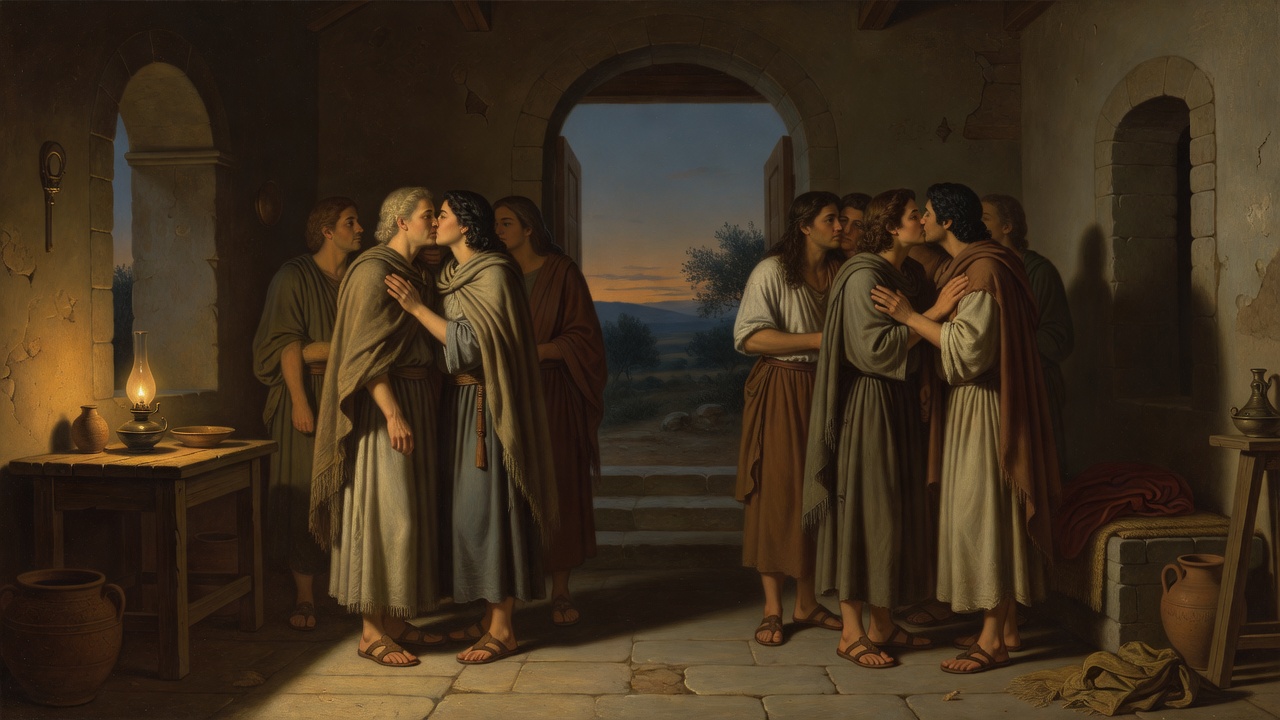
16À fↄkpakↄ̃wa ń Lua gbɛ̃́ↄ lɛ́pɛakↄ̃wao. Wɛ̃́lɛ ń wɛ̃́lɛo Yesudeↄ fↄkpàwá ḿpii.
Lɛzaamá
17Ma gbɛ̃́ↄ, málɛ oɛ́, à laaika gbɛ̃́ pↄ́ aa bↄ̀ yã́ pↄ́ á dada kpɛↄzi. Aaì gbɛ̃́ↄ kɛ̃kↄ̃wa, aaì gbɛ̃́ↄ sã́sã. À kɛ̃́má, 18asa gbɛ̃́ bee taaↄ lí zↄble wá Dii Kilisiɛo, sema ń gbɛɛ yã́. Aaì yãesaideↄ sã́sã ń lɛnao ń yãdↄ̃o. 19Gbɛ̃́pii á misiilɛa Diiɛ bao mà. Málɛ pↄnakɛ á yã́ musu. Má ye àↄ maakɛa ↄ̃nↄ vĩ, íↄ wɛ́siadeↄ ũ vãikɛa musu. 20Lua aafiade a Setãu úlↄ á gbá zíɛ tia. Wá Dii Yesu gbɛ̃kɛkɛɛ́.
21Ma zĩkɛndee Timↄtee ń ma buiↄ Lusiu ń Zasↄ̃o ń Sosipatɛɛo fↄkpàwá. 22Ma Tɛɛtiu, ma gbɛ̃́ pↄ́ ma lápi kɛ̃̀, ma fↄkpàwá naa Diiwa guu. 23Ma uabele Gaiusi pↄ́ Yesudeↄ ì kãaa aà bɛ fↄkpàwá. Wɛ̃́lɛ ↄ'ulɛna Elasa fↄkpàwá ń wá gbɛ̃do Kaatuo.
25Lua a fↄ̃ á gba gbãa lá a ku Yesu Kilisi bao pↄ́ mi kpa guuwa. Asiiyãpi ulɛa za káauɛ, 26tiasa ↄ̃ Lua pↄ́ ìↄ ku gↄↄpii dìlɛ wà yã́ pↄ́ kú ãnabiↄ láↄ guupi bↄ gupuau, kɛ́ bui píi e dↄ̃, aai Lua náaikɛ, aa gↄ̃ aà yãmanaↄ ũ. 27Wà Lua mɛ̀ndona ↄ̃nↄde tↄbↄ ń Yesu Kilisi gbãao e gↄↄpii! Ãmi.
¿Sabías que…?
Saludos a la iglesia en Roma
- Pablo recomienda a Febe, sierva de la iglesia en Cencrea, y pide a los destinatarios en Roma que la reciban bien y la ayuden en lo que necesite, porque ha sido de gran ayuda para mucha gente, incluido él. Cencrea era el puerto oriental de Corinto, a unas nueve millas al este de la ciudad y la salida de su comercio con las costas asiáticas del Mediterráneo; el Easton's Bible Dictionary (1897) dice que ella probablemente fue quien llevó esta carta.Fuentes: el propio texto bíblico · Phebe · Cenchreae
- Pablo saluda a Prisca y a Aquila, sus colaboradores en Cristo Jesús, que arriesgaron la vida por él, y también a la iglesia que se reúne en su casa; dice que no solo él, sino todas las iglesias de los gentiles les están agradecidas. El Easton's Bible Dictionary (1897) la llama Priscila y describe a Aquila como fabricante de tiendas, natural del Ponto, que con su esposa dejó Roma a causa de un decreto de Claudio, en el año 50 d. C., que ordenaba a todos los judíos salir de la ciudad; el nombre de ella a veces aparece antes que el de él, como aquí.Fuentes: el propio texto bíblico · Priscilla · Aquila
- Cerca del final, Tercio, quien puso la carta por escrito, añade su propio saludo. Gayo, que ha hospedado a Pablo y a toda la iglesia, también envía saludos, al igual que Erasto, el tesorero de la ciudad, y Cuarto.Fuentes: el propio texto bíblico
Notas escritas con ayuda de IA a partir de fuentes abiertas (Theographic Bible Metadata, CC BY-SA 4.0; Easton’s Bible Dictionary, dominio público) y revisadas antes de publicarse.
Lugares de este capítulo
Solo aparecen lugares identificados con alta confianza (90 % o más según las fuentes académicas reunidas por OpenBible). Mapa de la época: DARE (Digital Atlas of the Roman Empire), CC BY 4.0; mapa actual: © colaboradores de OpenStreetMap; lugares: OpenBible.info (CC BY 4.0).
Créditos y licencia de esta traducción
Bibeli Luayãtaalá
The Holy Bible in the Boko language spoken in Benin and Nigeria
copyright © 2010 SIM International
Language: Boko
Translation by: SIM International
Boko Bibeli Luayãtaala
This translation, published by the SIM au Benin, was published in 2010.
If you are interested in obtaining a printed copy, please contact the SIM at ECWA/SIM H.Q., P.M.B. 2009, Jos, Plateau State, NIGERIA.
This translation text is made available to you under the
terms of the Creative Commons License: Attribution-Noncommercial-No Derivative Works.
( http://creativecommons.org/licenses/by-nc-nd/3.0/ )
In addition, you have permission to port the text to different file formats, as long as you
do not change any of the text or punctuation of the Bible.
You may share, copy, distribute, transmit, and extract portions
or quotations from this work, provided that you include the above copyright
information:
You must give Attribution to the work.
You do not sell this work for a profit.
You do not make any derivative works that change any of the actual words or punctuation of the Scriptures.
Permissions beyond the scope of this license may be
available if you contact
us with your request.
This translation is made available to you under the terms of the
Creative Commons Attribution-Noncommercial-No Derivatives license 4.0.
You may share and redistribute this Bible translation or extracts from it in any format, provided that:
You include the above copyright and source information.
You do not sell this work for a profit.
You do not change any of the words or punctuation of the Scriptures.
Pictures included with Scriptures and other documents on this site are licensed just for use with those Scriptures and documents.
For other uses, please contact the respective copyright owners.
2014-09-25
Fuente: http://ebible.org/bqcsim/ · eBible.org