Salmos 92
Bibeli Luayãtaalá · Toca un versículo para ver sus referencias cruzadas.
Lua sáaukpaa
1Kã́mabogↄↄ lɛ.
2A maa wà n sáaukpaɛ, Dii,
wá lɛsi wà n tↄbↄ, Musude,
3wí n gbɛ̃kɛ galikɛ kↄↄ,
wí n náaiyã'ò gwã́,
4wí n táasilɛ ń mↄↄnao
ń domao ń kotilio.
5N yãkɛaↄ ì ma pↄ kɛ na, Dii,
mi guladↄ n ↄzĩkɛaↄwa.
6Dii, n yãkɛaↄ zↄ̃ↄ maamaaɛ,
n làasooↄ gbia à kɛ̀ zài.
7Sↄũ yã́pi dↄ̃o,
mìsaide a fↄ̃ mao.
8Baa tó gbɛ̃vãiↄ ↄtà lán kàewa,
mɛ́ vãikɛnaↄ kã́fĩa è ḿpii,
an zia dɛ kaalɛ láasai ũɛ.
9Mpi sↄ̃ Dii, ńyↄ̃ↄ kã́fĩa gↄↄpiiɛ.
10Ǹ n ibɛɛↄ gwa, aalɛ midɛ,
vãikɛnaↄ lɛ́ fãaa píi.
11N ma gba gbãa lán zùsɛ̃lɛwa,
n nísi ↄde kà ma miwa.
12Ma wɛsì ma wɛ̀lɛↄ fualɛ,
ma swã́ ma ibɛɛ vãiↄ wii mà.
13Gbɛ̃maaↄ gbã lán daminaliↄwa,
aa zↄ̃ↄkũ lán Libã sɛdɛ líↄwa.
14Pɛ́lɛa Dii kpɛ́ kpɛɛlɛ
aa gbã wá Lua ua.
15Ń ń zikũakɛo aaↄ nɛ'iɛ,
an lá aↄ nísi bↄɛ si plɛ̀plɛ.
16Aa mɛ Dii maa,
ↄ̃mɛ wá gbɛsi ũ,
vãie ku aà guuo.
¿Sabías que…?
Un Cántico de Alabanza para el Sábado
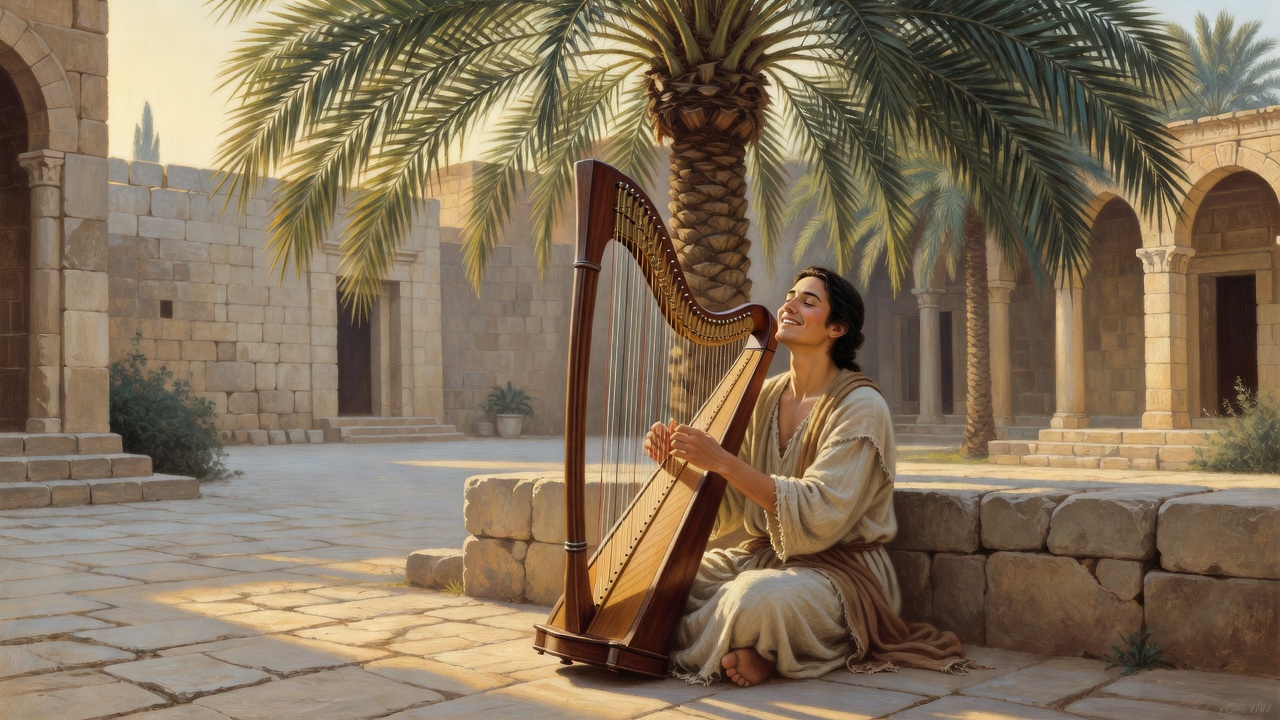
- El Salmo 92 se designa expresamente en su encabezamiento como un cántico para el día de reposo o sábado. Describe la alabanza a Dios tanto de mañana como de noche, acompañada de instrumentos musicales como el arpa de diez cuerdas y la lira.Fuentes: el propio texto bíblico
- El salmo contrasta a los malhechores, que brotan rápidamente como la hierba para luego ser destruidos, con los justos. Los fieles son comparados con palmeras vigorosas y con los altos cedros de la cordillera del Líbano, manteniéndose verdes y dando fruto incluso en la vejez.Fuentes: el propio texto bíblico · Lebanon
Notas escritas con ayuda de IA a partir de fuentes abiertas (Theographic Bible Metadata, CC BY-SA 4.0; Easton’s Bible Dictionary, dominio público) y revisadas antes de publicarse.
Lugares de este capítulo
- Lebanon · 33.540, 35.584 · versículo 12
Solo aparecen lugares identificados con alta confianza (90 % o más según las fuentes académicas reunidas por OpenBible). Mapa de la época: DARE (Digital Atlas of the Roman Empire), CC BY 4.0; mapa actual: © colaboradores de OpenStreetMap; lugares: OpenBible.info (CC BY 4.0).
Créditos y licencia de esta traducción
Bibeli Luayãtaalá
The Holy Bible in the Boko language spoken in Benin and Nigeria
copyright © 2010 SIM International
Language: Boko
Translation by: SIM International
Boko Bibeli Luayãtaala
This translation, published by the SIM au Benin, was published in 2010.
If you are interested in obtaining a printed copy, please contact the SIM at ECWA/SIM H.Q., P.M.B. 2009, Jos, Plateau State, NIGERIA.
This translation text is made available to you under the
terms of the Creative Commons License: Attribution-Noncommercial-No Derivative Works.
( http://creativecommons.org/licenses/by-nc-nd/3.0/ )
In addition, you have permission to port the text to different file formats, as long as you
do not change any of the text or punctuation of the Bible.
You may share, copy, distribute, transmit, and extract portions
or quotations from this work, provided that you include the above copyright
information:
You must give Attribution to the work.
You do not sell this work for a profit.
You do not make any derivative works that change any of the actual words or punctuation of the Scriptures.
Permissions beyond the scope of this license may be
available if you contact
us with your request.
This translation is made available to you under the terms of the
Creative Commons Attribution-Noncommercial-No Derivatives license 4.0.
You may share and redistribute this Bible translation or extracts from it in any format, provided that:
You include the above copyright and source information.
You do not sell this work for a profit.
You do not change any of the words or punctuation of the Scriptures.
Pictures included with Scriptures and other documents on this site are licensed just for use with those Scriptures and documents.
For other uses, please contact the respective copyright owners.
2014-09-25
Fuente: http://ebible.org/bqcsim/ · eBible.org