Salmos 16
Bibeli Luayãtaalá · Toca un versículo para ver sus referencias cruzadas.
Naa Luazi
Davidi lɛ.
1Ma dↄ̃́a Lua,
ḿmɛ ma nanzi.
2Má ò Diiɛ ma diin n ũ,
ḿmɛ ń ma aafia ũ.
3N gbɛ̃́ pↄ́ kú ma bùsuuↄ
mɛ́ dɛ gawide pↄ́ ì kamaguↄ ũ.
4Gbɛ̃́ pↄ́ aaì wã gɛ́ tã́a kĩ́iↄ
aaì yã'ↄ̃ma kpá ńzĩaziɛ.
Má sa'o'i tↄ̃́lɛńnↄo,
wa ń tã́aↄ tↄ́ ma ma lɛ́uo.
5Dii, n ma ka ma baawa,
ma wɛ̃ni ku n ↄzĩɛ.
6N kↄↄ dàmɛɛ gumaau,
gba pↄ́ ń dàmɛɛ kàmagu.
7Má Dii táasilɛ kɛ́ ì lɛdaa,
baa gwã́ ì to ma sↄ̃ ma gba laai.
8Miↄ Dii e ma wɛ́u gↄↄpii,
lá a kumanↄ, má kpaguao.
9Bee yã́i ma pↄ ìↄ na,
ma nↄ̀sɛ ìↄ yáalↄ,
ma wɛ́ dↄi lↄ ma mɛ aↄ ku aafia.
10Asa ńyↄ̃ ma to miauo,
ńyↄ̃ we n yãmana yaikɛo.
11N ma ka wɛ̃ni zɛ́wa,
n kĩ́i pↄna ìↄ pɛɛau,
pↄmaaↄ ku n ↄzĩ gↄↄpii.
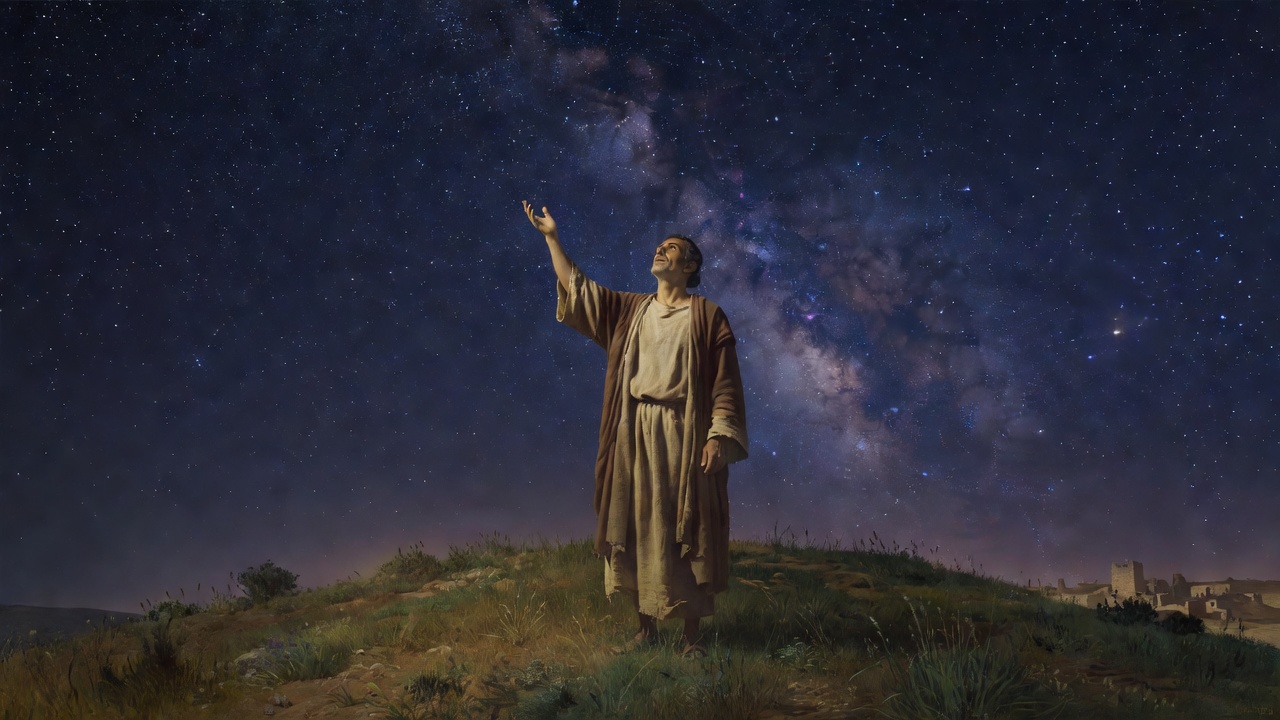
¿Sabías que…?
El Señor como Herencia y Refugio
- El salmista utiliza la imagen de cuerdas de medir y el reparto de tierras para describir a Dios como su herencia. Al declarar que los límites territoriales han caído en lugares agradables, el texto retrata la devoción al Señor mediante la metáfora de una propiedad segura y placentera.Fuentes: el propio texto bíblico
- El texto contrasta la lealtad a Dios con las prácticas de quienes van tras otras divinidades. El orante rechaza explícitamente participar en rituales con libaciones de sangre o incluso pronunciar los nombres de esos dioses.Fuentes: el propio texto bíblico
- El salmo concluye con una expresión de confianza ante la muerte, afirmando que Dios no abandonará el alma en el Seol ni permitirá que su siervo fiel sufra corrupción, sino que le mostrará la senda de la vida y el gozo de Su presencia.Fuentes: el propio texto bíblico
Notas escritas con ayuda de IA a partir de fuentes abiertas (Theographic Bible Metadata, CC BY-SA 4.0; Easton’s Bible Dictionary, dominio público) y revisadas antes de publicarse.
Créditos y licencia de esta traducción
Bibeli Luayãtaalá
The Holy Bible in the Boko language spoken in Benin and Nigeria
copyright © 2010 SIM International
Language: Boko
Translation by: SIM International
Boko Bibeli Luayãtaala
This translation, published by the SIM au Benin, was published in 2010.
If you are interested in obtaining a printed copy, please contact the SIM at ECWA/SIM H.Q., P.M.B. 2009, Jos, Plateau State, NIGERIA.
This translation text is made available to you under the
terms of the Creative Commons License: Attribution-Noncommercial-No Derivative Works.
( http://creativecommons.org/licenses/by-nc-nd/3.0/ )
In addition, you have permission to port the text to different file formats, as long as you
do not change any of the text or punctuation of the Bible.
You may share, copy, distribute, transmit, and extract portions
or quotations from this work, provided that you include the above copyright
information:
You must give Attribution to the work.
You do not sell this work for a profit.
You do not make any derivative works that change any of the actual words or punctuation of the Scriptures.
Permissions beyond the scope of this license may be
available if you contact
us with your request.
This translation is made available to you under the terms of the
Creative Commons Attribution-Noncommercial-No Derivatives license 4.0.
You may share and redistribute this Bible translation or extracts from it in any format, provided that:
You include the above copyright and source information.
You do not sell this work for a profit.
You do not change any of the words or punctuation of the Scriptures.
Pictures included with Scriptures and other documents on this site are licensed just for use with those Scriptures and documents.
For other uses, please contact the respective copyright owners.
2014-09-25
Fuente: http://ebible.org/bqcsim/ · eBible.org