Job 8
Bibeli Luayãtaalá · Toca un versículo para ver sus referencias cruzadas.
Baade ì a tàae gbɛ'eɛ
1Ɔ̃ Sua gbɛ̃́ Bilidada yã́zãsìwà à mɛ̀:
2Ńyↄ̃ↄ yã́ bee taa o e bↄɛ ni?
Ńlɛ yãbↄlɛ bùuu.
3Lua ì yã́zɛde fuangbaa?
Gbãapiide ì yãmaa bãdɛa?
4Lá n nɛ́ↄ duunakɛ̀ɛ̀,
a tò aa ń tàaeↄ gbɛ'è.
5Tó n Lua kĩ́i wɛ̀ɛlɛ,
mɛ́ n sùuugbɛ̀a Gbãapiidepiwa,
6tó ń gbãsĩ vĩo mɛ́ ń maa,
baa e tia a fɛlɛ n wɛ̃nagwa,
i n bɛ yã́ gↄ̃́gↄ̃nɛ a zɛ́wa.
7N gwea káau a kɛnɛ pↄe ũo,
n gwea gbɛzã aↄ kã́fĩa vĩ maamaaɛ.
8Gbɛ̃́ ziↄ la,
ní ↄ̃nↄ pↄ́ an deziↄ kpálɛkɛ̀i dↄ̃.
9Asa nɛ́ zĩ́anaↄn wá ũ, wá yãe dↄ̃o,
wá kua dṹniau ì gɛ̃zɛa lán uenawaɛ.
10Gbɛ̃́ zipiↄ yã́ a n wɛ́ kɛ̃o lé?
Aa ń nↄ̀sɛ guu yã'onɛ.
11Kɛfu ì kɛ maa dã̀nasaie?
Fee ì zↄ̃ↄkũ isaia?
12Tó wi zↄ̃o, baa ń a lá'isikɛo,
a lá ì giigaga àa dɛ sɛ̃ↄla píi.
13Màa a dɛ ń gbɛ̃́ pↄ́ Lua yã́ sã̀aàguo,
beewa tãmaa a luayãdansai nɛ́.
14Sↄuba nian do ↄ̃ ì a náaikɛ,
dã̀nsaba ↄ̃ ì gbãa'ewà.
15Ì sↄ̃kpalɛ bapizi,
ↄ̃ bapi lí fↄ̃ aà kũ̀o.
Ì didi bapiwa, ↄ̃ bapi ì fua.
16A gↄ̃naↄ ì dagua káau
lán lí pↄ́ ìↄ í vĩ ĩatɛ̃ gbãaiwa,
17ↄ̃ a zĩ́naↄ ì fĩakↄ̃i gu gbɛdeu,
ì gɛ̃ gbɛↄu.
18Tó wa ga wòlɛ a pɛ́kĩi,
gupi ì lelekpaaàzi à mɛ:
Má n dↄ̃ yãao.
19Zɛ́ pↄ́ a sɛ̀pi pↄna lɛ́n we,
ↄ̃ pↄpãleↄ ì bↄlɛ tↄↄlɛpiwa.
20Lua lí gí tàaesaidezio fá,
mɛ́ ìli vãikɛnaↄ gba gbãao.
21A to ǹ yáalↄ tia,
ní kúkuakɛ.
22A wida n zangudeↄwa,
gbɛ̃vãipiↄ bɛ a gↄ̃ bɛzia ũ.
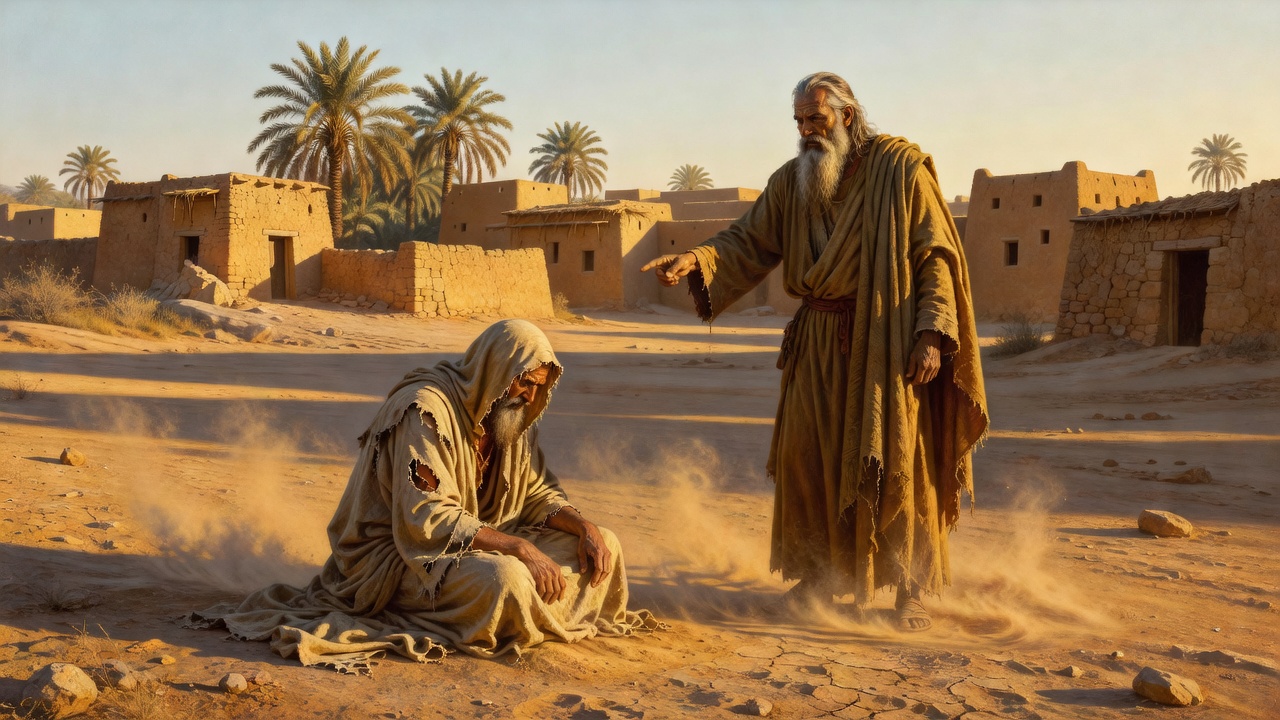
¿Sabías que…?
El llamado de Bildad a la sabiduría antigua
- Bildad es identificado como suhita, lo que probablemente lo vincula con Súa, una región árabe poblada por los descendientes de Abraham y Cetura. En este capítulo, pronuncia el primero de sus tres discursos severos a Job, afirmando que la justicia divina es absoluta e inalterable.Fuentes: Bildad · el propio texto bíblico
- En lugar de recurrir a su propia experiencia, Bildad apela al conocimiento acumulado de las generaciones pasadas, comparando los días humanos con una sombra pasajera. Para ilustrar la ruina del impío, utiliza metáforas de la naturaleza como juncos que se marchitan sin agua y la fragilidad de una telaraña.Fuentes: el propio texto bíblico
Notas escritas con ayuda de IA a partir de fuentes abiertas (Theographic Bible Metadata, CC BY-SA 4.0; Easton’s Bible Dictionary, dominio público) y revisadas antes de publicarse.
Créditos y licencia de esta traducción
Bibeli Luayãtaalá
The Holy Bible in the Boko language spoken in Benin and Nigeria
copyright © 2010 SIM International
Language: Boko
Translation by: SIM International
Boko Bibeli Luayãtaala
This translation, published by the SIM au Benin, was published in 2010.
If you are interested in obtaining a printed copy, please contact the SIM at ECWA/SIM H.Q., P.M.B. 2009, Jos, Plateau State, NIGERIA.
This translation text is made available to you under the
terms of the Creative Commons License: Attribution-Noncommercial-No Derivative Works.
( http://creativecommons.org/licenses/by-nc-nd/3.0/ )
In addition, you have permission to port the text to different file formats, as long as you
do not change any of the text or punctuation of the Bible.
You may share, copy, distribute, transmit, and extract portions
or quotations from this work, provided that you include the above copyright
information:
You must give Attribution to the work.
You do not sell this work for a profit.
You do not make any derivative works that change any of the actual words or punctuation of the Scriptures.
Permissions beyond the scope of this license may be
available if you contact
us with your request.
This translation is made available to you under the terms of the
Creative Commons Attribution-Noncommercial-No Derivatives license 4.0.
You may share and redistribute this Bible translation or extracts from it in any format, provided that:
You include the above copyright and source information.
You do not sell this work for a profit.
You do not change any of the words or punctuation of the Scriptures.
Pictures included with Scriptures and other documents on this site are licensed just for use with those Scriptures and documents.
For other uses, please contact the respective copyright owners.
2014-09-25
Fuente: http://ebible.org/bqcsim/ · eBible.org