Job 23
Bibeli Luayãtaalá · Toca un versículo para ver sus referencias cruzadas.
Yobu yea kↄ̃'ea ń Luaoi
1Ɔ̃ Yobu mɛ̀:
2Baa e tia málɛ yã́kũtɛ̃ka wɛ̃nannↄ,
Lua ↄtↄ̃̀a gbã́ugbãu, málɛ aaukɛ.
3Tó má dↄ̃ gu pↄ́ má aà eu,
dↄ̃ ma gɛ aà kĩ́i.
4Má a yã́ↄ dↄdↄɛ̀,
má lɛkpaakɛaànↄ,
5mí ma lá a wea,
míↄ yã́ pↄ́ a omɛɛ tàasi kũa.
6A sòlekɛmanↄ a gbãa pua lɛ́u nɛe?
Aawo! A íbɛlɛsɛmanↄo.
7Wekĩi gbɛ̃maa a e yã'ouɛ̀,
ma yã́kpalɛkɛnapi i ma kɛ̃ e gↄↄpii.
8Tó ma gɛ gukpɛ oi, a ku weo,
tó bɛ'aɛɛ sↄ̃, mili aà e weo.
9Tó àlɛ zĩkɛ gugbãntoo oi, mili wɛsiaàlɛo,
tó à lìlɛ gɛↄmidↄkĩi oi, mili aà wɛ́pao.
10Ãma a zɛ́ pↄ́ má sɛ̀ dↄ̃,
tó à ma yↄ̃, má bↄ lán vuawaɛ.
11Ma aà kɛ̀sɛ kũ̀,
ma aà zɛ́ sɛ̀, mi lilɛo.
12Mi bↄ aà yãdilɛaↄ kpɛo,
yã́ pↄ́ bↄ̀ aà lɛ́u kɛ̀mɛɛ na dɛ ma pↄbleaa.
13A ku ado, démɛ a fↄ̃ zɛ giɛ̀i?
Yã́ pↄ́ kàaàgu ↄ̃ ì kɛ.
14A zĩkɛ yã́ pↄ́ a dìlɛmɛɛwa,
mɛ́ a yã́ↄ kũa a nↄ̀sɛu dasi lↄ.
15Bee yã́i gili ì gɛ̃magu aà aɛ,
tó ma làasookɛ̀wà, iwãa ì ka ma pↄaɛ.
16Lua ma kãdɛ̀,
Gbãapiide vĩadàdamazi.
17Gusia kù ma wɛ́a,
ãma i to ma nilɛo.
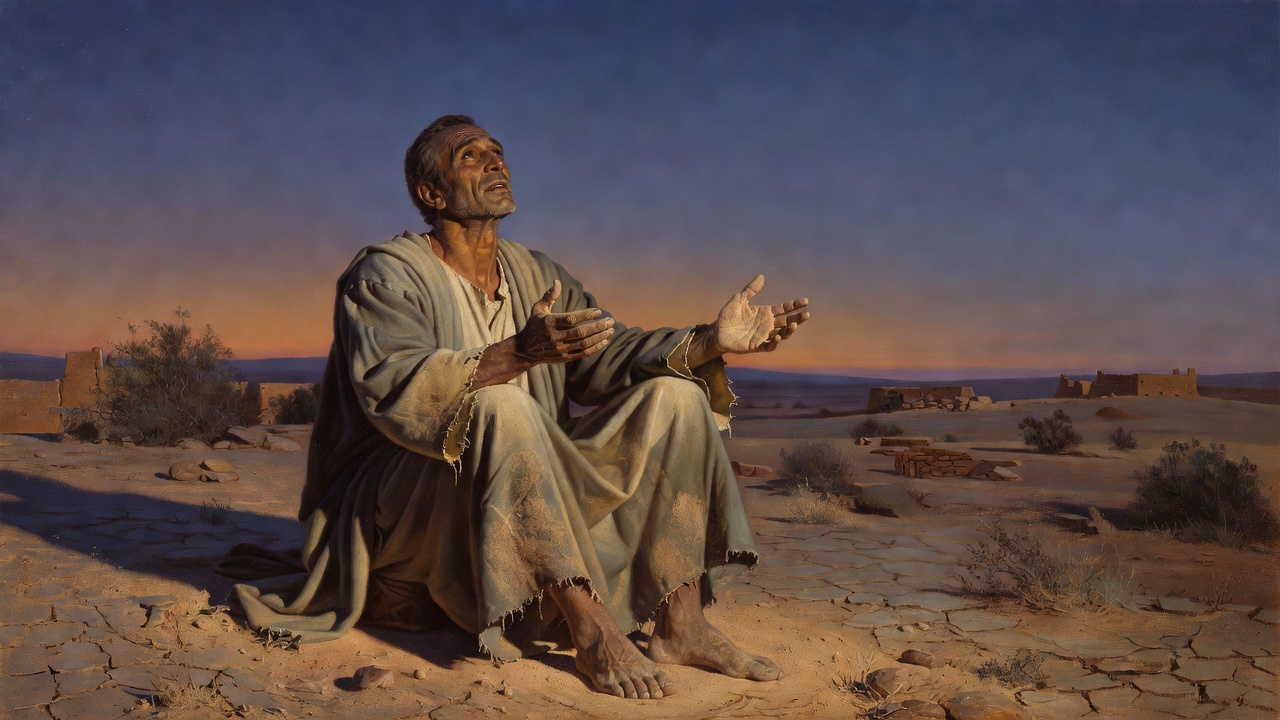
¿Sabías que…?
El anhelo de Job por una audiencia
- Job utiliza el lenguaje de un litigio judicial, deseando encontrar la sede de Dios para presentar su caso y llenar su boca de argumentos. Expresa la confianza de que una persona recta sería escuchada y librada ante su Juez.Fuentes: el propio texto bíblico
- En su búsqueda de Dios, Job examina los cuatro puntos cardinales: el oriente, el occidente, el norte y el sur. Lamenta que, aunque Dios está obrando activamente a su alrededor, Su presencia permanece totalmente invisible a los ojos humanos.Fuentes: el propio texto bíblico
- A pesar de su profundo temor ante la soberanía y los decretos inmutables de Dios, Job sostiene su integridad. Afirma haber valorado las palabras de Dios más que su pan cotidiano y confía en que, tras ser probado, saldrá como oro refinado.Fuentes: el propio texto bíblico · Job
Notas escritas con ayuda de IA a partir de fuentes abiertas (Theographic Bible Metadata, CC BY-SA 4.0; Easton’s Bible Dictionary, dominio público) y revisadas antes de publicarse.
Créditos y licencia de esta traducción
Bibeli Luayãtaalá
The Holy Bible in the Boko language spoken in Benin and Nigeria
copyright © 2010 SIM International
Language: Boko
Translation by: SIM International
Boko Bibeli Luayãtaala
This translation, published by the SIM au Benin, was published in 2010.
If you are interested in obtaining a printed copy, please contact the SIM at ECWA/SIM H.Q., P.M.B. 2009, Jos, Plateau State, NIGERIA.
This translation text is made available to you under the
terms of the Creative Commons License: Attribution-Noncommercial-No Derivative Works.
( http://creativecommons.org/licenses/by-nc-nd/3.0/ )
In addition, you have permission to port the text to different file formats, as long as you
do not change any of the text or punctuation of the Bible.
You may share, copy, distribute, transmit, and extract portions
or quotations from this work, provided that you include the above copyright
information:
You must give Attribution to the work.
You do not sell this work for a profit.
You do not make any derivative works that change any of the actual words or punctuation of the Scriptures.
Permissions beyond the scope of this license may be
available if you contact
us with your request.
This translation is made available to you under the terms of the
Creative Commons Attribution-Noncommercial-No Derivatives license 4.0.
You may share and redistribute this Bible translation or extracts from it in any format, provided that:
You include the above copyright and source information.
You do not sell this work for a profit.
You do not change any of the words or punctuation of the Scriptures.
Pictures included with Scriptures and other documents on this site are licensed just for use with those Scriptures and documents.
For other uses, please contact the respective copyright owners.
2014-09-25
Fuente: http://ebible.org/bqcsim/ · eBible.org