Job 11
Bibeli Luayãtaalá · Toca un versículo para ver sus referencias cruzadas.
Nↄ̀sɛwɛ̃ Luaɛ!
1Ɔ̃ Naama gbɛ̃́ Zofaa yãsɛ̀ à mɛ̀: 2Aà yã́ dasi, wá wewào lé?
Yãbↄlɛnapi a bↄ maa yã̀?
3N yãpã oa a gbɛ̃́ↄ lɛ́ kũa?
N yãyaaabↄ̀lɛ, ↄ̃ wa zↄadↄmaoa?
4N mɛ̀ n yãdanɛ sãa vĩo,
ń kú Luaɛ tàaesai.
5Tó Lua yã'ò lé,
a n ɛɛboɛ.
6A ↄ̃nↄ asii bↄↄlɛkɛnɛ,
asa Lua ↄ̃nↄ zↄ̃ↄ dɛwála.
Ń dↄ̃ Lua lɛ́ ĩadama n vãi lɛ́u nɛe?
7Ńyↄ̃ fↄ̃ ǹ Lua asii dↄ̃a?
Ńyↄ̃ bↄ Gbãapiide zↄ̃ↄkɛ lɛ́wae?
8A lɛsĩ dɛ luabɛa, ńyↄ̃ kɛ kpelewa ni?
A zã dɛ bɛdaa, ńyↄ̃ fↄ̃ ǹ dↄ̃e?
9A zↄ̃ↄ dɛ tↄↄlɛa, a lɛ́ vĩo,
a yàasa dɛ ísiaa maamaa.
10Tó à mↄ̀ gbɛ̃́ kũ̀ a dàkpɛu,
mɛ́ àlɛ yã́kpalɛkɛaànↄ,
démɛ a fↄ̃ gii?
11A mↄafilideↄ dↄ̃ fá!
Tó à vãikɛa è, ìli a yãdao lé?
12Lá zàa'ĩna lí nɛ'i gbɛ̃nazĩna ũo,
màa nↄ̀sɛsaide lí ↄ̃nↄkũo.
13Tó n n nↄ̀sɛ wɛ̃̀ Luaɛ,
mɛ́ n ↄsɛ̀ musu wabikɛa guu,
14tó n nzĩa gà duunaɛ,
mɛ́ yãvãi i zↄ̃lɛkĩi e n bɛo,
15n mi aↄ daa ía sãasaiɛ,
ńyↄ̃ zɛdↄ vĩasai.
16N taasi yã́ i sãngu,
a dↄangu iↄ dɛ lán í gɛ̃a zɛ́awa.
17N kua i tɛkɛ dɛ fãanɛ ĩatɛ̃a,
gusia pↄ́ ń kúu i pu lán gudↄawa.
18N sↄ̃ aↄ dilɛa, n nↄ̀sɛ iↄ daa doũ,
n laai aↄ kpalɛa, níↄ i'o ń a nao kau.
19Ńyↄ̃ ↄli nzĩau,
gbɛ̃e yã́ a iwãa ka n pↄao,
baade a wɛɛlɛ àↄ nannↄ.
20Gbɛ̃vãiↄ yiongo lɛ́baa dↄ̃́a,
aa bↄkĩi eo, yã́ pↄ́ gↄ̃̀nɛ́ mɛ́ ga ũ.
¿Sabías que…?
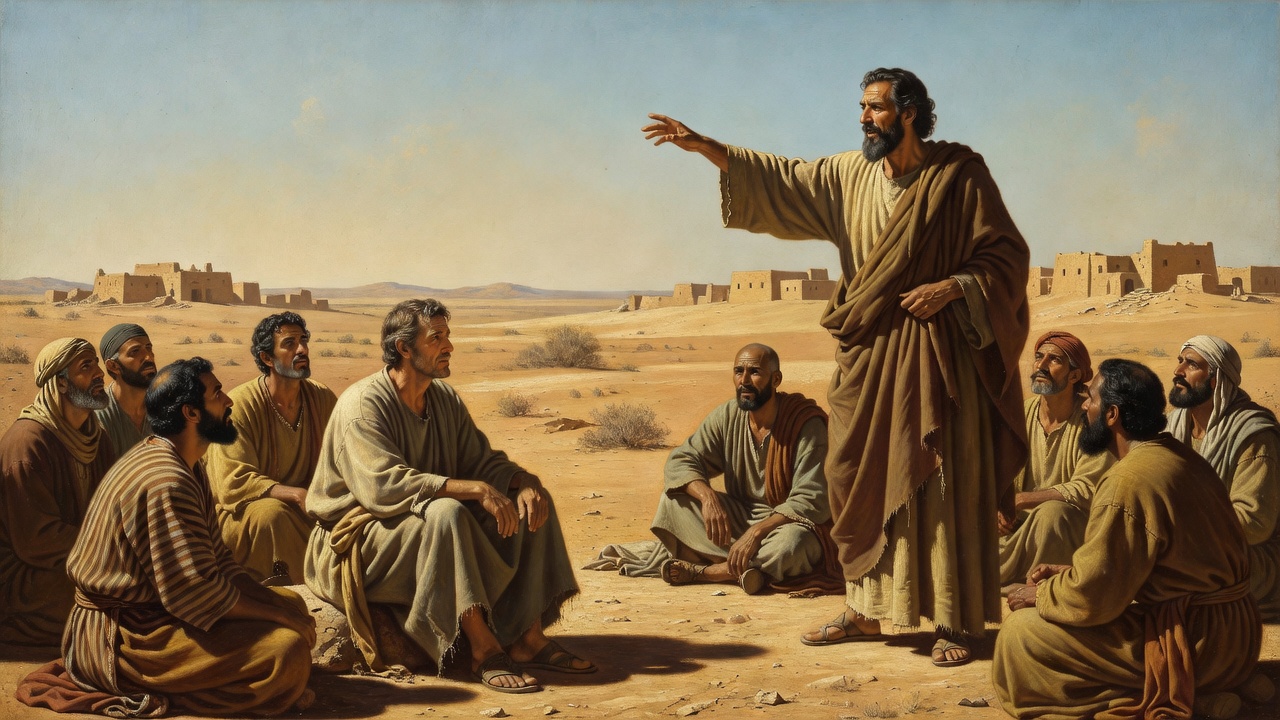
El primer discurso de Zofar
- Zofar, presentado como un naamatita de una localidad desconocida llamada Naamat, era uno de los compañeros que acudieron a consolar a Job en su sufrimiento. La antigua traducción griega de la Septuaginta lo identifica como rey de los mineos, un grupo asociado con los maonitas en el sur de Arabia.Fuentes: Zophar · el propio texto bíblico
- En su discurso, Zofar sostiene que la sabiduría divina está completamente fuera del alcance humano, pues es más alta que los cielos y más profunda que el Seol. Insiste en que Job está recibiendo un castigo menor al que merecen sus faltas, y le insta a alejar la injusticia de sus tiendas y buscar a Dios para hallar esperanza y restauración.Fuentes: el propio texto bíblico
Notas escritas con ayuda de IA a partir de fuentes abiertas (Theographic Bible Metadata, CC BY-SA 4.0; Easton’s Bible Dictionary, dominio público) y revisadas antes de publicarse.
Créditos y licencia de esta traducción
Bibeli Luayãtaalá
The Holy Bible in the Boko language spoken in Benin and Nigeria
copyright © 2010 SIM International
Language: Boko
Translation by: SIM International
Boko Bibeli Luayãtaala
This translation, published by the SIM au Benin, was published in 2010.
If you are interested in obtaining a printed copy, please contact the SIM at ECWA/SIM H.Q., P.M.B. 2009, Jos, Plateau State, NIGERIA.
This translation text is made available to you under the
terms of the Creative Commons License: Attribution-Noncommercial-No Derivative Works.
( http://creativecommons.org/licenses/by-nc-nd/3.0/ )
In addition, you have permission to port the text to different file formats, as long as you
do not change any of the text or punctuation of the Bible.
You may share, copy, distribute, transmit, and extract portions
or quotations from this work, provided that you include the above copyright
information:
You must give Attribution to the work.
You do not sell this work for a profit.
You do not make any derivative works that change any of the actual words or punctuation of the Scriptures.
Permissions beyond the scope of this license may be
available if you contact
us with your request.
This translation is made available to you under the terms of the
Creative Commons Attribution-Noncommercial-No Derivatives license 4.0.
You may share and redistribute this Bible translation or extracts from it in any format, provided that:
You include the above copyright and source information.
You do not sell this work for a profit.
You do not change any of the words or punctuation of the Scriptures.
Pictures included with Scriptures and other documents on this site are licensed just for use with those Scriptures and documents.
For other uses, please contact the respective copyright owners.
2014-09-25
Fuente: http://ebible.org/bqcsim/ · eBible.org