Jueces 21
Bibeli Luayãtaalá · Toca un versículo para ver sus referencias cruzadas.
Nↄwɛɛlɛa Bɛ̃yãmɛɛ bui kↄ̃naↄnɛ
1À mↄ lè Isailiↄ ladà Mizipa aa mɛ̀: Wá gbɛ̃e a a nɛ́ kpã́sã Bɛ̃yãmɛɛ buiewao. 2Aa gɛ̀ Bɛtɛli aa zↄ̃̀lɛ Lua aɛ we e oosi, ↄ̃ aa wii gbãa lɛ̀, aalɛ ↄ́ↄlↄ maamaa 3aa mɛ̀: Dii Isailiↄ Lua, bↄ́yãi yã́pi wá lé, ↄ̃ wá bui lɛɛ do ku gbã lↄo ni?
4Kɛ́ a gu dↄ̀, aa fɛ̀lɛ sa'okĩi bò, ↄ̃ aa sa pↄ́ wì a pↄ́ kátɛu à tɛ́kũ ń sáaukpasaↄ ò'owà. 5Ɔ̃ aa mɛ̀: Wá Isaili bui kpele mɛ́ i mↄ kãaawanↄ Dii aɛo ni? Asa aa sì ń Luao yãa aa mɛ̀: Gbɛ̃́ pↄ́ gì mↄ́i Dii kĩ́i Mizipa, wa ade dɛɛ. 6An gbɛ̃́ Bɛ̃yãmɛɛ buiↄ kɛ̀nɛ́ wɛ̃na, ↄ̃ aa mɛ̀: Wá Isailiↄ bui lɛɛ do mìdɛ fá. 7Lá wá sì ń Diio wa mɛ̀, wá wá nɛ́ↄ kpã́sãmáo, kpelewa wá kɛ an gbɛ̃́ pↄ́ gↄ̃̀ↄ nↄ ei? 8Ɔ̃ aa mɛ̀: Wá Isaili bui kpele mɛ́ i mↄ Dii aɛ Mizipao ni? Gwa, gbɛ̃e i bↄ Yabɛsi Galada à mↄ̀ baluuo. 9Aa gbɛ̃́ↄ dↄ̀dↄ, ↄ̃ aa è Yabɛsi Galada gbɛ̃e kú ń guuo.
10Ɔ̃ gbɛ̃́ pↄ́ kãaaa weↄ zĩgↄ̃ↄ gbàɛ we gbɛ̃ↄn ↄ̀aasↄsↄo lɛɛ kuɛpla (12.000), aa ònɛ́: À gɛ Yabɛsi Galadadeↄ dɛdɛ ń fɛ̃ndao ń ń nↄɛↄ ń ń nɛ́ↄ. 11Tó a ka, à gↄ̃ɛↄ dɛdɛ píi ń nↄɛ pↄ́ gↄ̃ɛ dↄ̃̀ↄ. 12Aa wɛ̃́ndia lɛ́soↄ è Yabɛsi Galadadeↄ guu gbɛ̃ↄn ↄ̀aa pla, ↄ̃ aa tàńnↄ ń bòou Silo, Kanaa bùsuu. 13Ɔ̃ gbɛ̃́ pↄ́ kãaaa weↄ gbɛ̃́ↄ zĩ̀, aa gɛ̀ awakpà Bɛ̃yãmɛɛ bui pↄ́ kú Limↄ gbɛzĩↄnɛ. 14Zĩbeezĩ Bɛ̃yãmɛɛ buipiↄ sù, ↄ̃ Isailiↄ Yabɛsi Galada nↄɛ pↄ́ aai ń dɛdɛoↄ kpàmá, kási nↄɛpiↄ i pɛɛmáo.
15Bɛ̃yãmɛɛ buiↄ kɛ̀nɛ́ wɛ̃na, asa Dii tò gupua bↄ̀ Isaili buiↄ guuɛ. 16Ɔ̃ balu gbɛ̃zↄ̃ↄↄ mɛ̀: Lá Bɛ̃yãmɛɛ bui nↄɛe ku lↄo, kpelewa wá kɛ an gↄ̃ɛ pↄ́ gↄ̃̀ↄ nↄ ei? 17Sema Bɛ̃yãmɛɛ buiↄ bùsu gↄ̃ an gbɛ̃́ pↄ́ bↄ̀ↄ pↄ́ ũ, kɛ́ Isaili bui lɛɛ doe su bãdɛo yã́i. 18Wá e wà wá nɛ́ↄ kpã́sãmáo, asa wá sì ń Luao wa mɛ̀ Lua láaizĩ gbɛ̃́ pↄ́ a nɛ́ kpã̀sã Bɛ̃yãmɛɛ buiewawaɛ. 19À gwa! Dii dikpɛ pↄ́ wì kɛ Silo wɛ̃ ń wɛ̃o kà kãi. Silo ku Bɛtɛli gugbãntoo oiɛ, zɛ́ pↄ́ ì bↄ Bɛtɛli ì gɛ́ Sikɛũ gukpɛ oi, Lebona gɛↄmidↄkĩi oi.
20Ɔ̃ aa lɛdà Bɛ̃yãmɛɛ buiↄwa aa mɛ̀: À gɛ ulɛ'ulɛ vɛ̃ɛbuↄ guu, 21íↄ gugwagwa. Tó Silo nɛnↄɛↄ bↄ̀lɛ ↄ̃wãi, à bↄlɛ vɛ̃ɛbupiu kpakpa, á baade i a pↄ́ kṹ nↄ ũ à taò a bùsuu. 22Tó an maeↄ ge an dãↄↄ mↄ̀wá ń zↄao, wí onɛ́ aa gbɛ̃kɛkɛɛ́, asa wi nↄ eɛ́ zĩ pↄ́ wá kà guuo. Lá aamɛ aa nɛ́piↄ kpã̀sãwáo, aa tàae vĩ lↄo. 23Ɔ̃ Bɛ̃yãmɛɛ buipiↄ kɛ̀ màa. Kɛ́ nɛnↄɛↄ bↄ̀lɛ lɛ́ ↄ̃wã, ↄ̃ an baade a pↄ́ kũ̀, aa tàńnↄ ń bùsuu. Aa ń wɛ̃́lɛↄ kɛ̀kɛ kàlɛ, ↄ̃ aa zↄ̃̀lɛu. 24Bee gbɛa kɛ́ Isailiↄ fã̀aa Silo, an baade tà a bùsuu a gbɛ̃́ↄ kĩ́iɛ. 25Gↄↄ bee sↄ̃ Isailiↄ kía vĩo, yã́ pↄ́ kɛ̀ gbɛ̃́ɛ ↄ̃ ì a pↄ́ kɛ.
¿Sabías que…?
La preservación de la tribu de Benjamín
- La asamblea de Israel se había reunido en Mizpa, un lugar elevado en Benjamín utilizado para convocatorias nacionales, donde juraron no dar sus hijas a los benjamitas ni perdonar a quien faltara a la reunión. Ante la casi extinción de Benjamín —reducido a solo seiscientos hombres en la peña de Rimón—, los líderes buscaron soluciones extremas para preservar a la tribu sin quebrantar formalmente su juramento.Fuentes: el propio texto bíblico · Mizpah · Rimmon
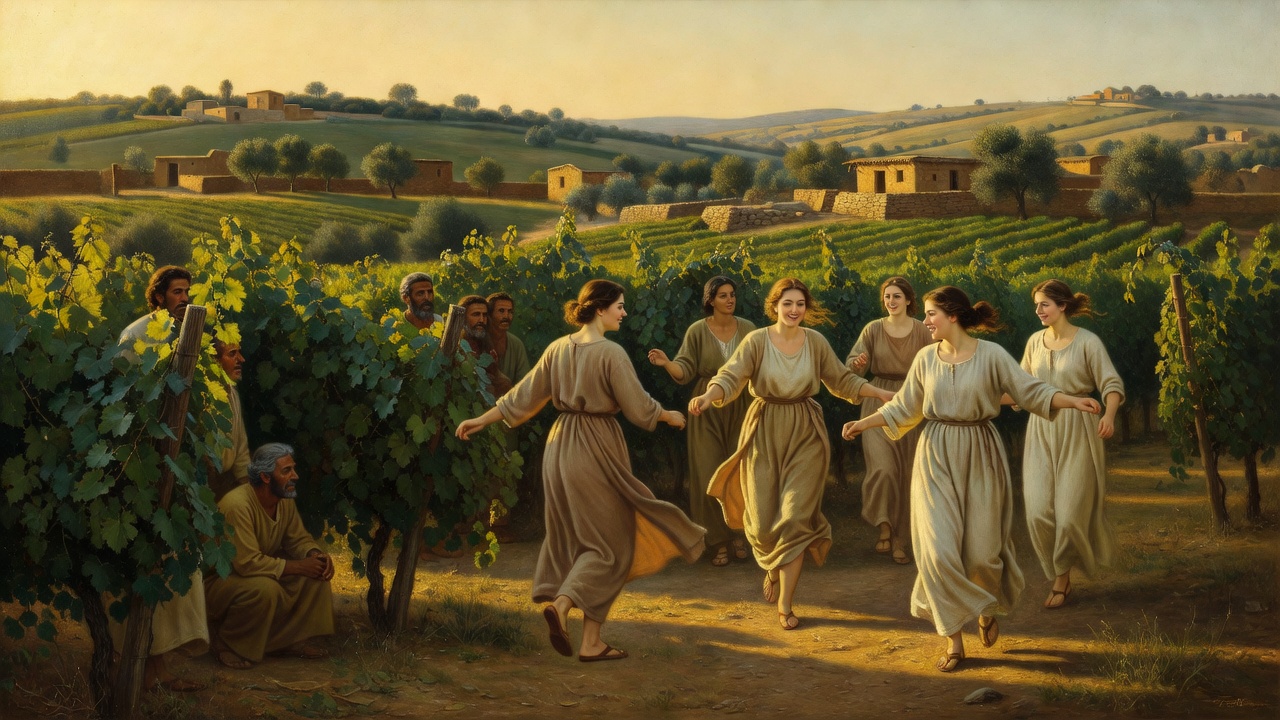
- Para conseguir esposas para los sobrevivientes benjamitas, Israel atacó Jabes de Galaad, al este del Jordán, por no haber asistido a la asamblea, y perdonó a cuatrocientas jóvenes. Como aún faltaban mujeres, los ancianos permitieron que los demás benjamitas emboscaran y tomaran a jóvenes que danzaban en la fiesta anual del Señor en Silo, al norte de Betel.Fuentes: el propio texto bíblico · Jabesh-gilead · Shiloh · Bethel (of Palestine)
Notas escritas con ayuda de IA a partir de fuentes abiertas (Theographic Bible Metadata, CC BY-SA 4.0; Easton’s Bible Dictionary, dominio público) y revisadas antes de publicarse.
Lugares de este capítulo
- Canaan · 32.767, 35.333 · versículo 12
- Shiloh · Hoy: Khirbet Seilun · 32.056, 35.290 · versículos 12, 19, 21
- Shechem · Hoy: Tell Balatah · 32.214, 35.282 · versículo 19
Solo aparecen lugares identificados con alta confianza (90 % o más según las fuentes académicas reunidas por OpenBible). Mapa de la época: DARE (Digital Atlas of the Roman Empire), CC BY 4.0; mapa actual: © colaboradores de OpenStreetMap; lugares: OpenBible.info (CC BY 4.0).
Créditos y licencia de esta traducción
Bibeli Luayãtaalá
The Holy Bible in the Boko language spoken in Benin and Nigeria
copyright © 2010 SIM International
Language: Boko
Translation by: SIM International
Boko Bibeli Luayãtaala
This translation, published by the SIM au Benin, was published in 2010.
If you are interested in obtaining a printed copy, please contact the SIM at ECWA/SIM H.Q., P.M.B. 2009, Jos, Plateau State, NIGERIA.
This translation text is made available to you under the
terms of the Creative Commons License: Attribution-Noncommercial-No Derivative Works.
( http://creativecommons.org/licenses/by-nc-nd/3.0/ )
In addition, you have permission to port the text to different file formats, as long as you
do not change any of the text or punctuation of the Bible.
You may share, copy, distribute, transmit, and extract portions
or quotations from this work, provided that you include the above copyright
information:
You must give Attribution to the work.
You do not sell this work for a profit.
You do not make any derivative works that change any of the actual words or punctuation of the Scriptures.
Permissions beyond the scope of this license may be
available if you contact
us with your request.
This translation is made available to you under the terms of the
Creative Commons Attribution-Noncommercial-No Derivatives license 4.0.
You may share and redistribute this Bible translation or extracts from it in any format, provided that:
You include the above copyright and source information.
You do not sell this work for a profit.
You do not change any of the words or punctuation of the Scriptures.
Pictures included with Scriptures and other documents on this site are licensed just for use with those Scriptures and documents.
For other uses, please contact the respective copyright owners.
2014-09-25
Fuente: http://ebible.org/bqcsim/ · eBible.org