Isaías 11
Bibeli Luayãtaalá · Toca un versículo para ver sus referencias cruzadas.
Yɛse gↄ̃na kpalablea
1Yɛse miↄna a vlãpa a zĩ́nau, a gↄ̃na a bↄ, i nɛ'i.
2Dii Nisĩna aↄ kuwà,
a aà gba ↄ̃nↄ ń wɛzɛ̃o,
a aà gba gbãa ń lɛdaama zɛ́o,
a aà gba dↄ̃a, i to aàↄ Dii vĩa vĩ.
3Vĩakɛa Diiɛ a aà kã́si.
A yã́gↄ̃gↄ̃ gbɛ̃́ↄnɛ lá wɛ́ lɛ́ ewao,
a yãkɛkɛnɛ́ lá àlɛ mawao.
4A yã́kpalɛkɛ taasideↄnɛ a zɛ́wa,
a dṹnia wɛ̃nadeↄ yãnakpámá.
Aà yã́ a dṹnia gbɛ̃́ↄ gbɛ̃ lán gowa,
a vãikɛnaↄ dɛdɛ ń a lɛ́'ĩanao.
5A yã́zɛde kuluka báa ũ,
a náai dↄ a pi asana ũ.
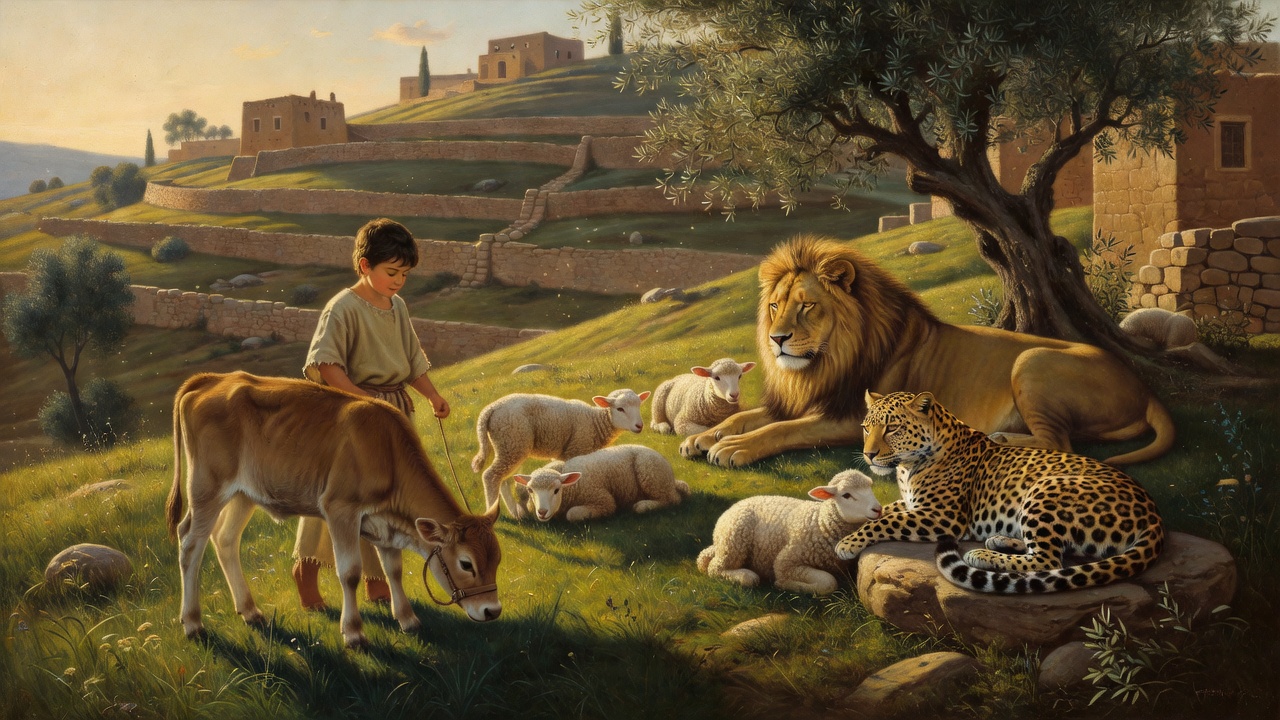
6Àwalɛwana aↄ ku sãnu ń sãnɛo,
gbɛaana a wúlɛ kↄ̃ saɛ ń bleo.
Gáaena ń nↄ̀ↄmusuo aa pↄble sãnu,
nɛ́fɛ̃nɛna mɛ́ a dↄaanɛ́.
7Zuda ń wàio aaↄ dɛ kↄ̃gbɛ̃ↄ ũ,
an nɛ́ↄ wúlɛ gudoũ.
Nↄ̀ↄkusi a sɛ̃ ble lán zuwa.
8Nɛ́ yↄ̃mina a kↄ̃̀ↄ'o kyã́ ɛlɛ,
nɛ́ kɛ̃a a ↄgɛ̃ píligonazi.
9Pↄ́ pↄ́ ì ń kɛ'ĩa ge pↄ́ pↄ́ ì ń dɛ
aↄ ku Dii gbɛ̀sĩsĩ pↄ́ a kua adoawao,
asa Dii dↄ̃a a li dṹniaaɛ,
lá í ì dagua ísiaiwa.
10Zĩbeezĩ Yɛse zĩ́na aↄ dɛ gudↄkↄ̃ɛkĩi ũ buiↄnɛ. Wa aà kĩ́i wɛɛlɛ mɛ́ aà kúkĩi aↄ gawi vĩ. 11Zĩbeezĩ Dii a ɛa ↄbↄ a gɛ̃n plaade, i a gbɛ̃́ kↄ̃na pↄ́ gↄ̃̀ↄ bo. Aa bↄ Asili ń Egipio ń Etiopio ń Elaũo ń Babilonio ń Amatao ń ísia gũgũnaↄ.
12A gudↄkↄ̃ɛkĩi dilɛ buiↄnɛ,
i Isaili zĩ̀zↄↄ kãaa.
A Yuda pↄ́ fãaaapiↄ sɛ́lɛ
za dṹnia gola síiↄ̃ↄwa.
13Ɛflaiũ buiↄ zaańgu a midɛ,
aaↄ za Yudaↄgu lↄo.
Yudaↄ íbɛlɛ a láa,
aa íbɛlɛsɛ ń Ɛflaiũ buiↄ lↄo.
14Aa lɛ́lɛ Filitɛ̃ↄ bùsuwa bɛ'aɛ,
aa gukpɛdeↄ pↄ́ↄ naaa sãnu.
Aa ↄtↄ̃ Ɛdↄũↄ ń Mↄabuↄwa,
mɛ́ Amↄniↄ misiilɛnɛ́.
15Dii a to Egipi ísialɛ gↄ̃ gii,
a ↄmalɛ Uflatai ń a lɛ́'ĩan wãao,
i gↄ̃nakɛ̃ lɛɛ sopla,
wi buawà ń kyaleo kpaa.
16A zɛda bↄ a guu a gbɛ̃́ kↄ̃na pↄ́ gↄ̃̀ Asiliↄnɛ,
lá a kɛ̀ Isailiↄnɛ gↄↄ pↄ́ aa bↄ̀ Egipiwa.
¿Sabías que…?
El Reino de Paz y el Remanente Restaurado
- Isaí de Belén fue el padre del rey David. Al describir al gobernante venidero como un retoño del tronco de Isaí y como la raíz de Isaí, la profecía señala la renovación de la dinastía davídica, aun después de que la casa real pareciera talada.Fuentes: Jesse · el propio texto bíblico
- Los lugares enumerados para la reunión del remanente reflejan la geografía del antiguo Oriente Próximo: Patros designa el Alto Egipto, Sinar es un nombre antiguo para Babilonia en el sur de Mesopotamia, y Elam era un territorio montañoso situado al este de Babilonia.Fuentes: Pathros · Shinar · Elam · el propio texto bíblico
- Efraín, llamado así por el segundo hijo de José, solía representar en los textos proféticos al reino del norte de Israel. Isaías prevé un tiempo de reconciliación duradera que pondría fin a la antigua rivalidad y discordia entre las tribus del norte y Judá.Fuentes: Ephraim · el propio texto bíblico
Notas escritas con ayuda de IA a partir de fuentes abiertas (Theographic Bible Metadata, CC BY-SA 4.0; Easton’s Bible Dictionary, dominio público) y revisadas antes de publicarse.
Lugares de este capítulo
- Assyria · 36.359, 43.153 · versículos 11, 16
- Cush · Hoy: Cush 1 · 16.935, 33.751 · versículo 11
- Egypt · 30.129, 31.308 · versículos 11, 16
- Elam · 32.189, 48.258 · versículo 11
- Great Sea · Hoy: Mediterranean Sea · 31.805, 34.170 · versículo 11
- Hamath · Hoy: Hama · 35.136, 36.750 · versículo 11
- Pathros · Hoy: Upper Egypt · 24.100, 32.700 · versículo 11
- Shinar · Hoy: Babylonia · 32.543, 44.422 · versículo 11
- Ammon · 31.955, 35.934 · versículo 14
- East · Hoy: region around Amman · 31.955, 35.934 · versículo 14
- Edom · 30.746, 35.604 · versículo 14
- Moab · Hoy: Moab 1 · 31.181, 35.701 · versículo 14
- Philistia · 31.664, 34.546 · versículo 14
- Euphrates · Hoy: Euphrates River · 31.004, 47.442 · versículo 15
Solo aparecen lugares identificados con alta confianza (90 % o más según las fuentes académicas reunidas por OpenBible). Mapa de la época: DARE (Digital Atlas of the Roman Empire), CC BY 4.0; mapa actual: © colaboradores de OpenStreetMap; lugares: OpenBible.info (CC BY 4.0).
Créditos y licencia de esta traducción
Bibeli Luayãtaalá
The Holy Bible in the Boko language spoken in Benin and Nigeria
copyright © 2010 SIM International
Language: Boko
Translation by: SIM International
Boko Bibeli Luayãtaala
This translation, published by the SIM au Benin, was published in 2010.
If you are interested in obtaining a printed copy, please contact the SIM at ECWA/SIM H.Q., P.M.B. 2009, Jos, Plateau State, NIGERIA.
This translation text is made available to you under the
terms of the Creative Commons License: Attribution-Noncommercial-No Derivative Works.
( http://creativecommons.org/licenses/by-nc-nd/3.0/ )
In addition, you have permission to port the text to different file formats, as long as you
do not change any of the text or punctuation of the Bible.
You may share, copy, distribute, transmit, and extract portions
or quotations from this work, provided that you include the above copyright
information:
You must give Attribution to the work.
You do not sell this work for a profit.
You do not make any derivative works that change any of the actual words or punctuation of the Scriptures.
Permissions beyond the scope of this license may be
available if you contact
us with your request.
This translation is made available to you under the terms of the
Creative Commons Attribution-Noncommercial-No Derivatives license 4.0.
You may share and redistribute this Bible translation or extracts from it in any format, provided that:
You include the above copyright and source information.
You do not sell this work for a profit.
You do not change any of the words or punctuation of the Scriptures.
Pictures included with Scriptures and other documents on this site are licensed just for use with those Scriptures and documents.
For other uses, please contact the respective copyright owners.
2014-09-25
Fuente: http://ebible.org/bqcsim/ · eBible.org