Oseas 2
Bibeli Luayãtaalá · Toca un versículo para ver sus referencias cruzadas.
1Ń beeo Isailiↄ aaↄ dasi lán ísialɛ ũfãawaɛ, wa fↄ̃ ń lɛ́ dↄ̃o, wa fↄ̃ ń naoo. Gu pↄ́ má òunɛ́ ma gbɛ̃́ↄ no, we wa ń sísiu Lua bɛ̃́ɛ nɛ́ↄ. 2Yudaↄ ń Isailiↄ kãaa ń lɛdoũo, aai dↄaana mɛ̀ndona dilɛ ń pↄ́ ũ. Aa bↄlɛ bùsu ń bùsuo, asa Yezɛlɛɛ gↄↄpi aↄ zↄ̃ↄɛ. 3À o á gbɛ̃́ↄnɛ, gↄ̃ɛ ń nↄɛo, ma gbɛ̃́ↄn ń ũ, ma ń wɛgwà.
Isailiↄ dɛa Dii nↄ gbãsĩkɛna ũ
4Isailiↄ, à zↄadↄ á dawa,
à zↄadↄwà,
asa ma nↄn aà ũ lↄo,
mɛ́ aà zã́n ma ũ lↄo.
Aà káaluakaa bↄ a wɛ́ɛ,
i mikɛ̃ gbãsĩkɛawa.
5Tó màa no, má pↄ́ piliwàɛ,
i gↄ̃ puizi,
má tó aà gↄ̃ láilai,
lá wà aà ìwaɛ.
Má tó aà gↄ̃ gbáa ũɛ,
má aà li gugii ũɛ,
mí tó aà ga ń imio.
6Má aà nɛ́ↄ wɛgwao,
asa gĩnasↄↄnɛↄnɛ.
7An da dↄ́ɛ'ĩi kɛ̀,
ↄ̃ à ń nↄsì wisaikɛa guu.
À mɛ̀ á gɛ́ a gↄ̃pↄsɛↄwaɛ,
aai a gba pↄblea ń ío ń sãkão
ń bàabaao ń nísio ń vɛ̃ɛo.
8Ayãmɛto má zɛdɛɛ̀ ń lɛo,
má gĩ liaaàzi,
kɛ́ asu tɛ a dàaio yã́i.
9Tó à sù bↄ̀ pɛ̀lɛ a gↄ̃pↄsɛↄzi sↄ̃,
a ń leo,
a kpálɛkɛńzi, a ń eo,
i mɛ á ɛa ta a gↄ̃ sɛ̃́iawaɛ,
asa aà pↄ na yãa dɛ tiaa.
10I dↄ̃ kɛ́ mámɛ ma pↄ́wɛna ń vɛ̃ɛo kpàwao.
Ma nísi ń ã́nusuo ń vuao nↄ̀nↄaaɛ̀,
ↄ̃ à a mↄaokɛ̀ Baaliwa.
11A yã́i má ɛa mà a pↄ́wɛna síwà
ń ma vɛ̃ɛo a kɛkɛgↄↄ
ń sãkão ń bàabaa pↄ́ à a puizi ùlɛoo,
12mí aà wisaikɛ kaɛ̀ a ↄzĩ
aà gↄ̃pↄsɛↄ wáa.
Gbɛ̃e a e à aà bↄ ma ↄzĩo.
13Má aà pↄnakɛa midɛ píiɛ,
dikpɛ pↄ́ ì kɛ wɛ̃ ń wɛ̃o pↄ́ↄ
ń mↄ dafu pↄ́ↄ ń kã́mabogↄↄ pↄ́ↄ.
14Má aà vɛ̃ɛliↄ ń aà kaadↄɛnliↄ dɛɛlɛɛ,
lí pↄ́ à mɛ̀ a gↄ̃pↄsɛↄ mɛ́ fĩabòòɛpiↄ,
mí tó gupi gↄ̃ tàaa ũ, sɛ̃̀anↄbↄↄ i ble.
15Lá à tulaletikàtɛa tã́aↄnɛ,
à azĩa kɛ̀kɛ ń tãanaↄ ń nↄamblebↄↄ,
à pɛ̀lɛò a gↄ̃pↄsɛpiↄzi,
ↄ̃ ma yã́ sã̀aàgu,
yã́piↄ yã́i má aà wɛtãɛ.
Ma Dii mámɛ má ò.
16Má tó Isailiↄ ma yã́zɛ e,
má gɛ́ńnↄ gbáauɛ,
mí ń nↄ̀sɛ níninɛ́.
17We má ń vɛ̃ɛbuↄ sↄaaunɛ́,
mí Akoo guzulɛ kɛnɛ́ pↄ'ezɛ ũ.
Aa ma yãma lá aa mà ń wɛ̃́ndia gↄↄ,
gↄↄ pↄ́ aa bↄ̀ Egipi.
18Ma Dii ma mɛ̀:
Gↄↄbeezĩ aa omɛɛ ń zã́,
aa omɛɛ Baali lↄo.
19Má tã́aↄ tↄbↄ ń lɛ́u,
an tↄ́ aↄ dↄńgu lↄo.
20Gↄↄ bee má yãdilɛ pↄ́ↄnɛ píi an yã́ musu,
sɛ̃̀anↄbↄↄ ń bãↄ ń pↄ́taa'onkuawaↄ.
Má sá ń fɛ̃ndao ń zĩo midɛ an bùsuu,
mí tó aaↄ ku we dↄdↄa.
21Má á kɛ ma nↄ ũ e gↄↄpiiɛ,
má á kɛ ma nↄ ũ a zɛ́wa súsuɛ,
mí wɛ̃nadↄ̃ɛ́ gbɛ̃kɛ guu.
22Má á kɛ ma nↄ ũ ń náaio,
íↄ ma dↄ̃ Dii ũ.
23Ma Dii ma mɛ̀:
Gↄↄ bee má swãwɛ̃.
Má swã́sɛ musu yã́i,
musu i swã́sɛ tↄↄlɛ yã́i,
24tↄↄlɛ i swã́sɛ pↄ́wɛna ń vɛ̃ɛo ń nísio yã́i,
aai swã́sɛ bui pↄ́ má tↄ̃̀ yã́i.
25Má ń tↄ̃́ ń bùsuu mazĩa pↄ́ ũ.
Bui pↄ́ ma tↄkpàɛ̀ Wɛ́gwaakuopi,
má ń wɛgwa.
Bui pↄ́ ma tↄkpàɛ̀ Magbɛ̃ↄnopi,
má onɛ́ ma gbɛ̃́ↄ,
aai omɛɛ ń Lua.
¿Sabías que…?
Juicio y Restauración
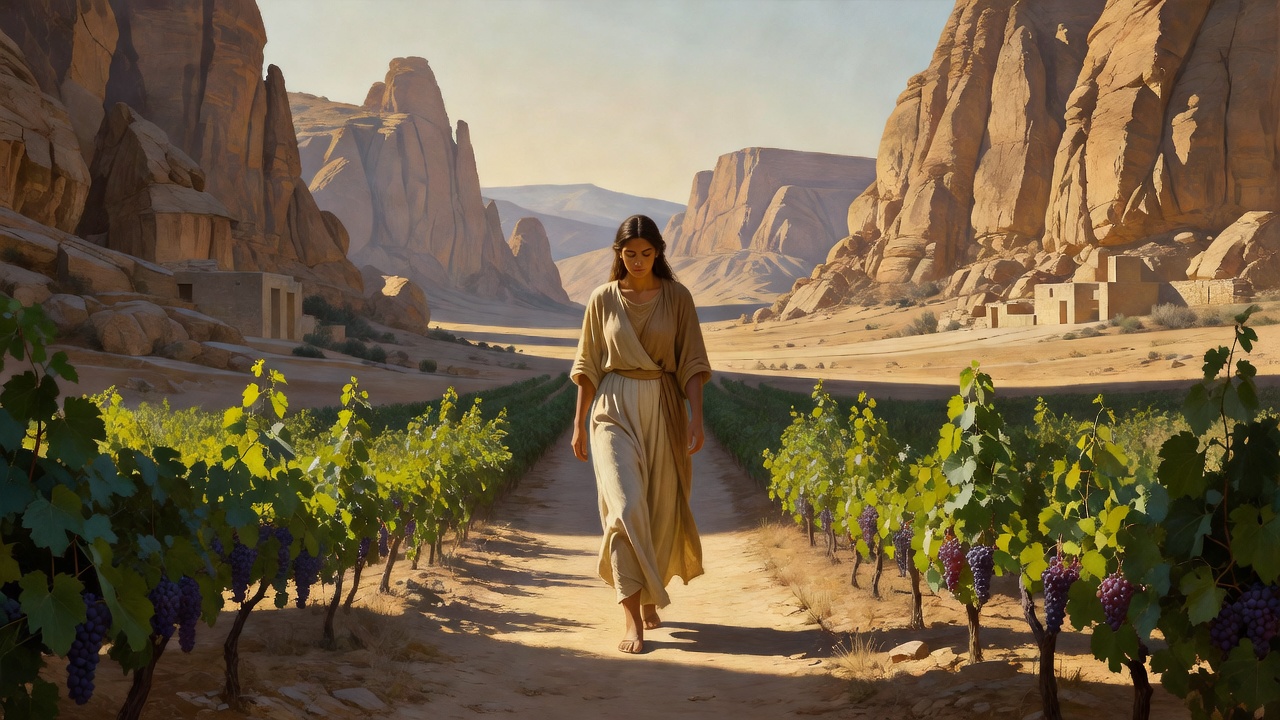
- El valle de Acor, situado cerca de Jericó, recibió su nombre por la aflicción provocada por el pecado de Acán en el libro de Josué. Oseas utiliza este lugar proverbial de calamidad para prometer que un sitio de tragedia pasada se convertirá en una puerta de esperanza.Fuentes: Valley of Achor · el propio texto bíblico
- Baal era el principal dios masculino de los fenicios, cuyo culto se había extendido entre las tribos del norte de Israel. Oseas refuta la idea de que los bienes agrícolas como el grano, el vino, el aceite y la lana provenían de Baal, declarando que eran dones del SEÑOR.Fuentes: Baal · el propio texto bíblico
- Este capítulo anuncia la reversión de los nombres simbólicos de juicio dados anteriormente a los hijos. A quienes se llamaba Sin Compasión se les promete misericordia, y a los llamados No Mi Pueblo se les reconoce nuevamente como pueblo de Dios en un pacto restaurado.Fuentes: el propio texto bíblico
Notas escritas con ayuda de IA a partir de fuentes abiertas (Theographic Bible Metadata, CC BY-SA 4.0; Easton’s Bible Dictionary, dominio público) y revisadas antes de publicarse.
Lugares de este capítulo
- Egypt · 30.129, 31.308 · versículo 15
Solo aparecen lugares identificados con alta confianza (90 % o más según las fuentes académicas reunidas por OpenBible). Mapa de la época: DARE (Digital Atlas of the Roman Empire), CC BY 4.0; mapa actual: © colaboradores de OpenStreetMap; lugares: OpenBible.info (CC BY 4.0).
Créditos y licencia de esta traducción
Bibeli Luayãtaalá
The Holy Bible in the Boko language spoken in Benin and Nigeria
copyright © 2010 SIM International
Language: Boko
Translation by: SIM International
Boko Bibeli Luayãtaala
This translation, published by the SIM au Benin, was published in 2010.
If you are interested in obtaining a printed copy, please contact the SIM at ECWA/SIM H.Q., P.M.B. 2009, Jos, Plateau State, NIGERIA.
This translation text is made available to you under the
terms of the Creative Commons License: Attribution-Noncommercial-No Derivative Works.
( http://creativecommons.org/licenses/by-nc-nd/3.0/ )
In addition, you have permission to port the text to different file formats, as long as you
do not change any of the text or punctuation of the Bible.
You may share, copy, distribute, transmit, and extract portions
or quotations from this work, provided that you include the above copyright
information:
You must give Attribution to the work.
You do not sell this work for a profit.
You do not make any derivative works that change any of the actual words or punctuation of the Scriptures.
Permissions beyond the scope of this license may be
available if you contact
us with your request.
This translation is made available to you under the terms of the
Creative Commons Attribution-Noncommercial-No Derivatives license 4.0.
You may share and redistribute this Bible translation or extracts from it in any format, provided that:
You include the above copyright and source information.
You do not sell this work for a profit.
You do not change any of the words or punctuation of the Scriptures.
Pictures included with Scriptures and other documents on this site are licensed just for use with those Scriptures and documents.
For other uses, please contact the respective copyright owners.
2014-09-25
Fuente: http://ebible.org/bqcsim/ · eBible.org