Gálatas 2
Bibeli Luayãtaalá · Toca un versículo para ver sus referencias cruzadas.
Pↄlu kↄ̃ yãmaa ń zĩna pãleↄ
1Wɛ̃̀ gɛ̃o mɛ̀ndosai gbɛa ma ɛa gɛ Yelusalɛũ ń Baanabao. Ma Titu sɛ̀, à gɛ̀wanↄ lↄ. 2Ma gɛ we, kɛ́ Lua mɛ́ bↄ̀ mↄ̀oa à kũ̀ mà gɛɛ. Ɔ̃ ma baona pↄ́ mi kpa buipãleↄnɛ bↄↄlɛkɛ̀ dↄaanaↄnɛ ńtɛ̃ɛ, kɛ́ zĩ pↄ́ má kɛ̀ ń pↄ́ pↄ́ málɛ kɛo su kɛ pão. 3Titu pↄ́ wá sãnu ń a Gɛlɛkikɛo, aai gãnawà aà tↄ̃zↄ̃o. 4Yesude ɛgɛna pↄ́ gɛ̃̀ wá guu kpã́iↄ mɛ́ aa yã́pi dà. Aa gɛ̃̀ wá naa Kilisi Yesuwa wɛ̃́ɛkɛa tàasikaiɛ. Aa ye wá da zↄbleuɛ, 5ↄ̃ wi we wa misìilɛnɛ́o baa yↄↄ, kɛ́ à e àↄ baona sĩana kũa yã́i. 6Gbɛ̃́ pↄ́ wàlɛ ń gwa dↄaana ũↄ, aai yãe kã́fĩmɛɛo. Lá aa dɛ, i kɛmɛɛ yãe ũo, asa Lua lí gbɛ̃e zãboo. 7Aa è Lua a baonakpaa buipãleↄnɛ nàmɛɛ ma ↄzĩ, lá à a kpaa Yudaↄnɛ nà Piɛɛɛ a ↄzĩwa. 8Asa lá Lua zĩkɛ̀ Piɛɛ guu a zĩnakɛ yã́ musu Yudaↄ kĩ́i, màa à zĩkɛ̀ ma guu buipãleↄ kĩ́i. 9Zaaki ń Piɛɛo ń Zãa pↄ́ wàlɛ ń gwa Lua kpɛ́ gbapɛlɛ ũↄ gbɛ̃kɛ pↄ́ Lua kɛ̀mɛɛ dↄ̃̀, ↄ̃ aa ↄkpàwá, wá ń Baanabao gbɛ̃kɛ vĩa ń kↄ̃o seela ũ. Aa sì wápiↄ wà gɛ́ buipãleↄ kĩ́i, ḿpiↄ sↄ̃ Yudaↄ kĩ́i. 10Yã́ pↄ́ aa yei lé, ń taasideↄ yã́ àↄ dↄwágu. Gↄↄ bee sↄ̃ wá mɛ wã̀ ń a kɛao kↄ̀.
Yesu náaikɛa mɛ́ ì wá suaba
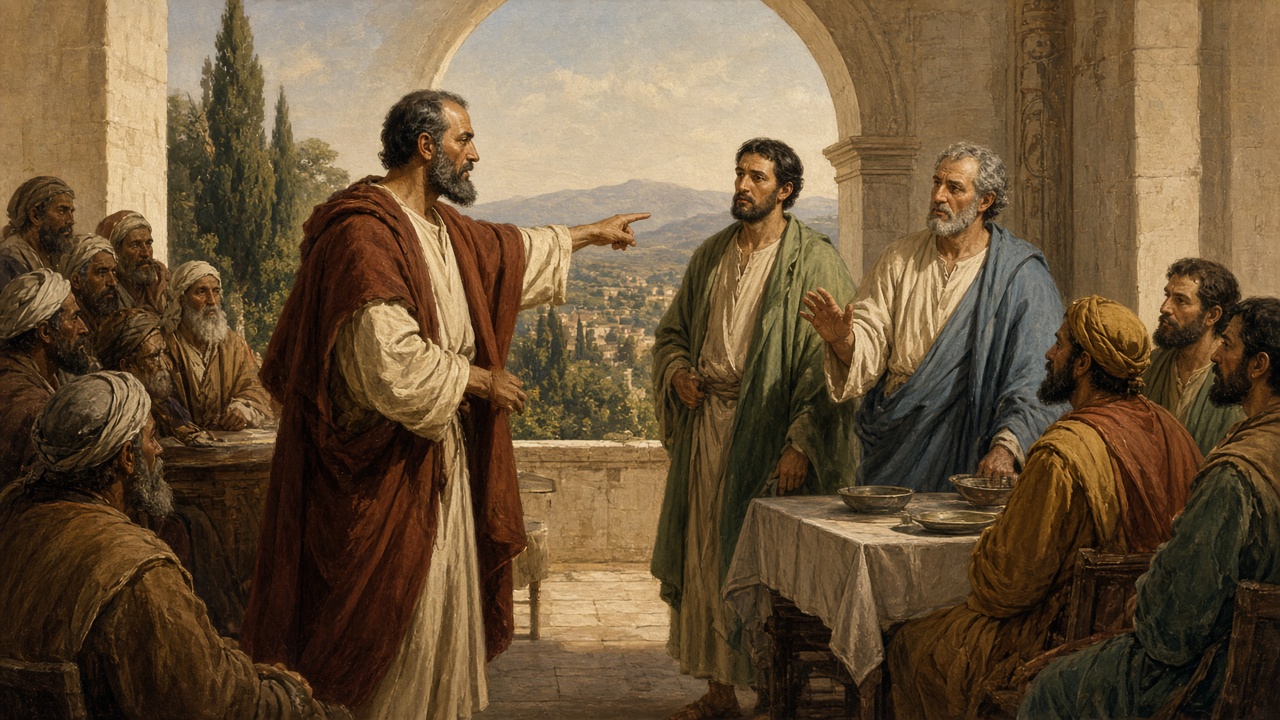
11Kɛ́ Piɛɛ mↄ̀ Antiↄsi, ma giɛ̀ wɛliwɛ kɛ́ à zã̀ yã́wa yã́i. 12Asa e Zaaki zĩnaↄ aaↄ gɛ́ kái, ì pↄble ń buipãleↄɛ. Kɛ́ aa kà, ↄ̃ à bↄ̀zã à kɛ̃̀má, kɛ́ àlɛ vĩakɛ Yuda pↄ́ aa zɛ̀ ń tↄ̃zↄ̃yãoↄnɛ yã́i. 13Yuda kĩniↄ nàwà mↄafilipi guu. Baa se aa Baanaba gà nàmá. 14Kɛ́ má è aa baona sĩana kũa a zɛ́wao, má ò Piɛɛɛ ampii wáa: N Yuda ia ń kú lán buipãlewa, i kɛ lán Yudawa no. Kpelewa ńyↄ̃ fↄ̃ gãna buipãleↄwa aaↄ Yudaↄ yã́ kũai?
15Yudaↄn wá ũ, buipãle pↄ́ aa Lua dↄ̃oↄn wá ũo. 16Ãma wá dↄ̃ kɛ́ gbɛ̃e lí bↄ maa zĩkɛa ikoyãpiwa yã́io, sema Yesu Kilisi náaikɛa ado bàasio. Baa wápiↄ, wa Kilisi Yesu náaikɛ̀, kɛ́ wà e bↄ maa wá Kilisi náaikɛapi yã́iɛ, i kɛ zĩkɛa ikoyãpiwa yã́i no, asa gbɛ̃e lí bↄ maa zĩkɛa ikoyãwa yã́io. 17Gↄↄ pↄ́ wálɛ wɛɛlɛ wà bↄ maa naa Kilisiwa, tó wá è duunkɛnaↄn wá ũ sↄ̃, bee mɛ̀ Kilisi lɛ́ duuna wɛ̃zĩgba yã̀? Aawo! 18Tó ma ɛa lɛ́ ikoyã pↄ́ má gbòo kɛkɛ, a tàaeden ma ũ we. 19Asa má dɛ gɛ ũ ikoyãpi musuɛ, ↄ̃ ma bↄ a yã́u kɛ́ màↄ ku Lua pↄ́ ũ yã́i. Ma ga líwa ń Kilisio. 20Mapi má kú lↄo, Kilisi mɛ́ kú ma guu. Tiasa ma gbɛ̃nazĩnkɛ guu má kú Lua Nɛ́ pↄ́ yemazi à gì a wɛ̃nii ma yã́i náaikɛa guuɛ. 21Málɛ Lua gbɛ̃kɛ bãdɛo. Tó wì bↄ maa ikoyãpi yã́iɛ, Kilisi gà pãɛ.
¿Sabías que…?
Gentiles, comunión y un enfrentamiento en Antioquía
- Tito fue con Pablo y Bernabé a Jerusalén. El Easton's Bible Dictionary (1897) dice que parece haber sido gentil y que su nombre no aparece en Hechos. Pablo escribe que Tito, aunque era griego, no fue obligado a circuncidarse.Fuentes: Titus · el propio texto bíblico
- El enfrentamiento posterior tuvo lugar en Antioquía de Siria, a orillas del Orontes, a unas trescientas millas al norte de Jerusalén. La ciudad ocupaba el tercer lugar entre las ciudades del Imperio romano, después de Roma y Alejandría, y fue allí donde a los creyentes se les llamó cristianos por primera vez.Fuentes: Antioch (Syria) · el propio texto bíblico
- El Easton's Bible Dictionary (1897) describe a Santiago, nombrado con Cefas y Juan como uno de los pilares, como cabeza de la iglesia en Jerusalén, donde presidió el concilio sobre los gentiles. Pablo dice que, antes de que llegaran ciertos hombres de parte de Santiago, Cefas solía comer con los gentiles, pero luego se apartó por temor al grupo de la circuncisión.Fuentes: James (Brother of Jesus) · el propio texto bíblico
Notas escritas con ayuda de IA a partir de fuentes abiertas (Theographic Bible Metadata, CC BY-SA 4.0; Easton’s Bible Dictionary, dominio público) y revisadas antes de publicarse.
Lugares de este capítulo
- Jerusalem · 31.777, 35.234 · versículo 1
- Antioch · Hoy: Antioch on the Orontes · 36.227, 36.172 · versículo 11
Solo aparecen lugares identificados con alta confianza (90 % o más según las fuentes académicas reunidas por OpenBible). Mapa de la época: DARE (Digital Atlas of the Roman Empire), CC BY 4.0; mapa actual: © colaboradores de OpenStreetMap; lugares: OpenBible.info (CC BY 4.0).
Créditos y licencia de esta traducción
Bibeli Luayãtaalá
The Holy Bible in the Boko language spoken in Benin and Nigeria
copyright © 2010 SIM International
Language: Boko
Translation by: SIM International
Boko Bibeli Luayãtaala
This translation, published by the SIM au Benin, was published in 2010.
If you are interested in obtaining a printed copy, please contact the SIM at ECWA/SIM H.Q., P.M.B. 2009, Jos, Plateau State, NIGERIA.
This translation text is made available to you under the
terms of the Creative Commons License: Attribution-Noncommercial-No Derivative Works.
( http://creativecommons.org/licenses/by-nc-nd/3.0/ )
In addition, you have permission to port the text to different file formats, as long as you
do not change any of the text or punctuation of the Bible.
You may share, copy, distribute, transmit, and extract portions
or quotations from this work, provided that you include the above copyright
information:
You must give Attribution to the work.
You do not sell this work for a profit.
You do not make any derivative works that change any of the actual words or punctuation of the Scriptures.
Permissions beyond the scope of this license may be
available if you contact
us with your request.
This translation is made available to you under the terms of the
Creative Commons Attribution-Noncommercial-No Derivatives license 4.0.
You may share and redistribute this Bible translation or extracts from it in any format, provided that:
You include the above copyright and source information.
You do not sell this work for a profit.
You do not change any of the words or punctuation of the Scriptures.
Pictures included with Scriptures and other documents on this site are licensed just for use with those Scriptures and documents.
For other uses, please contact the respective copyright owners.
2014-09-25
Fuente: http://ebible.org/bqcsim/ · eBible.org