Esdras 3
Bibeli Luayãtaalá · Toca un versículo para ver sus referencias cruzadas.
Dii gbagbakĩi boa
1Kɛ́ wɛ̃̀ mↄ soplade kà, Isailiↄ sù zↄ̃̀lɛ ń wɛ̃́lɛↄ guu píi. Ɔ̃ aa kã̀aa Yelusalɛũ lán gbɛ̃́ mɛ̀ndowa. 2Yozada nɛ́ Yesua ń a sa'on deeↄ ń Salatiɛli nɛ́ Zolobabɛlio ń a gbɛ̃́ Isailiↄ Lua gbagbakĩi bò, kɛ́ aa sa pↄ́ wì a pↄ́ kátɛu à tɛ́kũ owà, lá Lua gbɛ̃́ Mↄizi ò a ikoyã guuwa. 3Baa kɛ́ aalɛ vĩakɛ gbɛ̃́ pↄ́ kú bùsupi guuↄnɛ, aa gbagbakĩipi bò a gbɛuɛ, ↄ̃ aa sa pↄ́ wì a pↄ́ kátɛu à tɛ́kũ ò Diiwa kↄↄ ń oosio. 4Aa Lákpɛdↄa dikpɛkɛ̀ lá a ku lápi guuwa, aaìↄ sa pↄ́ wì a pↄ́ kátɛu à tɛ́kũ o lá gu lɛ́ dↄ, lá wà a lɛ́ dìlɛwa. 5Bee gbɛa aa sa pↄ́ wìↄ o gↄↄpii ò ń mↄ dafu pↄ́o ń dikpɛ pↄ́ Dii dìlɛↄ pↄ́o ń gba pↄ́ wì mↄoɛ̀ↄ. 6Mↄ soplade gↄↄ sɛ̃́ia zĩ́ ↄ̃ aa nà Dii gbagbaawa màa, baa kɛ́ wi aà kpɛ́ dↄ yãao.
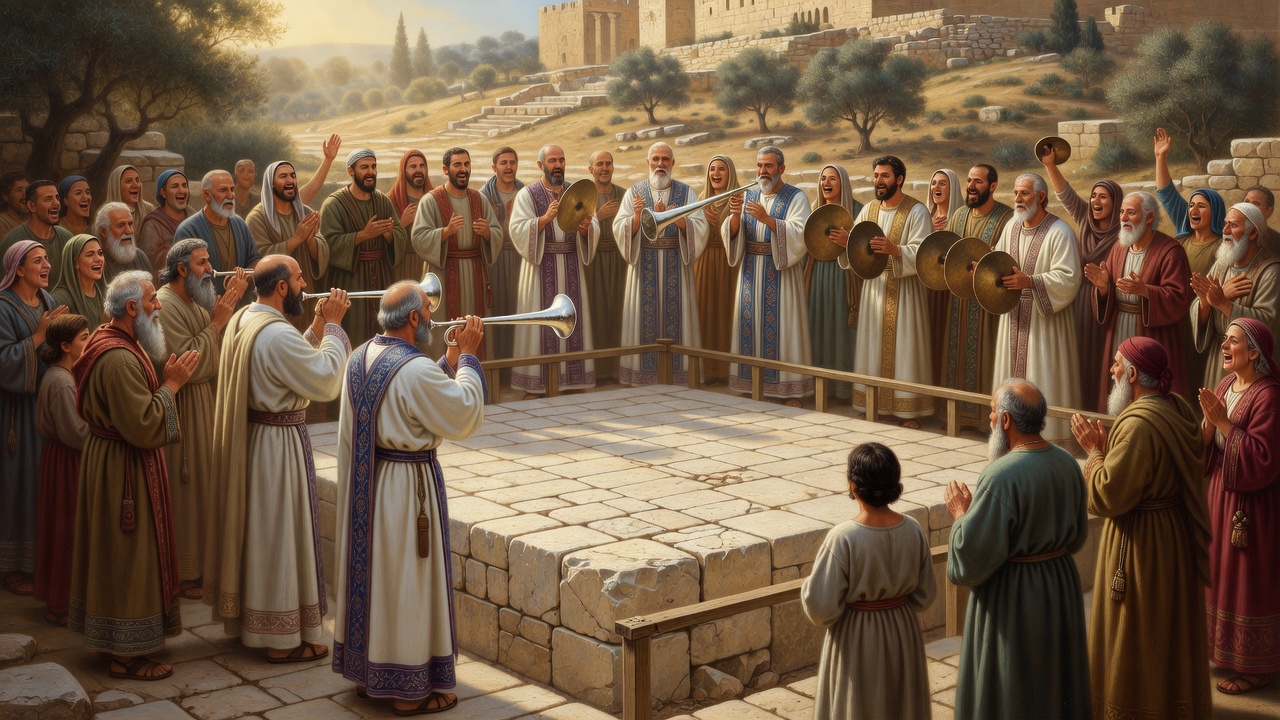
7Aa ↄ̃a kpà gbɛ̀'ãnaↄ ń li'ãnaↄwa, ↄ̃ aa pↄblea ń imiao ń nísio kpà Sidↄ̃deↄ ń Tiideↄwa, kɛ́ aa sɛdɛ lí zↄ̃zↄ̃ Libã bùsuu, aa yeye gɛò Zope daa ísiaa, lá Pɛɛsiↄ kía Kilusi ń gbá zɛ́wa. 8An kaa Lua kpɛ́ dↄkĩi Yelusalɛũ wɛ̃̀ plaade mↄ plaade guu, Salatiɛli nɛ́ Zolobabɛli ń Yozada nɛ́ Yesuao nà zĩwa ń ń gbɛ̃́ kĩniↄ, sa'onaↄ ń Levii buiↄ ń gbɛ̃́ pↄ́ bↄ̀ zĩ̀zↄkɛu aa sù Yelusalɛũↄ píi. Aa Levii bui pↄ́ kà wɛ̃̀ bao ge aa dɛaↄ dìlɛ Dii kpɛ́ zĩpi gbɛ̃zↄ̃ↄↄ ũ. 9Yesua ń a buiↄ nàkↄ̃wa ń Kamiɛlio ń aà nɛ́ Odavia buiↄ, ↄ̃ aa gↄ̃̀ zĩpi gbɛ̃zↄ̃ↄↄ ũ ń Enadao ń aà buiↄ. Levii buiↄnɛ ḿpii. 10Kɛ́ Dii kpɛbonaↄ lɛ́ kpɛ́pi ɛ̃ kpálɛ, sa'onaↄ zɛzɛ we sa'on pↄkasaↄ dadaa, aa ń kuuↄ kṹkũa, mɛ́ Levii nɛ́ Asafa buiↄ ku we lↄ ń sɛ̃́sɛ̃naↄ aa Dii táasilɛò, lá Isailiↄ kí Davidi ò yãawa. 11Aa lɛsì aa Dii táasilɛ̀, aa aà sáaukpà aa mɛ̀: Dii maa, aà gbɛ̃kɛkɛa wá Isailiↄnɛ láaa vĩo. Ɔ̃ gbɛ̃́pii wii gbãa lɛ̀ aa Dii táasilɛ̀, kɛ́ wà Dii kpɛ́ ɛ̃ kpàlɛ yã́i. 12Kási sa'on daside ń Levii buiↄ ń uabele pↄ́ zikũ̀ aa wɛsì kpɛ́ káaulɛↄ, kɛ́ aa kpɛ́pi ɛ̃boa è, aa búbuapɛ̀ɛ. Gbɛ̃́ dasideↄ sↄ̃ aalɛ pↄna wii lɛ. 13Gbɛ̃e pↄna wii dↄ̃kↄ̃ɛ ń búbua pↄ́ wàlɛ pɛ́o lↄo, kɛ́ baade lɛ́ wii gbãa lɛ yã́i, mɛ́ wà kↄ̃fĩpi mà zã̀.
¿Sabías que…?
Reconstrucción del altar y cimientos del templo
- Los exiliados que regresaron restablecieron el culto sacrificial en el monte del templo antes de comenzar las grandes obras de construcción. Encabezados por Zorobabel y el sacerdote Jesúa, reconstruyeron el altar en su sitio original para reanudar las ofrendas diarias y celebrar la Fiesta de los Tabernáculos antes de colocar los cimientos del templo.Fuentes: el propio texto bíblico · Zerubbabel · Joshua
- Para obtener madera para la reconstrucción, la comunidad pagó a albañiles y carpinteros, y envió alimento, bebida y aceite a Tiro y Sidón para transportar por mar cedros del Líbano hasta el puerto de Jope, según lo autorizado por Ciro, rey de Persia.Fuentes: el propio texto bíblico · Lebanon · Joppa · Cyrus
- La colocación de los cimientos de la casa del Señor provocó reacciones intensas y encontradas. Mientras muchos prorrumpían en aclamaciones de gozo al compás de trompetas y címbalos, los sacerdotes, levitas y jefes de familia de más edad que habían conocido el primer templo lloraban a gran voz.Fuentes: el propio texto bíblico
Notas escritas con ayuda de IA a partir de fuentes abiertas (Theographic Bible Metadata, CC BY-SA 4.0; Easton’s Bible Dictionary, dominio público) y revisadas antes de publicarse.
Lugares de este capítulo
- Jerusalem · 31.777, 35.234 · versículos 1, 8
- Great Sea · Hoy: Mediterranean Sea · 31.805, 34.170 · versículo 7
- Joppa · Hoy: Jaffa · 32.054, 34.753 · versículo 7
- Lebanon · 33.540, 35.584 · versículo 7
- Persia · 34.806, 48.516 · versículo 7
- Sidon · Hoy: Sandikli archaeological site in Sidon · 33.561, 35.372 · versículo 7
- Tyre · 33.271, 35.196 · versículo 7
Solo aparecen lugares identificados con alta confianza (90 % o más según las fuentes académicas reunidas por OpenBible). Mapa de la época: DARE (Digital Atlas of the Roman Empire), CC BY 4.0; mapa actual: © colaboradores de OpenStreetMap; lugares: OpenBible.info (CC BY 4.0).
Créditos y licencia de esta traducción
Bibeli Luayãtaalá
The Holy Bible in the Boko language spoken in Benin and Nigeria
copyright © 2010 SIM International
Language: Boko
Translation by: SIM International
Boko Bibeli Luayãtaala
This translation, published by the SIM au Benin, was published in 2010.
If you are interested in obtaining a printed copy, please contact the SIM at ECWA/SIM H.Q., P.M.B. 2009, Jos, Plateau State, NIGERIA.
This translation text is made available to you under the
terms of the Creative Commons License: Attribution-Noncommercial-No Derivative Works.
( http://creativecommons.org/licenses/by-nc-nd/3.0/ )
In addition, you have permission to port the text to different file formats, as long as you
do not change any of the text or punctuation of the Bible.
You may share, copy, distribute, transmit, and extract portions
or quotations from this work, provided that you include the above copyright
information:
You must give Attribution to the work.
You do not sell this work for a profit.
You do not make any derivative works that change any of the actual words or punctuation of the Scriptures.
Permissions beyond the scope of this license may be
available if you contact
us with your request.
This translation is made available to you under the terms of the
Creative Commons Attribution-Noncommercial-No Derivatives license 4.0.
You may share and redistribute this Bible translation or extracts from it in any format, provided that:
You include the above copyright and source information.
You do not sell this work for a profit.
You do not change any of the words or punctuation of the Scriptures.
Pictures included with Scriptures and other documents on this site are licensed just for use with those Scriptures and documents.
For other uses, please contact the respective copyright owners.
2014-09-25
Fuente: http://ebible.org/bqcsim/ · eBible.org