Ester 8
Bibeli Luayãtaalá · Toca un versículo para ver sus referencias cruzadas.
Kí yãpãle dilɛa Yudaↄ yã́ musu
1Gↄↄbeezĩ kí Aasuelu Yudaↄ wɛ̀lɛ Amani bɛ kpà a na Ɛsitɛɛwa. Ɛsitɛɛ ò kíɛ Maadose mɛ́ a daɛ ũ, ↄ̃ Maadose sↄ̃̀ kízi. 2Kí a tãana pↄ́ à ɛ̀a sì Amaniwa bↄ̀ à dà Maadoseɛ, ↄ̃ Ɛsitɛɛ Amani bɛ nàɛ̀ aà ↄzĩ.
3Ɛsitɛɛ ɛ̀a gɛ̀ yã'oi kíɛ lↄ. À wùlɛ aà gbázĩ, aà wɛ́'i lɛ́ kwɛ́, à awakpàɛ̀ aà vãi pↄ́ Agaga bui Amani a lɛkpàaĩ Yudaↄzi gboo. 4Kí vua gopana dↄ̀ɛ̀, ↄ̃ à fɛ̀lɛ zɛ̀ aà aɛ 5à mɛ̀: Tó n ma wɛgwà, mɛ́ ma yã́ kànguɛ, tó yã́ɛ bee kɛ̀nɛ zɛ́ vĩ, mɛ́ ma yã́ kànguɛ, lá Amɛdata nɛ́ Amani, Agaga bui, zɛ̀ò à Yuda pↄ́ kú n bùsuuↄ dɛdɛ píiɛ, o n lakɛ̃naↄnɛ aa lákɛ̃ aa Amani yã́pi fuangba. 6Má fↄ̃ yã́ pↄ́ a yìa ma gbɛ̃́ↄwapi gwao. Má fↄ̃ wɛsi ma buiↄ dɛdɛalɛo. 7Ɔ̃ kí Aasuelu ò a na Ɛsitɛɛɛ ń Maadoseo: À gwa, ma Amani bɛ kpà Ɛsitɛɛwa, ↄ̃ ma Amanipi lòo líwa, kɛ́ à vãikpàaĩ ń Yudaↄ yã́i. 8À lákɛ̃ Yudaↄ yã́ musu lá à kɛ̀ɛ́ maawa. À kɛ̃́ ń ma tↄ́o, í ma tãana seela kɛwà, asa lá pↄ́ wa kɛ̃̀ ń ma tↄ́o wà ma tãana seela kɛ̀wà suumpaa vĩo. 9Wegↄ̃ↄ aa kí lakɛ̃naↄ sìsi. Mↄ àaↄ̃de Sivã gↄↄ bao ń àaↄ̃ode zĩ́ ↄ̃ aa yã́ pↄ́ Maadose dìlɛ Yudaↄnɛ ń kí ìwaↄ ń kíaↄ ń bùsu gbãadeↄ kɛ̃̀ píi bùsu mɛ̀n basoolo ń soplaoↄnɛ sɛa za India bùsuu e à gɛ̀ pɛ̀ Etiopi bùsuwa. Aa lakɛ̃ bùsu ń bùsuo ń a lákɛ̃ao, bui ń buio ń ń buiyão. Aa lakɛ̃ Yudaↄnɛ lá aaì lákɛ̃wa ń ń buiyão lↄ. 10Maadose kɛ̃̀ ń kí Aasuelu tↄ́o, à kí tãana seela kɛ̀wà, à lápiↄ nà zĩnaↄnɛ ń ↄzĩ, ↄ̃ aa dì sↄ̃koelɛɛna pↄ́ bↄ̀ kí sↄ̃gↄ̃u guuↄ kpɛ aa gɛ̀ò.
11Yã́ pↄ́ kí dìlɛpi Yuda pↄ́ kú wɛ̃́lɛ ń wɛ̃́lɛoↄ gbà zɛ́ aa kↄ̃ kãaa aa gí ń ńzĩao. À ń gba zɛ́ aa bui ge bùsu zĩgↄ̃ pↄ́ íbɛlɛsɛ̀ńnↄ ń ń nɛ́ↄ ń ń nↄɛↄ kɛ́ aa ń pↄ́ↄ sɛ́lɛↄ dɛdɛ, aa ń míↄnzↄ̃ aa ń midɛ. 12À ń gba zɛ́ aa bee kɛ kí Aasuelu bùsu daside guu píi mↄ kuɛplade pↄ́ wì mɛ Adaa gↄↄ kuɛ'aaↄ̃dezĩ. 13Wà yã́ pↄ́ a dìlɛpi lá kpã̀sã bùsu ń bùsuoɛ píi ikoyã ũ. Wà a kpàwakɛ̀ bui píiɛ, kɛ́ Yudaↄ aaↄ ku sↄu guu aa yã́yia ń ibɛɛↄwa gↄↄ bee yã́i. 14Kí yãdilɛapi yã́i zĩnaↄ kɛ̀ kpakpa dia kí sↄ̃koelɛɛnaↄ kpɛ, aa gɛ̀. Ɔ̃ wà yã́pi kpàwakɛ̀ Susa mɛɛwiau. 15Maadose bↄ̀ kibɛ kíakɛ pↄ́ pua ń pↄ́ búunao daa, a kíafua zↄ̃ↄ pↄ́ wa pì ń vuao kpaa. A bàabaa gomusu tɛ̃a daa lↄ, ↄ̃ Susadeↄ gulakɛ̀ ń pↄnao. 16Gu pù Yudaↄnɛ gↄↄ bee, aalɛ pↄnakɛ ń yaalↄo, asa wà ń gbá gbãaɛ. 17Bùsu ń bùsuo wɛ̃́lɛ ń wɛ̃́lɛo, gu pↄ́ kí yã́ pↄ́ a dìlɛpi lè píi Yudaↄ pↄnakɛ̀ ń yaalↄo, aa dikpɛkɛ̀ ń blɛbleao. Buipãleↄ gↄ̃̀ Yudaↄ ũ dasi, kɛ́ vĩa ń kṹ Yudaↄ yã́ musu yã́i.
¿Sabías que…?
Un contradecreto real y la elevación de Mardoqueo
- Según la costumbre persa, un decreto oficial redactado en nombre del rey y sellado con el anillo real no podía ser revocado. Como el decreto anterior de Amán no podía anularse, el rey Asuero permitió a Ester y a Mardoqueo emitir una nueva orden que autorizaba a los judíos de todo el imperio a reunirse y defenderse.Fuentes: el propio texto bíblico · Ahasuerus
- El Imperio persa abarcaba 127 provincias, extendiéndose desde la India —la región en torno al río Indo— hasta Cus o Etiopía, al sur de Egipto. Los escribas reales tradujeron el decreto de Mardoqueo a la escritura y lengua propias de cada provincia, y correos en veloces caballos reales partieron a distribuirlo.Fuentes: el propio texto bíblico · India · Ethiopia
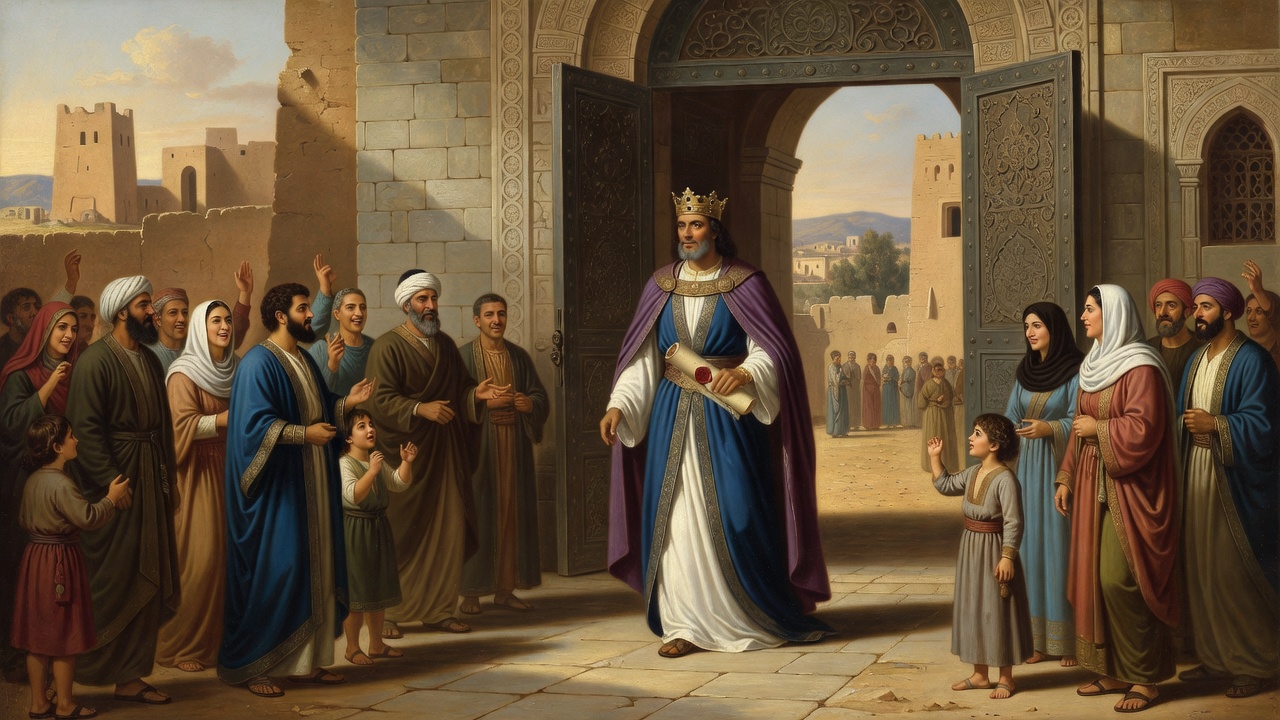
- Mardoqueo recibió el anillo de sellar del rey que antes pertenecía a Amán y fue puesto a cargo de sus propiedades. Cuando se publicó el decreto, salió de la presencia del rey vestido con vestiduras reales de azul y blanco, una gran corona de oro y un manto de púrpura, lo que causó regocijo en Susa.Fuentes: el propio texto bíblico · Mordecai · Susa
Notas escritas con ayuda de IA a partir de fuentes abiertas (Theographic Bible Metadata, CC BY-SA 4.0; Easton’s Bible Dictionary, dominio público) y revisadas antes de publicarse.
Lugares de este capítulo
- Ethiopia · 16.935, 33.751 · versículo 9
- India · 23.994, 67.431 · versículo 9
- Susa · Hoy: Shush · 32.189, 48.258 · versículos 14, 15
Solo aparecen lugares identificados con alta confianza (90 % o más según las fuentes académicas reunidas por OpenBible). Mapa de la época: DARE (Digital Atlas of the Roman Empire), CC BY 4.0; mapa actual: © colaboradores de OpenStreetMap; lugares: OpenBible.info (CC BY 4.0).
Créditos y licencia de esta traducción
Bibeli Luayãtaalá
The Holy Bible in the Boko language spoken in Benin and Nigeria
copyright © 2010 SIM International
Language: Boko
Translation by: SIM International
Boko Bibeli Luayãtaala
This translation, published by the SIM au Benin, was published in 2010.
If you are interested in obtaining a printed copy, please contact the SIM at ECWA/SIM H.Q., P.M.B. 2009, Jos, Plateau State, NIGERIA.
This translation text is made available to you under the
terms of the Creative Commons License: Attribution-Noncommercial-No Derivative Works.
( http://creativecommons.org/licenses/by-nc-nd/3.0/ )
In addition, you have permission to port the text to different file formats, as long as you
do not change any of the text or punctuation of the Bible.
You may share, copy, distribute, transmit, and extract portions
or quotations from this work, provided that you include the above copyright
information:
You must give Attribution to the work.
You do not sell this work for a profit.
You do not make any derivative works that change any of the actual words or punctuation of the Scriptures.
Permissions beyond the scope of this license may be
available if you contact
us with your request.
This translation is made available to you under the terms of the
Creative Commons Attribution-Noncommercial-No Derivatives license 4.0.
You may share and redistribute this Bible translation or extracts from it in any format, provided that:
You include the above copyright and source information.
You do not sell this work for a profit.
You do not change any of the words or punctuation of the Scriptures.
Pictures included with Scriptures and other documents on this site are licensed just for use with those Scriptures and documents.
For other uses, please contact the respective copyright owners.
2014-09-25
Fuente: http://ebible.org/bqcsim/ · eBible.org