Hechos 15
Bibeli Luayãtaalá · Toca un versículo para ver sus referencias cruzadas.
Lɛkpaaĩa Yelusalɛũ
1Gbɛ̃eↄ bↄ̀ Yude aa mↄ̀ Antiↄsi, ↄ̃ aa yãdà Yesudeↄnɛ aa mɛ̀: Tó i tↄ̃zↄ̃ lá Mↄizi dìlɛwao, á zia'eo. 2Pↄlu ń Baanabao zↄadↄ̀má aa lɛkpaakɛ̀ńnↄ maamaa yã́pi musu. Ɔ̃ Yesudeↄ zɛ̀ò Pↄlu ń Baanabao ń ń gbɛ̃eↄ gɛ́ Yelusalɛũ yã́pi gↄ̃́gↄ̃i ń zĩnaↄ ń gbɛ̃zↄ̃ↄↄ. 3Aa gɛ̀ zɛ̀nɛ́, ↄ̃ aa pã̀ Fenisi ń Samalio bùsuↄla. Aa buipãleↄ nↄ̀sɛlilɛa yã́ dàu a sìu ń gbɛ̃́ↄnɛ we, ↄ̃ an pↄ kɛ̀na zↄ̃ↄ. 4Kɛ́ aa kà Yelusalɛũ, Yesudeↄ ń zĩnaↄ ń gbɛ̃zↄ̃ↄↄ gbãakpàńzi, ↄ̃ aa yã́ pↄ́ Lua kɛ̀nɛ́ píi baokpànɛ́. 5Ɔ̃ Falisi Yesudeeↄ fɛ̀lɛ mɛ̀: Sema buipãleↄ tↄ̃zↄ̃, wi onɛ́ aaↄ Mↄizi ikoyã kũa. 6Ɔ̃ zĩnaↄ ń gbɛ̃zↄ̃ↄↄ kↄ̃ kã̀aa, aalɛ yã́pi gwa. 7Kɛ́ lɛkpaaĩa gbã̀akũ̀, Piɛɛ fɛ̀lɛ zɛ̀ a ònɛ́: Ma gbɛ̃́ↄ, á dↄ̃ kɛ́ Lua ma dilɛ á guu à gɛ̃̀gɛ̃, kɛ́ buipãleↄ Yesu bao ma ma lɛ́u, aai aà náaikɛ. 8Lua dee gbɛ̃́pii nↄ̀sɛ dↄ̃, ↄ̃ à ń gbá a Nisĩna a siańnↄ seela ũ, lá à wá gbáwa. 9Lua i ń dilɛ dodoa ń wápiↄo. À ń nↄ̀sɛ pìpinɛ́, kɛ́ aa Yesu náaikɛ̀ yã́i. 10Bↄ́yãi álɛ Lua wɛi tiai? Aso pↄ́ wá deziↄ fùa sɛ́i ń wápiↄ ↄ̃ á ye dinɛ́a? 11Màa no! Wá a náai vĩ kɛ́ wá bↄ Dii Yesu gbɛ̃kɛ yã́iɛ, lá ampiↄwa sↄ̃.
12Gbɛ̃́ↄ kɛ̀ kílikili píi, ↄ̃ aa swãkpà Baanaba ń Pↄluozi, aalɛ seelaↄ ń dabudabu pↄ́ Lua kɛ̀nɛ́ buipãleↄ guuↄ o. 13Kɛ́ aa yã'ò aa làa, Zaaki fɛ̀lɛ yãsɛ̀ à mɛ̀: Ma gbɛ̃́ↄ, à ma yãma. 14Simↄↄ ò lá Lua dↄ̀aa buipãleↄ wɛgwà, ↄ̃ à gbɛ̃́ↄ sɛ̀ ń guu a pↄ́ ũ. 15Ãnabiↄ yã́ↄ kↄ̃sɛ̀ ń beeo, asa aa mɛ̀:
16Bee gbɛa má ɛa mↄ Davidi bɛzĩ bo,
mí a gufooↄ kɛkɛ tata lↄ,
17kɛ́ buipãleↄ ma kĩ́i wɛɛlɛ,
gbɛ̃́ pↄ́ ma ń sisi ma ń sɛ́piↄ píi.
18Dii pↄ́ lɛ́ yã́pi kɛ mɛ́ ò,
a tò wa yã́pi dↄ̃ za káau.
19Ayãmɛto má è a maa wà yã́ zĩ'ũ dilɛ buipãle pↄ́ aa zɛ̀ ń Luaoↄnɛo. 20Wà lákɛ̃nɛ́ aa mikɛ̃ pↄ́ pↄ́ gbãlɛ̀ tã́a kĩ́iwa ń gbãsĩkɛao ń nↄ̀ↄ kòlokpasaio ń kpàao. 21Asa à gɛ̃̀gɛ̃ wìↄ Mↄizi lá kyokɛ lousisikpɛↄ guu kã́mabogↄↄzĩ píi, wìↄ aà yã́ waasokɛ wɛ̃́lɛ ń wɛ̃́lɛo.
Zĩnaↄ gbɛ̃́ↄ zĩa buipãle Yesudeↄwa
22Ɔ̃ zĩnaↄ ń gbɛ̃zↄ̃ↄↄ ń Yesudeↄ píi zɛ̀ò wà gbɛ̃́ↄ sɛ́ ń guu, wà ń zĩ Antiↄsi ń Pↄluo ń Baanabao. Ɔ̃ aa ń dↄaanaeↄ sɛ̀, Yuda pↄ́ wì mɛɛ̀ Baasaba ń Silivɛ̃ɛo. 23Wà taala dìnɛ́, yã́ pↄ́ wa kɛ̃̀ a guu mɛ̀: Wá zĩnaↄ ń gbɛ̃zↄ̃ↄↄ wa fↄkpà wá gbɛ̃́ pↄ́ aa dɛ buipãleↄ ũ Antiↄsi ń Sili bùsuo ń Silisi bùsuoↄwa. 24Wá mà wá gbɛ̃eↄ gɛ̀ á kĩ́i aa á nↄ̀sɛ ↄ̃̀ↄkpàɛ́, aa á dá bíliu ń yã'oa guu. Wá lɛ́ kú a guuo, 25ↄ̃ wa lɛdoũkɛ̀ wa zɛò kɛ́ wà gbɛ̃́ↄ sɛ wà ń zĩwá ń wá gbɛ̃́ yenzideↄ Baanaba ń Pↄlu 26pↄ́ aa gì ń wɛ̃nii wá Dii Yesu Kilisi tↄbↄa yã́io. 27Ayãmɛto wálɛ Yuda ń Silivɛ̃ɛo zĩwá, aa yã́ pↄ́ wá kɛ̃̀ láu oɛ́ ń lɛ́o. 28Asa Lua Nisĩna ń wápiↄ wa zɛò wà asoe diɛ́o, sema a pↄ́ zɛvĩɛ beeↄ. 29À mikɛ̃ nↄ̀ↄ pↄ́ wà sa'òò tã́awa soawa ń kpàao ń nↄ̀ↄ kòlokpasaio ń gbãsĩkɛao. A maa à mikɛ̃ beeↄwa. Wà kↄ̃'e aafia!
30Ɔ̃ wà ń gbáɛ, aa gɛ̀ Antiↄsi. Aa Yesudeↄ kã̀aa píi, ↄ̃ aa lápi kpàmá. 31Kɛ́ aa a kyokɛ̀, ↄ̃ an pↄ kɛ̀na maamaa ń nↄ̀sɛ níniyãpio. 32Yuda ń Silivɛ̃ɛoá ãnabiↄnɛ, ↄ̃ aa lɛdà ń gbɛ̃́piↄwa maamaa, aa ń gbá gbãa. 33Kɛ́ aa gↄↄplakɛ̀ we, Yesudeↄ lɛzàmá, ↄ̃ aa tà ń zĩnaↄ kĩ́i aafia. 34Pↄlu ń Baanabao gↄ̃̀ Antiↄsi. Ń gbɛ̃́ dasi pãleↄ aa Dii yãdànɛ́ aa baonakpànɛ́.
Pↄlu wɛ̃́lɛgɛa gɛ̃n plaade
36Gↄↄpla gbɛa Pↄlu ò Baanabaɛ: Wà ɛa gɛ́ Yesudeↄ gwai wɛ̃́lɛ pↄ́ wa Dii yã́ waasokɛ̀u yãaↄ guu, wíↄ dↄ̃ lá aa dɛ. 37Baanaba ye Zãa Maaku sɛ aà gɛ́ńnↄ, 38ↄ̃ Pↄlu lɛ́ e a maa wà gbɛ̃́ pↄ́ kɛ̃̀má Pãmfili, i tɛ́ńzi ń zĩ guuo sɛ lↄo. 39Aai makↄ̃ɛo, ↄ̃ aa kɛ̃̀kↄ̃wa. Baanaba Maaku sɛ̀ aa gɛ̃̀ gó'ilɛnau aa gɛ̀ Sipi. 40Ɔ̃ Pↄlu Silivɛ̃ɛ sɛ̀. Yesudeↄ ń ná Diiɛ a ↄzĩ aà gbɛ̃kɛkɛnɛ́, ↄ̃ aa dàzɛu. 41Aa pã̀ Sili ń Silisiola, aa Yesudeↄ gbà gbãa.
¿Sabías que…?
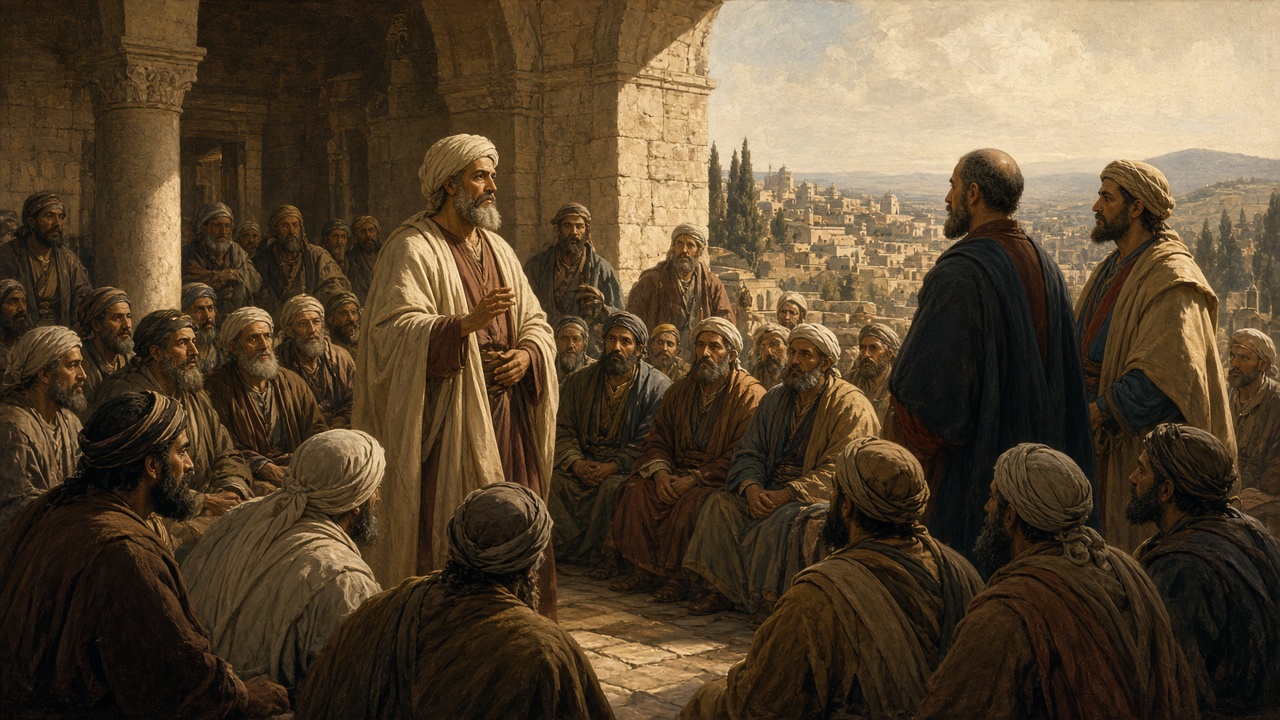
El concilio sobre los creyentes gentiles
- La controversia comenzó en Antioquía, a orillas del Orontes, unas trescientas millas al norte de Jerusalén, ciudad que entonces ocupaba el tercer lugar entre las ciudades del Imperio romano, después de Roma y Alejandría. De camino al concilio, Pablo y Bernabé pasaron por Fenicia, una franja costera de unas ciento veinte millas, y por Samaria. Una nota cronológica fecha el Concilio de Jerusalén en el año 46 d. C.Fuentes: Antioch (Syria) · Phenicia · el propio texto bíblico · Jerusalem Council
- El Easton's Bible Dictionary (1897) afirma que Santiago, a quien llama hermano o pariente cercano de Jesús, dirigía la iglesia en Jerusalén y presidió el concilio sobre los gentiles. La carta que siguió iba dirigida a los creyentes gentiles de Antioquía, Siria y Cilicia. Cilicia, provincia de origen de Pablo y provincia marítima romana en el sureste de Asia Menor desde el 67 a. C., incluía su ciudad natal, Tarso.Fuentes: James (Brother of Jesus) · el propio texto bíblico · Cilicia · Paul
- Judas, llamado Barsabás, y Silas, también conocido como Silvano, eran profetas y hombres destacados de la iglesia de Jerusalén, enviados para confirmar en persona la decisión del concilio. Un desacuerdo posterior y agudo por Juan Marcos, primo de Bernabé, separó a los dos misioneros: Bernabé se llevó a Marcos y zarpó hacia Chipre, mientras Pablo eligió a Silas. Una nota cronológica fecha esa separación en el año 47 d. C.Fuentes: el propio texto bíblico · Silas · John Mark · Paul and Barnabas part ways
Notas escritas con ayuda de IA a partir de fuentes abiertas (Theographic Bible Metadata, CC BY-SA 4.0; Easton’s Bible Dictionary, dominio público) y revisadas antes de publicarse.
Lugares de este capítulo
- Antioch · Hoy: Antioch on the Orontes · 36.227, 36.172 · versículos 1, 22, 23, 30, 35
- Judea · Hoy: Judea 1 · 31.777, 35.234 · versículo 1
- Jerusalem · 31.777, 35.234 · versículos 2, 3, 4, 22, 23, 33
- Phoenicia · 33.271, 35.196 · versículo 3
- Samaria · Hoy: Samaria 2 · 32.276, 35.195 · versículo 3
- Cilicia · 36.913, 34.892 · versículos 23, 41
- Syria · Hoy: Syria 2 · 33.511, 36.306 · versículos 23, 41
- Pamphylia · 37.000, 31.000 · versículo 38
- Cyprus · 35.000, 33.000 · versículo 39
Solo aparecen lugares identificados con alta confianza (90 % o más según las fuentes académicas reunidas por OpenBible). Mapa de la época: DARE (Digital Atlas of the Roman Empire), CC BY 4.0; mapa actual: © colaboradores de OpenStreetMap; lugares: OpenBible.info (CC BY 4.0).
Créditos y licencia de esta traducción
Bibeli Luayãtaalá
The Holy Bible in the Boko language spoken in Benin and Nigeria
copyright © 2010 SIM International
Language: Boko
Translation by: SIM International
Boko Bibeli Luayãtaala
This translation, published by the SIM au Benin, was published in 2010.
If you are interested in obtaining a printed copy, please contact the SIM at ECWA/SIM H.Q., P.M.B. 2009, Jos, Plateau State, NIGERIA.
This translation text is made available to you under the
terms of the Creative Commons License: Attribution-Noncommercial-No Derivative Works.
( http://creativecommons.org/licenses/by-nc-nd/3.0/ )
In addition, you have permission to port the text to different file formats, as long as you
do not change any of the text or punctuation of the Bible.
You may share, copy, distribute, transmit, and extract portions
or quotations from this work, provided that you include the above copyright
information:
You must give Attribution to the work.
You do not sell this work for a profit.
You do not make any derivative works that change any of the actual words or punctuation of the Scriptures.
Permissions beyond the scope of this license may be
available if you contact
us with your request.
This translation is made available to you under the terms of the
Creative Commons Attribution-Noncommercial-No Derivatives license 4.0.
You may share and redistribute this Bible translation or extracts from it in any format, provided that:
You include the above copyright and source information.
You do not sell this work for a profit.
You do not change any of the words or punctuation of the Scriptures.
Pictures included with Scriptures and other documents on this site are licensed just for use with those Scriptures and documents.
For other uses, please contact the respective copyright owners.
2014-09-25
Fuente: http://ebible.org/bqcsim/ · eBible.org