2 Samuel 5
Bibeli Luayãtaalá · Toca un versículo para ver sus referencias cruzadas.
Davidi kpaa Isailiↄ kpalau
1Isailiↄ mↄ̀ ń buiwa píi Davidi kĩ́i Hɛblↄ̃ aa mɛ̀: Wá au doũɛ. 2Za zi gↄↄ pↄ́ Saulu dɛ wá kía ũ, ḿmɛ ni dↄaawɛ̃ɛ zĩlau, gɛa ń suao. Ɔ̃ Dii ònɛ ḿmɛ ńyↄ̃ↄ dɛ a gbɛ̃́ Isailiↄ dↄaana ũ, an kía ũ. 3Kɛ́ Isaili gbɛ̃zↄ̃ↄↄ mↄ̀ kí Davidi kĩ́i Hɛblↄ̃ ḿpii, we à lɛdoũkɛ̀uńnↄ Dii aɛ, ↄ̃ aa nísikà aà miwa, aa aà kpà Isailiↄ kpalau. 4Davidi wɛ̃̀ baakwide guu ↄ̃ à kpalablè, à kɛ̀ kpalapiu wɛ̃̀ blaɛ. 5A dɛ Yudaↄ kía ũ Hɛblↄ̃ wɛ̃̀ sopla ń mↄ soolooɛ, ↄ̃ a dɛ Yudaↄ ń Isailiↄ píi kía ũ Yelusalɛũ wɛ̃̀ baakwi ń àaↄ̃o.
6Kí ń a gbɛ̃́ↄ tↄ̃̀u Yelusalɛũ zĩkai ń Yebusi pↄ́ kú weↄ. Ɔ̃ aa ò Davidiɛ: Ńyↄ̃ gɛ̃ lao, baa vĩ̀aↄ ń ɛɛↄ aa n yaɛ. Aalɛ e Davidi a e gɛ̃ weo. 7Ń beeo Davidi wɛ̃́lɛ bĩ́ide pↄ́ wì mɛ lↄ Siↄnapi sì, ↄ̃ à gↄ̃̀ aà wɛ̃́lɛ ũ. 8Gↄↄ bee Davidi mɛ̀: Tó gbɛ̃́ ye Yebusiↄ dɛdɛ, sema aà gɛ̃ ízɛ pↄ́ wa sↄ̀ gbɛu guu, i ɛɛↄ ń vĩ̀apiↄ le. Davidi ibɛɛↄnɛ. A yã́i wì mɛ vĩ̀aↄ ń ɛɛↄ gɛ̃ kibɛo. 9Ɔ̃ Davidi bɛkpà wɛ̃́lɛ bĩ́idepiu, à azĩa tↄ́ kpàɛ̀ Davidi Wɛ̃́lɛ. À kpɛ́ↄ dↄ̀dↄ a lìai za gu pↄ́ wà ɛ kàkau wì mɛ Milo e a ɛdau. 10Davidi gbãa lɛ́ dɛdɛɛ, asa Dii Lua Zĩgↄ̃de kuaànↄɛ.
11Tii kí Hilaũ gbɛ̃́ↄ zĩ̀ Davidiwa ń sɛdɛ líↄ ń li'ãnaↄ ń gbɛ̀'ãnaↄ, ↄ̃ aa kpɛdↄ̀ɛ̀. 12Ɔ̃ Davidi dↄ̃̀ sa kɛ́ Dii a kpa Isailiↄ kía ũɛ, mɛ́ à a kpala kã̀fĩɛ, kɛ́ Isailiↄ dɛ Diipi gbɛ̃́ↄ ũ yã́i.
13Davidi bↄa Hɛblↄ̃ gbɛa à ɛ̀a nↄeↄ sɛ̀ Yelusalɛũ lↄ ń nↄɛ pↄ́ i mɛ́sɛdilɛnɛ́oↄ, ↄ̃ à nɛgↄ̃ɛↄ ń nɛnↄɛↄ ìńnↄ. 14Nɛgↄ̃ɛ pↄ́ à ń í Yelusalɛũpiↄ tↄ́n kɛ: Samua, Sobabu, Natã, Salomↄↄ, 15Ibaa, Ɛlisua, Nɛfɛgi, Yafia, 16Ɛlisama, Ɛliada, Ɛlifele.
17Kɛ́ Filitɛ̃ↄ mà wà Davidi kpà Isailiↄ kía ũ, ↄ̃ aa gɛ̀ lɛ́ aà wɛ ḿpii. Kɛ́ à ń bao mà, ↄ̃ à gɛ̀ sɛ̃gbãu. 18Filitɛ̃ↄ zĩ'ↄpòo Lefai guzulɛu, 19ↄ̃ Davidi gbɛ̀a Diiwa à mɛ̀: Mà gɛ́ lɛ́lɛi Filitɛ̃ↄwa, ńyↄ̃ ń namɛɛ ma ↄzĩa? Ɔ̃ Dii wèwà à mɛ̀: Gɛ́, má ń nanɛ ń ↄzĩ. 20Ɔ̃ Davidi gɛ̀ Baali Pelaziũ, à zĩblèmá we. Ɔ̃ à mɛ̀: Dii dↄ̀aamɛɛ, à bↄ̀ mↄ̀ ma ibɛɛↄwa ń gbãao, lá í ì gufↄ̃ bùiwa. Ɔ̃ à tↄkpà gupiɛ Baali Pelaziũ. 21Filitɛ̃ↄ ń tã́aↄ tò we, ↄ̃ Davidi ń a gbɛ̃́ↄ sɛ̀lɛ aa tàò.
22Filitɛ̃ↄ ɛ̀a mↄ̀ lↄ aa zĩ'ↄpòo Lefai guzulɛu. 23Ɔ̃ Davidi ɛ̀a gbɛ̀a Diiwa lↄ. Ɔ̃ Dii wèwà à mɛ̀: Ńsu gɛ́má súsuo. Sɛ́lɛ ń kpɛ oi, ní lɛ́lɛmá bↄaa ń kpɛ̃̀ kpɛ́o. 24Tó a táa'okĩi mà lípiↄ mia, à kɛ kpakpa, asa mámɛ ma bↄ ma dↄaaɛ́ we, kɛ́ mà zĩbleɛ́ Filitɛ̃ zĩgↄ̃ↄwa yã́i. 25Davidi kɛ̀ màa lá Dii òɛwa, ↄ̃ à zĩblè Filitɛ̃ↄwa za Gabaↄ̃ↄ e à gɛ̀ pɛ̀ Gɛzɛɛwa.
¿Sabías que…?
David rey sobre todo Israel y la conquista de Jerusalén
- Después de reinar siete años y medio en Hebrón, David unificó a Israel y conquistó la fortaleza montañosa de Sion a los jebuseos. Renombró la fortaleza como la Ciudad de David y expandió sus defensas a partir del Milo, o terrazas de soporte.Fuentes: el propio texto bíblico · Zion · Millo · Hebron
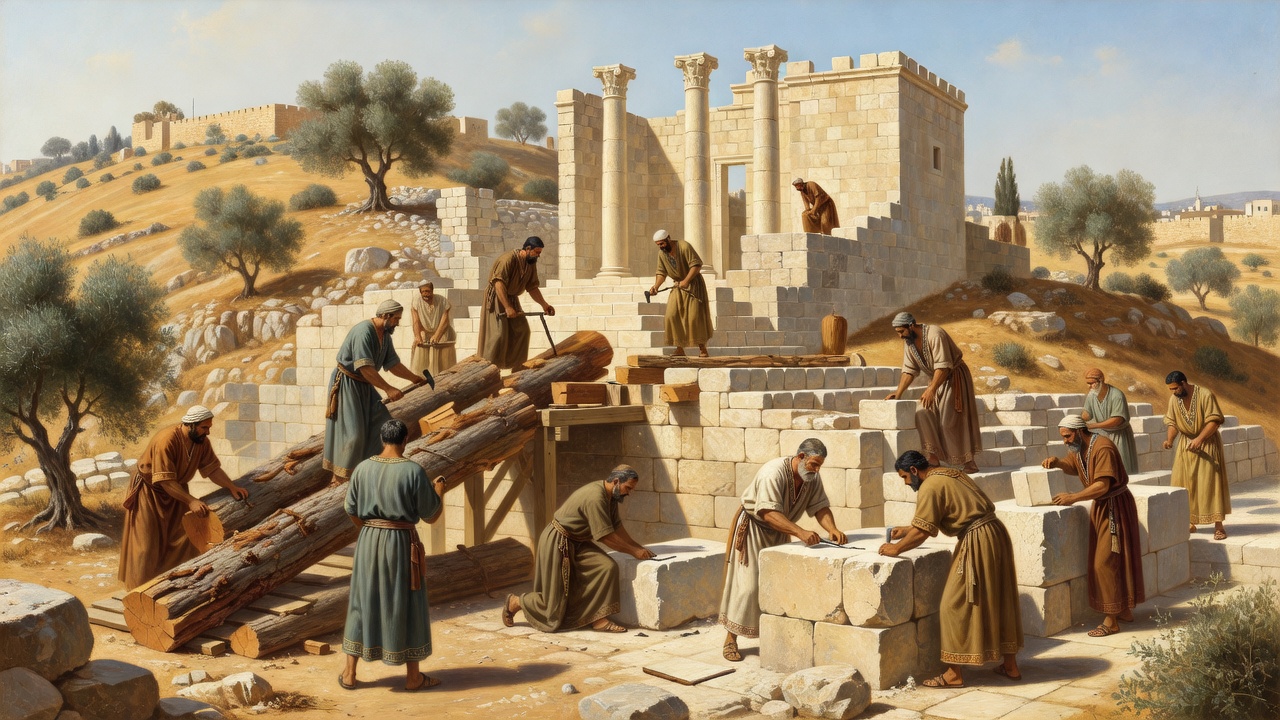
- Hiram, rey de la ciudad costera fenicia de Tiro, estableció una alianza con David enviando madera de cedro, carpinteros y canteros para construir un palacio real en Jerusalén.Fuentes: el propio texto bíblico · Hiram · Tyre
- Situado al suroeste de Jerusalén, el valle de Refaim sirvió como base para las incursiones filisteas en cuanto supieron que David había sido ungido rey sobre todo Israel.Fuentes: el propio texto bíblico · Valley of Rephaim
Notas escritas con ayuda de IA a partir de fuentes abiertas (Theographic Bible Metadata, CC BY-SA 4.0; Easton’s Bible Dictionary, dominio público) y revisadas antes de publicarse.
Lugares de este capítulo
- Hebron · Hoy: Tel Rumeida · 31.525, 35.102 · versículos 1, 3, 5, 13
- Jerusalem · 31.777, 35.234 · versículos 5, 6, 13, 14
- City of David · 31.774, 35.236 · versículos 7, 9
- Zion · Hoy: Jerusalem · 31.777, 35.234 · versículo 7
- Tyre · 33.271, 35.196 · versículo 11
- Valley of Rephaim · 31.763, 35.219 · versículos 18, 22
- Gezer · Hoy: Tel Gezer · 31.859, 34.919 · versículo 25
Solo aparecen lugares identificados con alta confianza (90 % o más según las fuentes académicas reunidas por OpenBible). Mapa de la época: DARE (Digital Atlas of the Roman Empire), CC BY 4.0; mapa actual: © colaboradores de OpenStreetMap; lugares: OpenBible.info (CC BY 4.0).
Créditos y licencia de esta traducción
Bibeli Luayãtaalá
The Holy Bible in the Boko language spoken in Benin and Nigeria
copyright © 2010 SIM International
Language: Boko
Translation by: SIM International
Boko Bibeli Luayãtaala
This translation, published by the SIM au Benin, was published in 2010.
If you are interested in obtaining a printed copy, please contact the SIM at ECWA/SIM H.Q., P.M.B. 2009, Jos, Plateau State, NIGERIA.
This translation text is made available to you under the
terms of the Creative Commons License: Attribution-Noncommercial-No Derivative Works.
( http://creativecommons.org/licenses/by-nc-nd/3.0/ )
In addition, you have permission to port the text to different file formats, as long as you
do not change any of the text or punctuation of the Bible.
You may share, copy, distribute, transmit, and extract portions
or quotations from this work, provided that you include the above copyright
information:
You must give Attribution to the work.
You do not sell this work for a profit.
You do not make any derivative works that change any of the actual words or punctuation of the Scriptures.
Permissions beyond the scope of this license may be
available if you contact
us with your request.
This translation is made available to you under the terms of the
Creative Commons Attribution-Noncommercial-No Derivatives license 4.0.
You may share and redistribute this Bible translation or extracts from it in any format, provided that:
You include the above copyright and source information.
You do not sell this work for a profit.
You do not change any of the words or punctuation of the Scriptures.
Pictures included with Scriptures and other documents on this site are licensed just for use with those Scriptures and documents.
For other uses, please contact the respective copyright owners.
2014-09-25
Fuente: http://ebible.org/bqcsim/ · eBible.org